
Seven of 15 European Herring Gulls Never Pecked Eye-Marked Takeaway Boxes Across Three Trials
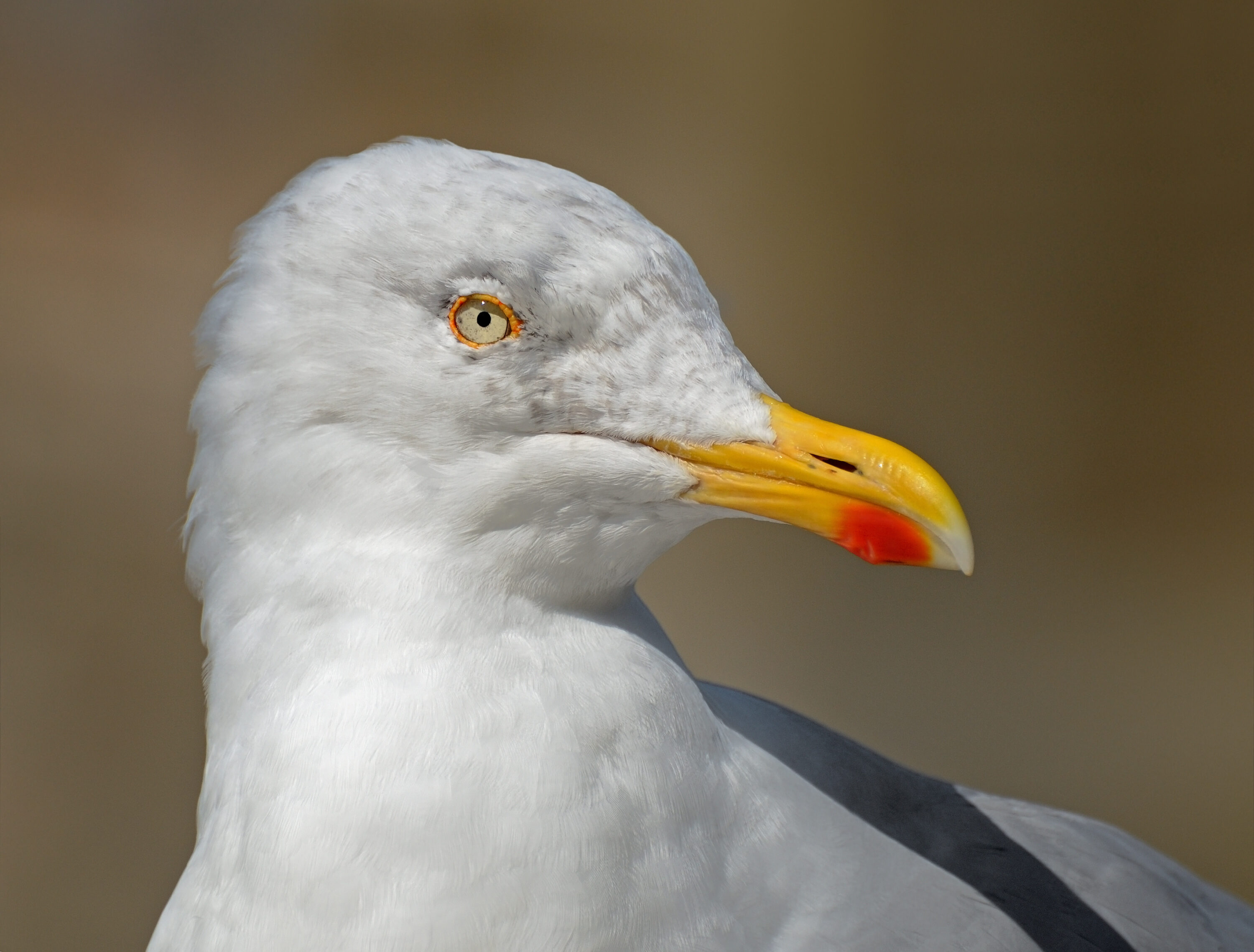
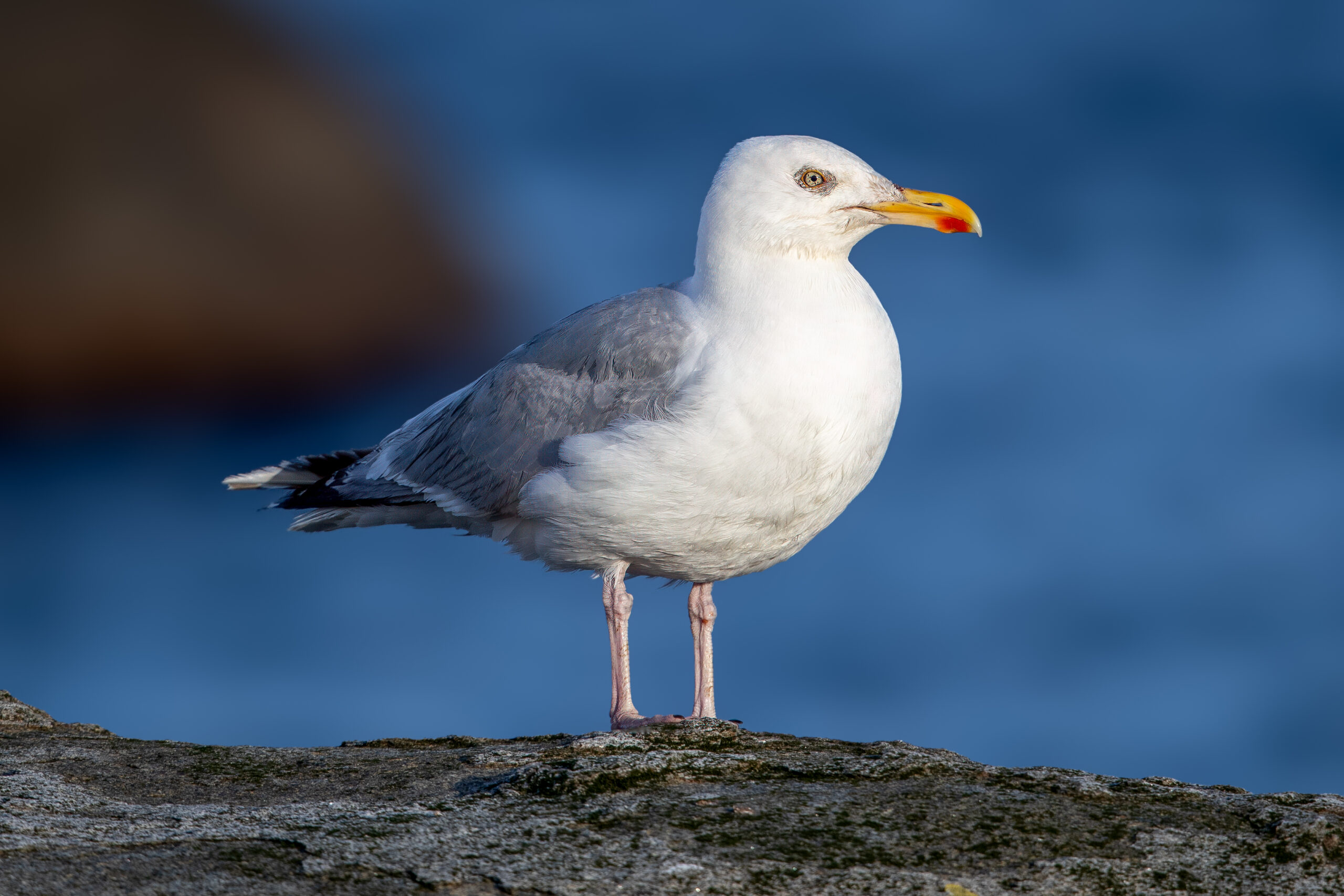
In a United Kingdom study, eye-like markings on takeaway food boxes deterred some urban European herring gulls (Larus argentatus), but the response differed strongly between individuals. In a study first published on 8 March 2026, researchers tested whether simple visual patterns could reduce gulls’ willingness to approach packaging associated with human food.
Wild gulls in towns were presented with takeaway boxes carrying pairs of black-and-white eye-like patterns and with plain control boxes. Some birds took longer to approach the boxes with eyes and were less likely to peck them than the plain boxes.
Repeated tests revealed two very different responses
To test short-term habituation, individual gulls were exposed to the same type of box in three trials. Fifteen birds received boxes with eye-like markings and 15 received plain boxes. Seven of the 15 gulls tested with eyes never pecked the box in any of the three trials. Among birds that did engage with the eye-marked boxes, however, the deterrent effect weakened by the second presentation, showing partial short-term habituation.
The authors therefore found no single response that applied to all gulls: some individuals maintained strong avoidance throughout the short series, while others were willing to interact and became less hesitant with repeated exposure.
Contrast may matter more than resemblance to eyes
A separate experiment presented 46 gulls with two boxes carrying high-contrast black-and-white patterns: one with circles resembling eyes and one with squares. Thirty-six birds pecked one of the boxes. More pecked the square-patterned box than the circular one, but the difference was not statistically significant, and the time taken to peck did not differ between the two shapes.
The researchers therefore suggest that strong visual contrast itself may contribute importantly to aversion rather than the pattern needing to resemble an eye precisely.
Urban herring gulls can come into conflict with people when they investigate, scavenge or steal human food. The authors present high-contrast or eye-like markings as a possible non-invasive addition to other deterrent methods, while stressing that the large differences between individual gulls mean such markings are unlikely to work on every bird.
Human–wildlife conflict
Related news
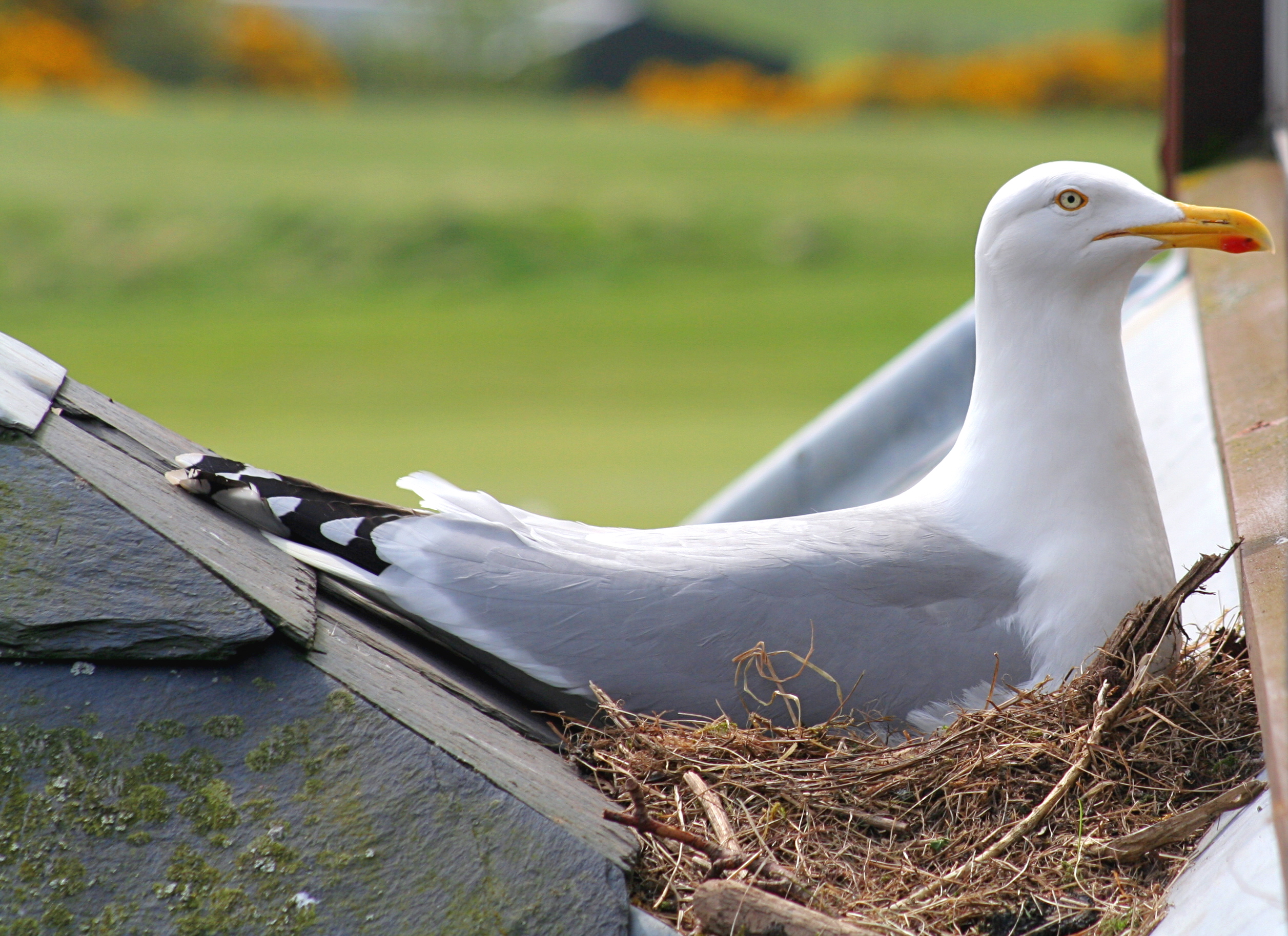
Scotland’s European Herring Gull Index Was 54% Below Its 1986 Baseline
NatureScot’s 2026 seabird indicator estimated European herring gull breeding abundance in Scotland 54% below the 1986 baseline and…
Read story →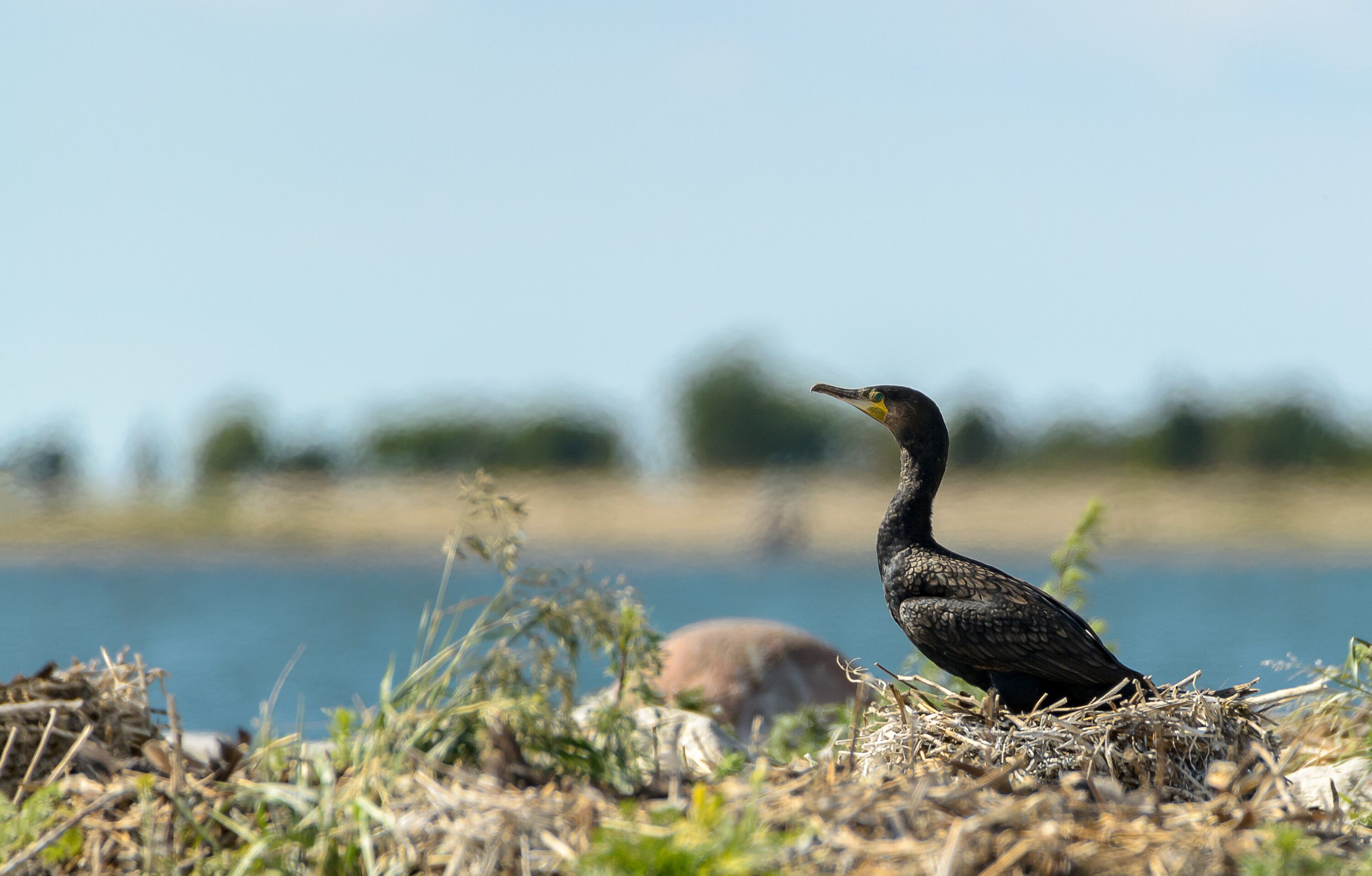
Bird Diversity Fell After Cormorant Colonies Became Established on Baltic Islands
Annual monitoring from 261 Estonian Baltic islands showed that breeding-bird diversity declined after great cormorant colonies became established…
Read story →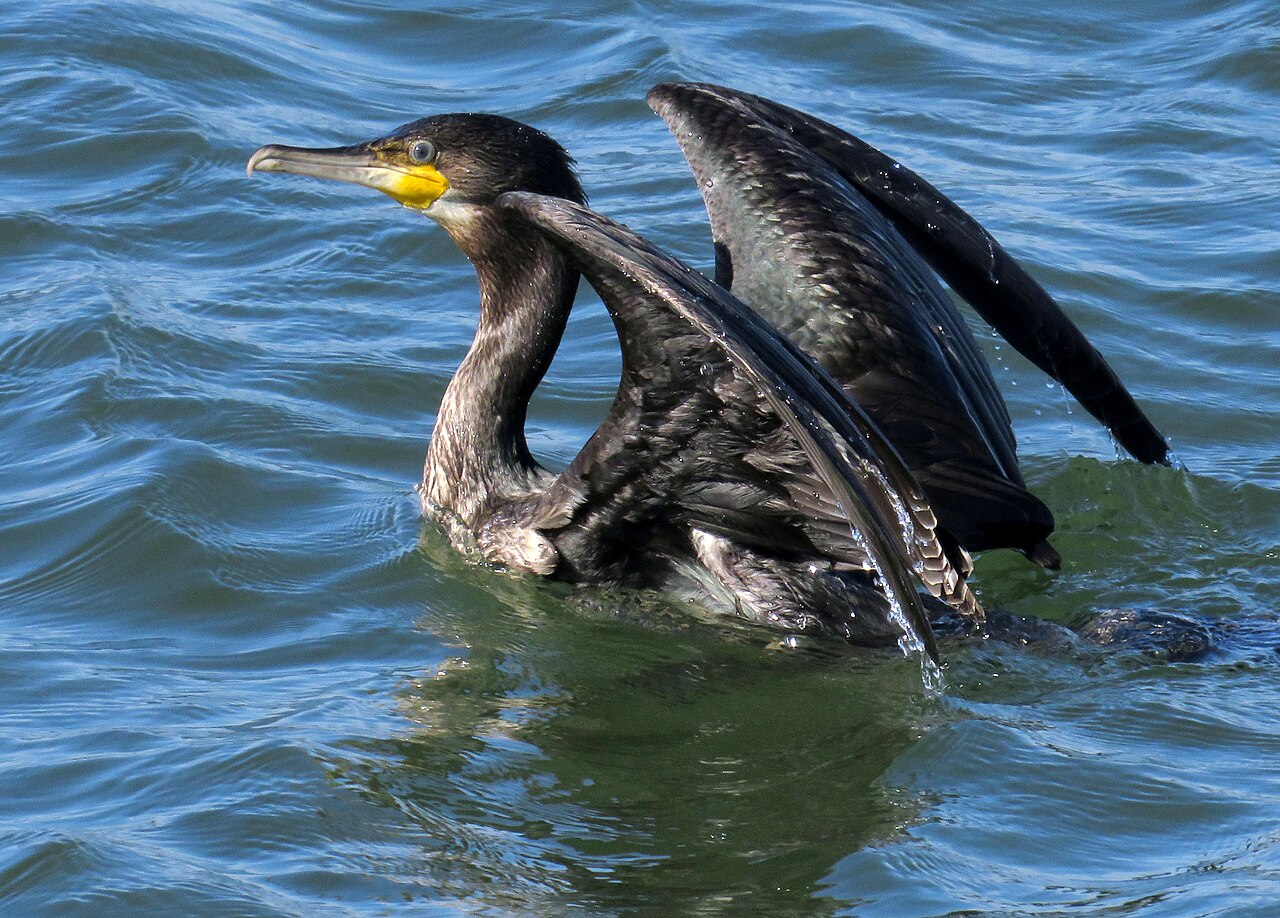
Cormorant and Large-Gull Counts Fell at a Danish Pound Net, but the Difference Disappeared Within Weeks
At one Danish pound net fitted with Looming-Eye Buoys, great cormorant and large-gull counts dropped sharply relative to…
Read story →SPECIES IN THIS STORY
Species in this story
Independent research and conservation news archive
Did you find this information useful?
Wildlife Vagabond is independently built and maintained. Voluntary support helps cover source verification, hosting and continued work on research and conservation news.
Support Wildlife VagabondThe news archive will remain freely available.