
More Than 30% of Variation in House Sparrows’ Hormonal Response to Food Availability Was Heritable
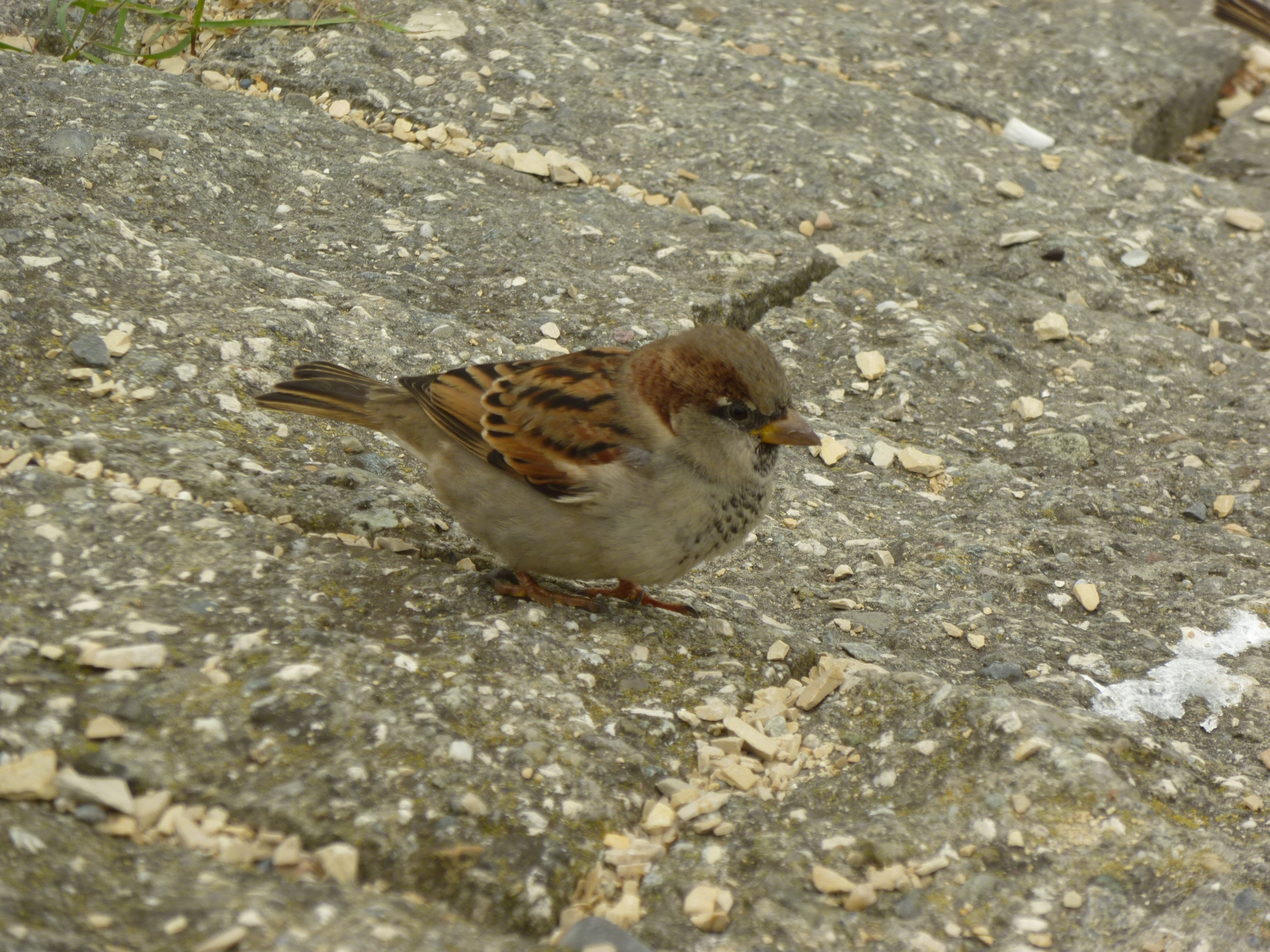
More than 30% of the observed variation in how strongly house sparrows (Passer domesticus) changed their glucocorticoid response when food availability shifted was estimated to be heritable. The study therefore found that hormonal plasticity — an individual’s ability to adjust its endocrine response when conditions change — contains a moderate genetic component.
Glucocorticoids are part of the hormonal system animals use when responding to environmental challenges. In birds, corticosterone is the principal glucocorticoid. The researchers were interested not simply in whether some sparrows had higher hormone levels than others, but in whether individuals differed consistently in how much their hormone levels changed between adequate and restricted food.
Parents and offspring faced the same changes in food availability
The parental generation experienced alternating feeding treatments twice. During restricted periods, each bird received 70% of its individual daily food intake; during adequate periods, it received 110%. Blood samples taken after each treatment showed how strongly glucocorticoid levels changed with food availability.
The researchers then selected the 20 most responsive birds, the 20 least responsive birds and 20 birds chosen at random as a control group. These birds reproduced in separate aviaries, and the offspring were later tested with the same alternating feeding treatments.
Cross-fostering helped separate inheritance from rearing environment
Some offspring were raised by foster parents, allowing the researchers to distinguish resemblance to genetic parents from effects of the parental and rearing environment. Quantitative genetic models then estimated how much of the variation in glucocorticoid plasticity could be attributed to inherited differences.
The estimated heritability exceeded 30%, which the authors describe as moderate. This does not mean that 30% of an individual bird’s hormone response is “genetic”; it means that genetic differences accounted for more than 30% of the observed variation in plasticity among the birds in this study.
Hormonal flexibility has the potential to evolve
The result provides evidence that individual differences in endocrine plasticity can be inherited. Because natural selection can act on heritable variation, the authors conclude that this flexibility has the potential to evolve, particularly in dynamic and rapidly changing environments.
Physiology
Related news
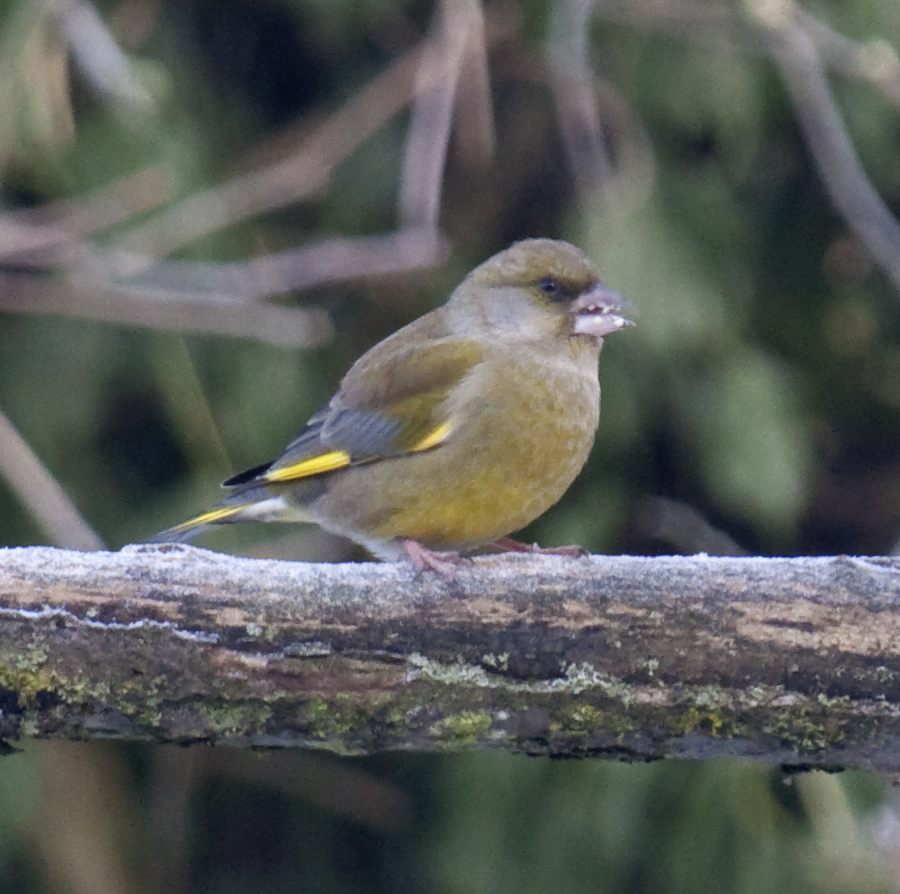
Type A Trichomonas Was More Than Twice as Prevalent in British Birds at Supplementary-fed Sites
Type A of the bird parasite Trichomonas gallinae was more than twice as prevalent in British birds at…
Read story →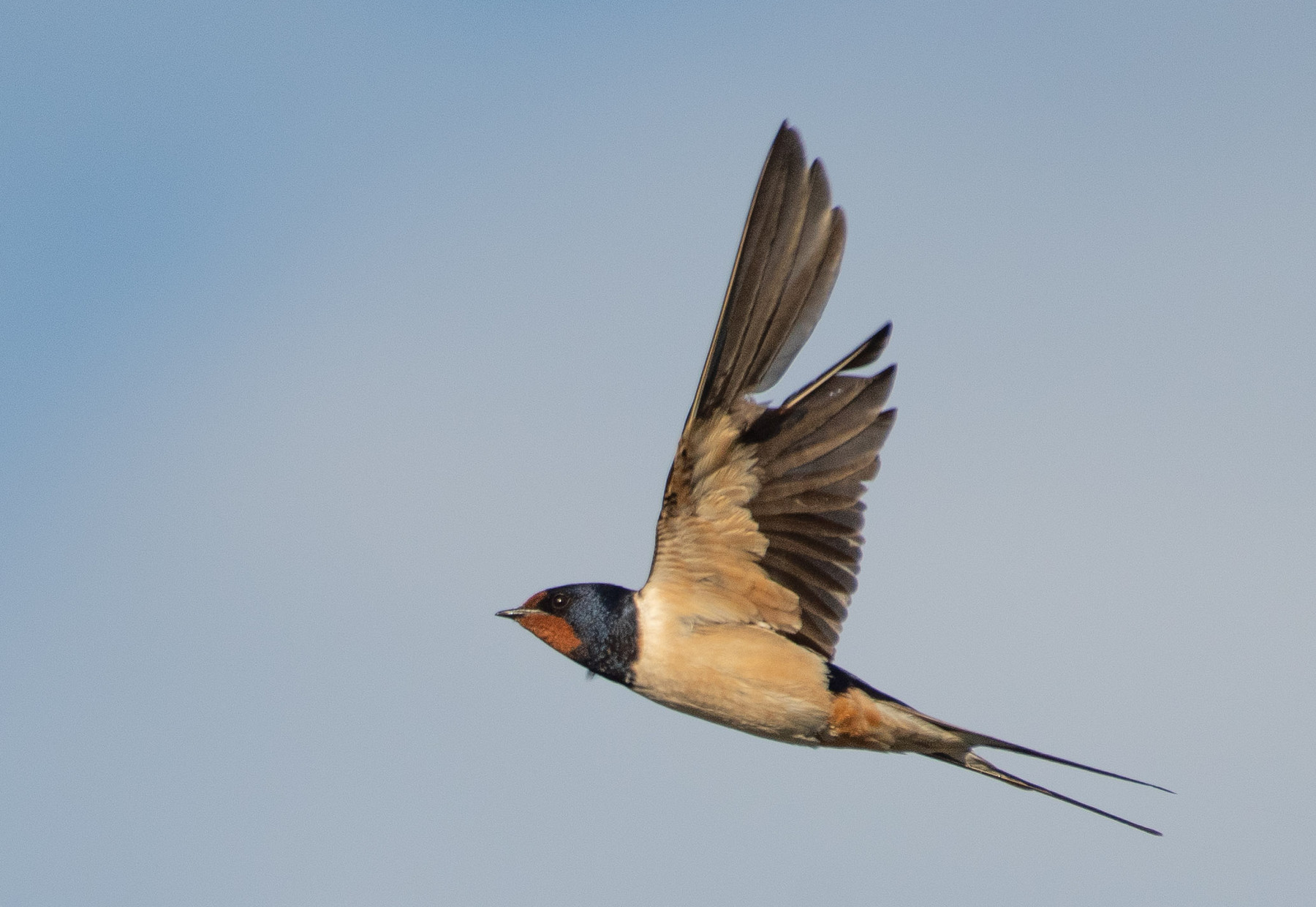
Usutu Virus RNA Was Found Nearly Three Times as Often as West Nile Virus RNA in Southern France
Among 2,533 wild birds from 69 species in southern France, Usutu virus RNA was detected in 12.0% and…
Read story →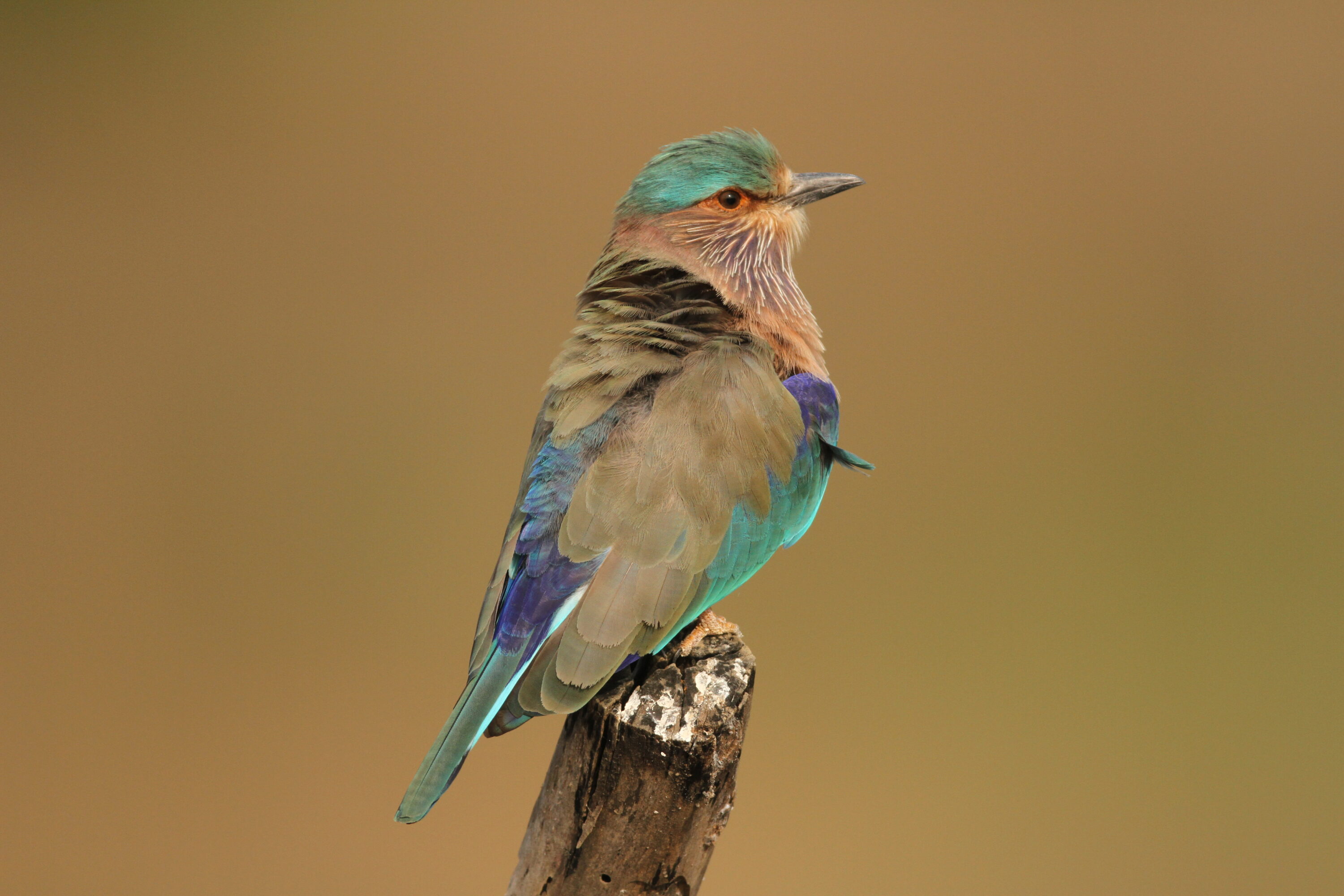
Six Cavity-Nesting Bird Species Bred Successfully in Artificial Nests in Punjab
Punjab Agricultural University reported successful breeding in artificial nests by six cavity-nesting species, including Indian roller, spotted owlet…
Read story →SPECIES IN THIS STORY
Species in this story
Independent research and conservation news archive
Did you find this information useful?
Wildlife Vagabond is independently built and maintained. Voluntary support helps cover source verification, hosting and continued work on research and conservation news.
Support Wildlife VagabondThe news archive will remain freely available.