
Indian village study found most house sparrow nests in buildings
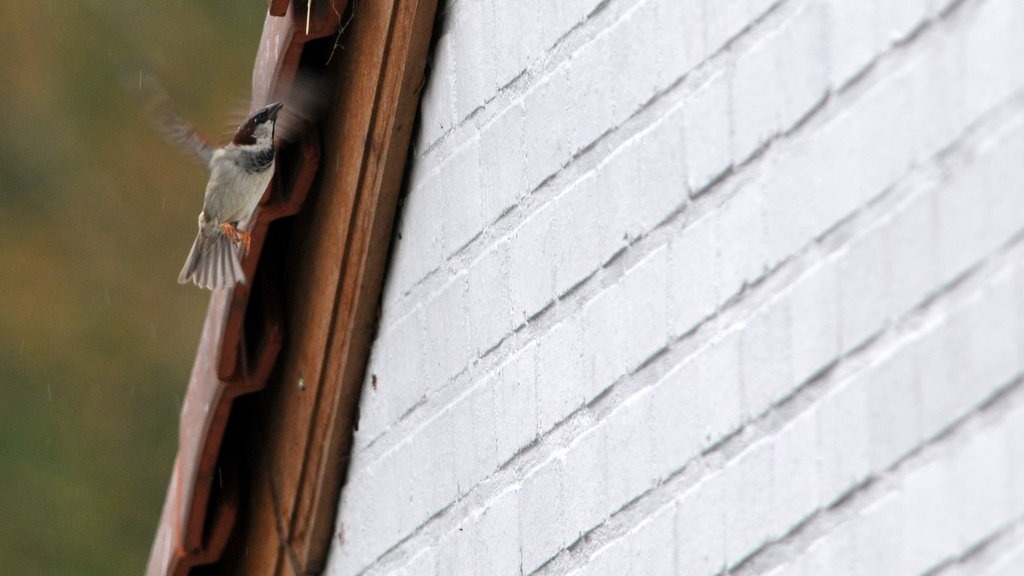
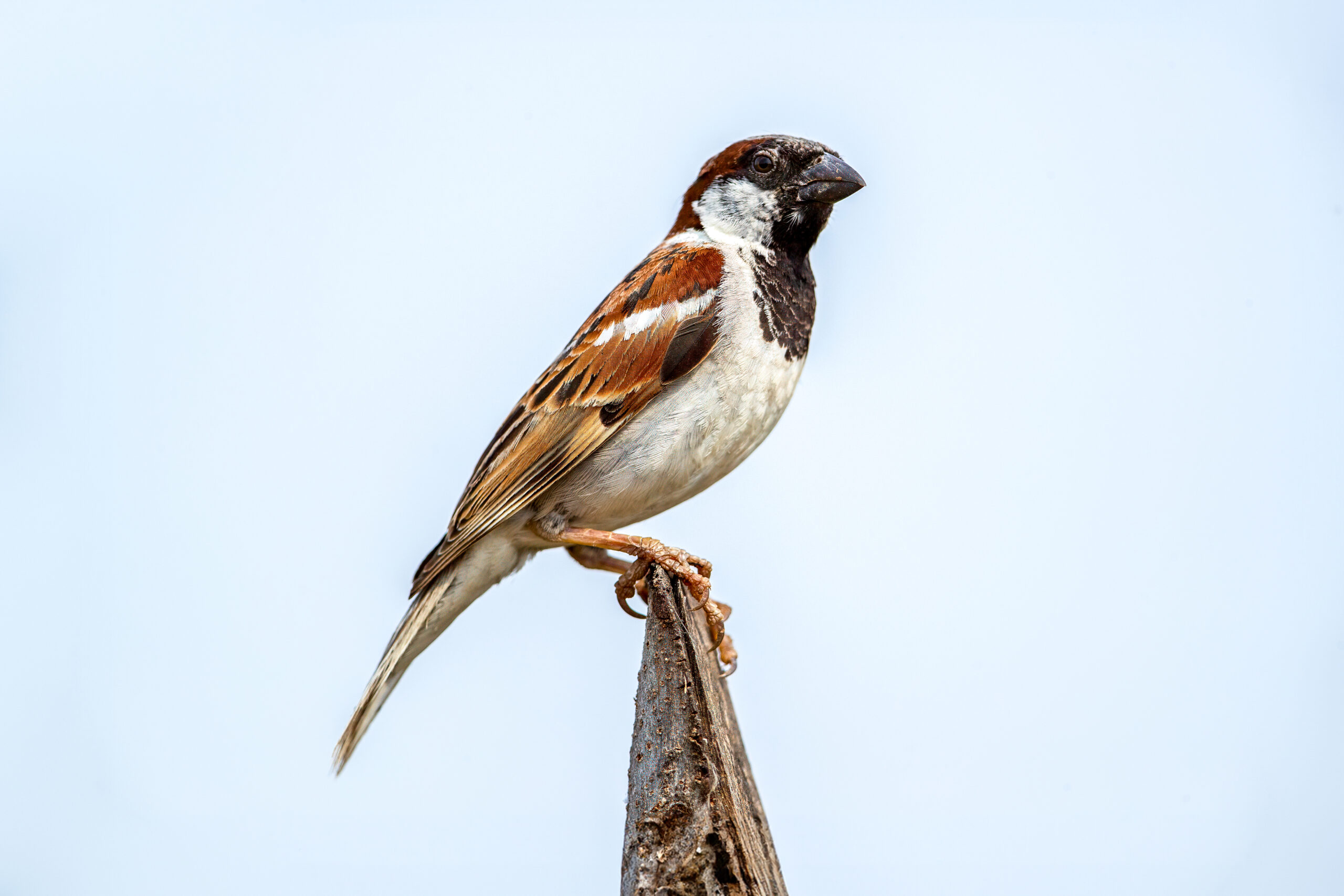
A six-month field study in Salaiya village, Rewa District, Madhya Pradesh, India, followed 37 active house sparrow (Passer domesticus) nests from April to September 2025. Together the nests contained 168 eggs and were checked repeatedly through laying, incubation, hatching and fledging.
Most nests were associated with buildings. Fifteen nests (40.5%) were in wall gaps or building crevices, ten (27%) in roof cavities or ventilators and six (16.2%) in cattle sheds or storerooms. Four nests (10.8%) were in trees and two (5.4%) in artificial nestboxes.
Nest material was 71% plant-derived, including grasses, straw, twigs and crop residues. Human-derived materials such as paper, cotton, thread, cloth and plastic made up 20%, while feathers and animal hair accounted for 9%.
Most observed nests produced at least one fledgling
Clutches contained three to six eggs, with an average of about 4.5 eggs per nest. Of the 168 eggs, 139 (82.7%) hatched. Of those hatchlings, 119 (85.6%) fledged.
Twenty-nine of the 37 monitored nests produced at least one fledgling, giving an observed nest-success proportion of 78.4%. This measure is simply the share of monitored nests that fledged young; it is not an exposure-corrected daily nest-survival estimate.
Both sexes incubated, with females recorded more often
Breeding behaviour was observed with scan sampling at repeated periods in the morning, evening and at night. In those observations, females accounted for 68% of recorded incubation activity and males for 32%. The percentages therefore describe the observed incubation scans rather than continuous monitoring of every minute of incubation.
The authors conclude that house sparrows in Salaiya relied heavily on nesting opportunities in human structures and showed high local hatching and fledging rates during the six-month study.
Reproduction & development
Related news
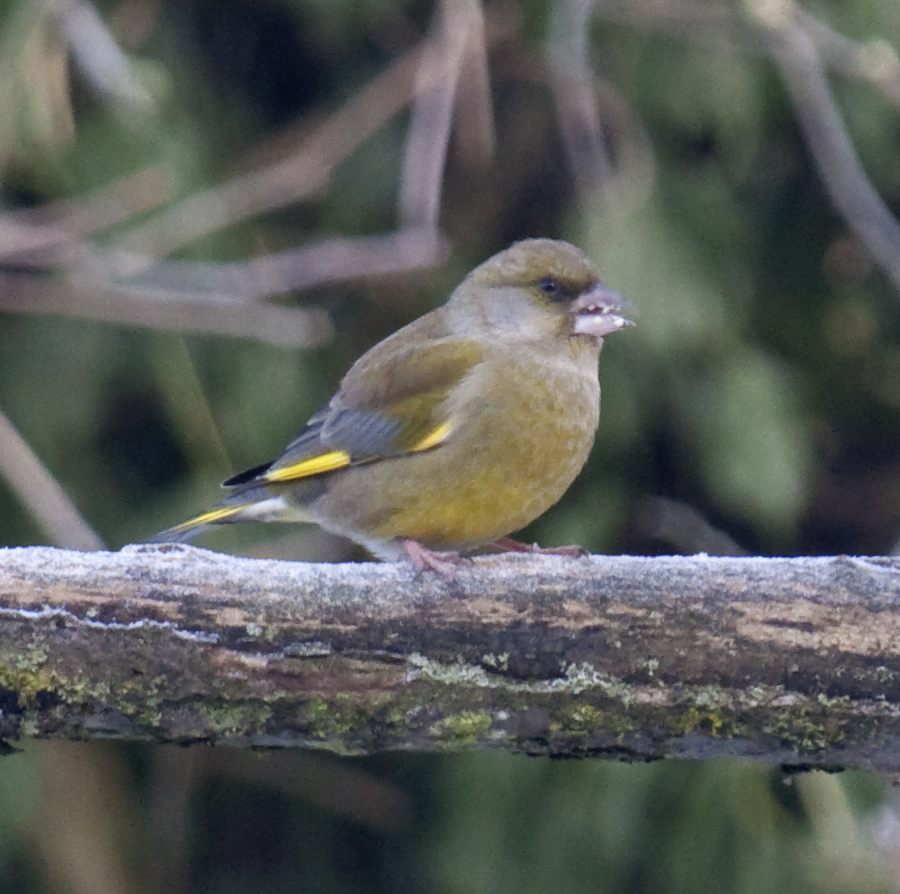
Type A Trichomonas Was More Than Twice as Prevalent in British Birds at Supplementary-fed Sites
Type A of the bird parasite Trichomonas gallinae was more than twice as prevalent in British birds at…
Read story →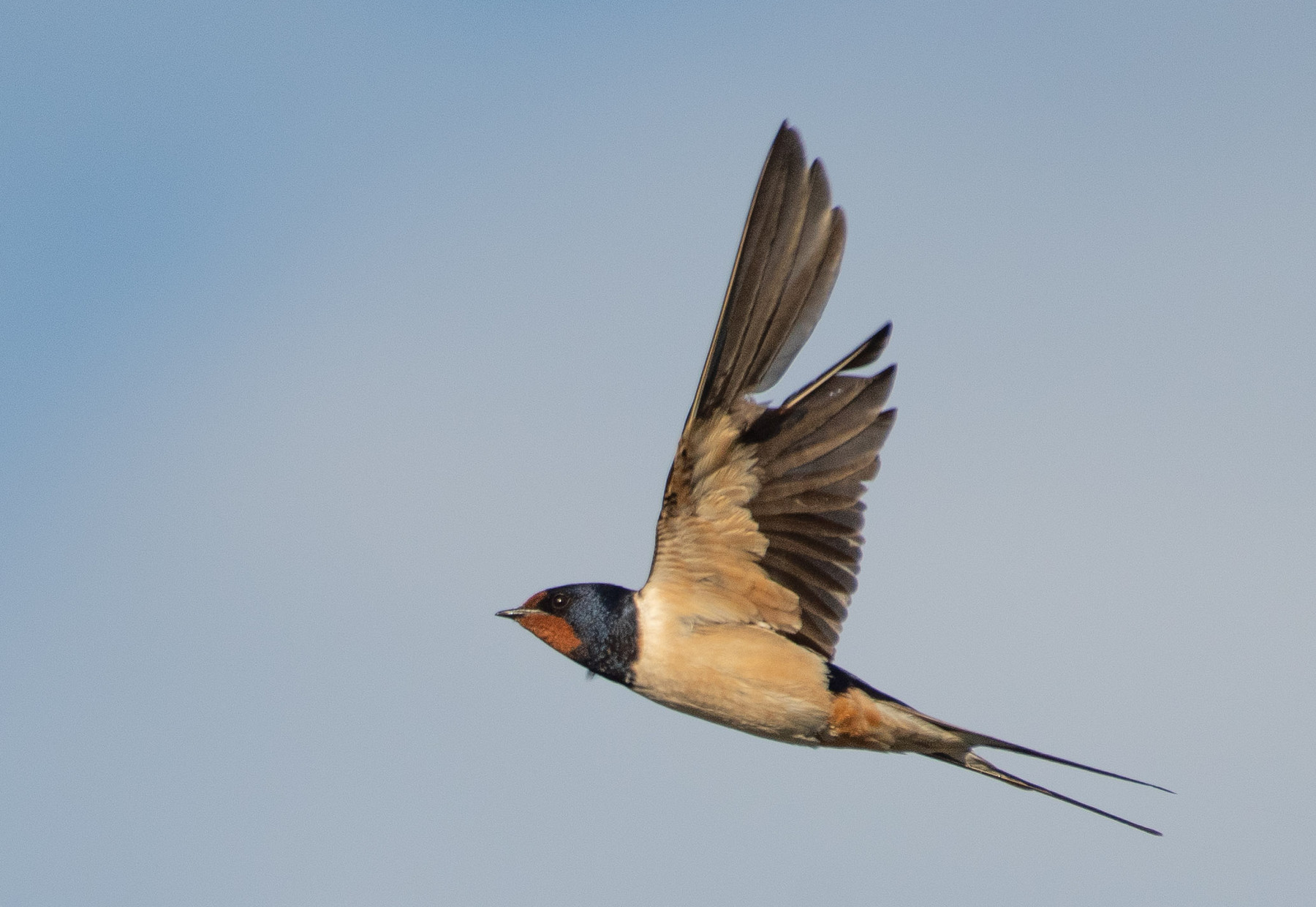
Usutu Virus RNA Was Found Nearly Three Times as Often as West Nile Virus RNA in Southern France
Among 2,533 wild birds from 69 species in southern France, Usutu virus RNA was detected in 12.0% and…
Read story →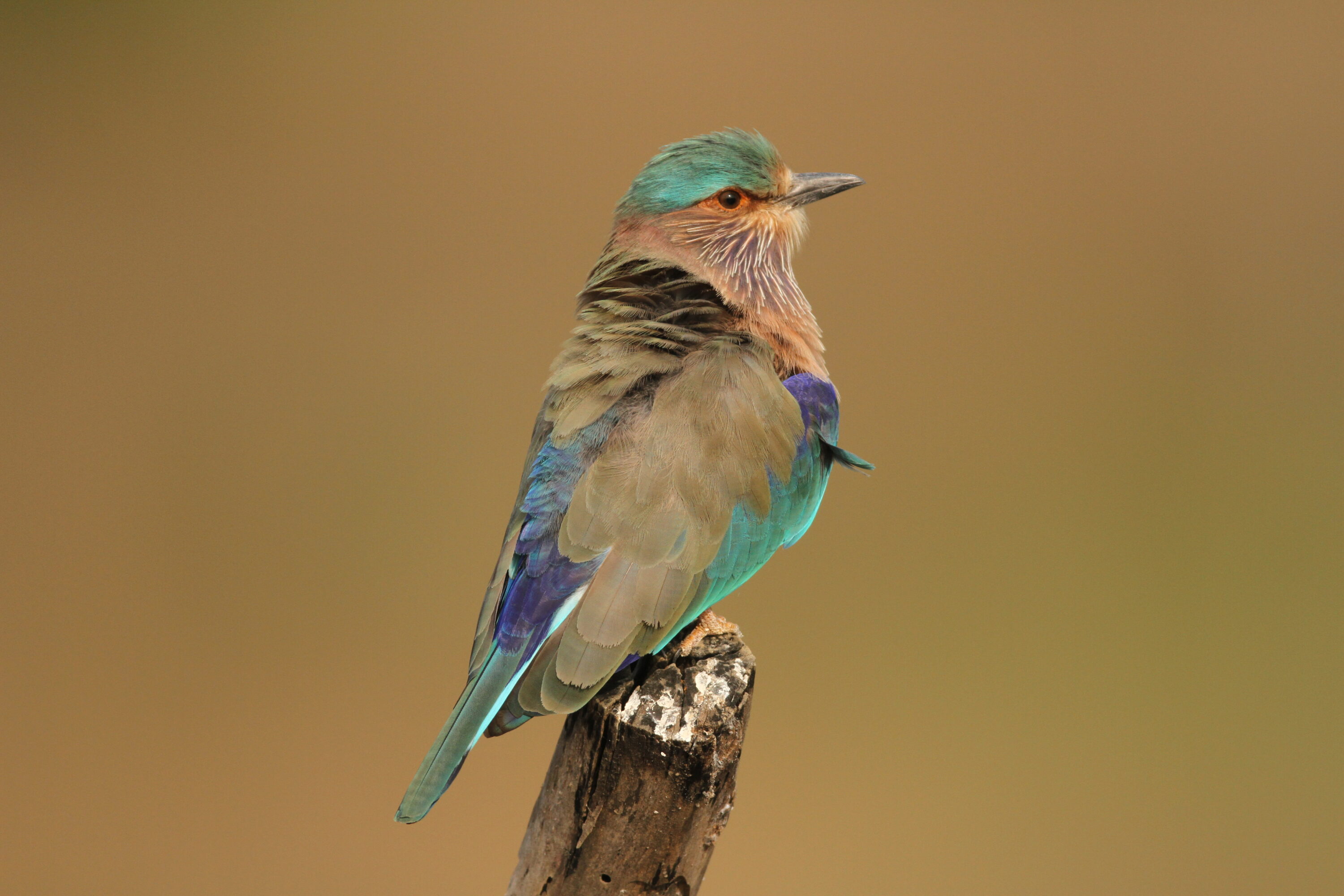
Six Cavity-Nesting Bird Species Bred Successfully in Artificial Nests in Punjab
Punjab Agricultural University reported successful breeding in artificial nests by six cavity-nesting species, including Indian roller, spotted owlet…
Read story →SPECIES IN THIS STORY
Species in this story
Independent research and conservation news archive
Did you find this information useful?
Wildlife Vagabond is independently built and maintained. Voluntary support helps cover source verification, hosting and continued work on research and conservation news.
Support Wildlife VagabondThe news archive will remain freely available.