
House Sparrow Nests Tracked Building Design More Than Urbanisation
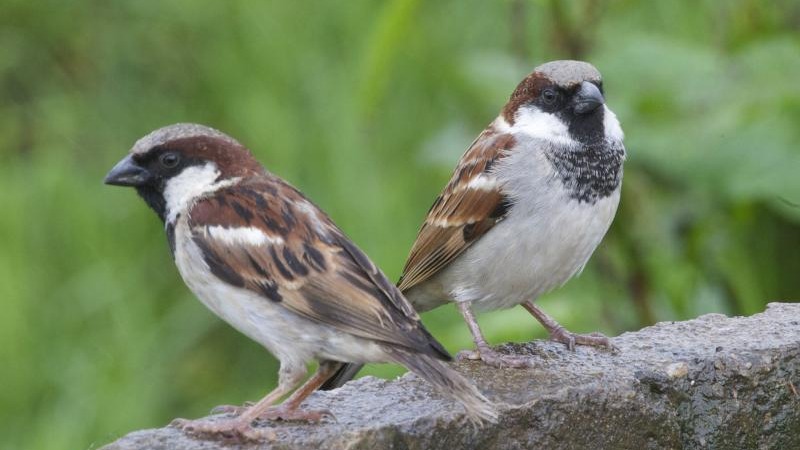
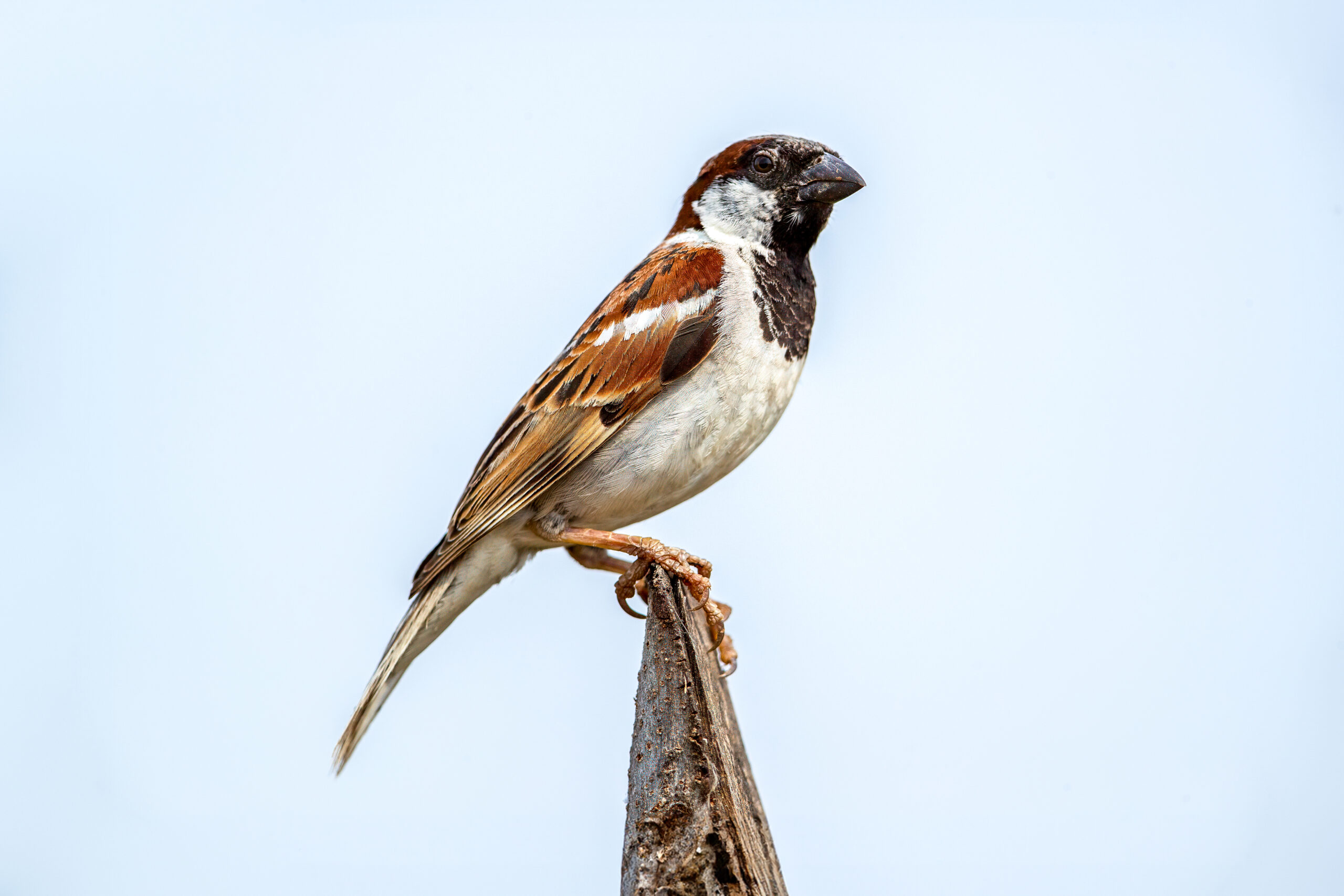
A survey in Nuwara Eliya, Sri Lanka, recorded 185 active house sparrow (Passer domesticus) nests across an urban-to-exurban gradient. House sparrows have declined in many parts of their global range, making Nuwara Eliya’s conspicuous breeding population a useful contrast. The number of active nests did not differ significantly among the four broad habitat categories and was not significantly predicted by the proportion of building cover or green cover.
Researchers surveyed 20 ten-hectare plots from February to May 2025, covering urban, suburban, periurban and exurban settings. Each active nest was assigned to a nesting substrate and the building type on which it occurred. Substrates included nestboxes, spaces beneath roofing sheets, wall holes and crevices, gutters, ceilings, beams and electrical meter boxes.
Building details mattered more than broad urbanisation labels
Nest-substrate use was strongly non-random and was more closely associated with building architecture than with the broad habitat categories. Residential houses held 45 nests in nestboxes and another 53 in ceilings or on beams. Shops supported 15 nestbox nests and 11 beneath roofing sheets, while wall holes, gutters, electrical meter boxes and other cavities were used on different building types. The pattern shows that sparrows were responding to the nesting opportunities provided by particular structures rather than simply to whether the surrounding plot was labelled urban or exurban.
Nestboxes may help preserve nesting opportunities
The authors highlight widespread nestbox provision as a distinctive feature of Nuwara Eliya and suggest that this human provisioning, together with the sparrows’ flexibility in using varied architectural features, may help sustain the conspicuous local breeding population. The study shows that nestboxes and other structural features provide nesting opportunities, but it did not measure whether those sites produced more fledglings or improved population growth. The authors therefore interpret the immediate structure of buildings as more important for nest-site occupancy than broad urbanisation labels in this study.
The study was limited to a single breeding season, and each plot was surveyed only once. Because it relied on observed active nests, hidden nests may have been missed more often than visible exterior nests or nestboxes. It also did not measure reproductive success. The authors therefore call for multi-season monitoring and studies of marked birds to test nest-site fidelity, breeding outcomes and longer-term population viability.
Ecology
Related news
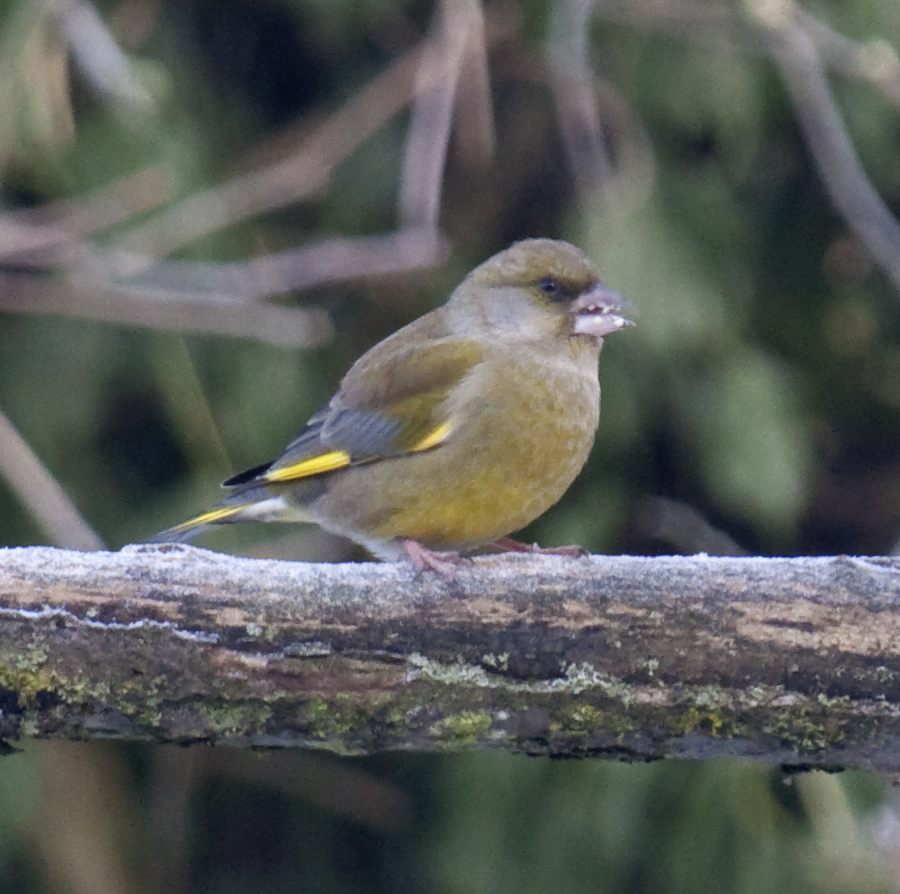
Type A Trichomonas Was More Than Twice as Prevalent in British Birds at Supplementary-fed Sites
Type A of the bird parasite Trichomonas gallinae was more than twice as prevalent in British birds at…
Read story →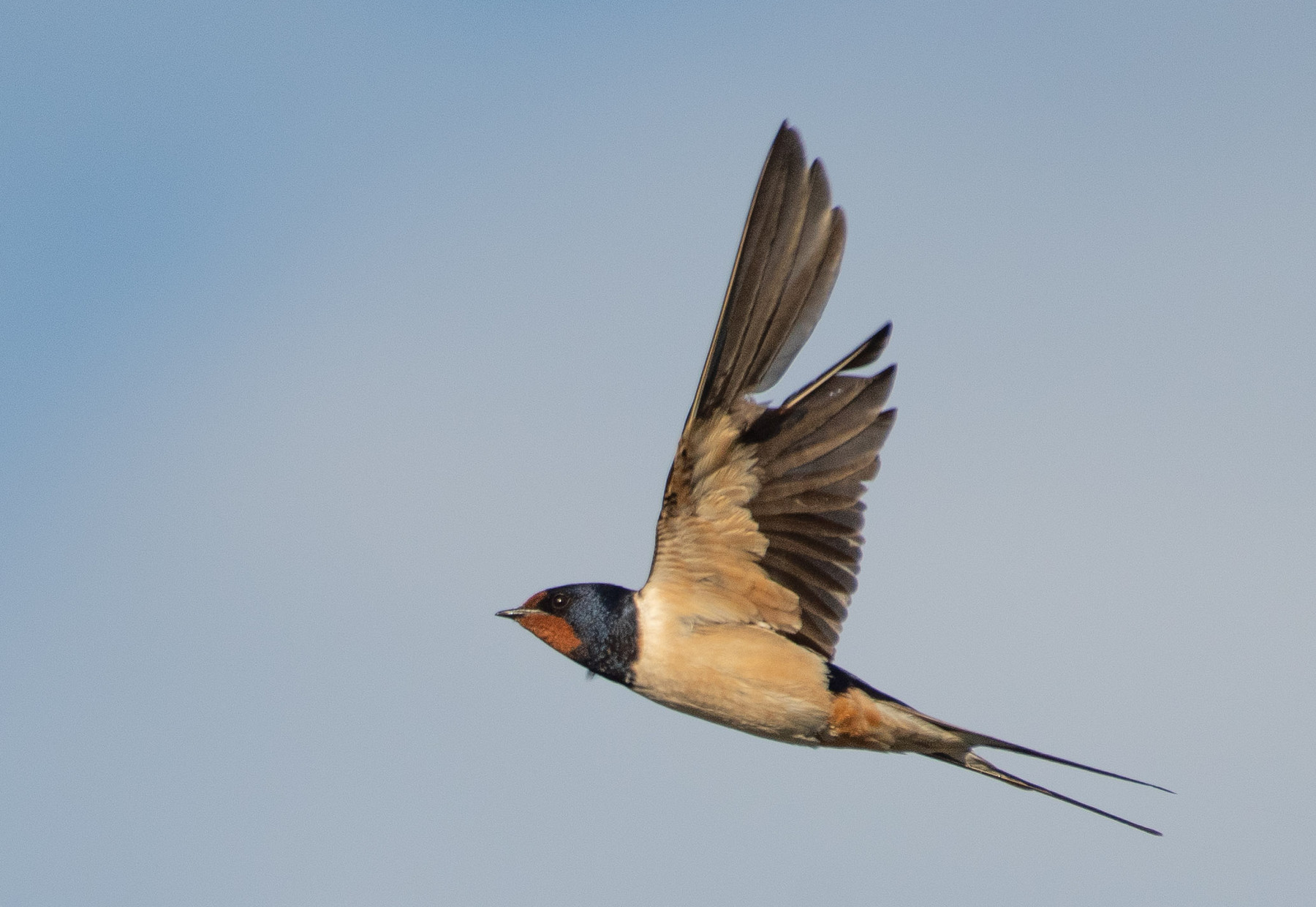
Usutu Virus RNA Was Found Nearly Three Times as Often as West Nile Virus RNA in Southern France
Among 2,533 wild birds from 69 species in southern France, Usutu virus RNA was detected in 12.0% and…
Read story →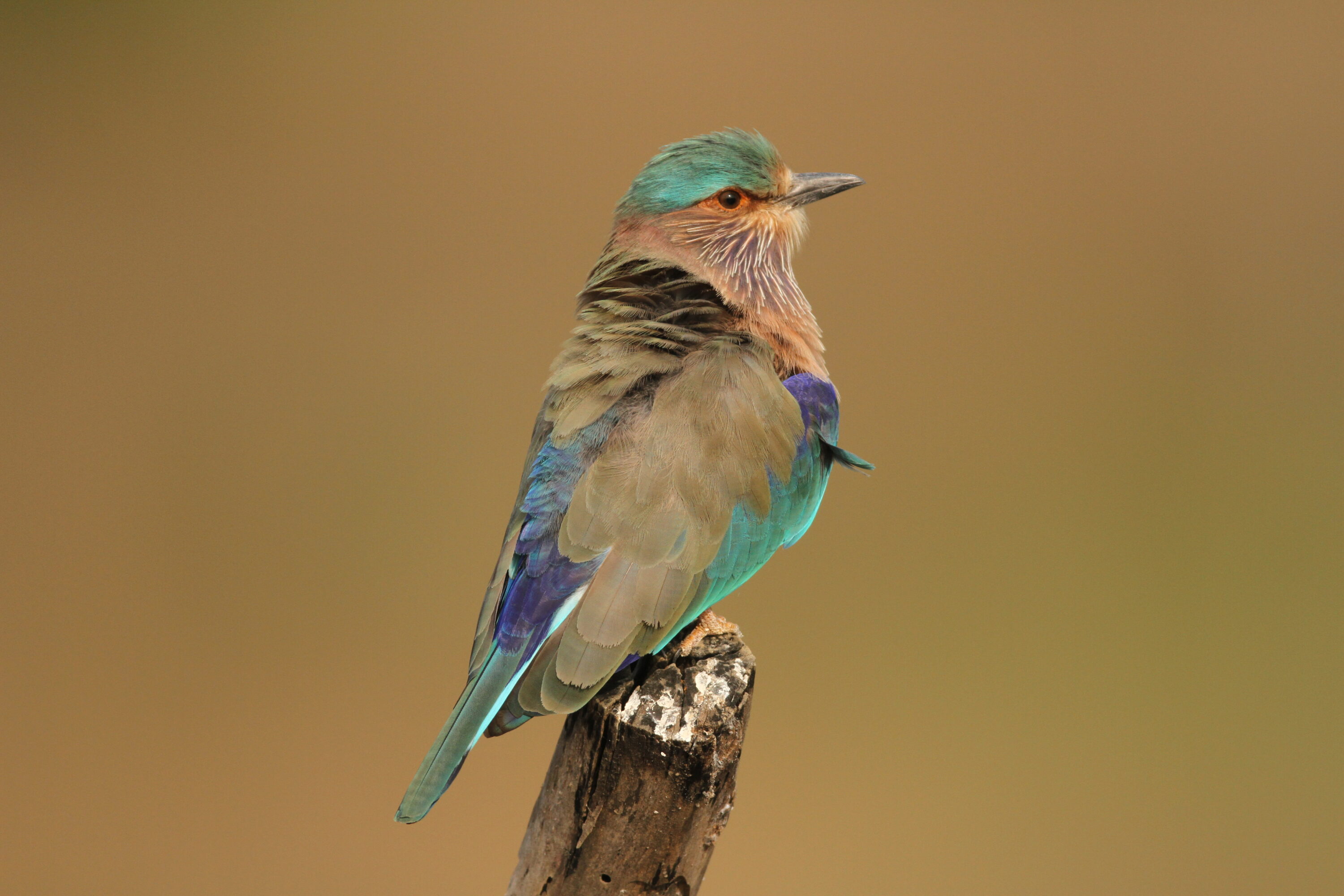
Six Cavity-Nesting Bird Species Bred Successfully in Artificial Nests in Punjab
Punjab Agricultural University reported successful breeding in artificial nests by six cavity-nesting species, including Indian roller, spotted owlet…
Read story →SPECIES IN THIS STORY
Species in this story
Independent research and conservation news archive
Did you find this information useful?
Wildlife Vagabond is independently built and maintained. Voluntary support helps cover source verification, hosting and continued work on research and conservation news.
Support Wildlife VagabondThe news archive will remain freely available.