
Human and rhesus macaque brains share some glial aging patterns, but neurons differ
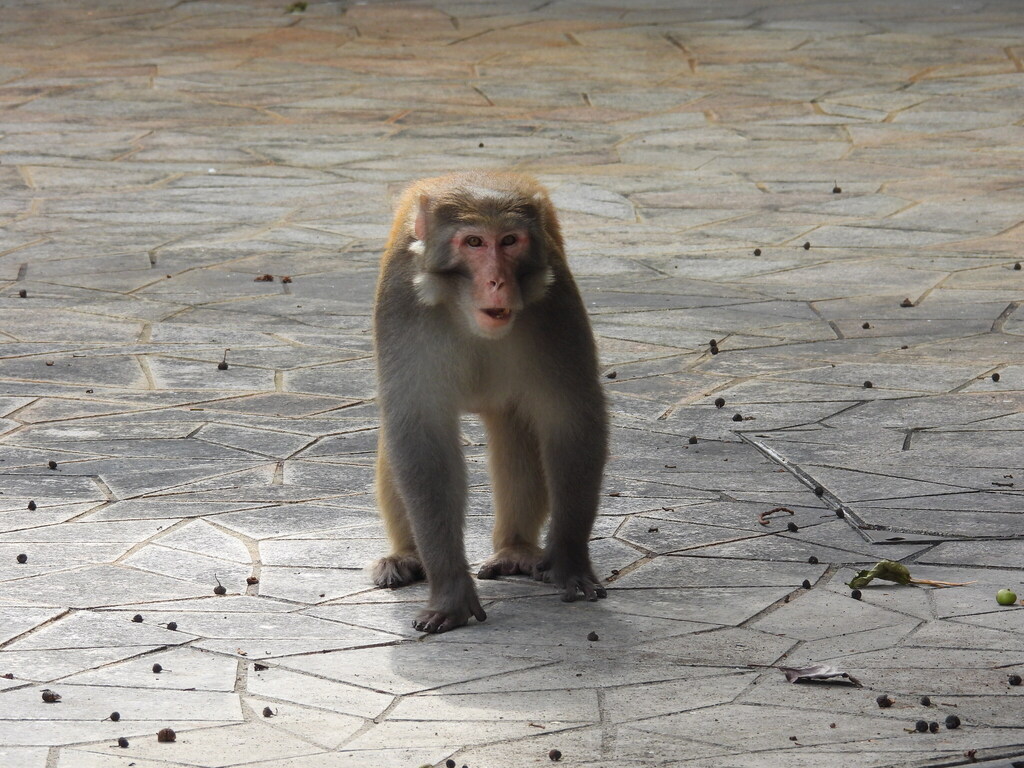
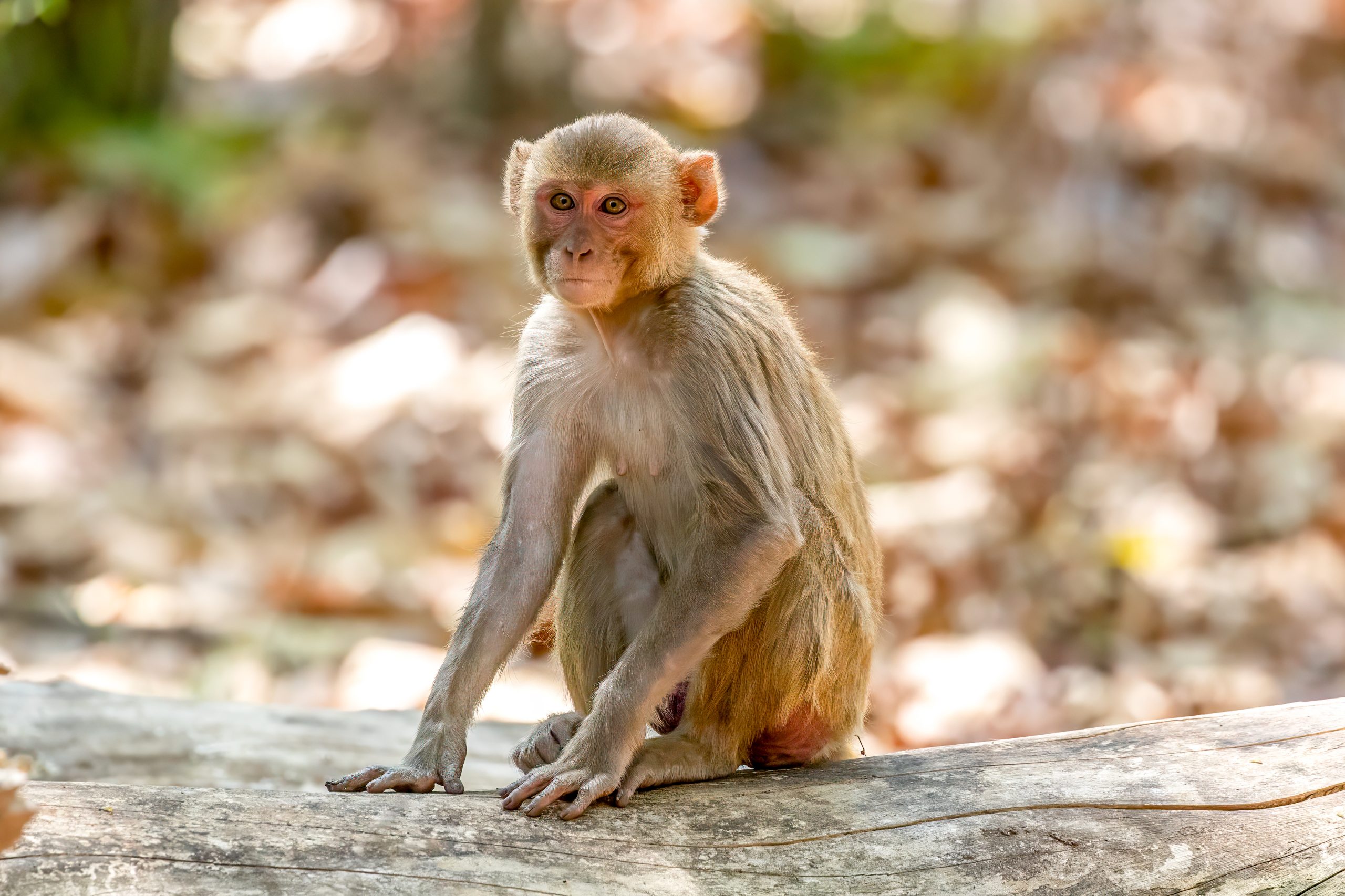
How does brain aging compare across species? A preprint study of the caudate nucleus found some shared age-related features in humans and rhesus macaques, but more divergent changes in neurons.
The researchers built single-nucleus gene-expression atlases from caudate tissue from 178 human donors, covering 963,842 nuclei, and six healthy rhesus macaques (Macaca mulatta), covering 83,699 nuclei. Single-nucleus data allowed the researchers to compare gene-expression patterns across cell types. They also examined chromatin accessibility, which indicates how accessible regions of DNA are, alongside gene-expression data.
Some age-related features in glial cells were shared across the human and macaque datasets. Neuronal changes, by contrast, were more divergent between the species. The results therefore point to some common features of caudate aging, not an identical pattern across species.
Across the datasets, age-associated patterns in gene expression and chromatin accessibility were nonlinear, with more pronounced changes in later adulthood. In the human donor data, age-associated changes appeared earlier in donors with alcohol use disorder. The study is a preprint and has not been peer reviewed.
Reading gene activity one cell type at a time
The caudate is part of the basal ganglia, a network involved in movement, learning and motivation. Its tissue contains neurons, which transmit signals, and glial cells, which help maintain the environment in which neurons function. By separating nuclei from many cell types, the researchers could ask whether an age-related signal appeared in neurons, glia or both, instead of averaging those differences across a whole tissue sample.
In addition to the single-nucleus comparisons, the team drew on 3,139 bulk RNA-sequencing profiles from several brain regions and disease groups, and paired RNA and chromatin-accessibility measurements from 257,524 caudate nuclei from 161 human donors. Together, these methods offer complementary views of how gene activity changes with age. However, the comparisons cannot show whether alcohol use caused earlier changes, or whether the observed patterns directly changed brain function.
Genetics & genomics
Related news
Older rhesus macaques show hundreds of gene-expression differences in blood
In a study at a research facility in Sochi, Russia, 741 genes differed in expression between young and…
Read story →
Oxytocin’s effect on macaques’ brain responses to sound depended on visual context
In two awake rhesus macaques, oxytocin dampened sound-evoked brain responses when sounds were presented alone. The dampening disappeared…
Read story →
Some rhesus macaques kept SIV in check after antibody treatment and ART interruption
Eight of 21 macaques given SIV-targeting antibodies met the study’s definition of post-treatment control. Their CD4+ T cells…
Read story →SPECIES IN THIS STORY
Species in this story
Independent research and conservation news archive
Did you find this information useful?
Wildlife Vagabond is independently built and maintained. Voluntary support helps cover source verification, hosting and continued work on research and conservation news.
Support Wildlife VagabondThe news archive will remain freely available.