
Hunting Dogs Increased Recorded Moose Unevenly Across Classes in Finland
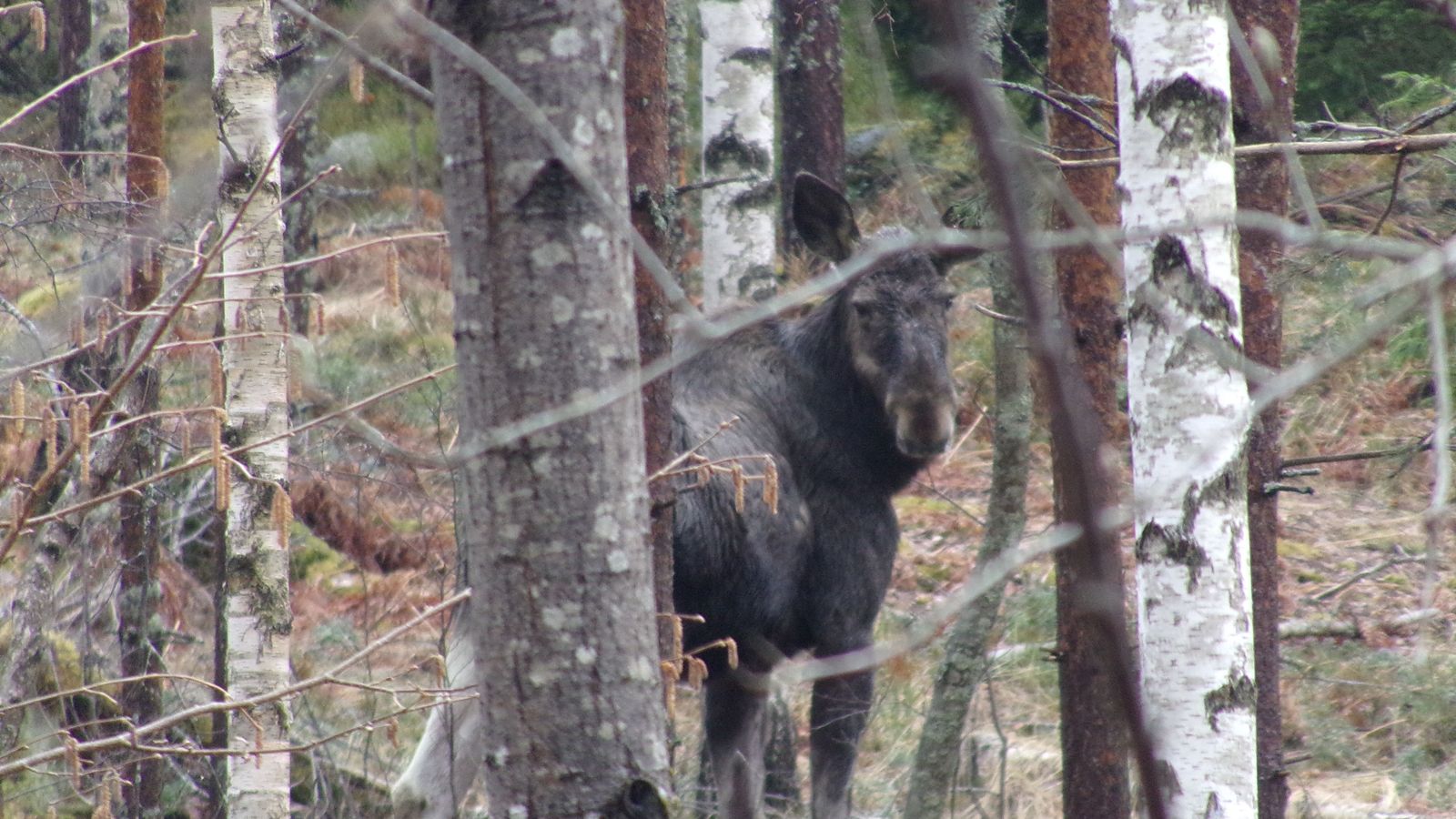
An analysis of approximately half a million hunter observations from southern Finland found that hunting method can strongly influence which moose (Alces alces) enter citizen-science datasets. These were observations reported during ordinary hunting rather than counts collected under a standardized scientific survey design. The study, first published on 18 April 2026, analysed observations collected from 2017 to 2021 across 248 game management associations.
As expected, the previous year’s estimated population size was associated with the number of observations. The progression of the hunting season also mattered as animals were removed through culling. Hunting effort — including time spent hunting and the number of hunters — interacted strongly with whether dogs were used.
Dog effects differed among moose classes
Dog use increased recorded observations unevenly across classes. At approximately the average hunting duration in the dataset—about five hours—and the average team size of about eleven hunters, the final model estimated about 39% more observations of females with two calves, 47% more of females with one calf, 40% more of females without calves and 20% more of males when dogs were used. These are therefore context-dependent model estimates, not universal correction factors. Dogs also magnified the effect of having more hunters in the field.
Because the response differed among males, females and females with calves, the observation process itself can potentially bias indicators of population size, sex ratio and recruitment—the number of young entering the population—if hunting method is not taken into account.
Season, landscape and weather also shaped observations
The models also identified effects of season progression, snow cover and several landscape variables. The authors caution that landscape associations can reflect both where moose occur and how easily they are observed, and that unmeasured factors may contribute to some of these patterns.
The study does not provide a universal correction factor and does not show that current official Finnish or Swedish population estimates are wrong. The authors explicitly state that it is premature to infer how much their results would change those estimates, because official models aggregate data differently. Their main conclusion is that hunting method, timing and environmental context should be considered when hunter observations are used as population indicators.
Other research
Related news
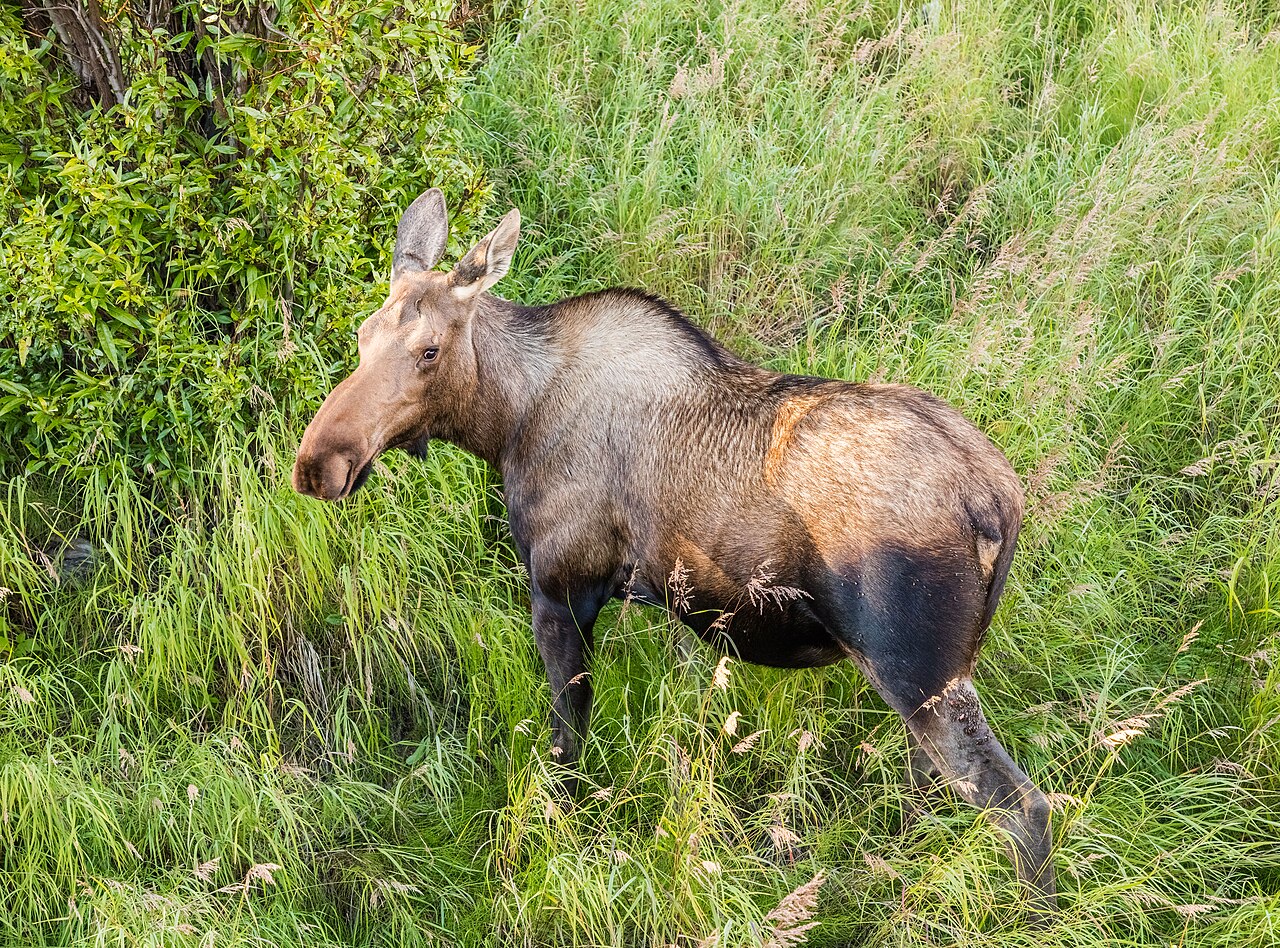
Arctic Moose Follow the River Valleys
GPS tracking in Alaska showed that half of 24 female moose migrated between summer and winter ranges. Migrants…
Read story →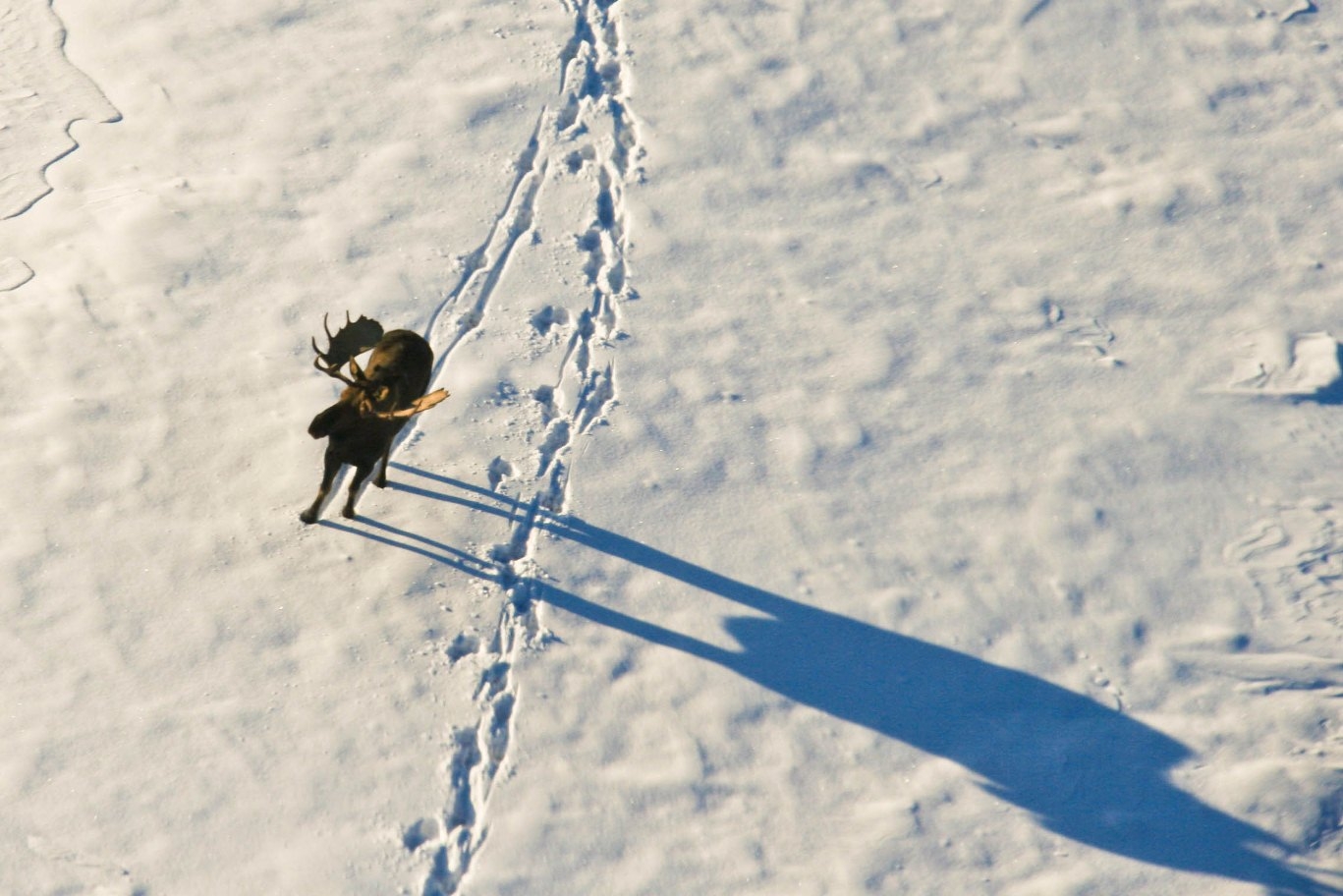
Thermal Drones Found Nearly All Moose in Favourable Winter Weather
Swedish trials found detection close to 100% in cold, overcast winter conditions, but the survey effort needed for…
Read story →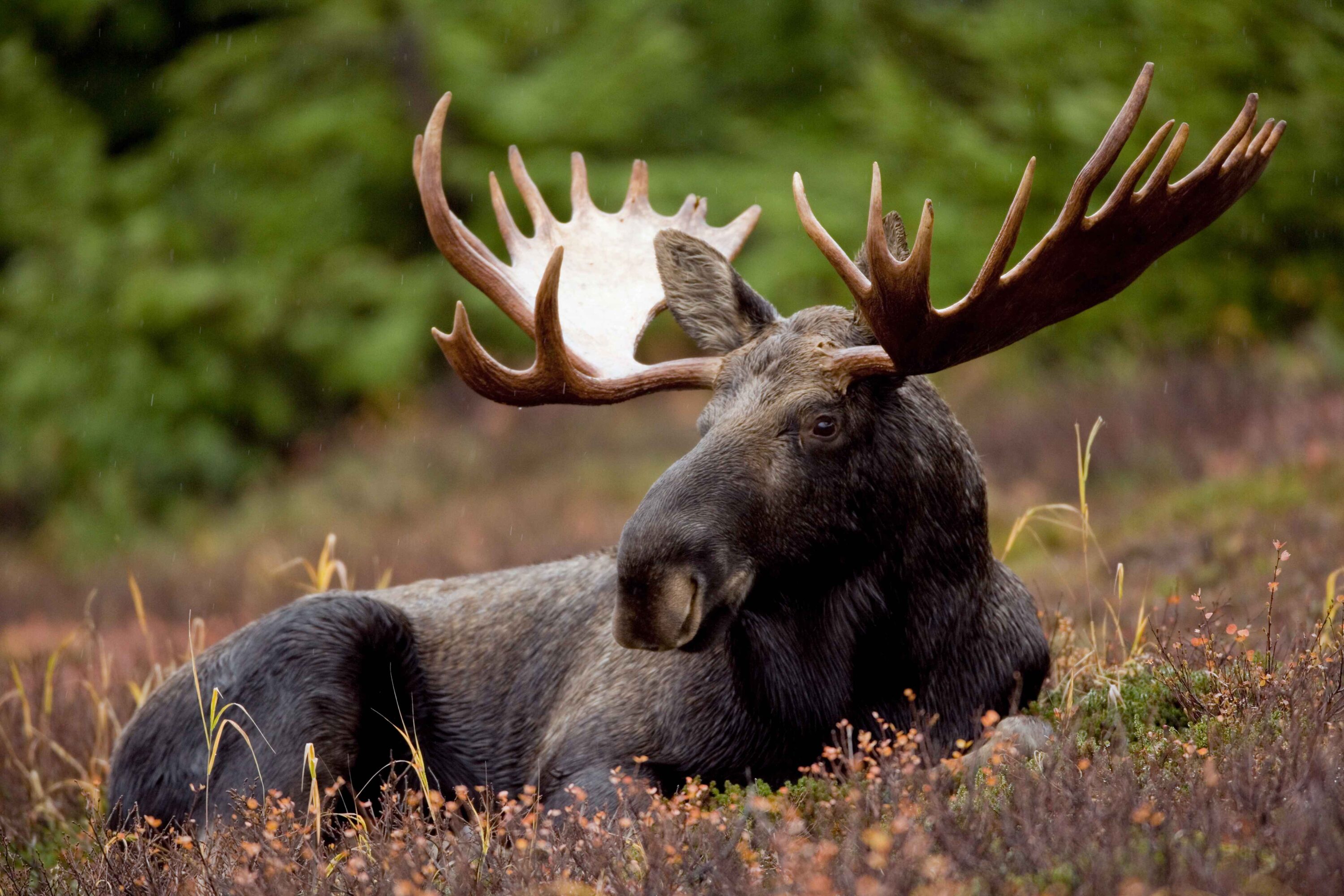
Even Adirondack Park’s Densest Moose Area Was Too Sparse for Precise Aerial Estimates
Helicopter surveys estimated about 92 moose in the Adirondack core in 2024 and 112 in 2025, but broad…
Read story →SPECIES IN THIS STORY
Species in this story
Independent research and conservation news archive
Did you find this information useful?
Wildlife Vagabond is independently built and maintained. Voluntary support helps cover source verification, hosting and continued work on research and conservation news.
Support Wildlife VagabondThe news archive will remain freely available.