
Taiwan’s captive sambar deer preserved a distinct maternal lineage
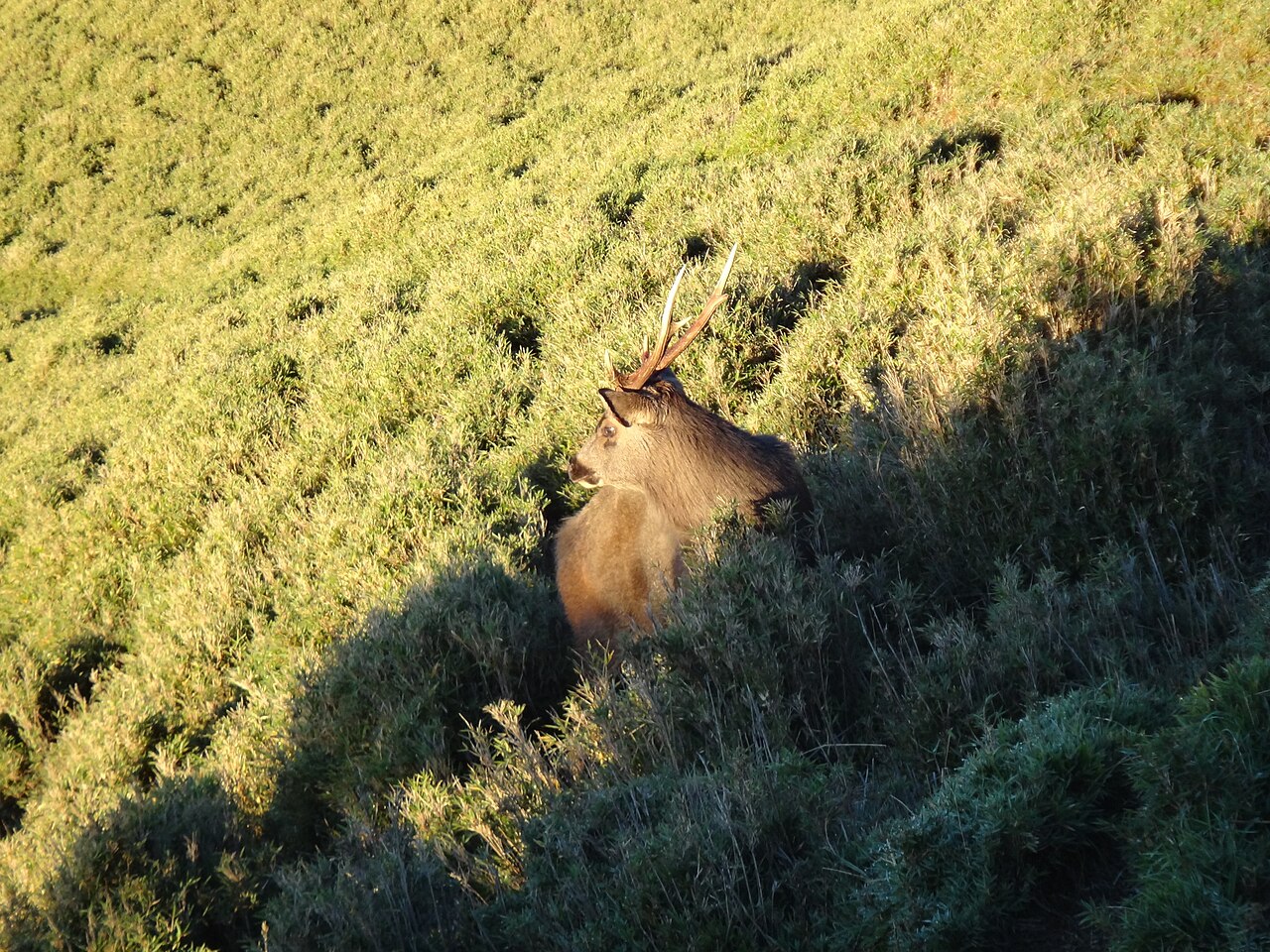
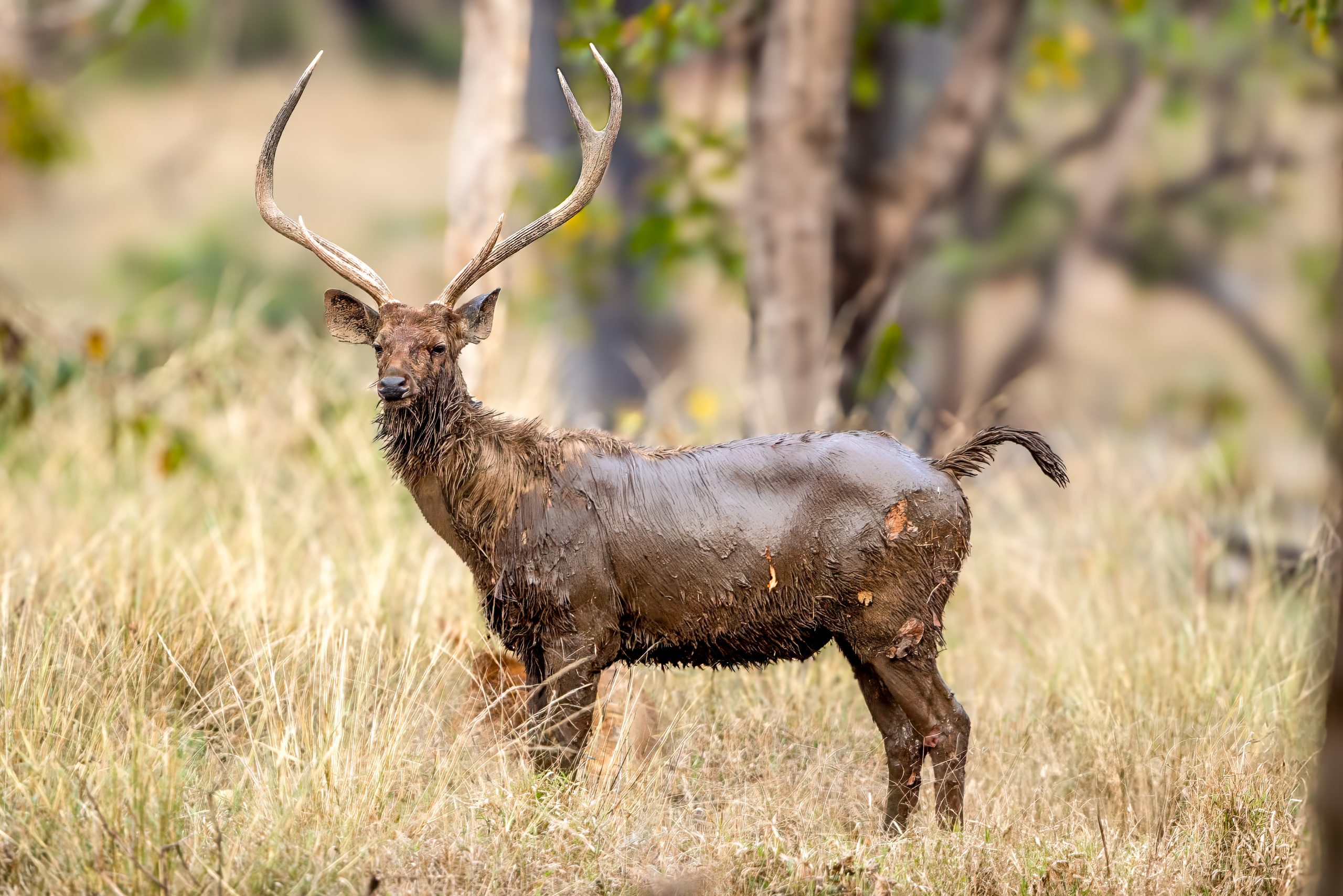
Captive Formosan sambar deer (Rusa unicolor swinhoii) in Taiwan carried a distinct set of maternal genetic lineages, according to a study comparing farmed deer with previously published samples from wild populations. The comparison found no mitochondrial DNA haplotypes shared between the two datasets. Yet the captive deer had slightly lower measured mitochondrial diversity than the wild reference sample.
The finding matters against a history of heavy hunting and habitat loss. Wild Formosan sambar deer later recovered after legal protection, while deer farming shifted from taking animals from the wild to breeding closed herds. The study suggests that farmed deer may retain an old maternal lineage not detected in the available wild samples—but it does not show that the lineage has vanished from the wild.
Many haplotypes, but less sequence variation
Researchers sequenced a 769-base-pair section of mitochondrial DNA, the D-loop, from blood samples collected in 2016 from 214 males aged three to six. The deer came from 14 farms in five Taiwanese cities. Although all the sampled animals were male, mitochondrial DNA is inherited through the maternal line, so it can reveal genetic variation passed down through their mothers.
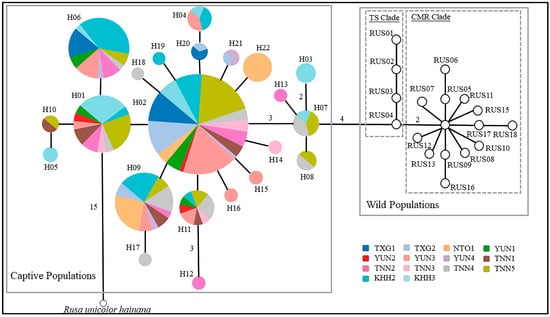
The captive samples contained 22 distinct D-loop haplotypes. Haplotype diversity was 0.810, close to the 0.814 reported for the wild reference data. Nucleotide diversity—which measures how different the sequences are from one another on average—was 0.00275 in the captive deer, compared with 0.00371 in the wild sample. The captive group therefore had nearly as many different haplotypes, but the sequences were less different from one another on average.
This combination of many haplotypes and low nucleotide diversity is consistent with a historical population bottleneck followed by growth. The authors interpret the pattern as a genetic trace of the captive population’s history. They also found 11 haplotypes that were unique to particular sampled farm populations.
A distinct lineage in the available samples
In the researchers’ phylogenetic analysis, all captive haplotypes formed a single clade, separate from the clade of wild reference haplotypes. Their estimated common ancestor lived about 0.767 million years ago, during the Middle Pleistocene. The estimate concerns the sampled haplotypes; it does not mean the study directly dated the origin of the subspecies.
No haplotypes were shared between the captive deer and the wild reference dataset. The authors suggest that the captive lineage may be rare in wild populations or may have been missed by the available sampling. Thus, the result shows that the lineage was not detected in that reference material—not that it is absent from every wild population. Because the study examined mitochondrial DNA, it also cannot by itself establish whether genes have moved between wild and captive deer through males.
Why the finding matters for conservation
Different farms showed little mitochondrial differentiation, which the authors consider consistent with historical exchanges of breeding stock. But shared maternal ancestry could also contribute to that pattern, and the study lacked pedigrees for the animals. Since mitochondrial DNA represents only the maternal line, the authors recommend broader genomic testing before conclusions are drawn about current genetic exchange or inbreeding.
Those limitations do not diminish the main conservation message. Farmed deer may preserve maternal variants absent from the wild samples examined so far. Recording pedigrees and managing breeding carefully could help prevent the loss of uncommon lineages, while wider sampling of wild Formosan sambar deer would show whether the supposedly distinctive maternal variants also persist in the wild.
Genetics & genomics
Related news
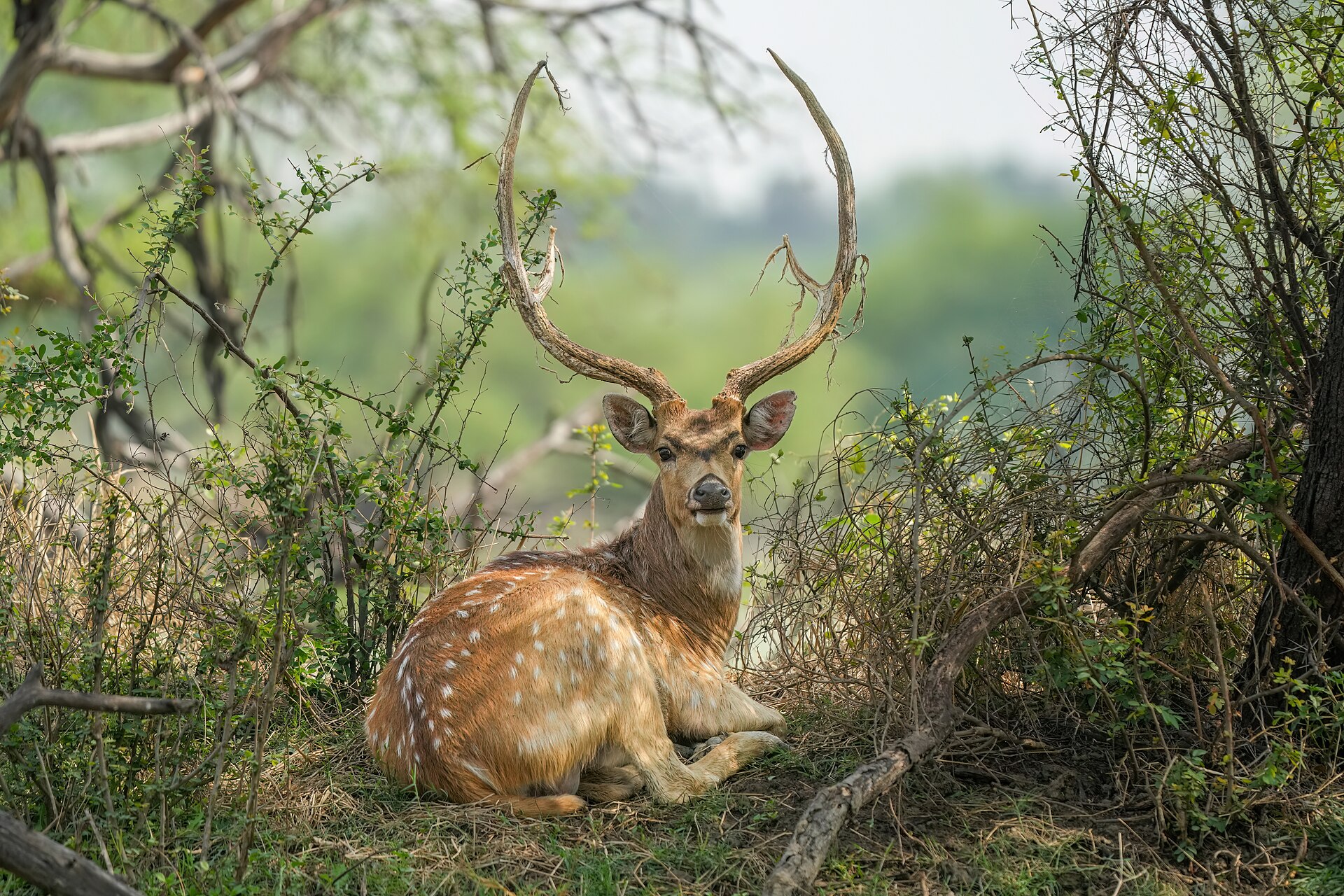
How Close Do Spotted Deer and Sambar Let People Get?
Across 25 locations in Sri Lanka, researchers measured how far away four deer species began to flee from…
Read story →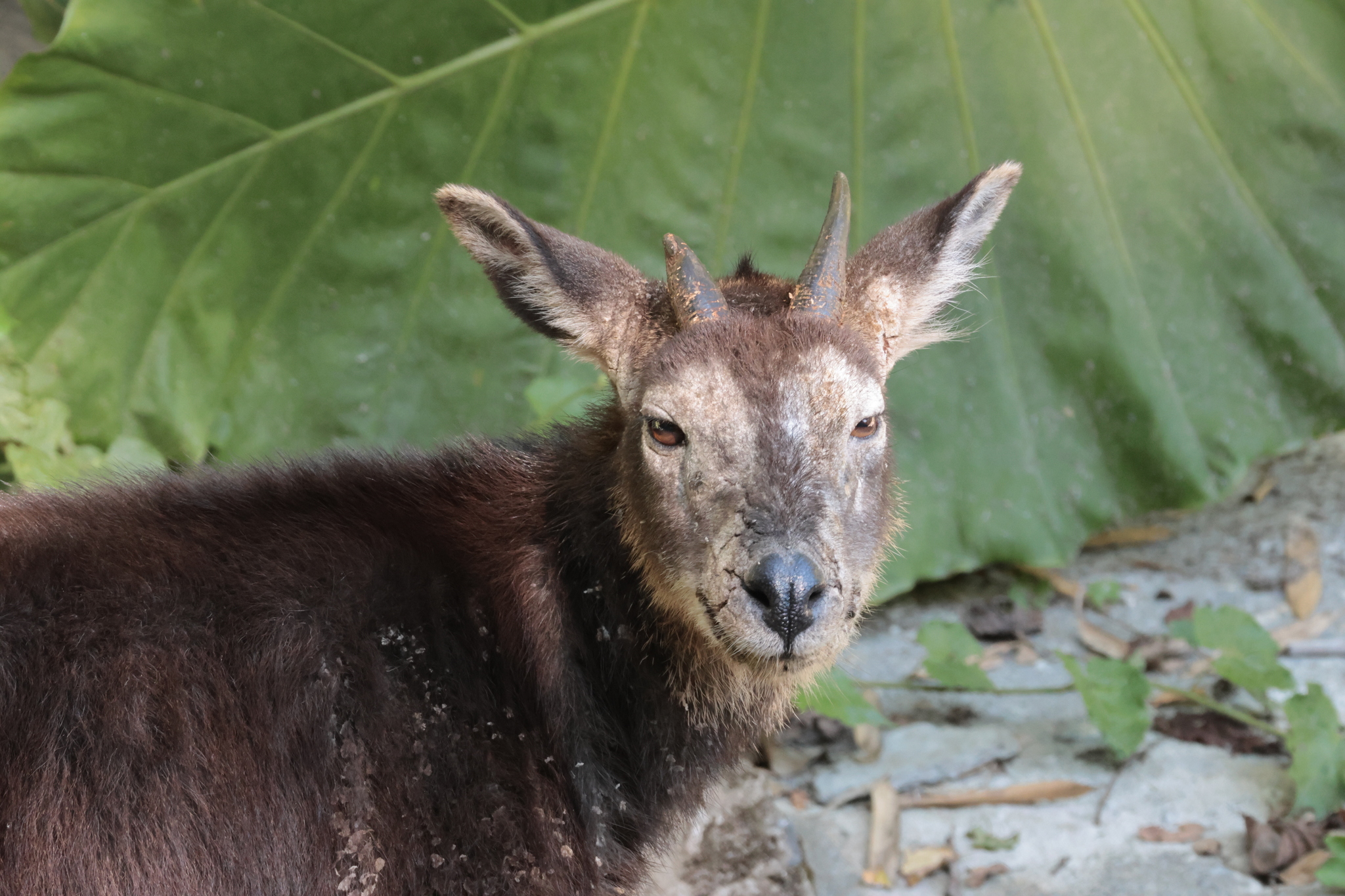
On Taiwan’s Highest Peak, Sambar Graze on Grass while Serow Feed on Conifer Needles
Fecal samples from Mount Yushan showed that grasses and grass-like plants made up 73.3–80.3% of plant fragments in…
Read story →
Human Activity and Large Wildlife Overlapped Most in Chitwan’s Buffer Zone
Camera traps across Chitwan National Park and surrounding forests showed the greatest overlap of human activity with large…
Read story →SPECIES IN THIS STORY
Species in this story
Independent research and conservation news archive
Did you find this information useful?
Wildlife Vagabond is independently built and maintained. Voluntary support helps cover source verification, hosting and continued work on research and conservation news.
Support Wildlife VagabondThe news archive will remain freely available.