
Camera Traps Estimated 0.13–0.33 Coyotes per km² Across Three Indiana Regions
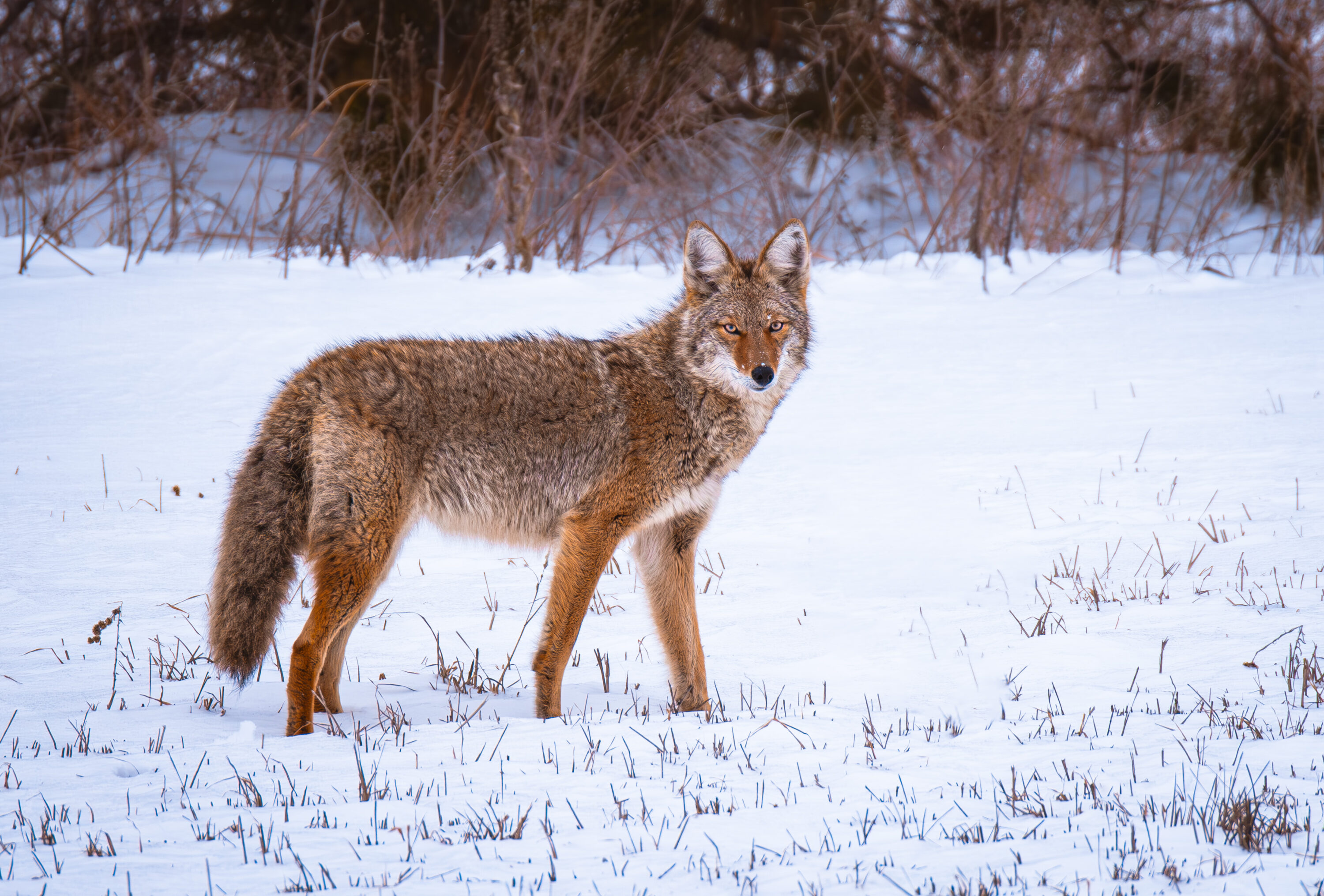
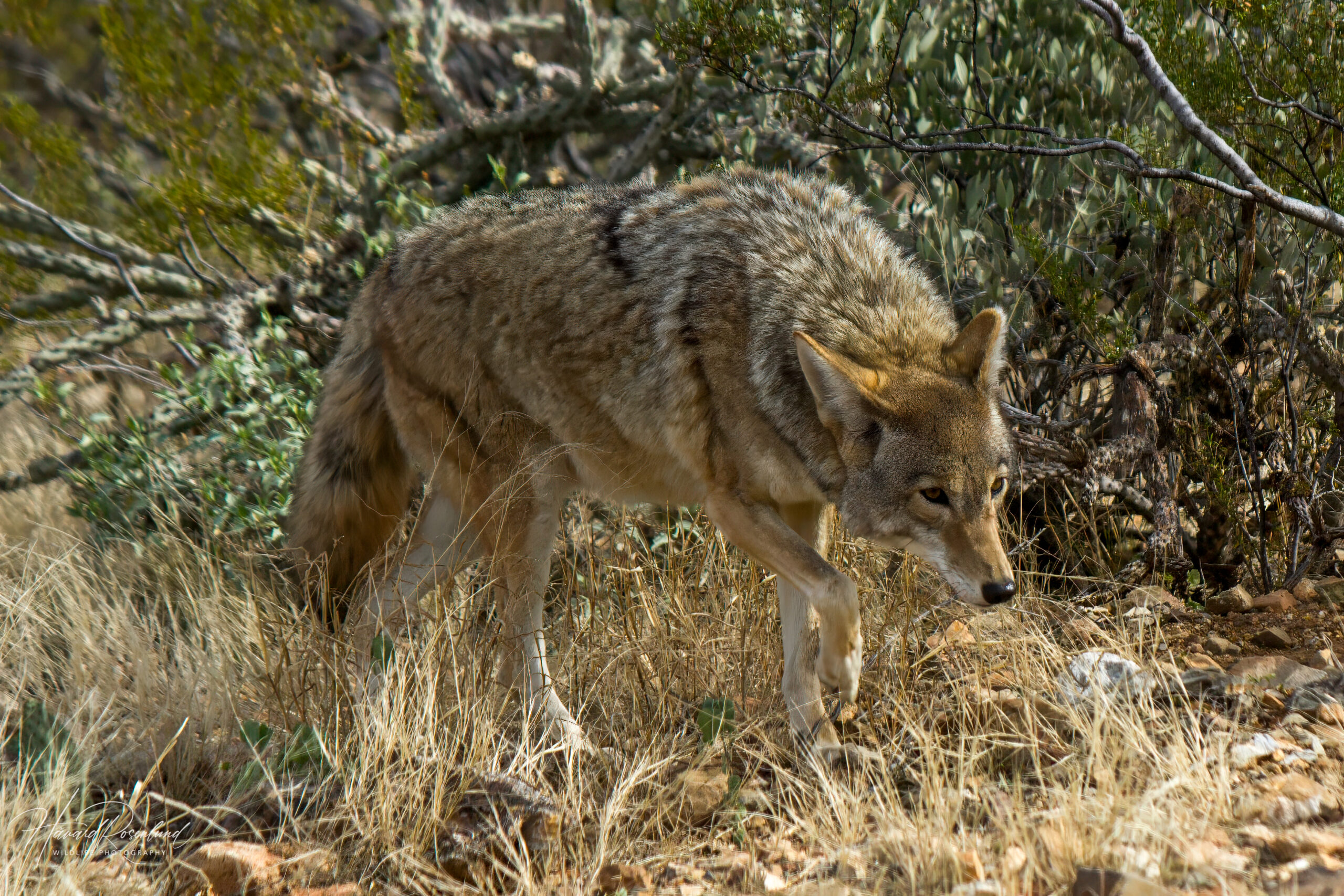
Camera-trap surveys across three large regions of Indiana estimated coyote (Canis latrans) densities ranging from 0.13 to 0.33 animals per square kilometre. The study, first published on 16 April 2026 in Wildlife Biology, used more than 1,000 camera traps to generate regional density estimates for a species whose individuals are difficult to distinguish reliably in photographs.
The cameras were deployed from 2019 to 2021 as part of a broader white-tailed deer (Odocoileus virginianus) monitoring project. Rather than relying on individually recognisable coyotes, the researchers used camera-trap distance sampling, a method that combines the number and position of detections with information about the area effectively sampled by each camera.
Regional density estimates ranged from 0.13 to 0.33 coyotes per km²
The three regional management units differed substantially. Estimated coyote density was 0.13 animals per km² in management unit 3, 0.33 per km² in unit 4 and 0.25 per km² in unit 9. In other words, the estimate for unit 4 was about 2.5 times that for unit 3. Uncertainty around the estimates was broad, reflecting the difficulty of estimating the density of an elusive carnivore from incidental camera detections.
The researchers also compared the density estimates with three regional indicators measured over the same period: the ratio of young to adult female white-tailed deer as an index of deer productivity, the proportion of land devoted to agriculture and development, and records of human–coyote conflict.
The regional ranking matched all three of the study’s predictions. Lower coyote densities occurred in regions with higher deer productivity, more agriculture and development, and fewer reported human–coyote conflicts. The analysis supported a clearly lower coyote density in management unit 3 than in units 4 and 9, while the difference between units 4 and 9 was too uncertain to distinguish clearly.
Three regions cannot establish a coyote effect on deer recruitment
The authors explicitly caution against treating the association with deer productivity as proof that coyotes caused lower deer recruitment. With density estimates from only three regions, they state that the study cannot distinguish causation from other regional differences. They recommend obtaining estimates across more regions and environmental gradients before drawing stronger conclusions about predator effects on deer productivity.
Precision was another limitation identified by the authors. They describe the regional estimates as having mediocre to poor precision, which reduced the study’s ability to distinguish density differences among regions.
Despite that uncertainty, the study demonstrates that large camera-trap networks can produce direct density estimates for unmarked coyotes instead of relying only on harvest records, sightings or relative-abundance indices. The authors suggest that adding spatial environmental variables to future models could improve precision and make the approach more useful for regional wildlife management.
Ecology
Related news
Coyotes Increased Across Illinois Over Four Decades, but County Trends Varied
Four long-running Illinois surveys together showed a statewide coyote increase from 1980–2023, while county-level populations followed more variable…
Read story →
Mange in Coyotes Varied With Urban Density and Habitat Connectivity Across North American Cities
Camera-trap data linked visible mange in coyotes to urban intensity and habitat connectivity at two spatial scales, while…
Read story →
Coyotes Chose Steep Slopes and Stable Soils for Dens in Elk Island National Park
A study of 42 coyote dens in Elk Island National Park found that steep slopes, stable soils and…
Read story →SPECIES IN THIS STORY
Species in this story
Independent research and conservation news archive
Did you find this information useful?
Wildlife Vagabond is independently built and maintained. Voluntary support helps cover source verification, hosting and continued work on research and conservation news.
Support Wildlife VagabondThe news archive will remain freely available.