
Isolated Wild Boar Females Stayed Local After Their Groups Were Removed
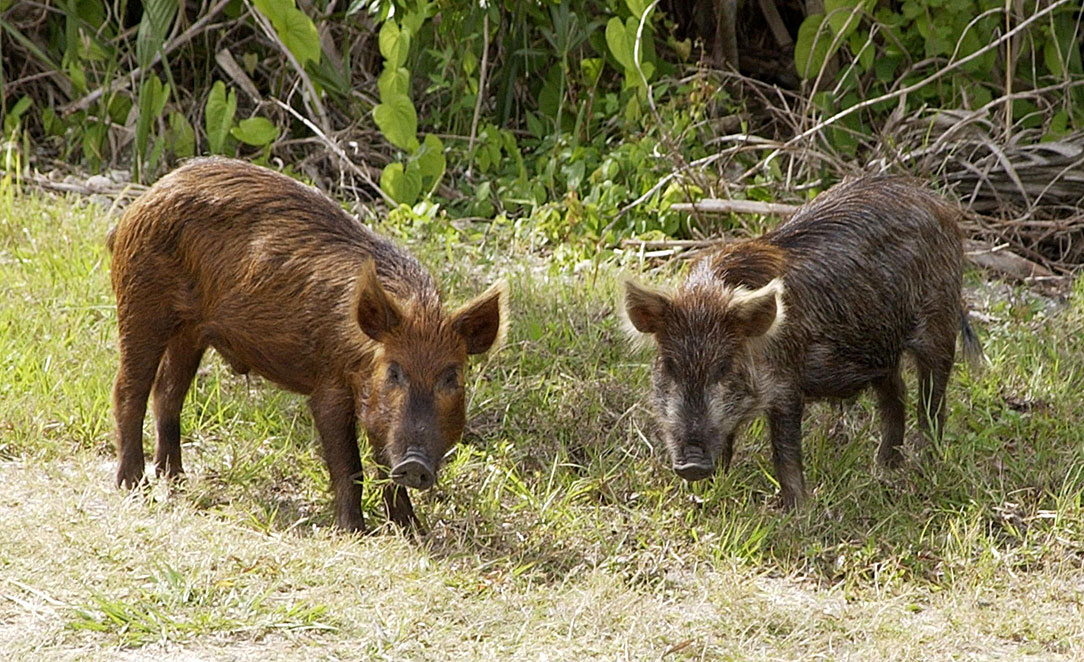
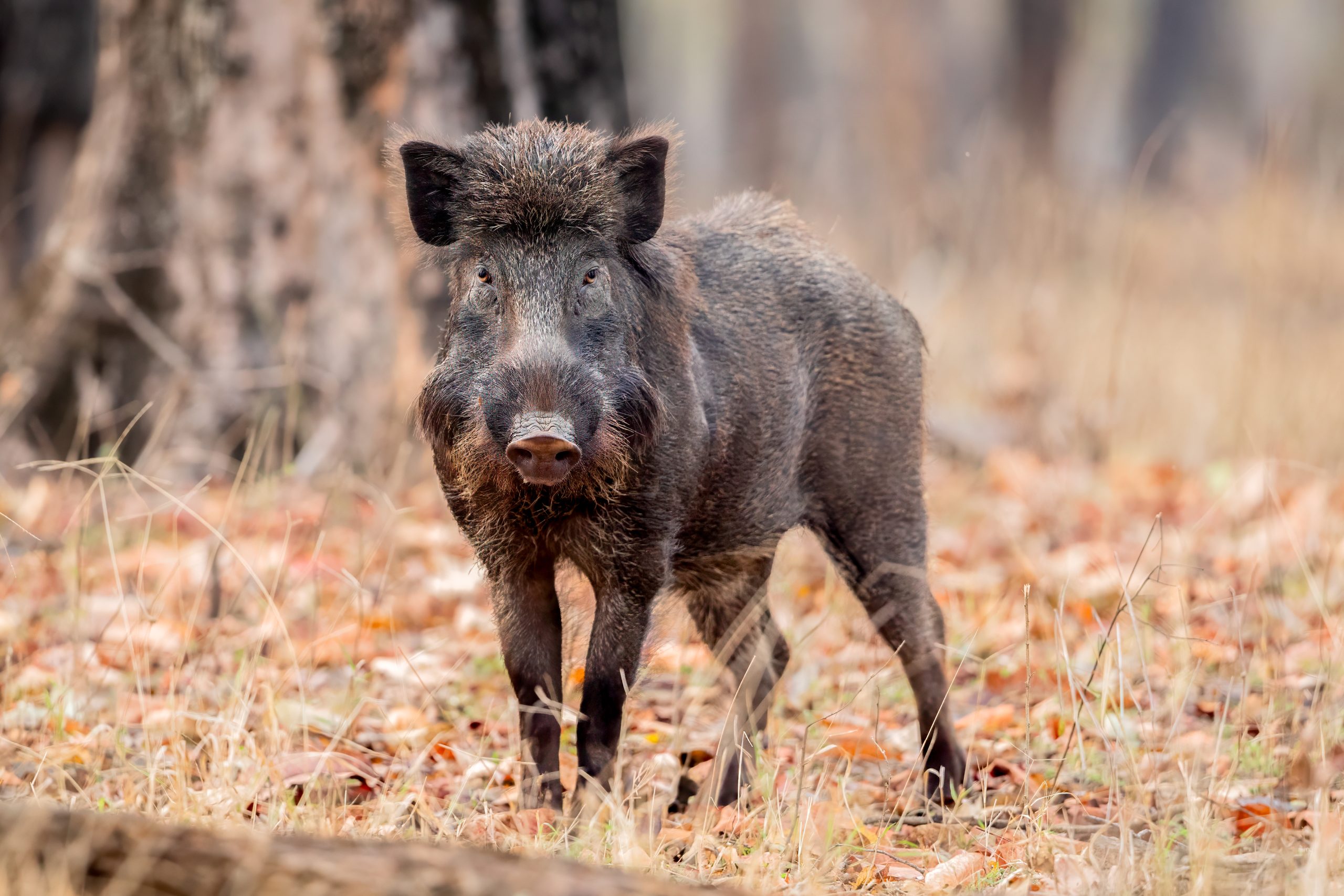
Eighteen adult female wild boar (Sus scrofa) in southeastern Alabama, USA, largely stayed near familiar areas after the rest of their social groups were removed. Rather than dispersing immediately, the isolated females reorganised their movements gradually over the following month, and the pattern depended partly on how many adults had been present in their original groups. The study was published in Movement Ecology on 27 August 2026.
The researchers worked across five counties in Alabama between February 2022 and March 2023. At each trapping event, one adult female from a different social group, or sounder, was fitted with a GPS collar and released while the remaining group members were removed. The collars recorded a location every 15 minutes. The analysis focused on the first 30 days after isolation, when the original sounders had contained between two and 18 animals.
GPS tracks revealed six movement patterns
Instead of treating every GPS movement as the same kind of activity, the researchers used the shape of the movement tracks to infer six broad movement states: encamped, round-trip, partial trip, ranging, wandering and exploring. These categories describe spatial patterns rather than directly observed behaviour. For example, encamped movement consisted of short, localised movements around a focal area, whereas wandering and exploring represented less constrained outward movement.
Broad dispersal remained uncommon
Local and structured movements dominated. After the first day, encamped movement accounted for about 26–34% of classified daily movement time, while ranging generally represented about 28–35%. Partial trips made up around 18–25% during the middle and later parts of the monitoring period. By contrast, wandering was uncommon during the first week, and exploring was almost absent early on before beginning to appear around day 15.
The composition of the original sounder affected how these changes unfolded. Females from groups with a high proportion of adults spent more time in encamped movement early after isolation. That difference weakened with time, and these animals gradually shifted toward partial trips, wandering and exploration. Females from sounders with fewer adults showed less structured movement earlier, but became more locally constrained later. The researchers found much less support for effects of total sounder size or the proportion of females in the group.
The study therefore points to a staged response rather than a single switch from staying put to dispersing. Exploring and partial-trip movements were most prominent around days 16–25, while broad dispersal-like behaviour remained relatively uncommon overall. The authors suggest that familiarity with the landscape and spatial memory may help explain why animals from adult-rich groups were especially site-faithful at first, although the study could not confirm whether their post-trapping paths overlapped their exact pre-trapping home ranges.
The result comes from a small sample of adult females
There are important limits to how far the result can be generalised. The sample consisted of only 18 adult females, 12 of which were monitored for the full 30-day analysis period, so the findings are evidence of a biological pattern rather than precise population-wide estimates. Males and younger animals may respond differently. The movement states were also inferred from GPS trajectories rather than observed directly, and the study did not test whether some animals dispersed after the first month.
Even with those limits, the central pattern was clear: the isolated females tended to remain local rather than scatter widely after their sounders disappeared. The authors note that this combination of site fidelity and gradual outward probing can matter for both follow-up control and disease dynamics, because animals that remain near a familiar activity centre may still maintain local contacts even when broad dispersal is limited.
Behaviour
Related news
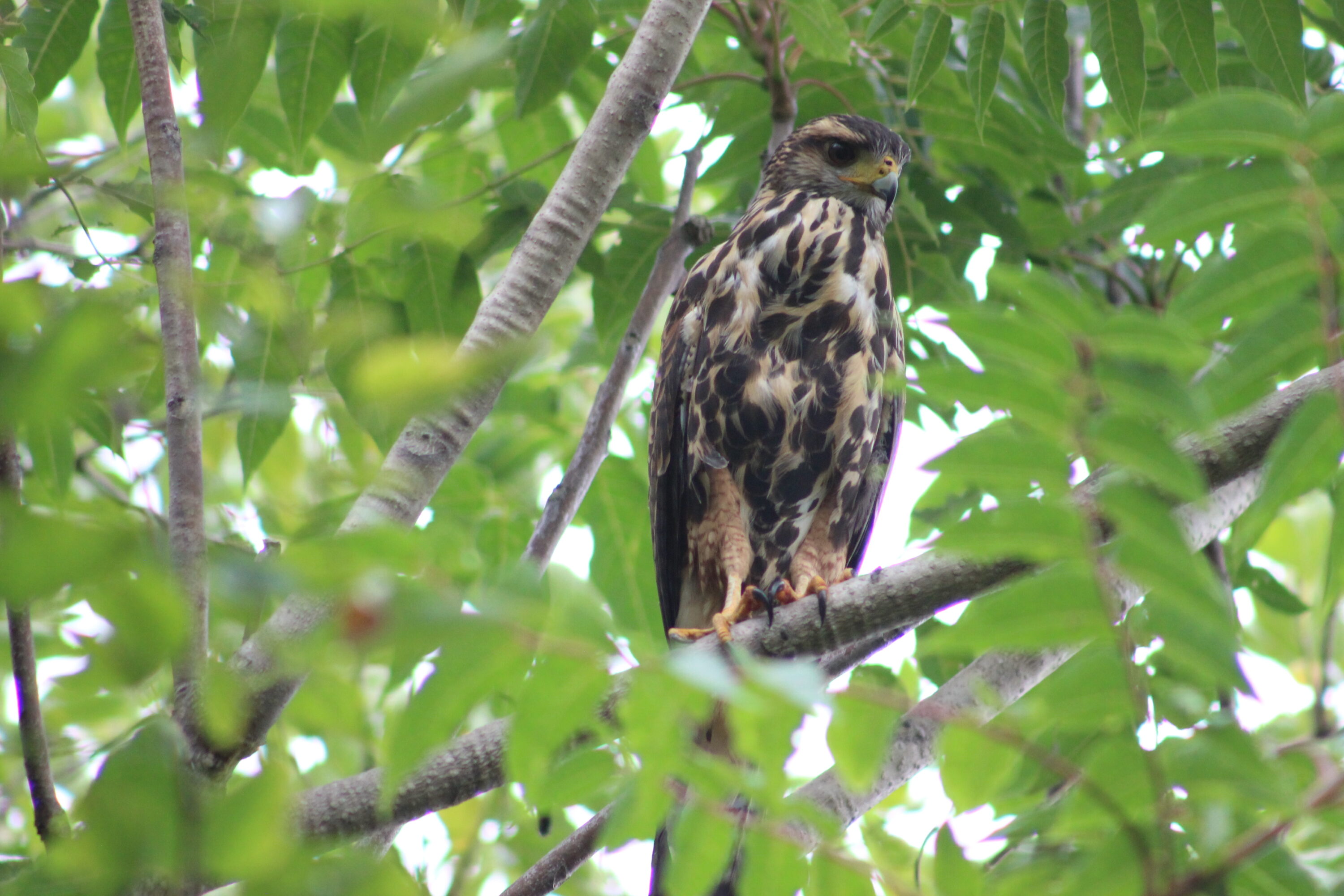
Juvenile Harris's Hawks Manipulated Pine Cones for About Five Minutes
Two juvenile Harris's hawks in Buenos Aires Province tore pine cones from trees, carried them to new perches…
Read story →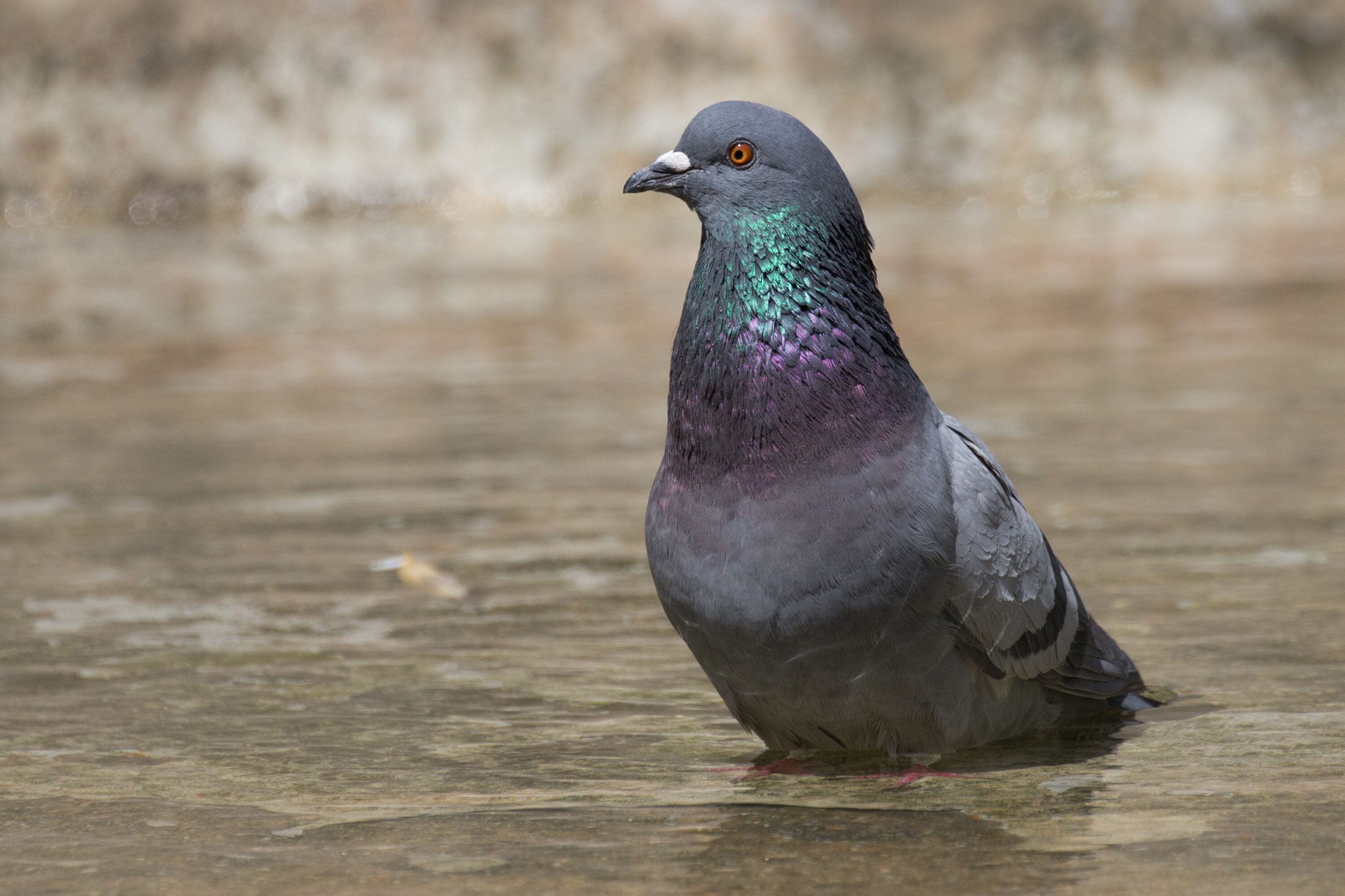
Rock Doves Preferred Predictive Information Despite a Lower Food Payoff
Seven rock doves preferred an informative option that paid on 20% of trials over a non-informative option that…
Read story →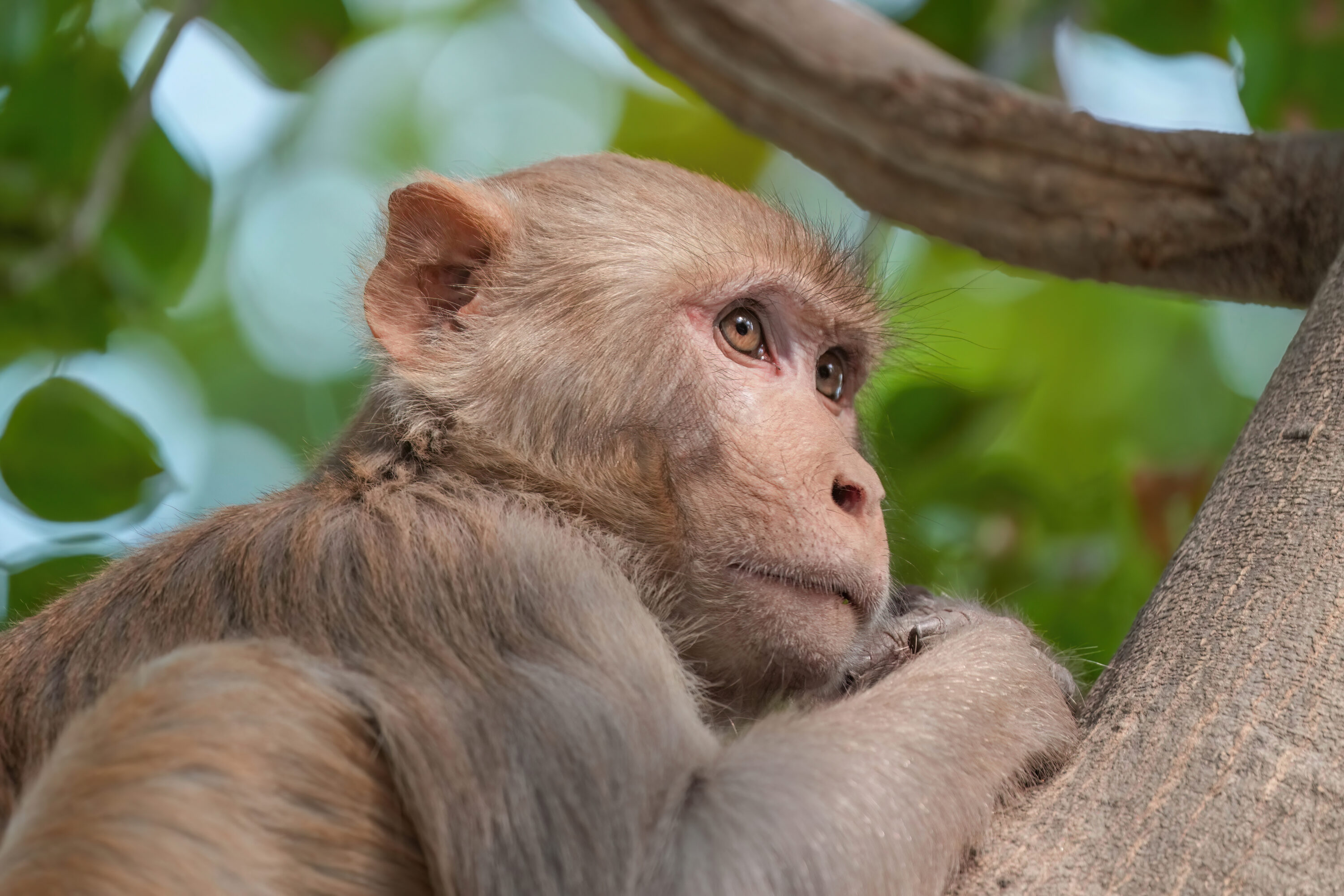
Task Uncertainty Increased Interference From Irrelevant Visual Information in Rhesus Macaque Decisions
Two rhesus macaques made less accurate visual decisions under task uncertainty; recordings and microstimulation in primary visual cortex…
Read story →SPECIES IN THIS STORY
Species in this story
Independent research and conservation news archive
Did you find this information useful?
Wildlife Vagabond is independently built and maintained. Voluntary support helps cover source verification, hosting and continued work on research and conservation news.
Support Wildlife VagabondThe news archive will remain freely available.