
Apparent Adult Survival in Kentish Plovers Was Lower in the Years After the Prestige Oil Spill
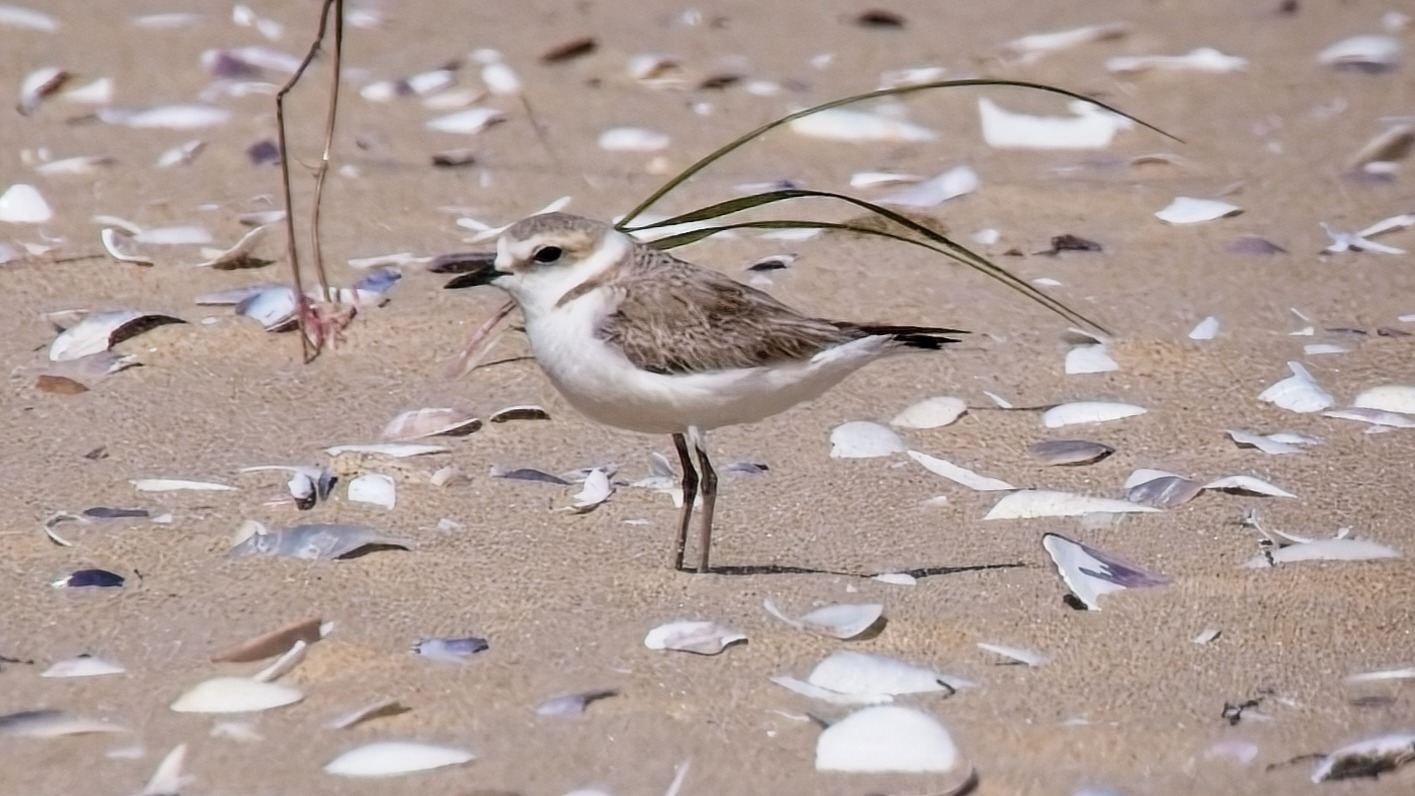
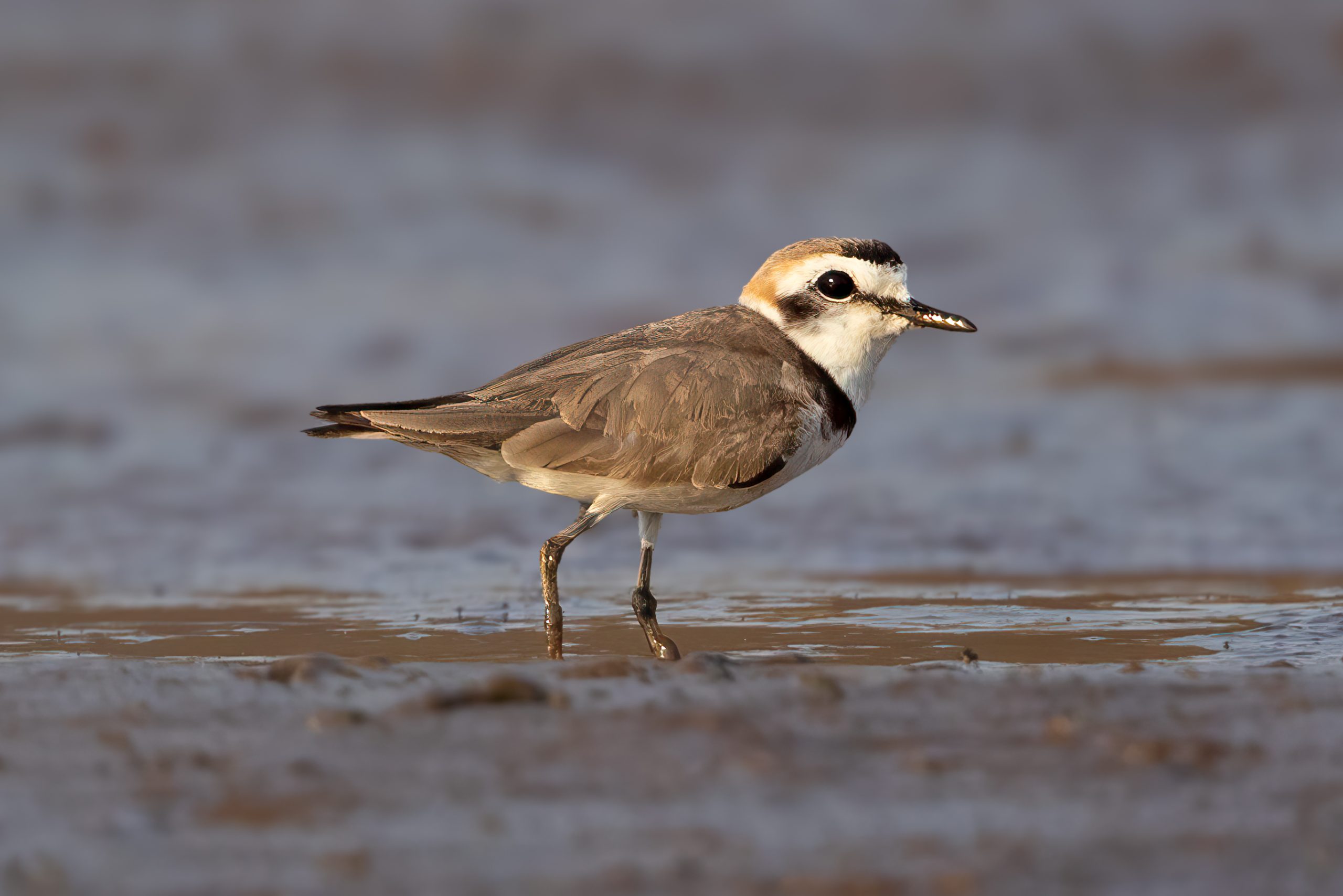
Nearly 30 years of monitoring of Kentish plovers (Anarhynchus alexandrinus) in Galicia, north-western Spain, found lower apparent adult survival during the years following the Prestige oil spill. The research, first made public as a preprint in February 2026 and later peer reviewed, analysed 372 adults captured between 1994 and 2023 using live-recapture models. The estimate is termed apparent survival because these data cannot distinguish death from permanent emigration; the authors argue that the large resighting area and high site fidelity should make it a close approximation to true survival.
Estimated annual apparent survival averaged 69%. It was 72% before the spill, 65% in 2003–2007 and 63% in 2008–2015, before rising to 76% in 2016–2023. The best-supported model linked survival to an interaction between precipitation and the periods defined around the Prestige spill, with the strongest reductions in the first two post-spill periods. Higher precipitation was associated with lower survival overall, although that relationship changed in 2016–2023; wind showed no significant effect.
The study found a long-term association, not direct mortality
The study did not document direct mortality of Kentish plovers immediately after the 2002 spill. The authors instead point to longer-lasting sublethal and indirect effects. Earlier work on the same population found partially oiled breeding birds in 2003, elevated polycyclic aromatic hydrocarbons in eggs from 2004 to 2007 and reproductive effects lasting several years. Beach macrofauna also declined after the spill, which the authors suggest probably reduced food availability. These pathways could help explain the prolonged survival pattern, but the observational study cannot isolate the oil spill as its only cause.
Recapture probability also varied through time and differed between sexes, with males more likely to be recaptured. The authors attribute this mainly to behavioural and detectability differences and emphasise that long-term monitoring is needed to reveal effects that may persist well beyond the immediate aftermath of major pollution events.
Threats
Related news
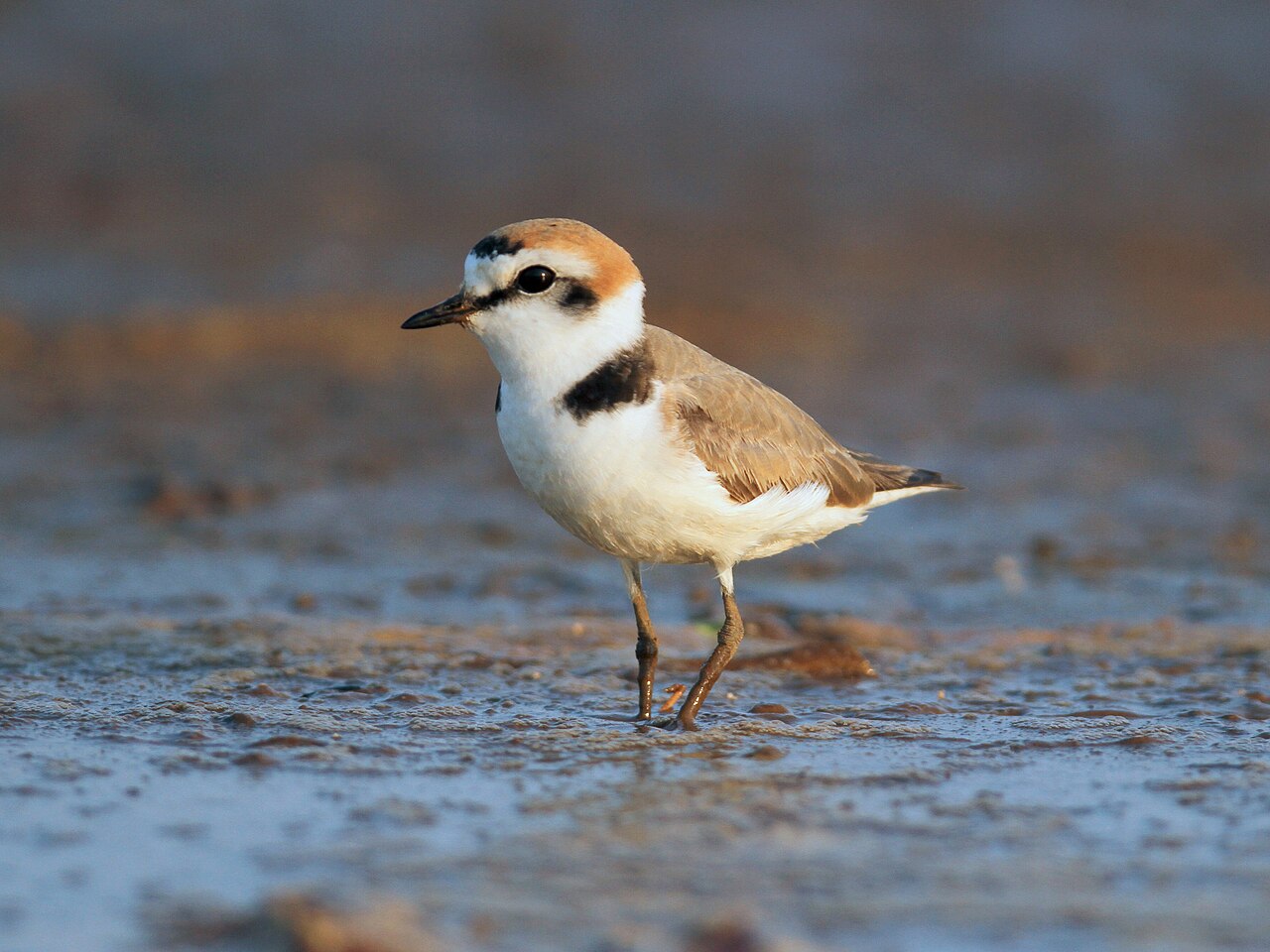
Kentish Plovers Chose More Open Nests as the Season Progressed
On Tunisia’s coast, Kentish Plovers nested increasingly in the open as the season progressed, despite expectations that they…
Read story →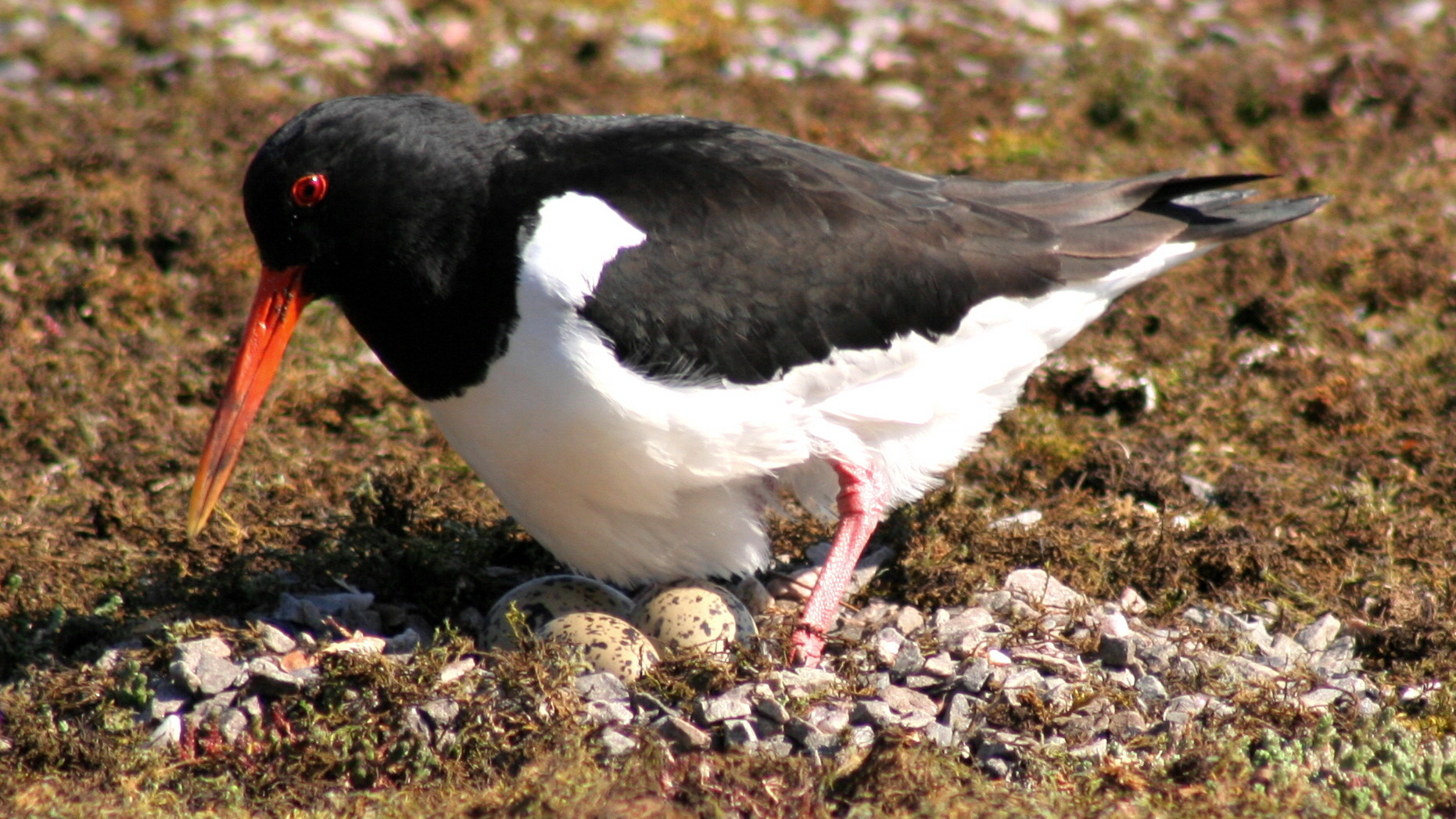
First Eurasian Oystercatcher Nest in Lazio Used an Active Kentish Plover Nest
Italy's first documented Eurasian oystercatcher nesting attempt in Lazio used an active Kentish plover nest and became the…
Read story →
Experts Grouped 34 Stakeholders Into Six Kentish Plover Conservation Roles
A 2026 study at Torre Flavia in central Italy used assessments from 13 experts to group 34 stakeholders…
Read story →SPECIES IN THIS STORY
Species in this story
Independent research and conservation news archive
Did you find this information useful?
Wildlife Vagabond is independently built and maintained. Voluntary support helps cover source verification, hosting and continued work on research and conservation news.
Support Wildlife VagabondThe news archive will remain freely available.