
Kidney Worms Were Found in 38% of Wild Boar Examined in Southwestern South Korea
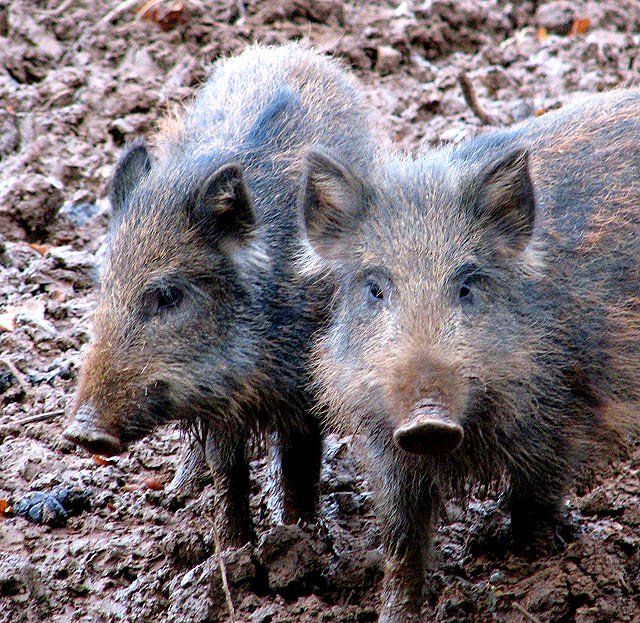
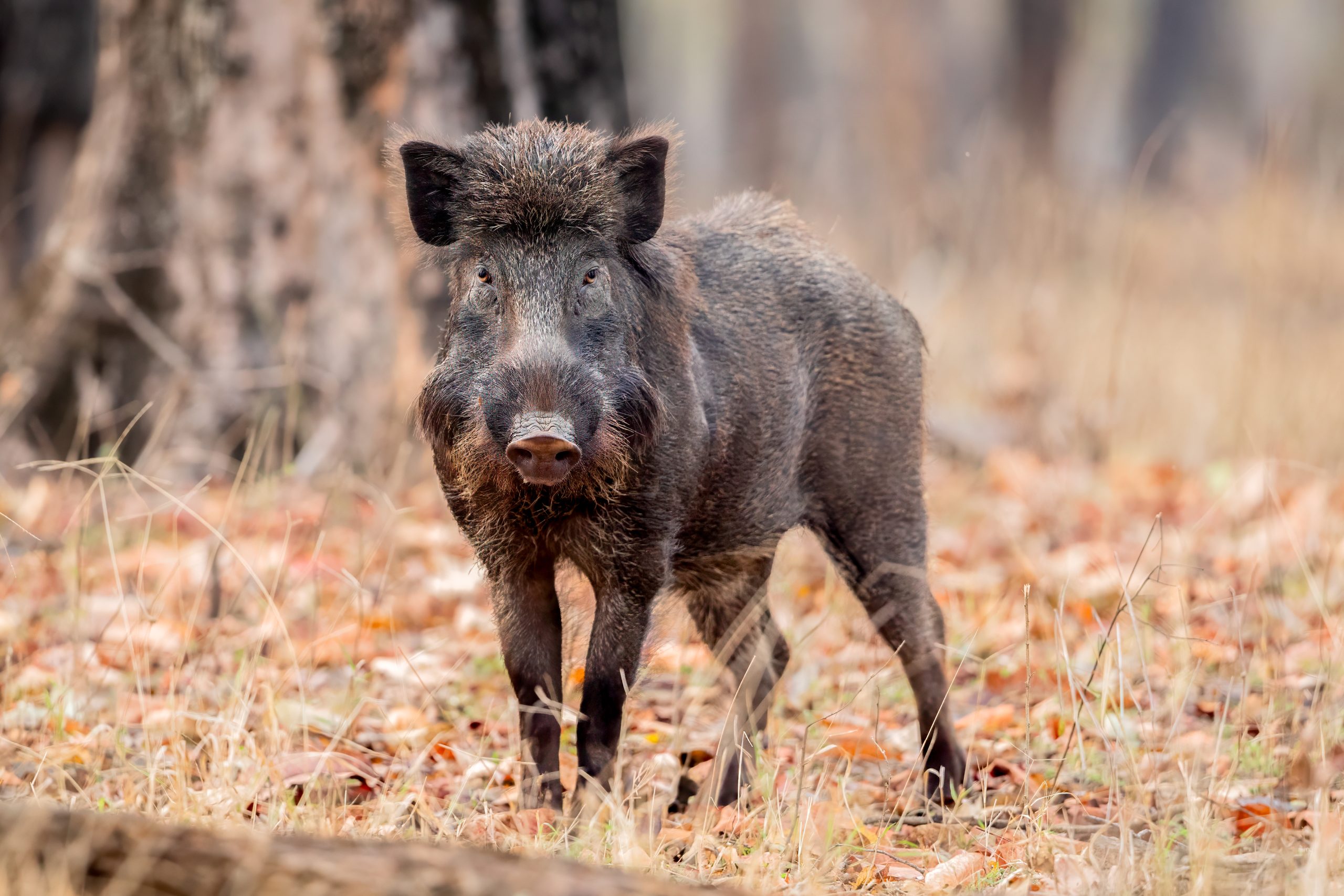
A survey of wild boar (Sus scrofa coreanus) in southwestern South Korea found the kidney worm Stephanurus dentatus in 64 of 167 examined animals, an overall prevalence of 38.3%. Infected animals carried an average of 6.8 adult worms.
S. dentatus is a parasitic nematode whose larvae migrate through tissues before the adults settle around the urinary system. In domestic pigs, migrating larvae and heavy infections can damage the liver and other tissues, although this study did not determine how much disease the parasite caused in the sampled wild boar.
The animals were examined between 2009 and 2019. Researchers dissected the kidneys, ureters and surrounding fat and recovered 438 adult worms.
Males and females had similar infection levels
Infection was detected in 40.7% of males and 35.5% of females, with no clear difference between the sexes. The mean worm burden was likewise similar: infected males carried 7.0 worms on average and infected females 6.6.
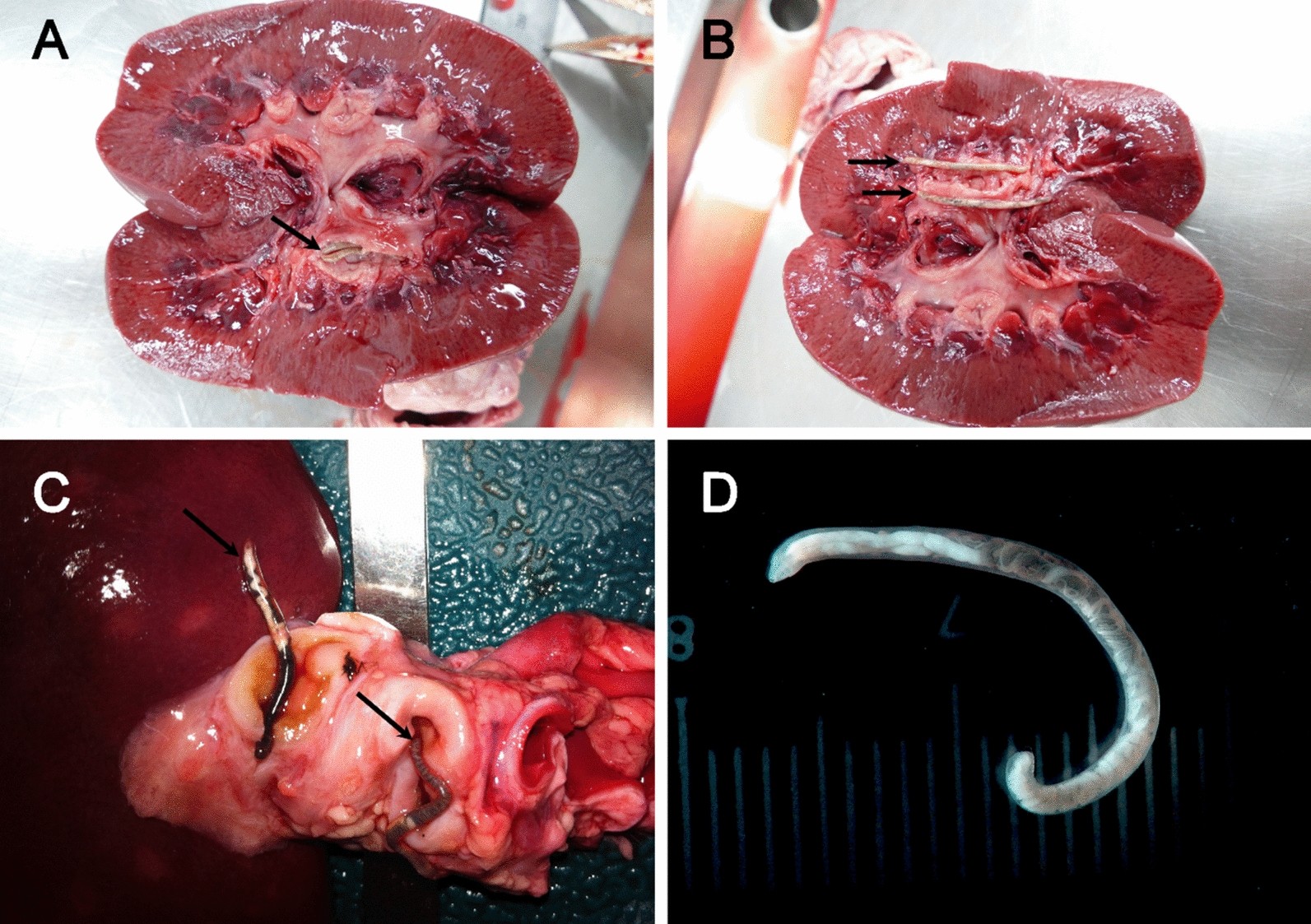
Kidney worms occupied several urinary tissues
The parasites occurred in the renal pelvis, around the kidneys and in the ureteral wall. S. dentatus eggs are shed mainly in urine, and infective third-stage larvae can enter a new host through the skin, contaminated food or water, or after being ingested in earthworms that act as transport hosts. The larvae then migrate through tissues before adults settle around the urinary system. This life cycle helps explain why examining only the kidney lumen can miss infections in surrounding fat and ureters.
Microscopy confirmed characteristic anatomical features of the species. Sequencing of the 18S rRNA gene — a slowly changing genetic marker often used to compare evolutionary relationships — showed 99.7–99.9% identity with reference sequences. The resulting genetic family-tree analysis supported placement of S. dentatus within Chabertiidae rather than its traditional placement in Syngamidae, and the authors argue that the subfamily Stephanurinae should be reclassified accordingly.
Prevalence did not show disease severity
The study did not collect information on the overall health of the sampled wild boar, so the 38.3% prevalence shows how common infection was but not how much disease it caused in these animals. In domestic pigs, migrating larvae and heavy infections are known to damage the liver and other tissues, but such pathological effects were not evaluated in this wild-boar dataset.
Local prevalence ranged widely, but sample sizes were uneven
Prevalence was 17.9% in Suncheon and 42.1% in Gwangyang. It reached 75.0% in Boseong, while neither of the two animals from Haman was infected. The latter two estimates are especially uncertain because only four animals were sampled in Boseong and two in Haman. The authors therefore describe the geographic pattern as spatially heterogeneous and potentially focal rather than as a precise ranking of regional infection levels.
This is the first epidemiological assessment of S. dentatus in wild boar in South Korea.
Disease, parasites & microbiology
Related news
Maps Show Where Wild Boar Could Thrive and Spread on Jeju Island
Researchers mapped potentially suitable wild-boar habitat across roughly 36% of Jeju Island and identified eight possible corridors linking…
Read story →
Roe Deer and Wild Boar Remained Key Wolf Prey as Diet Shifted Across North-western Italy
From 2021 to 2025, wolves in north-western Italy continued to feed mainly on wild prey. In the Po…
Read story →
Copper levels in wild boar differed across Slovak districts
An analysis of kidney, liver and muscle from 147 wild boar in four districts found that iron and…
Read story →SPECIES IN THIS STORY
Species in this story
Independent research and conservation news archive
Did you find this information useful?
Wildlife Vagabond is independently built and maintained. Voluntary support helps cover source verification, hosting and continued work on research and conservation news.
Support Wildlife VagabondThe news archive will remain freely available.