
Kongsfjorden Eider Breeding Population Has Remained Below 3,000 Pairs in Recent Years
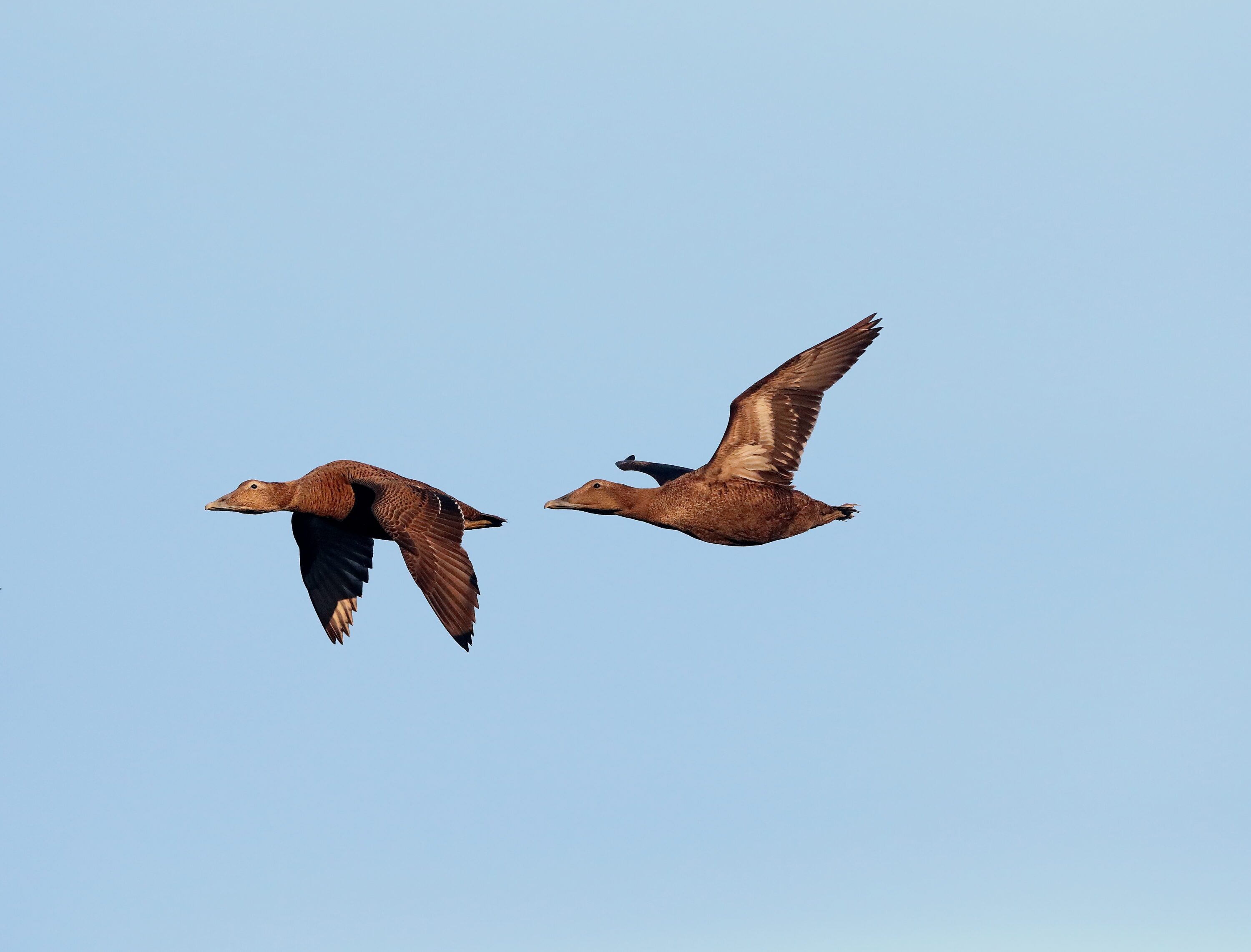
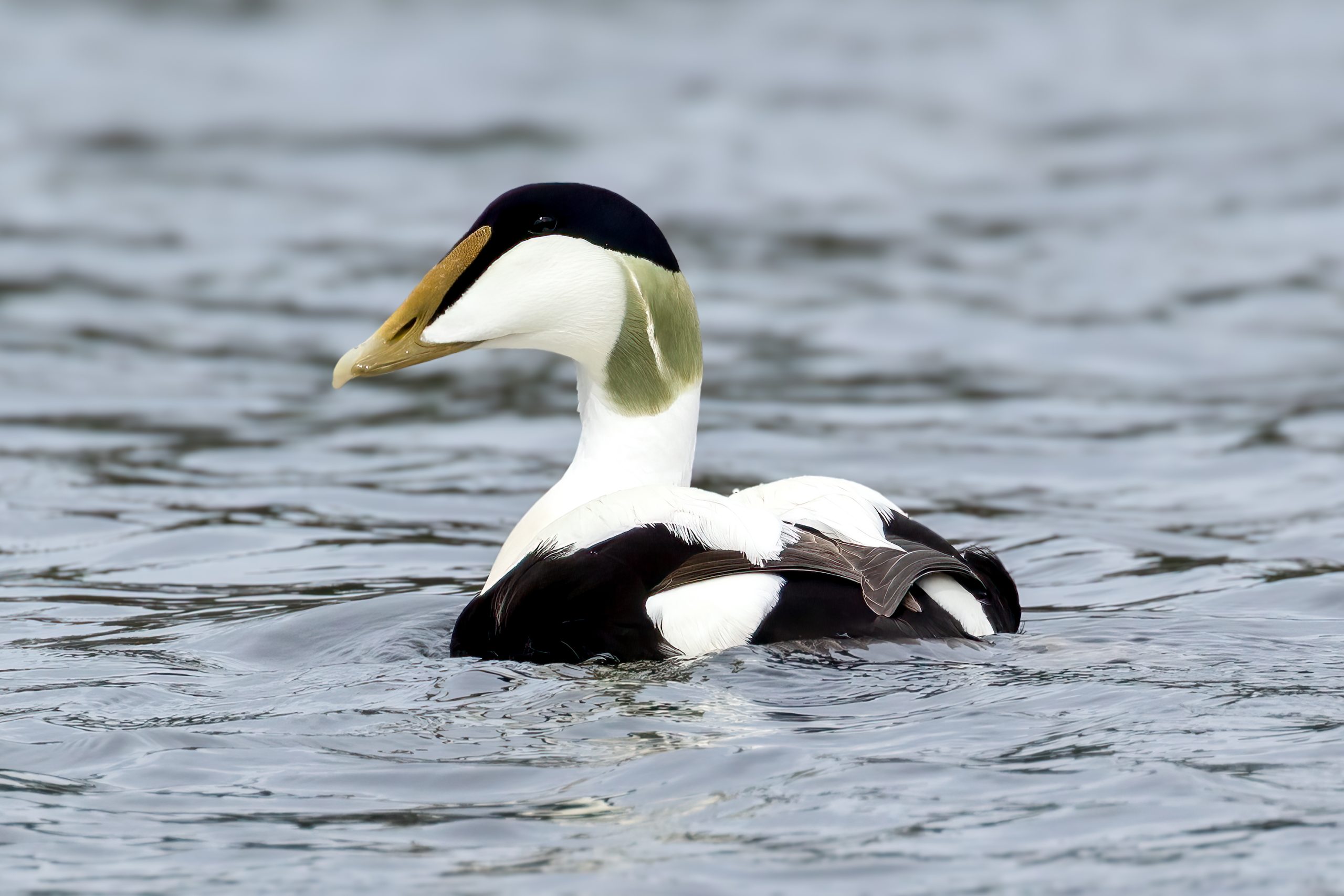
The breeding population of common eider (Somateria mollissima borealis) in Kongsfjorden, Norway, Svalbard, has shown a downward trend since around 2012 and has remained below 3,000 breeding pairs in recent years, according to the Norwegian Polar Institute’s monitoring update published on 7 May 2026.
The long-running series shows a change from earlier decades. Between 1981 and 1997, the number of nesting females in Kongsfjorden generally ranged between 3,000 and 4,000, and from 2000 to 2012 it varied between about 2,500 and 3,500. Because the monitoring is based on nesting females and nests, these counts are used as the measure of breeding pairs. Since 2012, the programme has recorded a gradual decline.
Every island is surveyed once each June
The breeding population is monitored by visiting all islands in Kongsfjorden once during June. Teams of two or three people count nesting females and eggs, covering the eggs with down before moving on. Females generally return to the nest within a few minutes after the count.
The total nest count also includes nests that have already been depredated by polar bears early in the season. This is important because predation can occur before the annual survey and would otherwise make the number of breeding attempts appear lower than it was.
Sea ice no longer explains the recent trend
In the 1980s and 1990s, the amount of sea ice in Kongsfjorden was an important influence on where and how many eiders could breed. In recent years the fjord has generally been ice-free during the relevant period, and the Norwegian Polar Institute states that other factors must now be contributing to the population trend.
Increased predation is one possibility discussed in the monitoring programme. Polar bears have visited breeding islands more frequently, and glaucous gulls can exploit disturbed colonies. In 2018, 2020 and 2022, more than 1,000 nests were recorded as having been depredated by polar bears and glaucous gulls. The monitoring programme also points to conditions in the wintering areas as another possible influence.
The Norwegian Polar Institute emphasises that the causes of the decline still need to be clarified. The current monitoring therefore documents a persistent downward trend rather than attributing it to a single demonstrated cause.
Common eiders are an important part of the Arctic marine food web because they feed heavily on benthic organisms. Changes in their breeding population can therefore also reflect broader changes in coastal Arctic ecosystems, making the long Kongsfjorden time series valuable for continued environmental monitoring.
Population & status
Related news
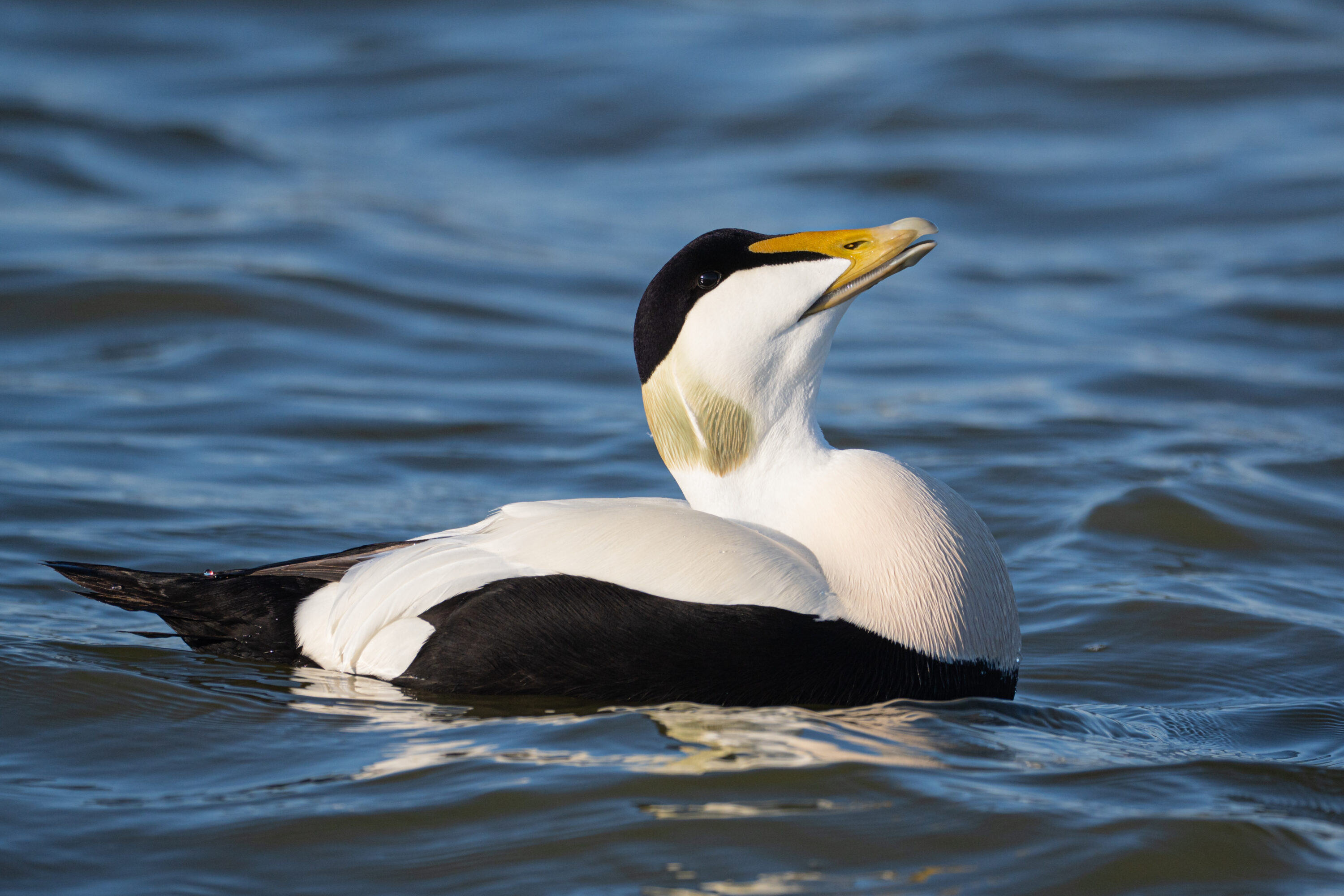
Colour-Banded Eider Linked Nunavut and Iceland More Than 2,800 Kilometres Apart
A male northern common eider banded on East Bay Island, Nunavut, in 2023 was filmed in western Iceland…
Read story →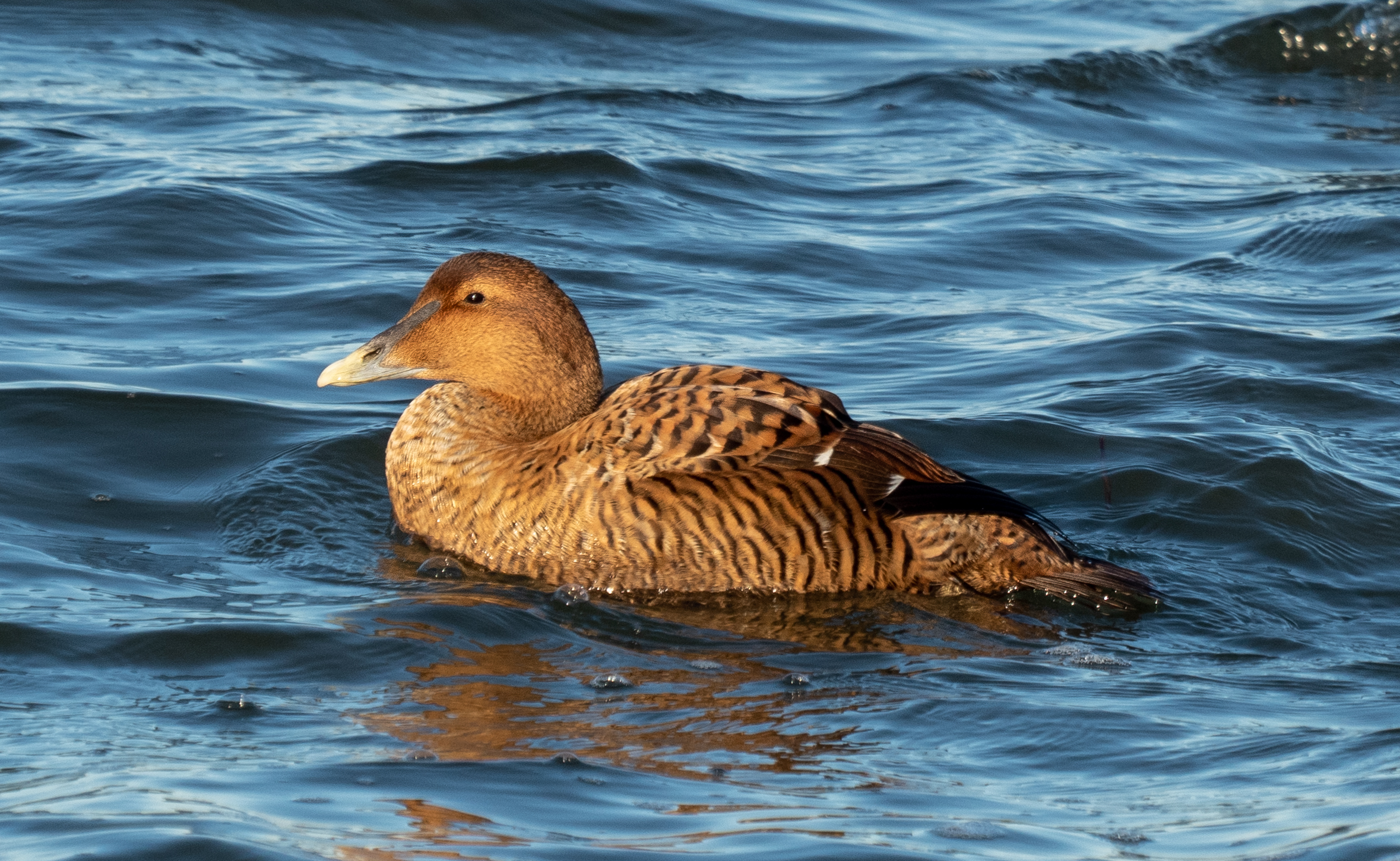
Only About Half of American Common Eider Females Were Estimated to Breed in a Given Year
Satellite tracking of 123 females across Maine and eastern Canada estimated overall breeding propensity at 53%, while regional…
Read story →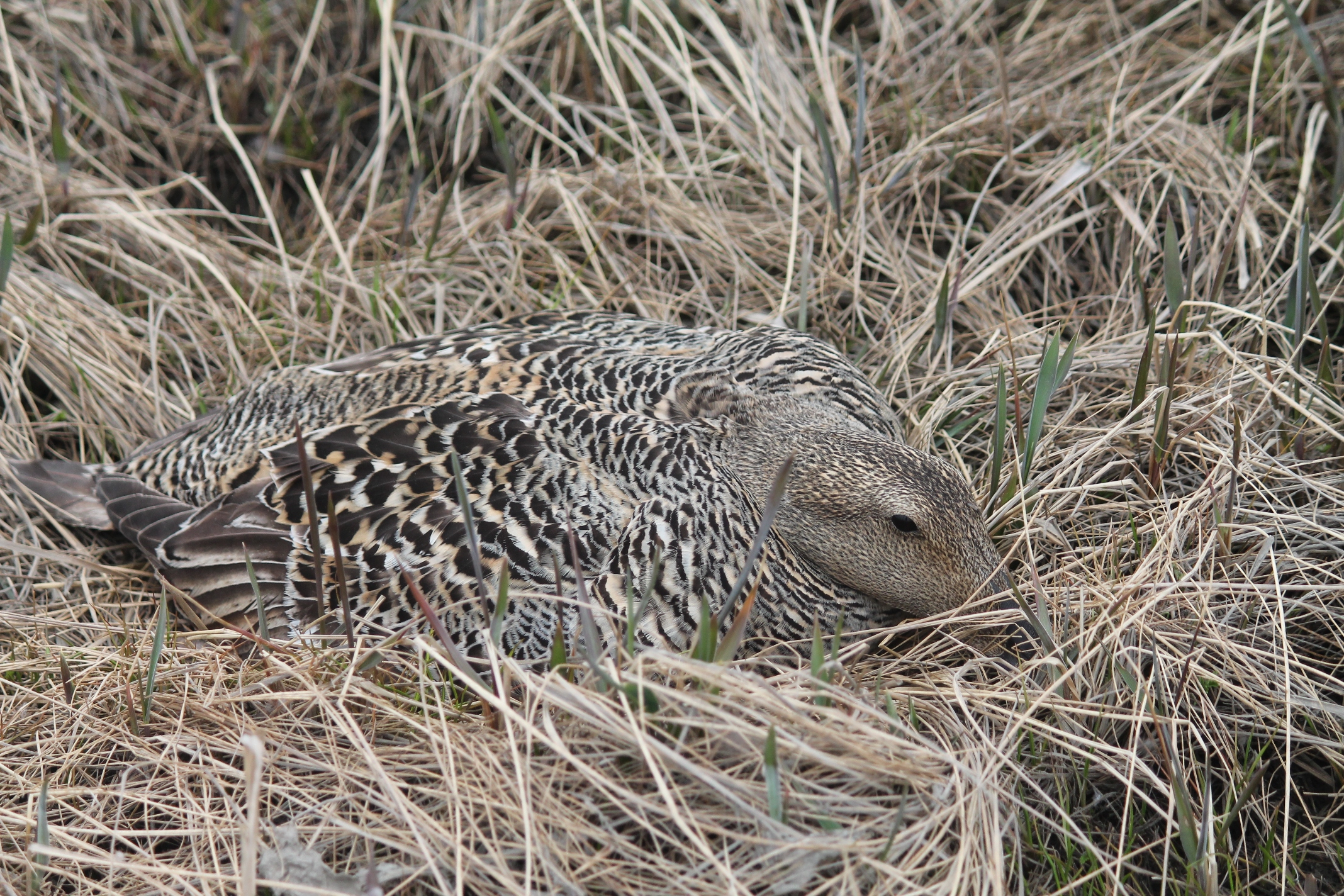
Higher PFOS Was Linked to Lower Egg Temperatures in Finnish Common Eiders
Researchers studied 18 female common goldeneyes and 37 female common eiders in Finland. Higher PFOS was linked to…
Read story →SPECIES IN THIS STORY
Species in this story
Independent research and conservation news archive
Did you find this information useful?
Wildlife Vagabond is independently built and maintained. Voluntary support helps cover source verification, hosting and continued work on research and conservation news.
Support Wildlife VagabondThe news archive will remain freely available.