
Industrial-Site House Sparrows in Kosovo Had Higher Metal Burdens Alongside Blood and Testicular Changes
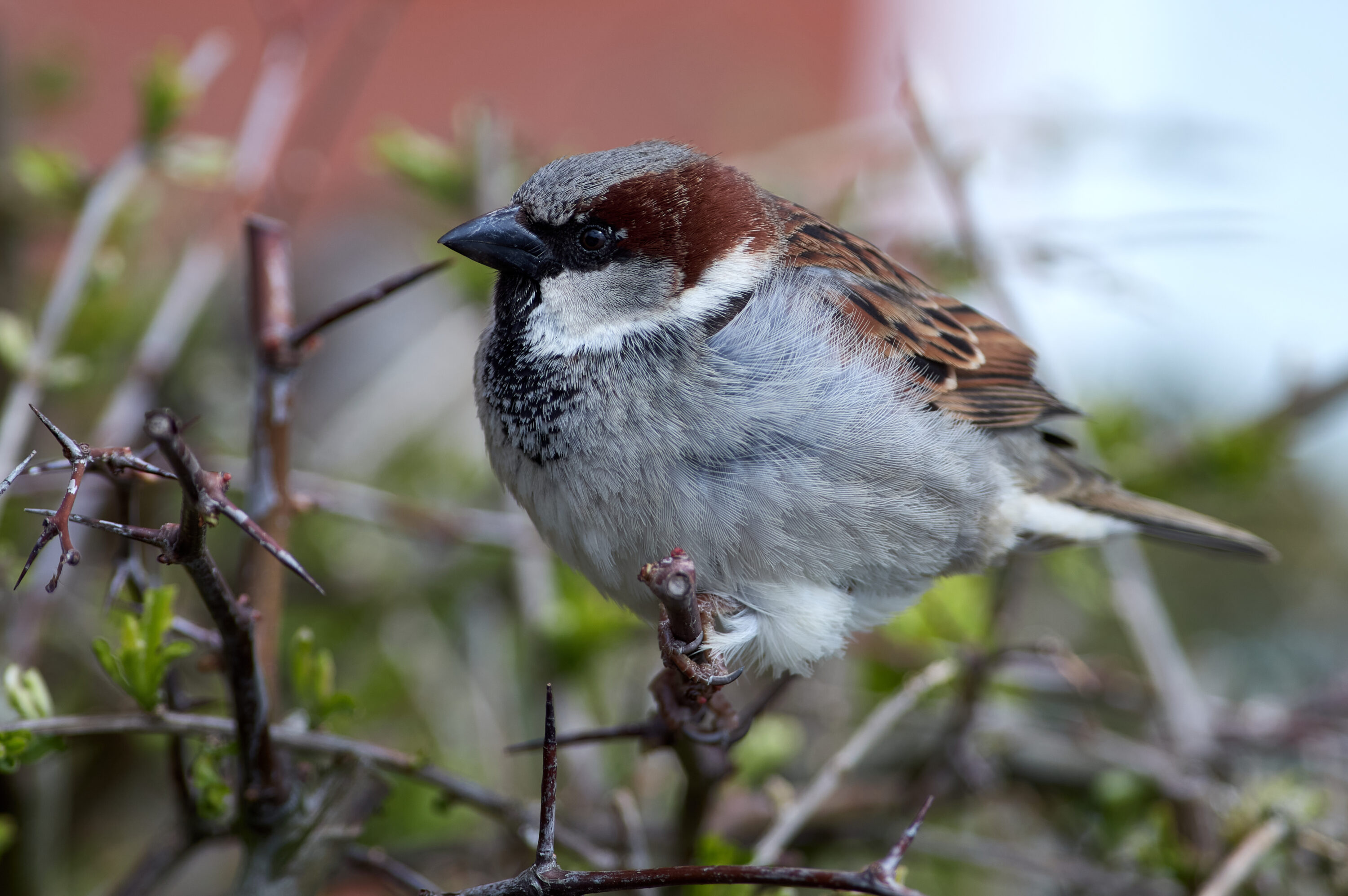
A 2026 paper integrating several biological measures in house sparrows (Passer domesticus) found that birds from the industrial areas of Mitrovica and Drenas in Kosovo carried greater heavy-metal burdens and showed concurrent changes in blood, plasma biochemistry and testicular tissue compared with birds from the rural reference site Ujmir. The analysis covered 60 adult males, 20 from each locality.
The paper draws together measurements from a series of related investigations, with birds from all three localities sampled during the same seasonal period. Researchers measured lead (Pb), cadmium (Cd), copper (Cu), nickel (Ni) and zinc (Zn) in soft tissues and in the femur and tibia, then compared these measurements with hematological parameters, plasma enzymes and testicular histology.
Industrial-site birds carried more lead, cadmium and nickel
Lead, cadmium and nickel concentrations were clearly higher in tissues from the industrial areas than at the reference site. The accumulation pattern varied among metals and tissues. The femur and tibia were especially important as longer-term deposition sites for lead and zinc, reflecting the tendency of some metals to remain in mineralised tissue.
The authors discuss different exposure routes at the two industrial sites. In Mitrovica, they consider ingestion of contaminated food found on soil and pavements, around waste and in surface water — together with small grit particles swallowed by the birds — a likely major route for lead. Airborne uptake may also contribute, but the lead-zinc smelter has been closed since 2000, so the authors regard gastrointestinal exposure as the more likely dominant route under current conditions. Elevated nickel at Drenas is consistent with the area’s nickel-processing industry.
Blood counts and plasma enzymes shifted together
The physiological differences were substantial. Compared with Ujmir, mean red-blood-cell counts were about 25% lower at Drenas and 19% lower at Mitrovica. Hematocrit—the share of blood volume made up by red blood cells—was about one-third lower at both industrial sites. Leukocyte counts moved in the opposite direction and were roughly 50–60% higher; leukocytes are the white blood cells involved in immune and inflammatory responses.
Plasma biochemistry showed a similar site pattern. AST activity was about 2.7 times higher at Drenas and 3.2 times higher at Mitrovica than at Ujmir. AST is an enzyme found inside several tissues, including liver and muscle, and higher activity in blood can indicate cellular stress or damage, although it does not by itself identify which tissue is affected. ALT and ALP activities were also higher at the industrial sites, while total plasma protein was lower. The authors interpret these combined changes as signs of physiological stress involving blood formation and inflammatory and metabolic responses, together with disturbances in liver or other tissue function. They note that capture stress and season can influence leukocyte counts, but sampling was conducted during the same period at all three sites.
Testicular tissue showed degenerative changes
Microscopic examination revealed marked differences in the testes. Birds from Mitrovica showed disrupted seminiferous tubules—the small tubules where sperm cells develop—along with necrosis, enlarged interstitial spaces and desquamation of the spermatogenic epithelium. Some tubules contained few spermatozoa, and germ cells showed apoptosis, a controlled form of cell death, and karyopyknosis, in which the nucleus shrinks and condenses during cell injury. Birds from Drenas showed similar necrotic and degenerative changes, including reduced numbers of germ cells. In contrast, testes from Ujmir retained normally organised seminiferous tubules with well-developed spermatogenic layers and numerous spermatozoa.
The authors interpret the industrial-site histology as impaired spermatogenesis associated with chronic environmental contamination and suggest that prolonged exposure, particularly to lead and cadmium, may reduce reproductive capacity. The study assessed testicular structure and spermatogenesis rather than breeding output directly.
By combining tissue accumulation with blood, biochemical and reproductive-tissue measures, the paper shows why house sparrows can be useful local bioindicators. Their close association with human settlements and relatively limited home ranges allow biological responses to be compared with local industrial contamination, rather than relying on environmental metal measurements alone.
Physiology
Related news

Type A Trichomonas Was More Than Twice as Prevalent in British Birds at Supplementary-fed Sites
Type A of the bird parasite Trichomonas gallinae was more than twice as prevalent in British birds at…
Read story →
Usutu Virus RNA Was Found Nearly Three Times as Often as West Nile Virus RNA in Southern France
Among 2,533 wild birds from 69 species in southern France, Usutu virus RNA was detected in 12.0% and…
Read story →
Six Cavity-Nesting Bird Species Bred Successfully in Artificial Nests in Punjab
Punjab Agricultural University reported successful breeding in artificial nests by six cavity-nesting species, including Indian roller, spotted owlet…
Read story →SPECIES IN THIS STORY
Species in this story
Independent research and conservation news archive
Did you find this information useful?
Wildlife Vagabond is independently built and maintained. Voluntary support helps cover source verification, hosting and continued work on research and conservation news.
Support Wildlife VagabondThe news archive will remain freely available.