
Forest Proximity Raised Predation on Experimental Nests, but Not Real Lapwing Nests
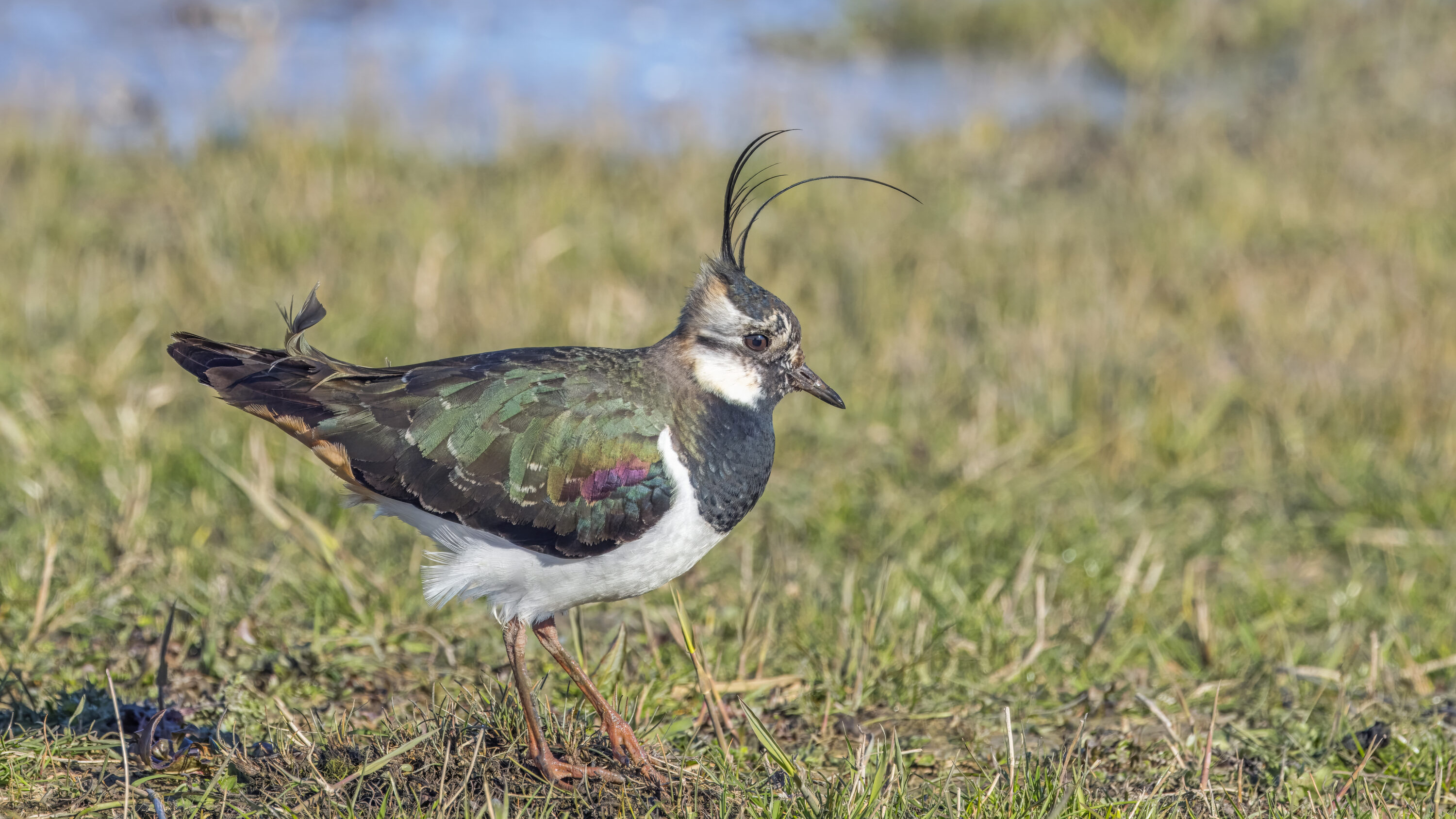
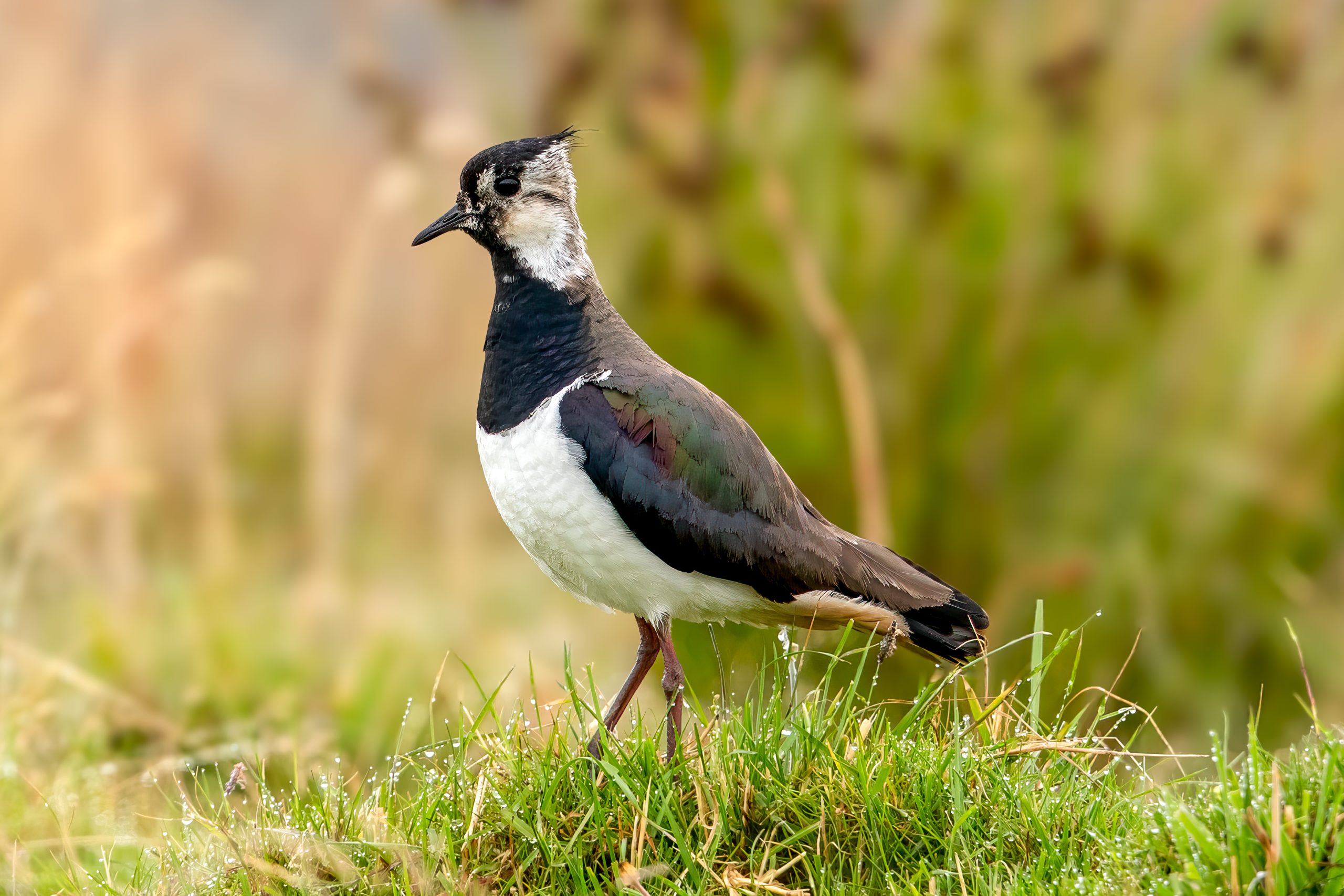
A two-year study in South Bohemia found that predation risk increased close to forest patches for unguarded experimental ground nests, but not for real northern lapwing (Vanellus vanellus) nests. The contrast suggests that the risk revealed by an undefended nest does not translate directly into predation on a nest defended by breeding birds.
The study was carried out around České Budějovice in Czechia during the 2024 and 2025 breeding seasons. Researchers monitored the fate of 317 real lapwing nests and compared them with standardized experimental nests containing three quail eggs.
Experimental nests measured predator pressure along forest-edge transects
The artificial nests were small ground scrapes designed to resemble lapwing nests. Researchers placed them along 28 transects running perpendicular to selected forest edges. In practical terms, each transect was a fixed line extending outward from the forest, with nests placed at standardized distances of 50, 100, 300 and, where possible, 500 metres.
Of 100 experimental nests installed, 89 remained in the predation analysis after nests destroyed by agricultural machinery were excluded. The nests had no parents to defend them, so they provided a standardized measure of local predator pressure rather than a complete simulation of natural lapwing nesting.
Predation rose near forest for experimental nests, but not real nests
Predation reached 96.6% among the experimental nests. Risk increased closer to the nearest forest patch and beside larger forest patches. By contrast, about 24.5% of the monitored lapwing nests were predated, and neither forest distance nor forest-patch size showed a clear relationship with their predation risk.
The experimental nests therefore experienced roughly four times the predation rate of the real nests. The authors interpret this contrast as evidence that breeding lapwings can counter part of the local predation pressure through parental defence and other nest-site or social responses. Real lapwing nests can also benefit from neighbouring breeding birds, whereas the artificial nests were deliberately left undefended.
Parents adjusted defence differently for bird and mammal predators
At 16 lapwing nests, the researchers presented a stuffed carrion crow (Corvus corone), a stuffed European polecat (Mustela putorius) and a vertical wooden log as a non-predator control. The dummies were placed two metres from the nest, and the strongest aggressive response by the attending birds was scored.
Lapwings reacted more aggressively to both predator models than to the wooden control. The spatial pattern differed by predator type: aggression toward the carrion crow was stronger nearer forest patches, whereas aggression toward the polecat was stronger farther from forest.
This predator-specific response is consistent with parents adjusting defence to the kind of threat associated with different parts of the landscape. The study does not show that parental aggression alone caused the absence of a forest-edge pattern in real-nest predation, but it provides a behavioural mechanism that could help breeding lapwings compensate for spatial differences in risk.
The findings also show why experimental nests and real nests answer different ecological questions. Artificial nests can reveal where predator pressure is high under standardized conditions, while real nests additionally reflect parental behaviour and other adaptations of breeding birds.
Behaviour
Related news
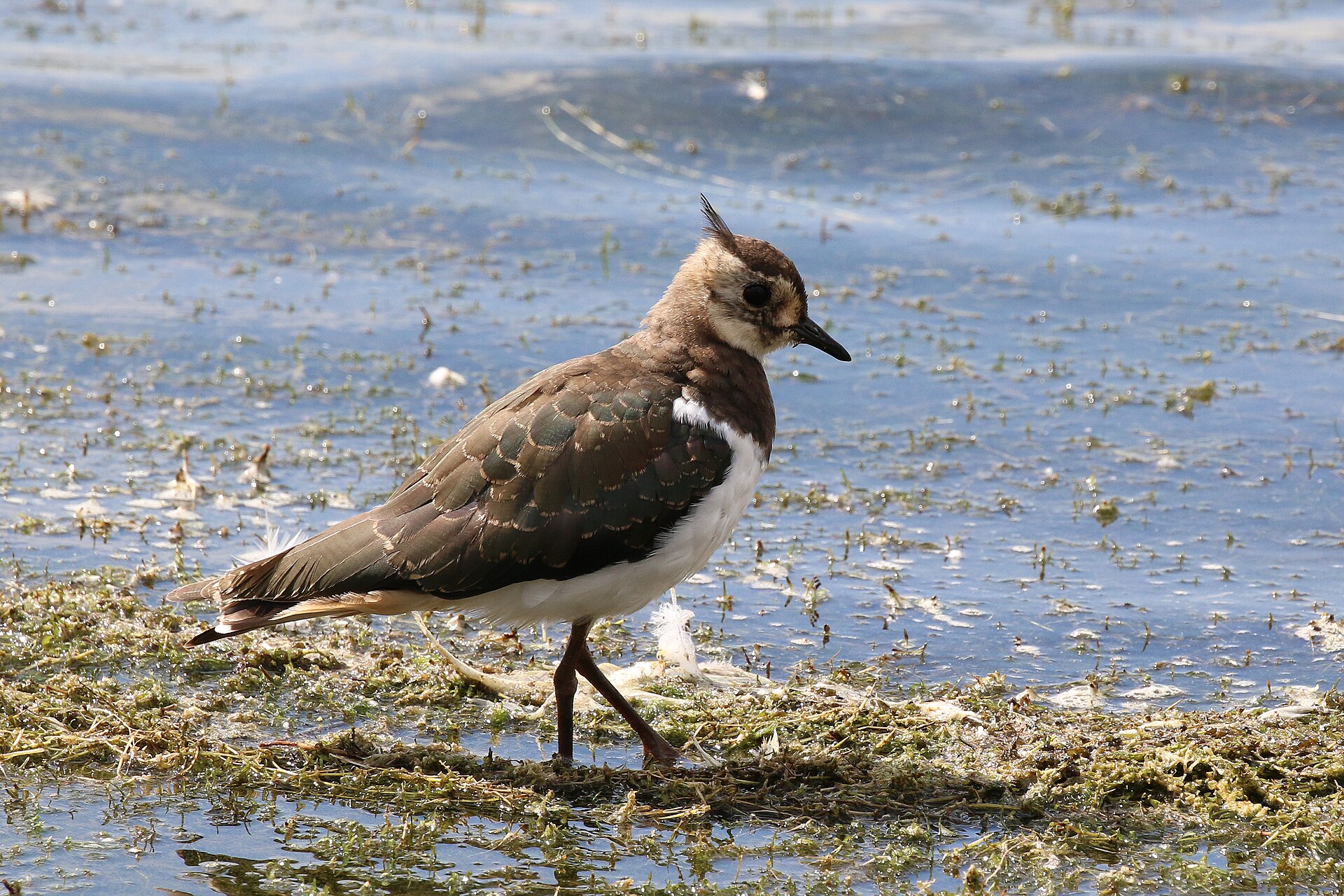
Lapwings Nest Later Further North in Britain, but Oystercatchers Start Earlier
Lapwings and oystercatchers follow different breeding calendars. British nest records show that fixed grazing and mowing dates can…
Read story →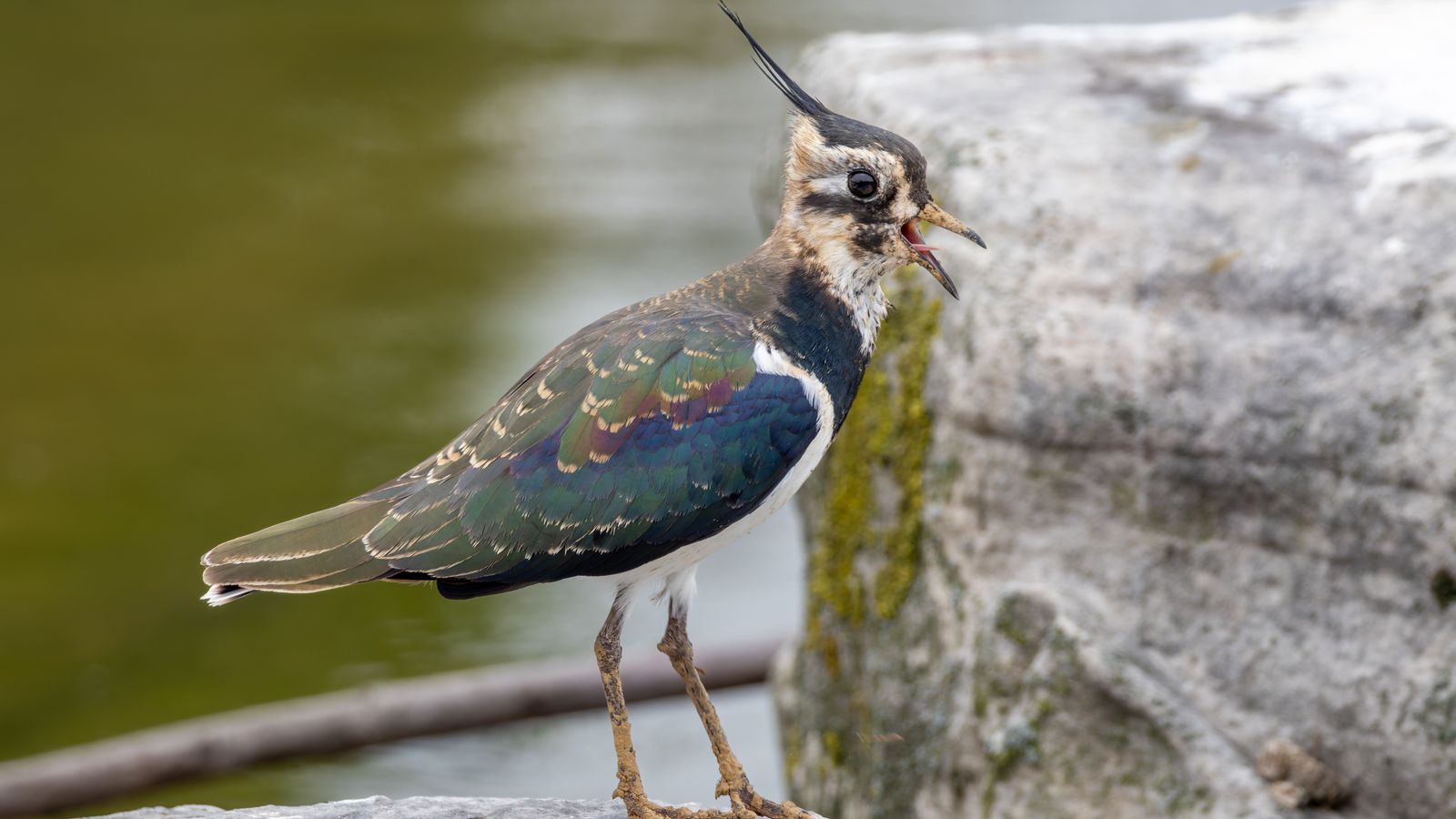
Northern Lapwing Nest Survival Was Lower in Alsace Than in Hauts-de-France
Monitoring of 145 Northern Lapwing nests in two French farming regions found lower nest survival in Alsace than…
Read story →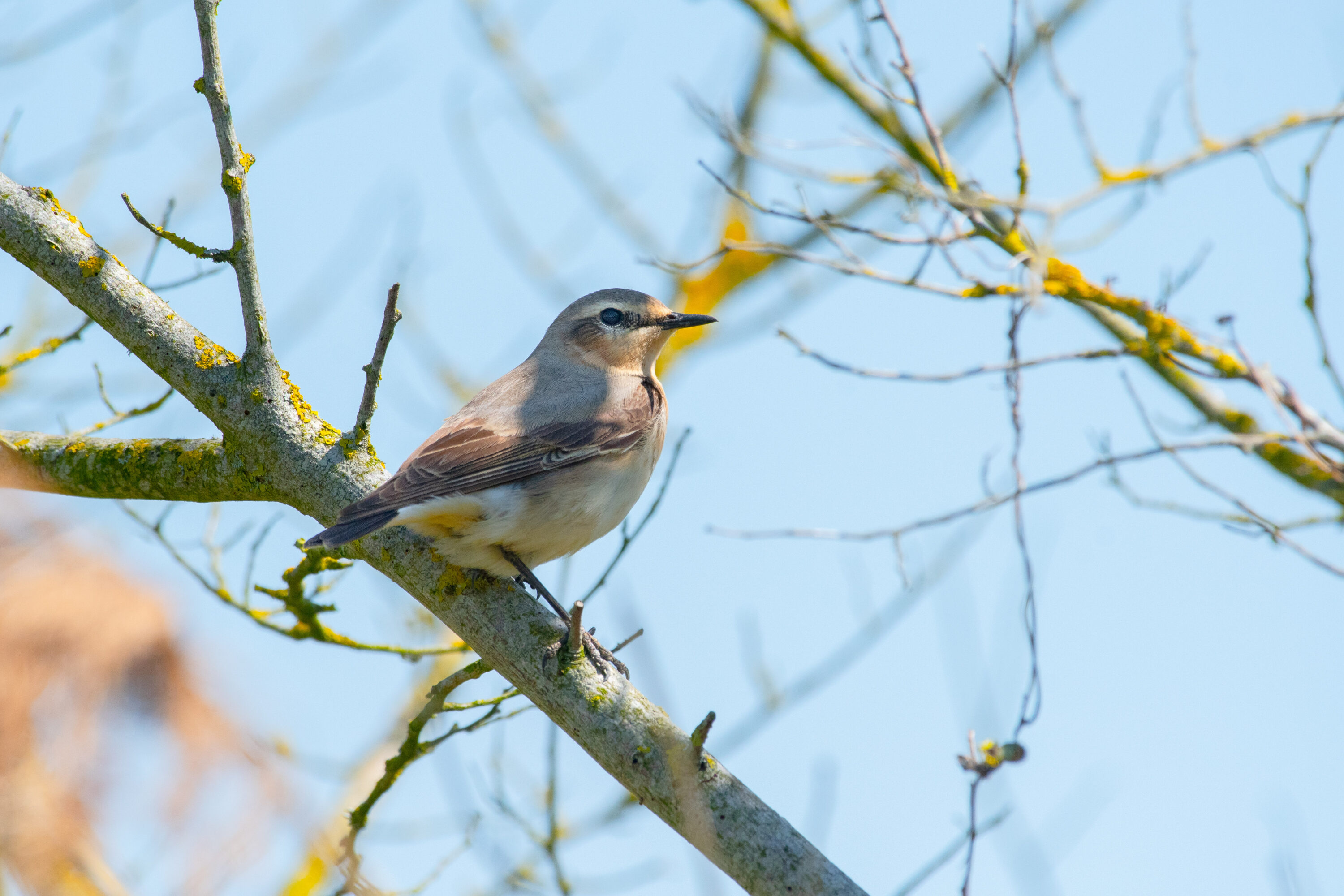
Five of Six Indicator Birds Could Lose Large Areas of Suitable Habitat in Luxembourg
Under the warmer SSP5–8.5 scenario, Red-backed Shrike, Northern Wheatear and Northern Lapwing were projected to lose especially large…
Read story →SPECIES IN THIS STORY
Species in this story
Independent research and conservation news archive
Did you find this information useful?
Wildlife Vagabond is independently built and maintained. Voluntary support helps cover source verification, hosting and continued work on research and conservation news.
Support Wildlife VagabondThe news archive will remain freely available.