
Leucocytozoon Infection Probability Rose From About 20% to 60% in Later-hatching Eurasian Blue Tit Chicks
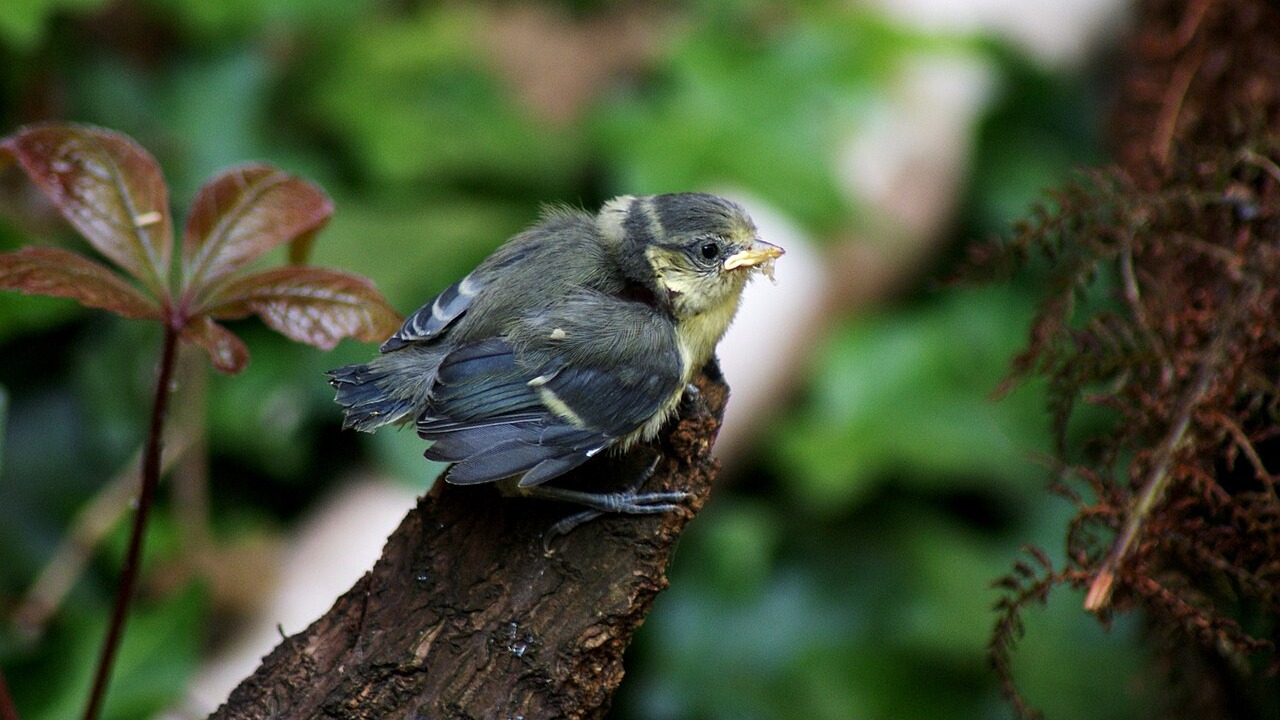
Eurasian blue tit (Cyanistes caeruleus) nestlings that hatched later in spring were much more likely to carry Leucocytozoon blood parasites than early-hatching chicks, according to a Scottish study published on 10 February 2026. The probability of infection rose from around 20% early in the season to around 60% later in spring, and this pattern was independent of whether the birds lived in urban or forest habitat.
Leucocytozoon are haemosporidian blood parasites that cause a form of avian malaria and are transmitted mainly by blackflies. Infections can range from little visible effect to severe disease, so the timing of exposure may matter for nestling condition and survival.
The researchers followed Eurasian blue tits at three forest sites around Loch Lomond and two urban sites in Glasgow over four breeding seasons from 2016 to 2019. They sampled three to four 13-day-old nestlings per nest and screened 320 birds with a newly developed quantitative PCR assay that could distinguish and quantify Leucocytozoon and Haemoproteus.
Almost one-third carried Leucocytozoon
Leucocytozoon was detected in 32.5% of the nestlings. In contrast, only six birds, 1.8%, were infected with Haemoproteus, and no consistent urban–forest difference emerged for Leucocytozoon. Hatch date stood out clearly: later-hatching nestlings had a higher probability of infection in both habitats.
The authors suggest that early-hatching chicks may overlap less with the seasonal emergence of the insects that transmit Leucocytozoon. Because both bird breeding and vector emergence vary with environmental conditions, differences in timing may help explain why previous studies have found inconsistent relationships between urbanization and avian malaria.
Heavy infections were linked to lower body mass
Most infected nestlings carried low parasite loads. Among the 11 heavily infected birds, all from forest sites, birds with higher infection intensity had lower body mass. Across all infected nestlings, however, infection intensity was not detectably related to body mass, and across the full dataset Leucocytozoon prevalence did not explain fledging success.
The study also found that urban nestlings had a lower probability of fledging than forest nestlings, but this difference was not explained by Leucocytozoon infection. The authors therefore distinguish the parasite pattern from the broader urban–forest difference in fledging success.
Disease, parasites & microbiology
Related news

Gut Microbiomes Across Nine Kruger Mammals Clustered More Strongly by Dietary Group Than Species
A study of 89 quality-filtered faecal samples from nine wild mammals in Kruger National Park found that carnivores,…
Read story →
Nearly Three-quarters of Migrating Redwings Carried Ticks During Two Mild Belgian Autumns
Ticks were found on 72.9% of 284 redwings sampled during late-autumn migration in Belgium; 12.9% of 698 screened…
Read story →
Hooded Crows Were Linked to 87 Reported West Nile Virus Bird Outbreaks in Europe
The September ECDC–EFSA report linked hooded crows to 87 reported West Nile virus bird outbreaks, Eurasian magpies to…
Read story →SPECIES IN THIS STORY
Species in this story

Independent research and conservation news archive
Did you find this information useful?
Wildlife Vagabond is independently built and maintained. Voluntary support helps cover source verification, hosting and continued work on research and conservation news.
Support Wildlife VagabondThe news archive will remain freely available.