
Prey Activity Tracked Summer Leopard Site Use; Winter Use Increased Farther From Settlements
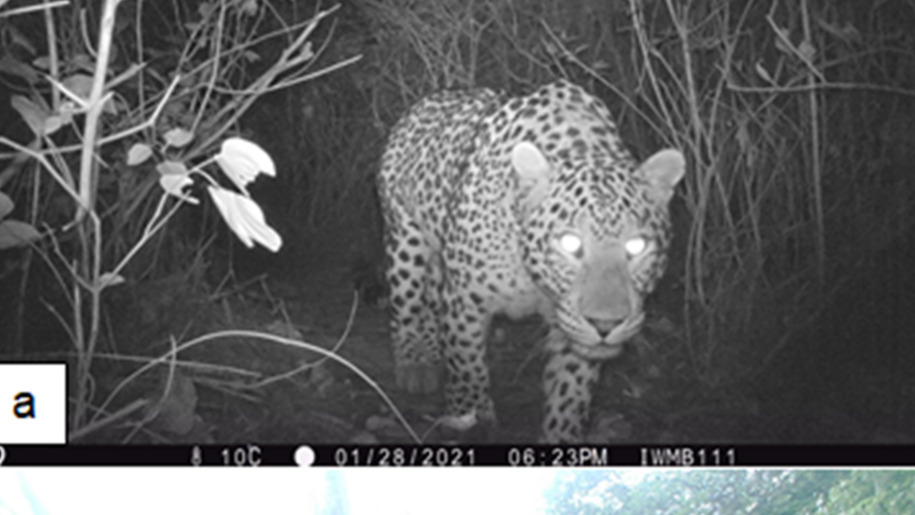
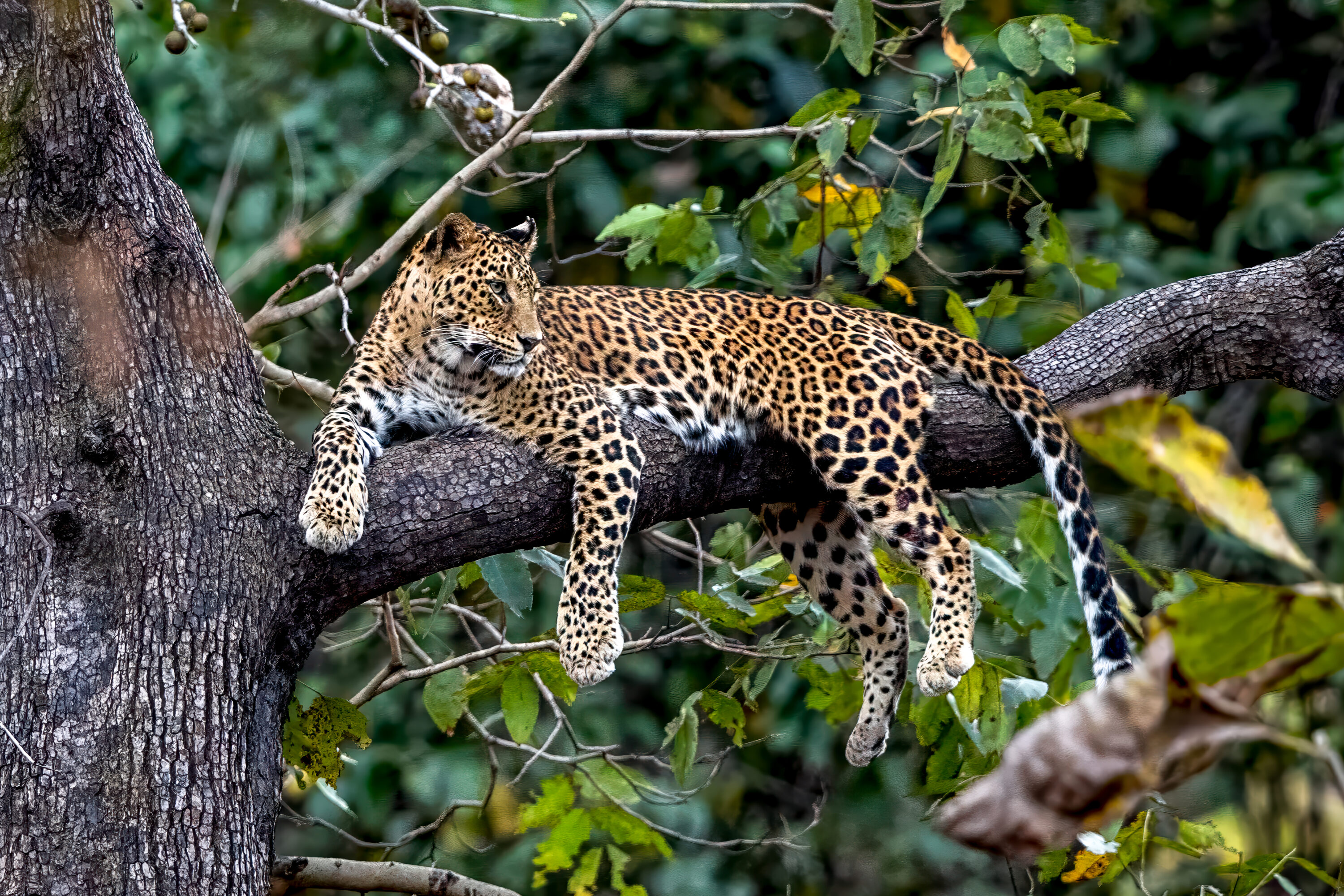
Four years of camera trapping in Margalla Hills National Park, Pakistan, showed a seasonal shift in the factors associated with leopard (Panthera pardus) site use. In summer, sites with more prey activity were more likely to be used by leopards. In winter, leopard site use was more strongly associated with greater distance from human settlements.
The study used one camera at each of 20 sites from 2021 to 2024. Data from the four years were pooled within summer and winter, giving 2,400 daily sampling occasions per season.
Occupancy models separated site use from the chance of detection
The researchers used occupancy modelling, which separates two questions: whether a site is being used by the species during the survey period, and whether the camera actually records the animal when that site is used. This matters because a leopard can use an area without passing in front of the camera on a particular day.
“Occupancy” in this study therefore means the estimated probability that a site was used by leopards during a season. It should not be read as proof that an individual leopard held a permanent territory or lived continuously at that location.
Prey activity best explained summer site use
In summer, prey relative abundance index (RAI) was the strongest-supported predictor of leopard site use. The index combined independent camera detections of important prey — including barking deer, wild boar, Indian porcupine and rhesus macaque — relative to the number of active camera-trap nights.
A higher RAI therefore means that prey were recorded more often by the cameras. It is a relative index of prey activity and detectability, not a direct count of how many prey animals lived around each camera.
Leopards were photographed during 544 summer sampling occasions and at nine of the 20 sites. None of the tested covariates clearly improved the model of whether an occupying leopard was detected on a given summer occasion.
Winter site use increased farther from settlements
In winter, leopards were photographed during 875 sampling occasions and at 13 of the 20 sites. The strongest occupancy relationship was with distance from human settlements: sites farther from settlements were more likely to be used.
Prey RAI played a different role in winter. It strongly increased detection probability — the chance that a leopard was photographed at a site it was already considered to be using — rather than being the strongest predictor of site use itself. More prey activity may therefore have increased leopard movement past cameras or time spent near prey-rich locations.
The larger number of winter photographs is not a direct estimate of a larger winter leopard population. The study did not identify individual leopards, so repeated photographs could include the same animals.
Seasonal movement is plausible but was not tracked directly
The authors suggest that leopards may move into the Margalla Hills from the higher Murree Hills and Ayubia National Park during winter, when snowfall and reduced prey availability occur at higher elevations. Increased movement during the January–February mating season could also increase camera detections.
These explanations are plausible interpretations rather than tracked movements: the study used stationary camera traps, not GPS collars or individual identification. The design also pooled four years into single seasonal models and included only 20 sites, limiting how precisely changes in individual residency or movement can be reconstructed.
The strongest result is therefore a seasonal difference in landscape associations: prey activity was most closely linked to summer site use, while winter site use was greatest farther from settlements. The authors argue that maintaining prey populations and limiting disturbance in important winter areas should both form part of leopard conservation in the wider Margalla–Murree–Ayubia landscape.
Ecology
Related news
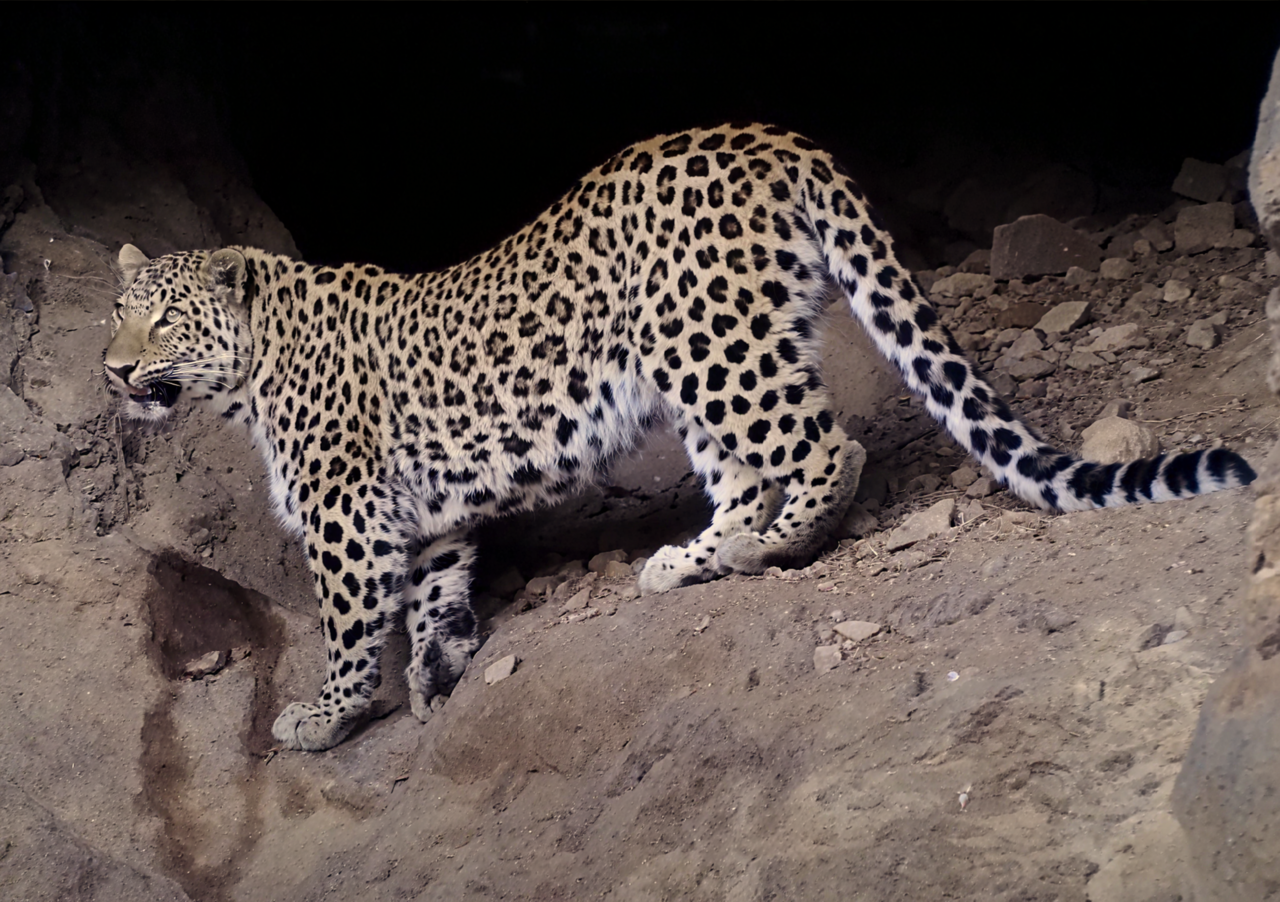
Living With Carnivores Is About More Than Livestock Losses
Near Iran’s Golestan National Park, researchers explored what was associated with people’s willingness to accept leopards, wolves and…
Read story →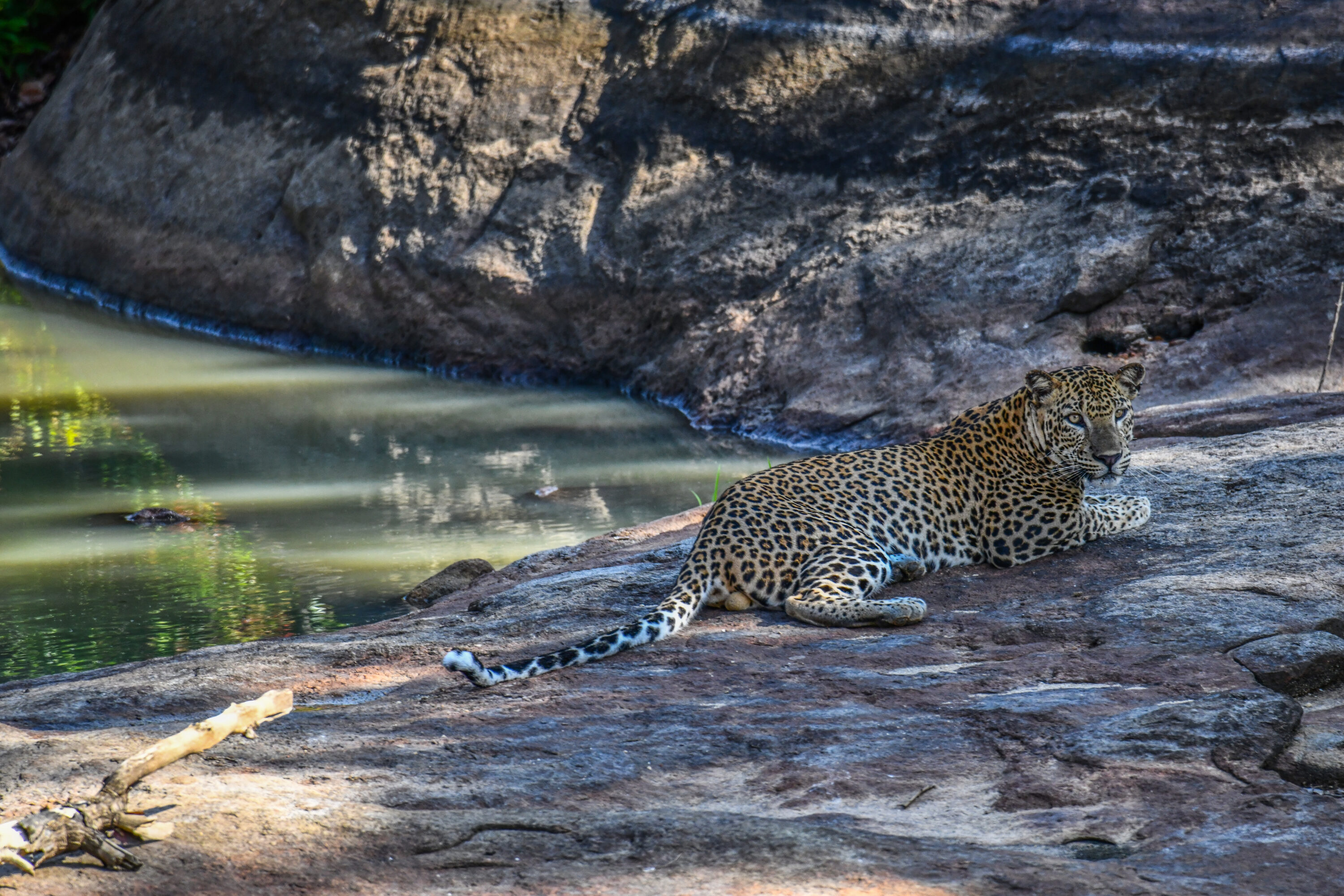
Sri Lankan Leopards in Tea Landscape Were Less Active by Day and More Active at Dusk
In Sri Lanka’s Central Highlands, only 4.4% of leopard records in an unprotected tea landscape were diurnal while…
Read story →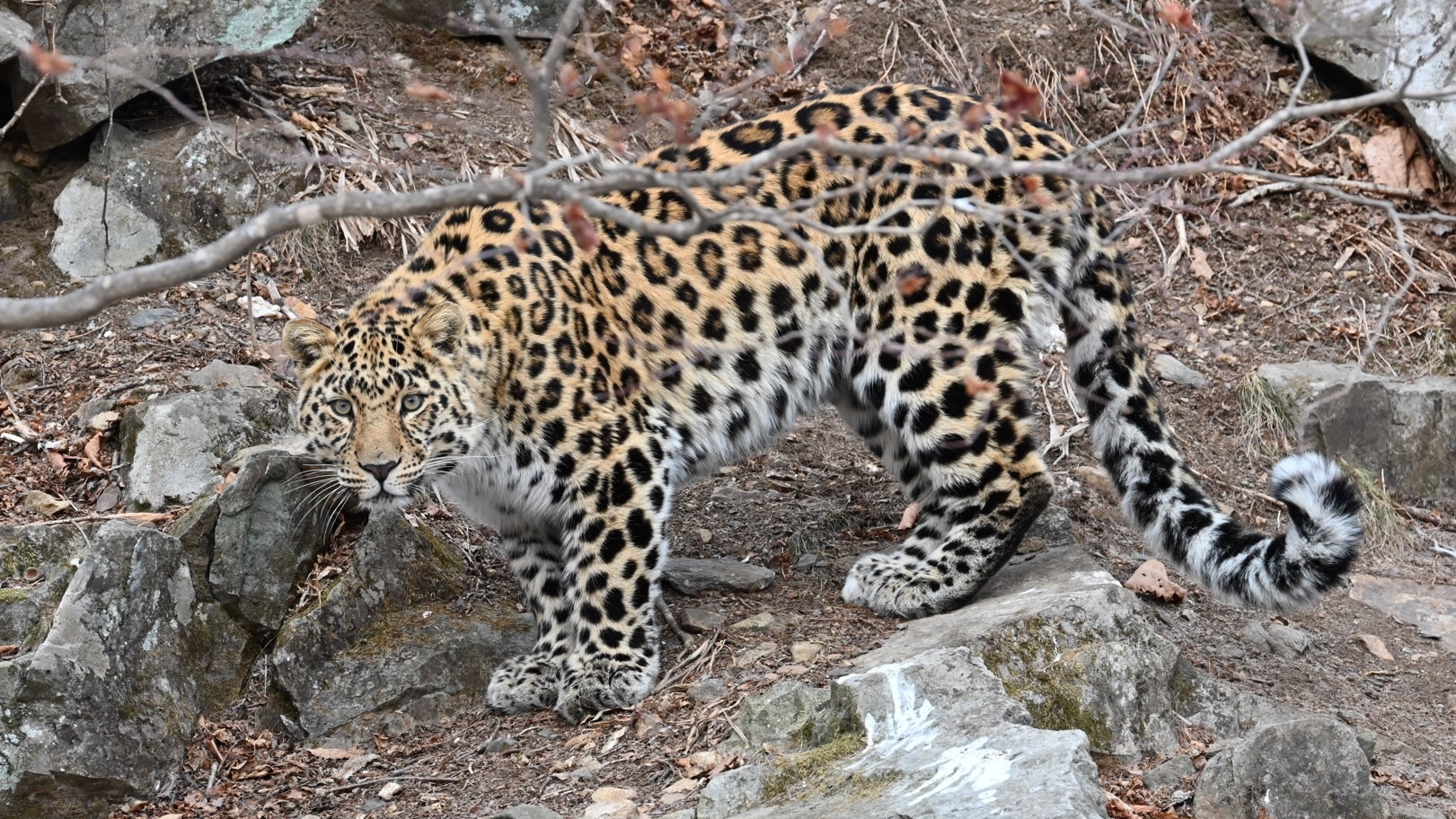
Amur leopard density nearly tripled in a decade
Ten years of camera-trap data from Russia’s Land of the Leopard National Park show a strong recovery in…
Read story →SPECIES IN THIS STORY
Species in this story
Independent research and conservation news archive
Did you find this information useful?
Wildlife Vagabond is independently built and maintained. Voluntary support helps cover source verification, hosting and continued work on research and conservation news.
Support Wildlife VagabondThe news archive will remain freely available.