
Small Diet Shifts Linked to Heavier Lesser Black-backed Gull Chicks
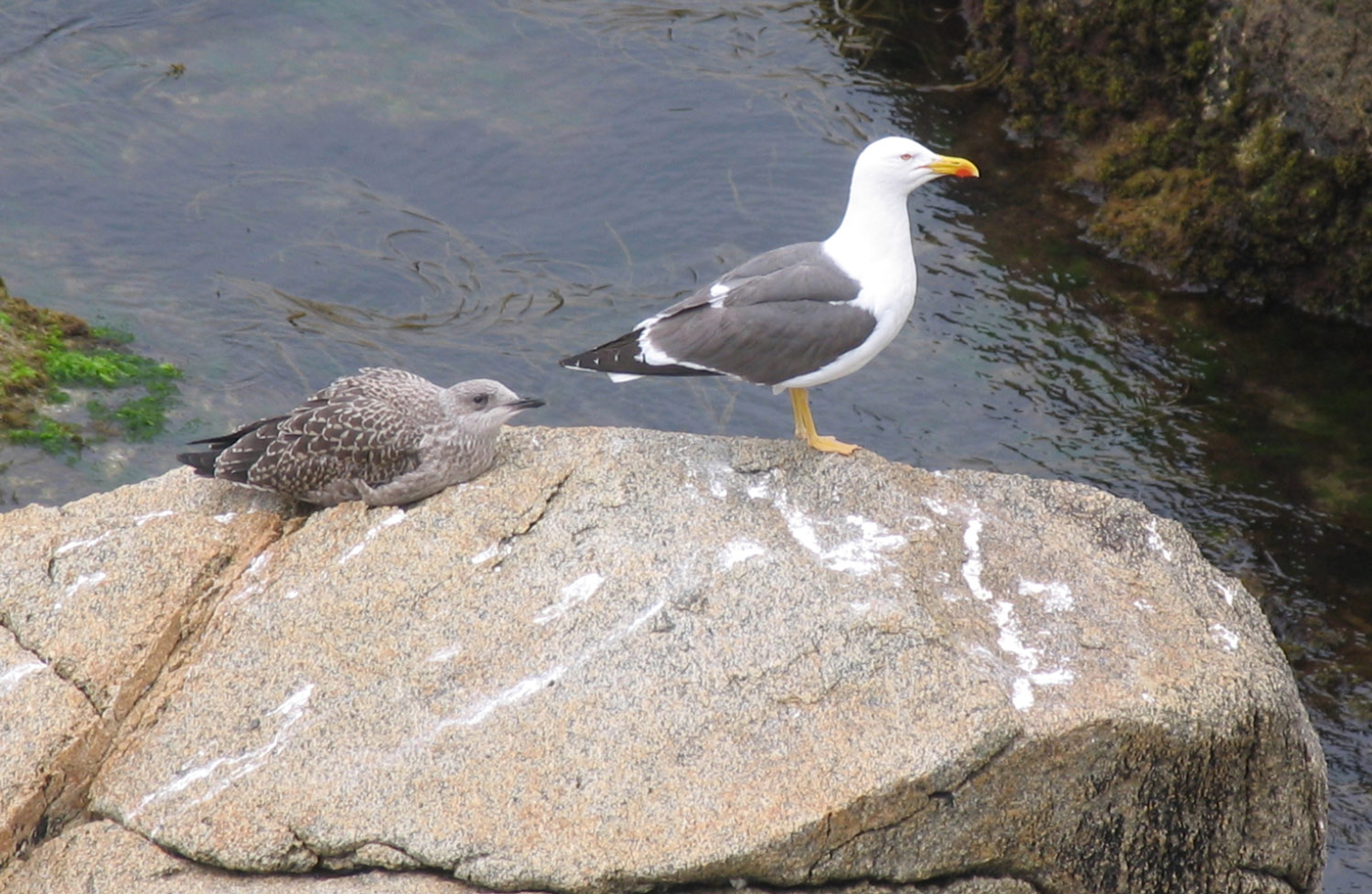
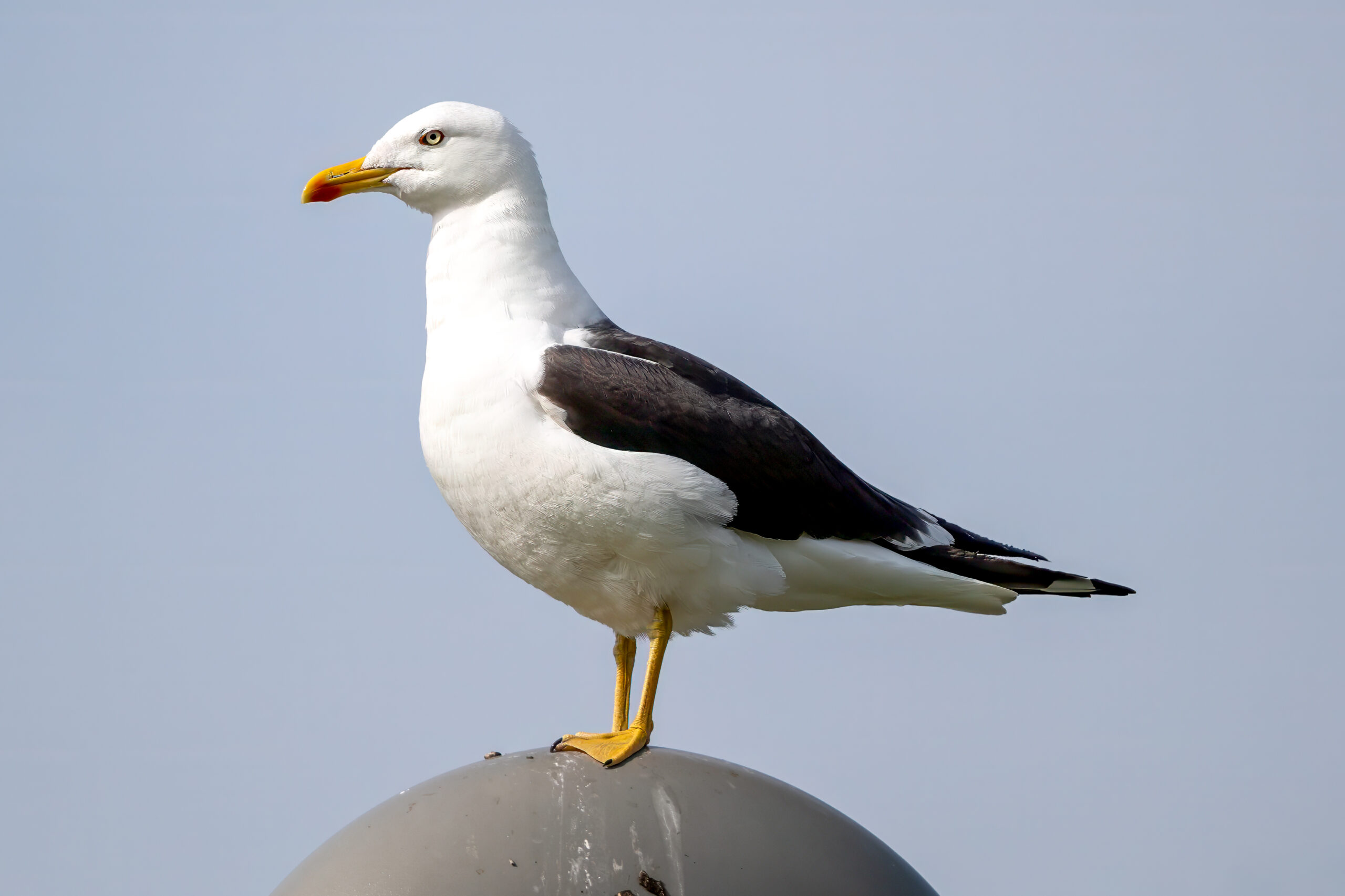
Lesser black-backed gulls (Larus fuscus) that changed the marine share of their chicks’ diet more between years produced heavier young in the year when that share was lowest. The study, published on 13 March 2026, followed 54 breeding pairs in the harbour of Zeebrugge, Belgium, across three breeding seasons.
The colony contained about 350 breeding pairs. Nine study pairs were followed in all three years from 2021 to 2023, 31 in two years and 14 in one year. Nests were checked regularly, and chicks were measured close to fledging at around 30 days old. Researchers recorded body mass, tarsus length and head–bill length and collected the first primary feather for stable-isotope analysis.
Marine food dominated the chicks’ diet
Because growing feathers retain stable-isotope signatures from assimilated food, carbon and nitrogen isotopes in a section of the first primary feather were used to estimate the relative contribution of marine and terrestrial food around the period of peak chick demand, when chicks were about 20–23 days old. Across all 54 pairs, marine resources contributed about 85% of the diet on average, and the average marine share did not differ significantly among years or breeding pairs.
The year-to-year analysis included 34 breeding pairs; pairs monitored for only one year and pairs without fledged chicks were excluded. Their estimated marine contribution changed by as much as 6.6 percentage points between years. Pairs showing a greater year-to-year change produced heavier chicks in the year with the lower marine contribution.
The relationship was specific to body mass. The researchers found no significant association between year-to-year dietary change and either tarsus length or head–bill length. They also found no significant relationship between a pair’s average marine contribution and any of the three chick-size measurements.
Flexibility may matter when food conditions change
The authors had expected pairs that maintained a consistently marine-rich diet to raise larger chicks because marine prey can provide high energetic and nutritional value. Instead, the result supported the potential adaptive value of dietary flexibility. Lesser black-backed gulls are opportunistic foragers, and individual breeding pairs can differ in how consistently they use particular food sources. In a changing environment, the ability to adjust foraging rather than maintaining exactly the same diet may help parents match the food available during the demanding chick-rearing period.
The study does not suggest that a lower marine contribution is inherently better for chicks. Instead, the association appeared in pairs that changed their diet more between years, while the overall diet remained strongly marine. The researchers therefore emphasise flexibility rather than a particular food category as the biologically interesting pattern, while cautioning that flexibility has limits and that a strong reduction in access to marine prey could still compromise chick growth.
Ecology
Related news
Lesser Black-backed Gulls Made Up 73% of Paresis Cases in Lisbon
A ten-year review of gull admissions from Lisbon and Setúbal found that lesser black-backed gulls dominated paresis cases,…
Read story →
Norwegian Surveillance Found HPAI H5N5 and H5Nx in Common Gulls and Other Influenza A in Lesser Black-backed Gulls
Three common gulls had HPAI H5N5 and one had HPAI H5Nx, while active surveillance separately detected non-H5 influenza…
Read story →
DNA Analysis Found Traces of 71 Species in Lesser Black-backed Gull Diet Samples
A 2026 bioRxiv preprint found DNA traces from 71 species across 61 genera in lesser black-backed gull diet…
Read story →SPECIES IN THIS STORY
Species in this story
Independent research and conservation news archive
Did you find this information useful?
Wildlife Vagabond is independently built and maintained. Voluntary support helps cover source verification, hosting and continued work on research and conservation news.
Support Wildlife VagabondThe news archive will remain freely available.