
DNA Revealed Moderate Dietary Overlap Between Lions and Spotted Hyenas in Etosha
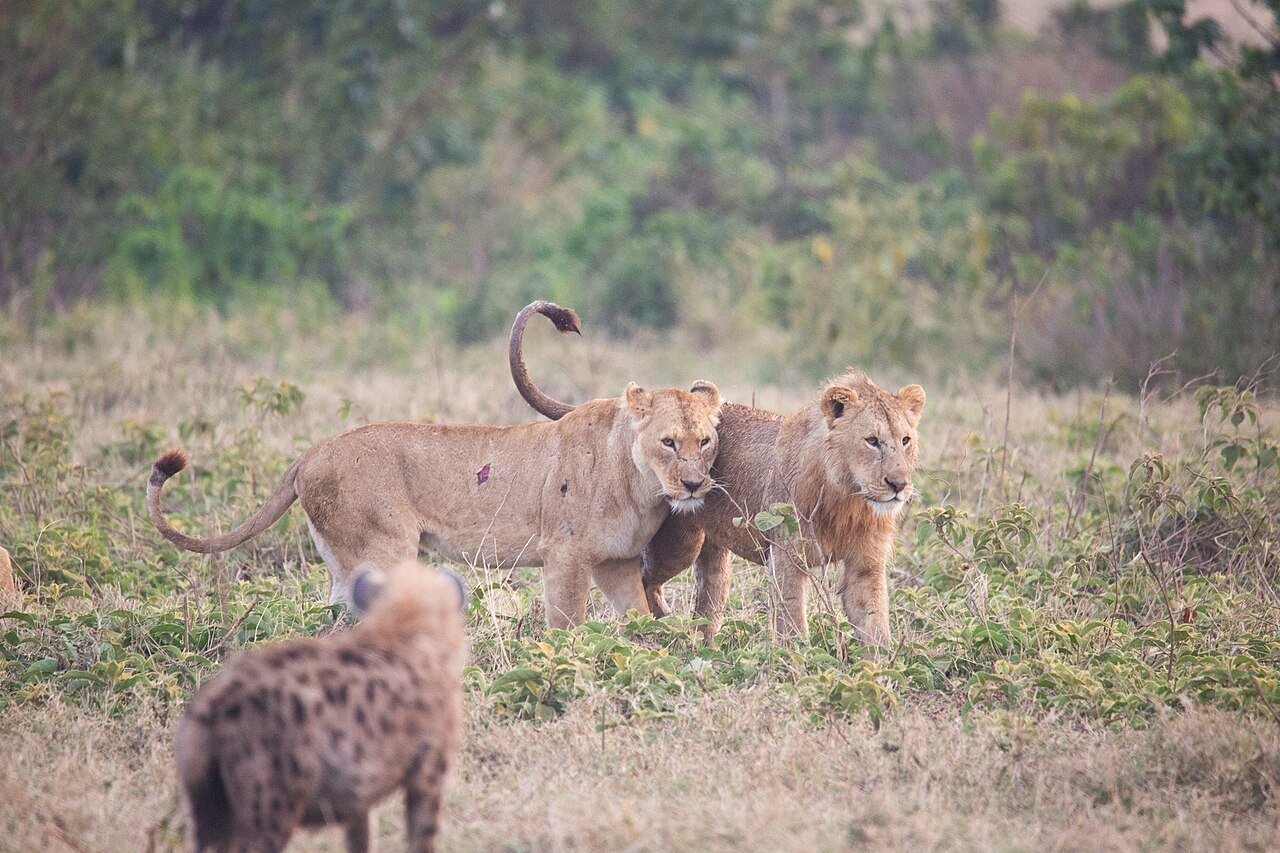
A DNA-based diet study from Namibia’s Greater Etosha Landscape shows that African lions (Panthera leo) and spotted hyenas (Crocuta crocuta) share many of the same prey species across both wet and dry seasons. The study, published in March 2026, used DNA metabarcoding of carnivore scats rather than relying only on visible remains such as hair and bone.
The researchers sequenced 164 scat samples. Of these, 98 contained detectable vertebrate prey and were included in the diet analysis: 69 from lions and 29 from spotted hyenas. In total, they detected 19 vertebrate prey species. Large ungulates dominated the diets of both predators.
Large ungulates dominated both predators’ diets
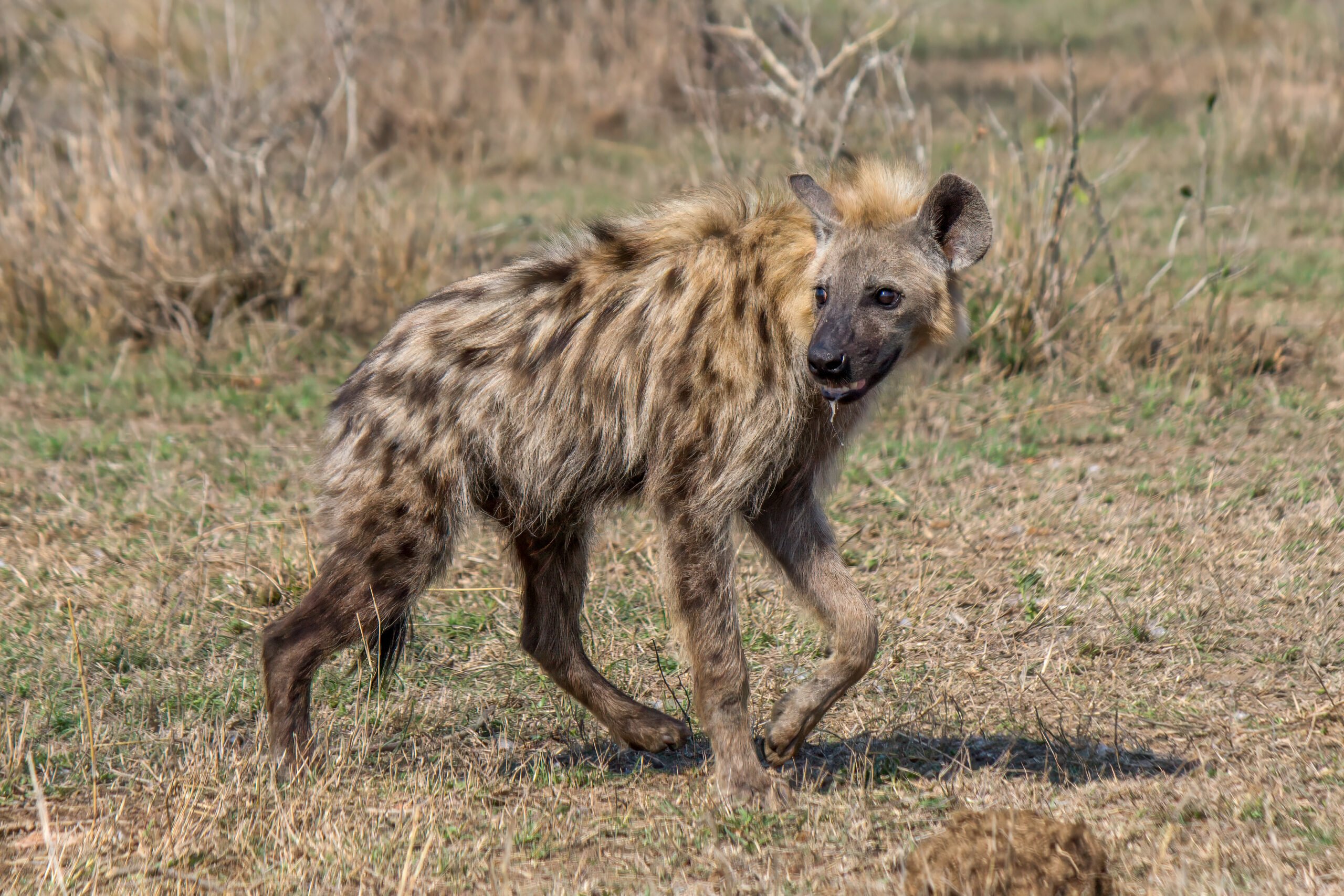
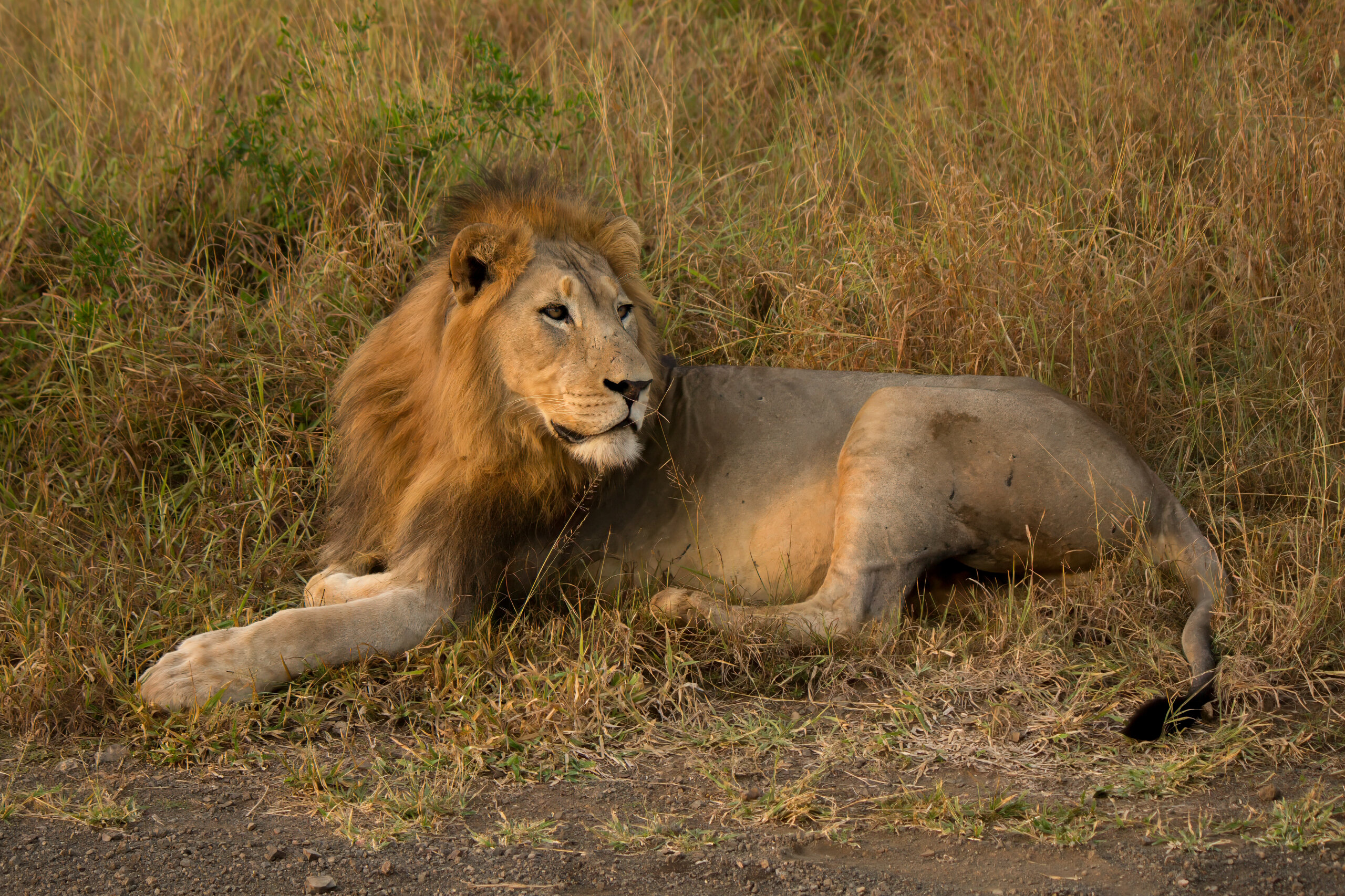
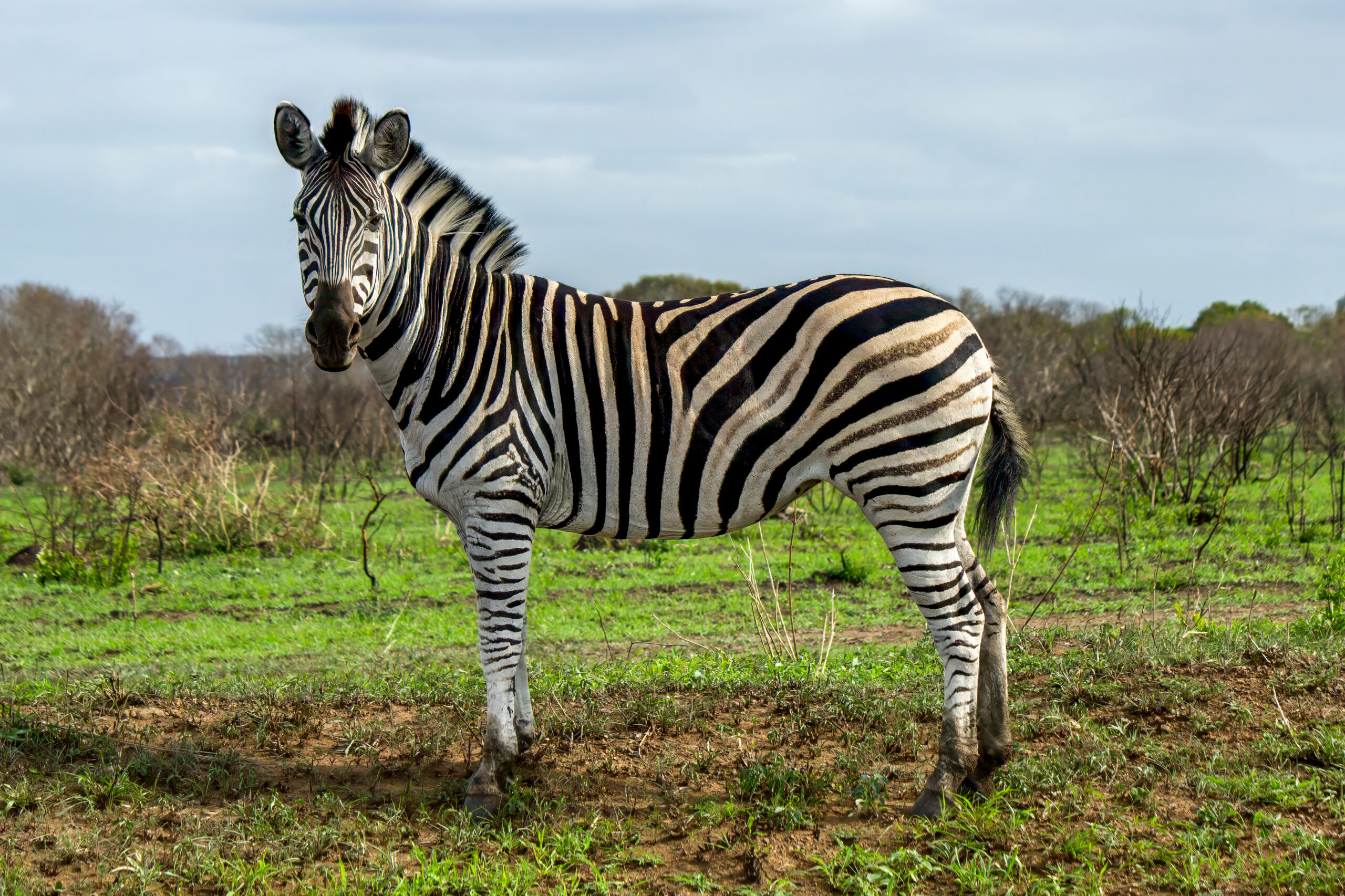
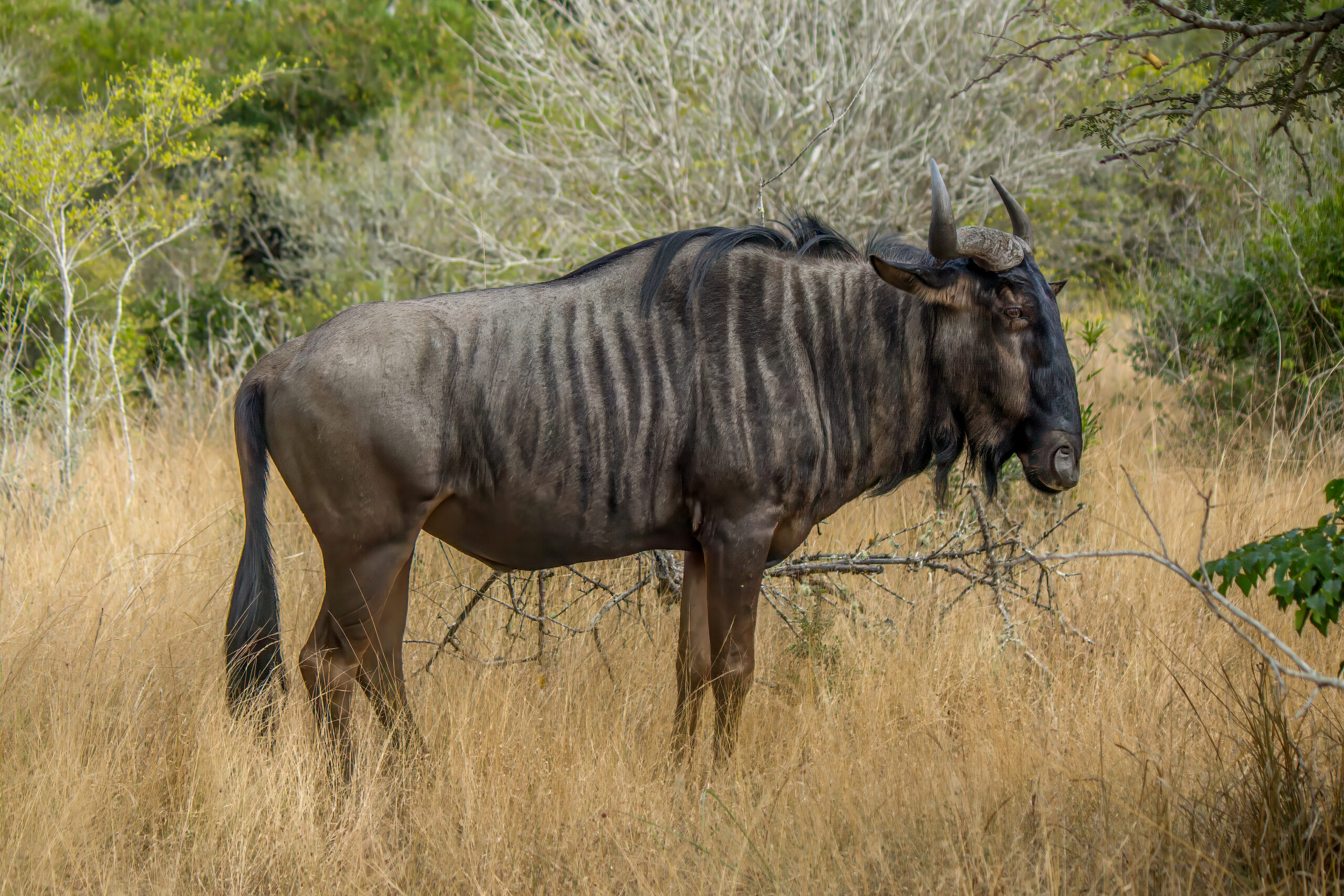
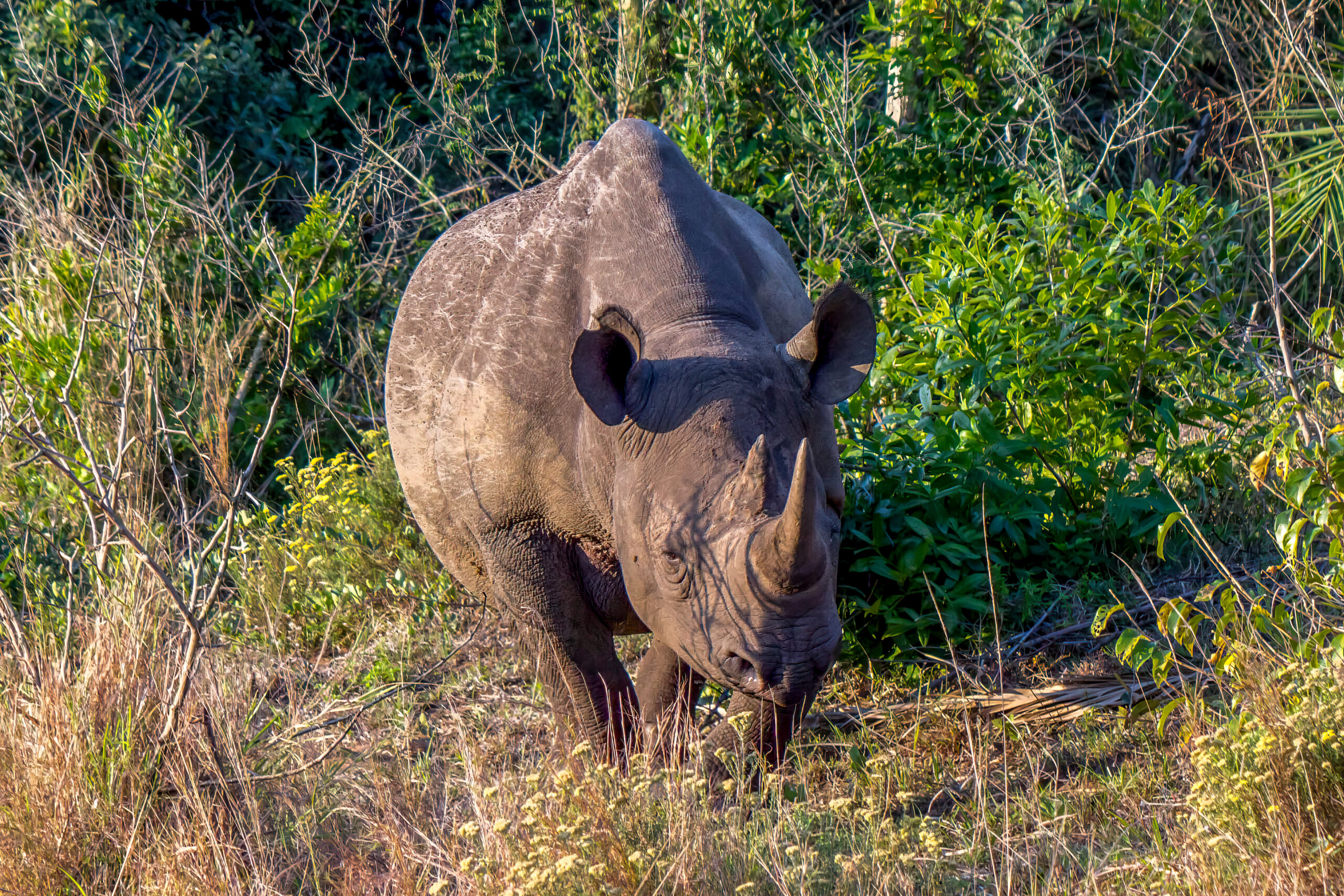
Lions most frequently consumed species including gemsbok, common eland, plains zebra and blue wildebeest. Spotted hyenas most often showed DNA from plains zebra, gemsbok, springbok and black rhinoceros. The rhinoceros detections indicate consumption, but the method cannot determine whether the hyenas killed the animals or scavenged from carcasses.
Prey species alone did not strongly separate the predators
Diet composition was broadly similar between lions and hyenas, and the researchers found moderate niche overlap rather than strong dietary separation. On Pianka’s overlap index, where 0 means no overlap and 1 means complete overlap, the overall value was 0.75; it was 0.68 in the dry season and 0.66 in the wet season. Both predators used a somewhat broader range of prey during the wet season, probably because young ungulates and more widely dispersed prey increase the number of feeding opportunities.
The authors conclude that prey identity alone does not strongly separate resource use by lions and spotted hyenas in this landscape. They suggest that the overlap may be facilitated by opportunistic scavenging and kleptoparasitism — taking over food killed or obtained by another predator — while any further niche partitioning may instead involve prey age or sex, spatial segregation or other behavioural mechanisms that were not captured by the DNA identification of prey species. They also caution that the smaller number of spotted-hyena samples limits strong conclusions about the exact degree of dietary overlap.
The researchers recommend continued molecular monitoring to detect changes in resource use and interactions between the predators as environmental conditions, prey populations and human pressures change.
Ecology
Related news
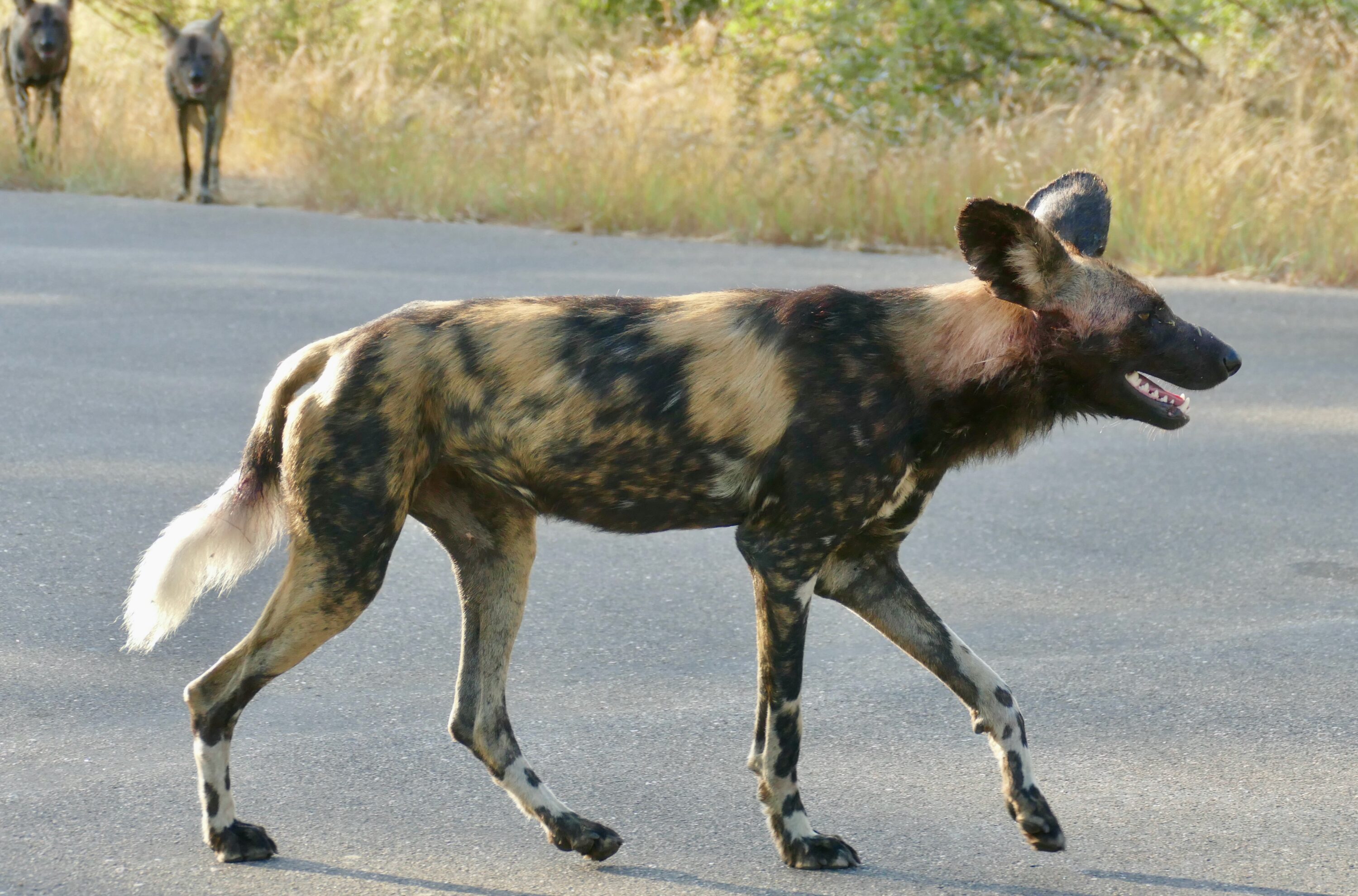
Food Leaves Its Mark on the Gut Bacteria of Kruger’s Wildlife
Gut bacteria in nine mammal species from Kruger National Park followed clear patterns linked to food and digestion.…
Read story →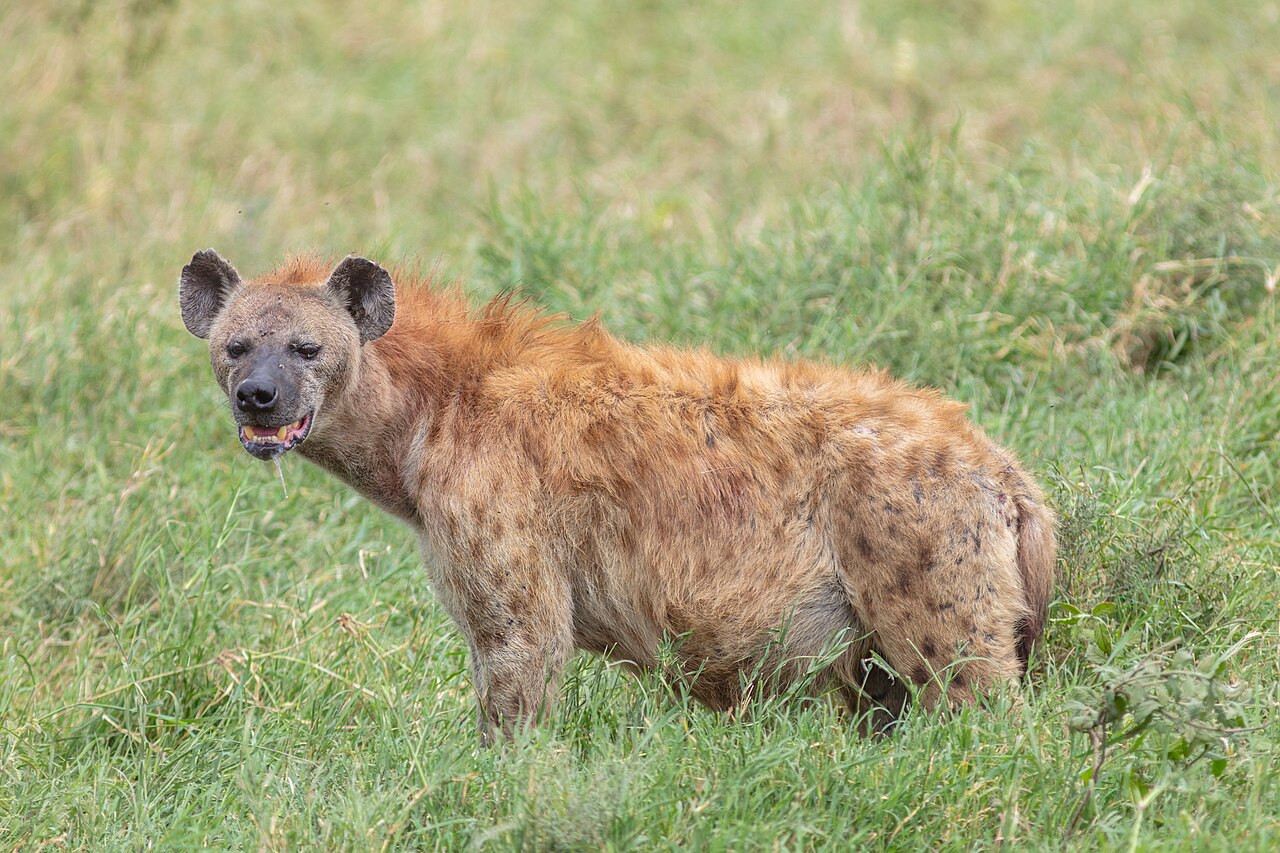
Livestock Made Up Only 4.1% of Prey-DNA Detections in 24 Years of Ngorongoro Hyena Samples
Across 371 spotted-hyena faecal samples from Ngorongoro, livestock accounted for 18 of 434 prey-DNA detections and no black-rhinoceros…
Read story →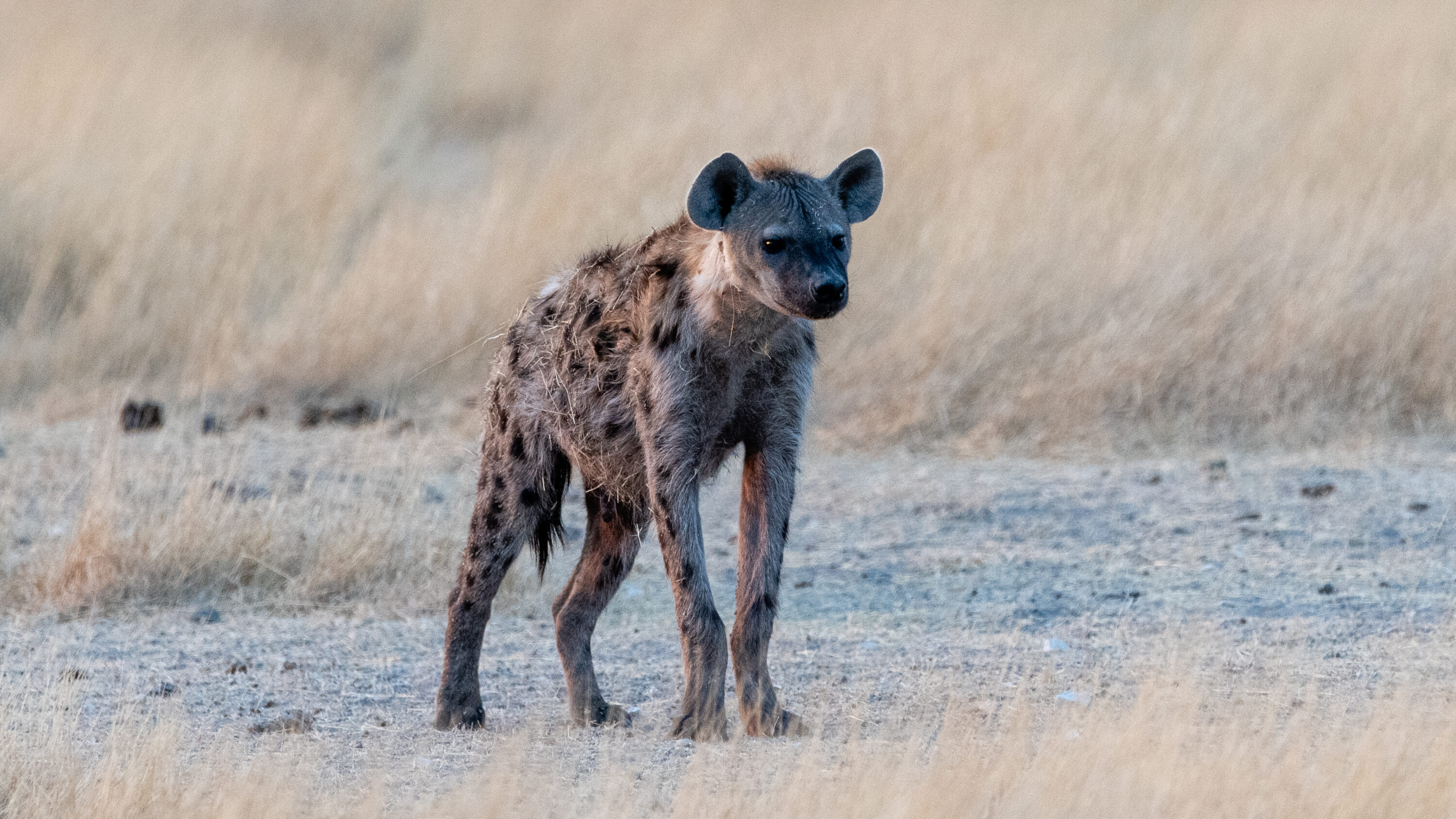
Spotted Hyenas Repeatedly Moved Away From Lions in Five-Minute GPS Data
High-frequency GPS data from Namibia and Botswana showed a robust retreat bias in spotted hyenas around lions, while…
Read story →SPECIES IN THIS STORY
Species in this story
Independent research and conservation news archive
Did you find this information useful?
Wildlife Vagabond is independently built and maintained. Voluntary support helps cover source verification, hosting and continued work on research and conservation news.
Support Wildlife VagabondThe news archive will remain freely available.