
Livestock Made Up Only 4.1% of Prey-DNA Detections in 24 Years of Ngorongoro Hyena Samples
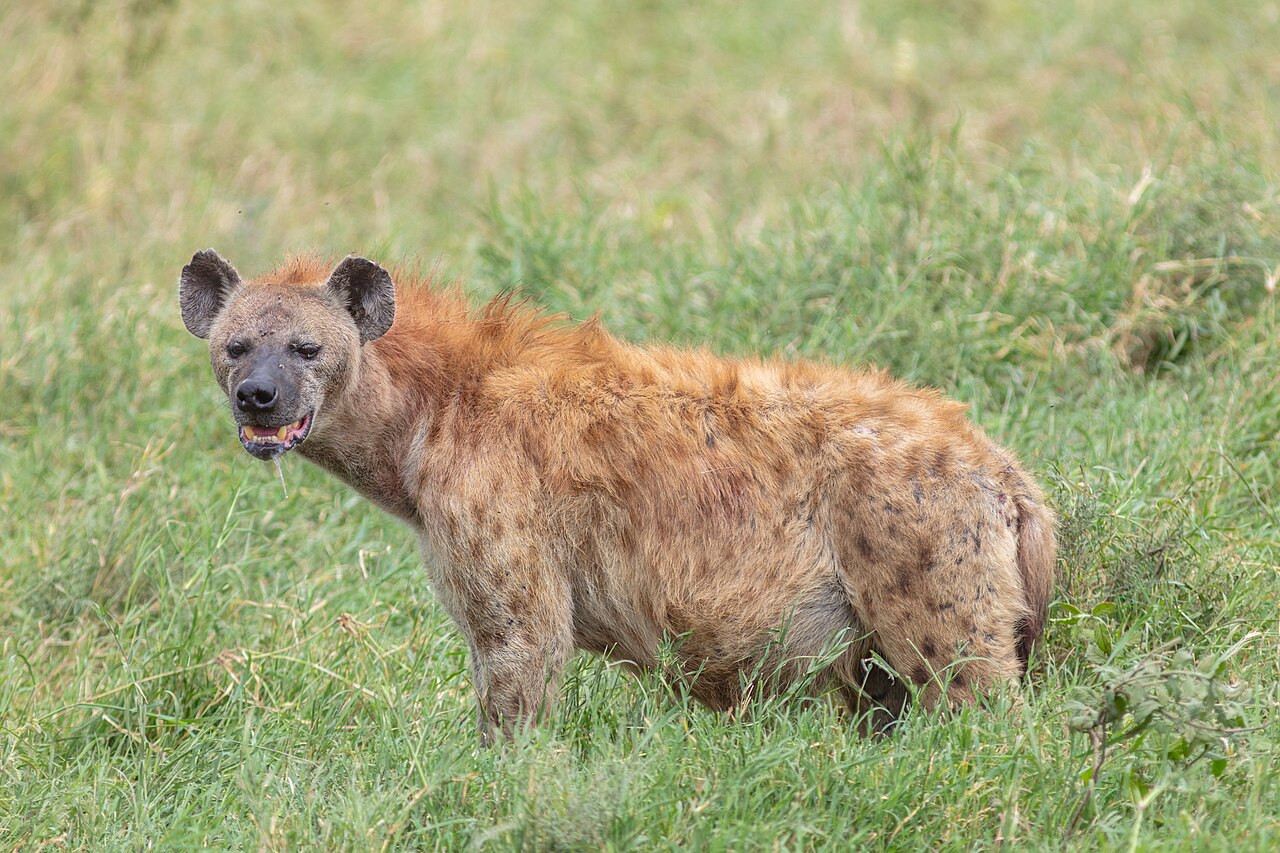
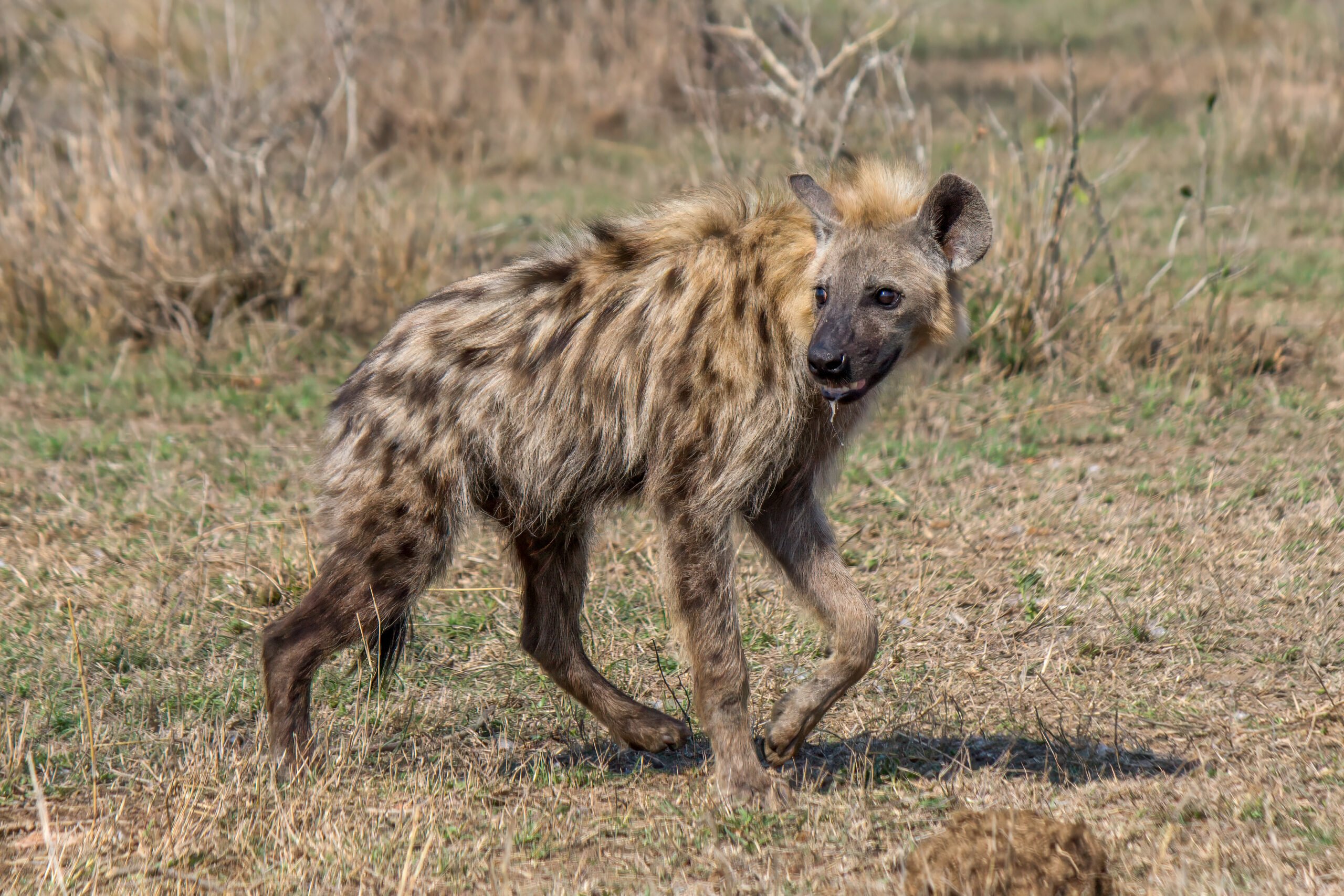
DNA metabarcoding of 371 spotted-hyena (Crocuta crocuta) faecal samples collected in Tanzania’s Ngorongoro Crater over 24 years found livestock DNA in only 18 of 434 prey detections, or 4.1%. No black-rhinoceros (Diceros bicornis) DNA was detected in any sample.
The material came from 255 individually known hyenas monitored between 1996 and 2019. Researchers extracted food DNA remaining in faeces, amplified short genetic barcode regions and compared the sequences with reference databases to identify the animal species that had been consumed.
Wild prey dominated the DNA detections
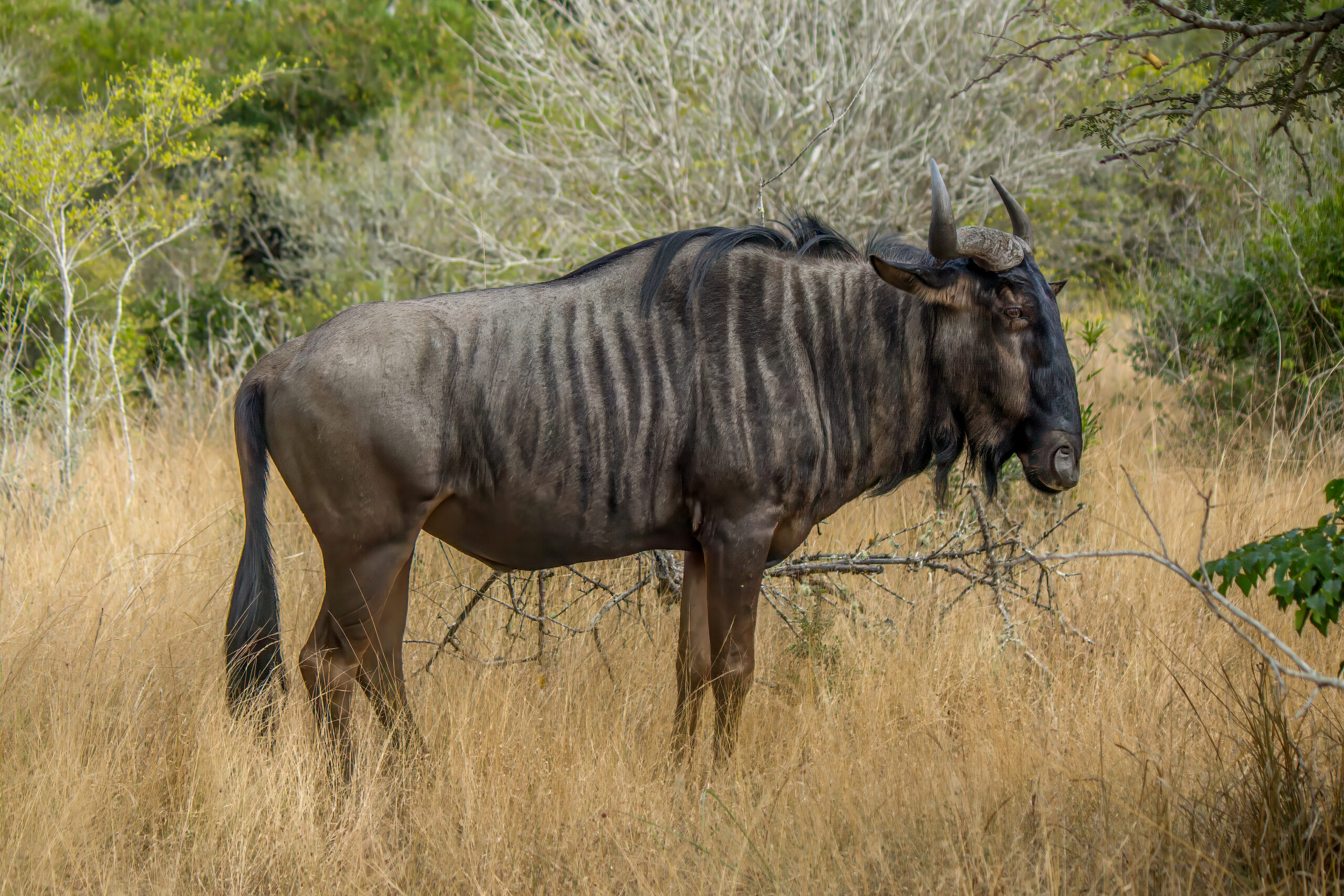
DNA from 20 animal species was detected. Most faecal samples contained DNA from one prey species, while some contained two or three. Blue wildebeest (Connochaetes taurinus) was by far the most frequently detected prey, followed by plains zebra and African buffalo among the common large herbivores.
A separate prey-selection analysis showed that detection frequency was not the same as preference. Among five wild herbivores with population estimates, wildebeest were selected most strongly relative to their availability, followed by Grant’s gazelle, which was also consumed more often than availability alone would predict. African buffalo and plains zebra were consumed roughly in proportion to their availability, whereas Thomson’s gazelle was detected less often than expected. Wildebeest therefore stood out both as the most frequent prey-DNA signal and as the strongest positive selection.
Livestock made up 18 of 434 prey detections
Domestic cattle, goats, sheep, donkeys and dogs together accounted for 18 of the 434 prey-species detections. The reported 4.1% therefore describes the share of DNA detections, not 4.1% of the total biomass eaten, the number of meals or the hyenas’ energy intake.
Older hyenas were more likely than younger animals to have domestic-animal DNA in their faeces. Sex and social rank showed no clear relationship. The authors suggest that older individuals may use livestock or livestock carcasses more often as hunting fast wild prey becomes more difficult, but the DNA itself cannot reveal why a particular animal was consumed. Because some livestock detections may represent scavenging of animals that died from other causes, the authors argue that actual livestock depredation by resident Crater hyenas was probably rarer than the consumption records alone suggest. They also infer that most hyena depredation associated with conflict in the wider Ngorongoro Conservation Area is likely caused by hyenas living outside the Crater.
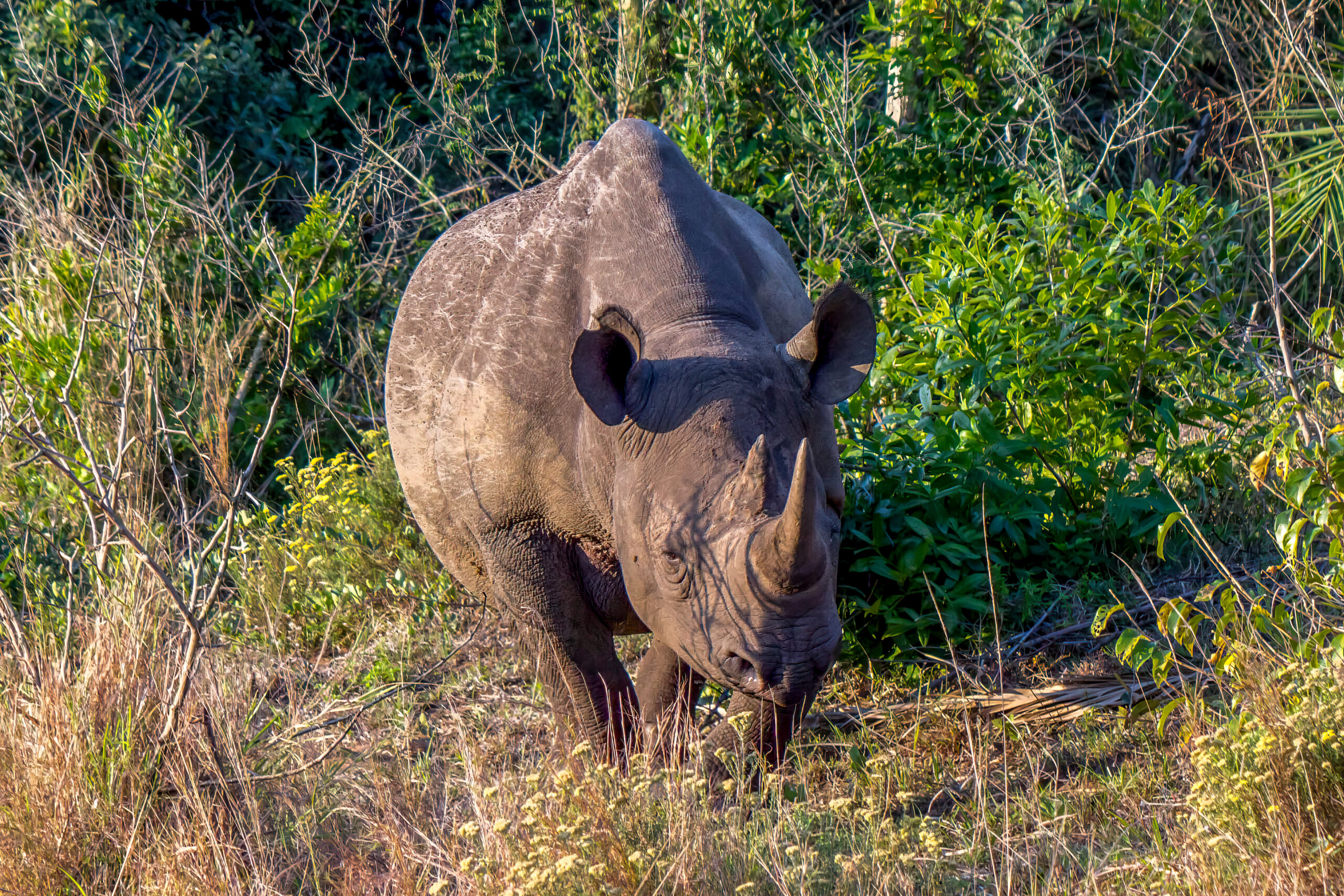
No black-rhino DNA was detected
The researchers specifically screened the faecal DNA for black rhinoceros because of the species’ conservation importance in Ngorongoro. None of the 371 samples contained detectable black-rhino DNA.
This shows that rhinoceros consumption was not detected in the sampled material; it does not prove that it never occurs. The study nevertheless provides no molecular evidence that black rhinoceroses formed part of the diet during the sampling period, and the authors consider regular consumption very unlikely.
DNA reveals consumption, not whether hyenas made the kill
DNA metabarcoding can identify prey remains after digestion, but it cannot distinguish an animal hunted by the hyena from one consumed as carrion. The livestock detections therefore document livestock consumption rather than confirmed livestock predation.
Three detections of Masai giraffe, a species absent from the crater floor, also showed that some hyenas had fed outside the crater before samples were collected. Faecal DNA can therefore integrate feeding events across the animals’ movements rather than representing only the immediate sampling location.
Taken together, the 24-year dataset indicates that wild prey overwhelmingly dominated the diet of Ngorongoro’s spotted hyenas and that livestock and black-rhinoceros consumption were rare or undetected in the sampled faeces. The authors argue that maintaining abundant wild prey can therefore be important for reducing conflict in multi-use landscapes shared by large carnivores, livestock and people.
Ecology
Related news
DNA Revealed Moderate Dietary Overlap Between Lions and Spotted Hyenas in Etosha
DNA metabarcoding from the Greater Etosha Landscape identified 19 vertebrate prey species and found moderate dietary overlap between…
Read story →
Food Leaves Its Mark on the Gut Bacteria of Kruger’s Wildlife
Gut bacteria in nine mammal species from Kruger National Park followed clear patterns linked to food and digestion.…
Read story →
Environmental Conditions Shaped Large-Herbivore Space Use More Than Predators in Northwestern Namibia
Camera traps across northwestern Namibia showed that environmental conditions generally shaped space use in seven large-herbivore species more…
Read story →SPECIES IN THIS STORY
Species in this story
Independent research and conservation news archive
Did you find this information useful?
Wildlife Vagabond is independently built and maintained. Voluntary support helps cover source verification, hosting and continued work on research and conservation news.
Support Wildlife VagabondThe news archive will remain freely available.