
Depleting Liver Macrophages Disrupted Pigeon Navigation Under Overcast Skies
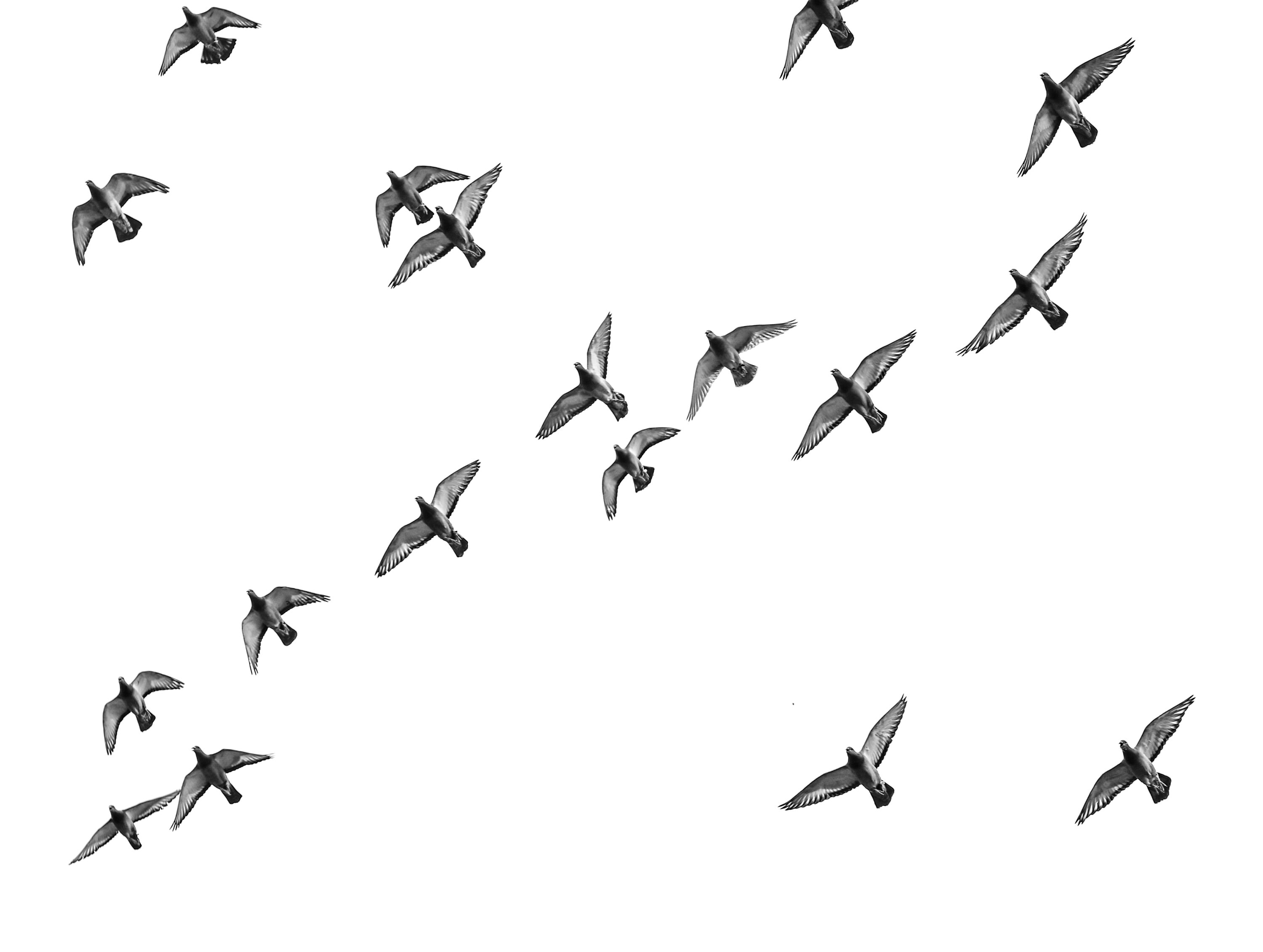
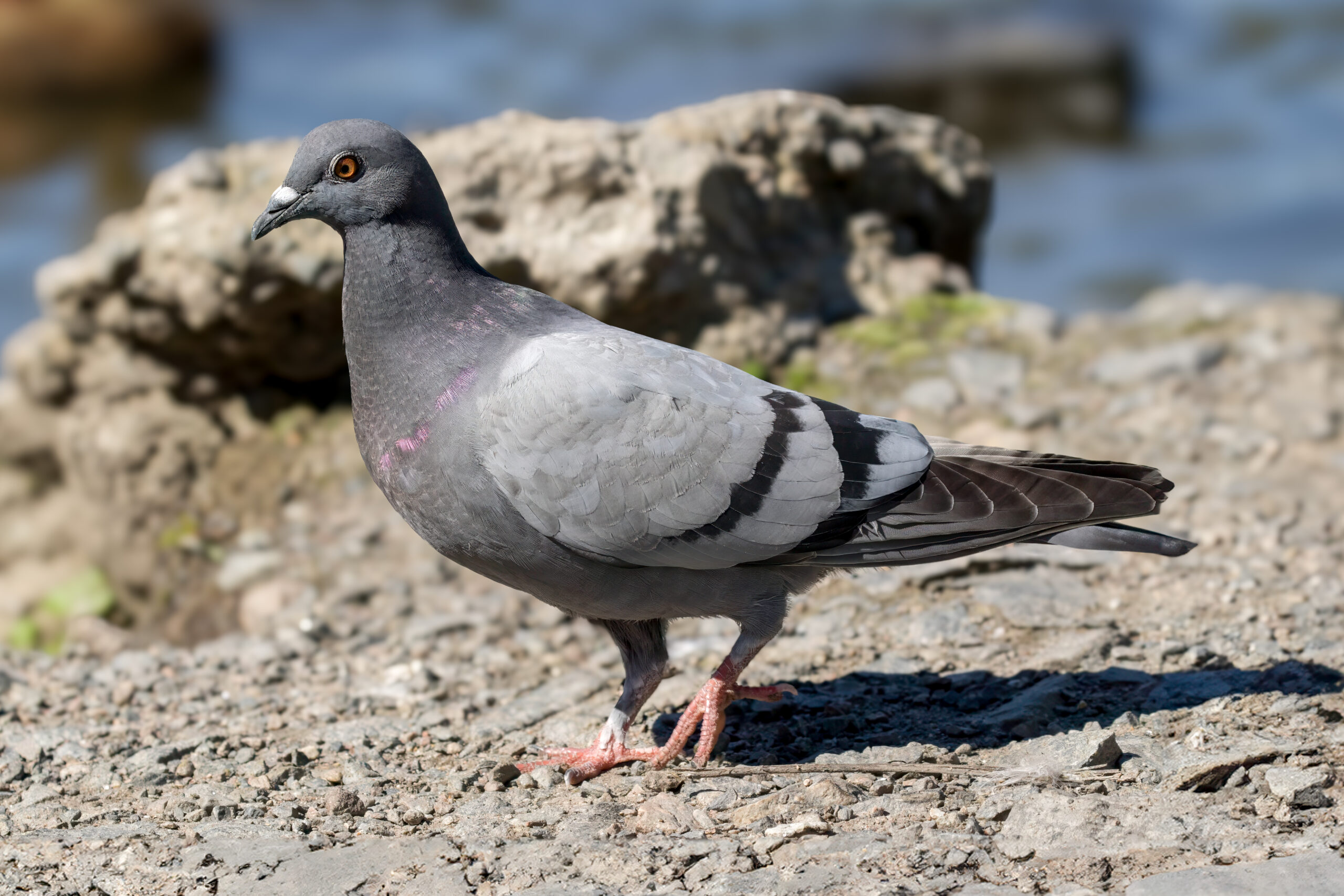
A German study published in Science on 28 May 2026 identified superparamagnetic macrophages in the liver of homing pigeons, the domestic form of rock dove (Columba livia), and found that temporarily depleting these cells disrupted navigation under completely overcast skies.
Macrophages are immune cells that engulf and break down material in the body. The researchers used physical, morphological, functional and genomic methods to examine iron-containing cells in pigeon tissues. They found liver macrophages with superparamagnetic properties, meaning that their iron-containing material responds strongly to an external magnetic field without remaining permanently magnetised.
Thirty-four pigeons were tested on a 19-kilometre route
The navigation experiment used 34 pigeons that had each completed 10 successful training flights along a 19-kilometre west-to-east route. Eighteen birds received intravenous clodronate liposomes, a treatment used to temporarily deplete macrophages, while 16 received control liposomes.
Twenty-four to 28 hours later, the birds were released individually under completely overcast conditions, when the sun, polarised-light cues and visual landmarks were unavailable. Their movements were followed with GPS transmitters.
Controls homed while treated birds lost directional orientation
All 16 control pigeons returned home within 70 minutes. None of the 18 macrophage-depleted pigeons returned on the same day while the cloud cover persisted. Instead, their GPS tracks showed random spatial orientation and much less efficient navigation.
The effect was specific to conditions in which the usual visual directional cues were absent. Once the cloud cover cleared and the sun became visible, macrophage-depleted pigeons homed normally. Control birds that were later treated with clodronate also navigated efficiently under sunny conditions.
Homing pigeons can combine several kinds of information when navigating, and the physical basis of their magnetic sense has long been debated. The authors conclude that superparamagnetic macrophages in the liver are required for finding magnetic direction when solar and landmark cues are unavailable. At the same time, the normal performance of treated pigeons in sunshine indicates that solar information remains their primary directional cue when it is available.
Physiology
Related news
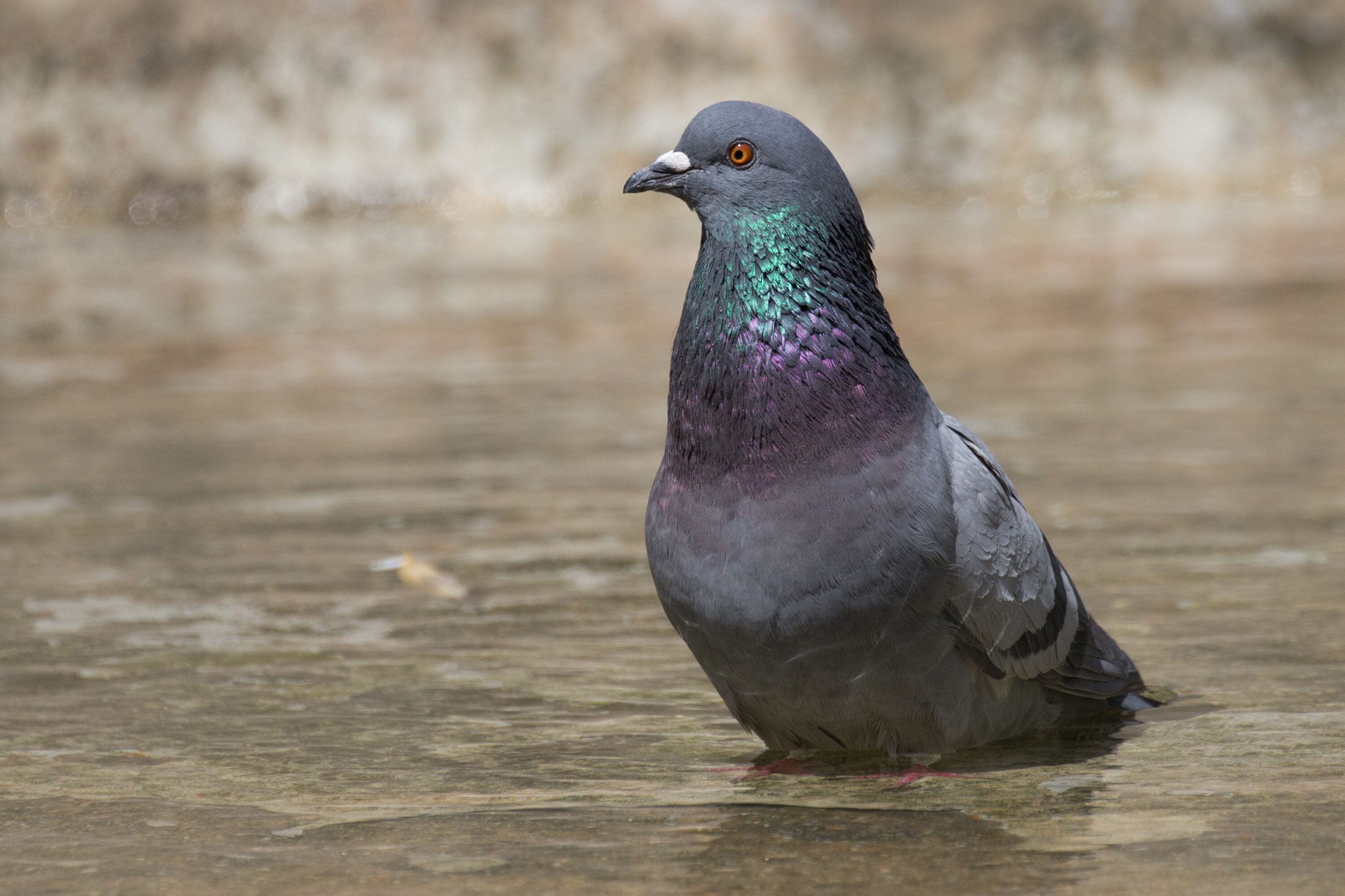
Rock Doves Preferred Predictive Information Despite a Lower Food Payoff
Seven rock doves preferred an informative option that paid on 20% of trials over a non-informative option that…
Read story →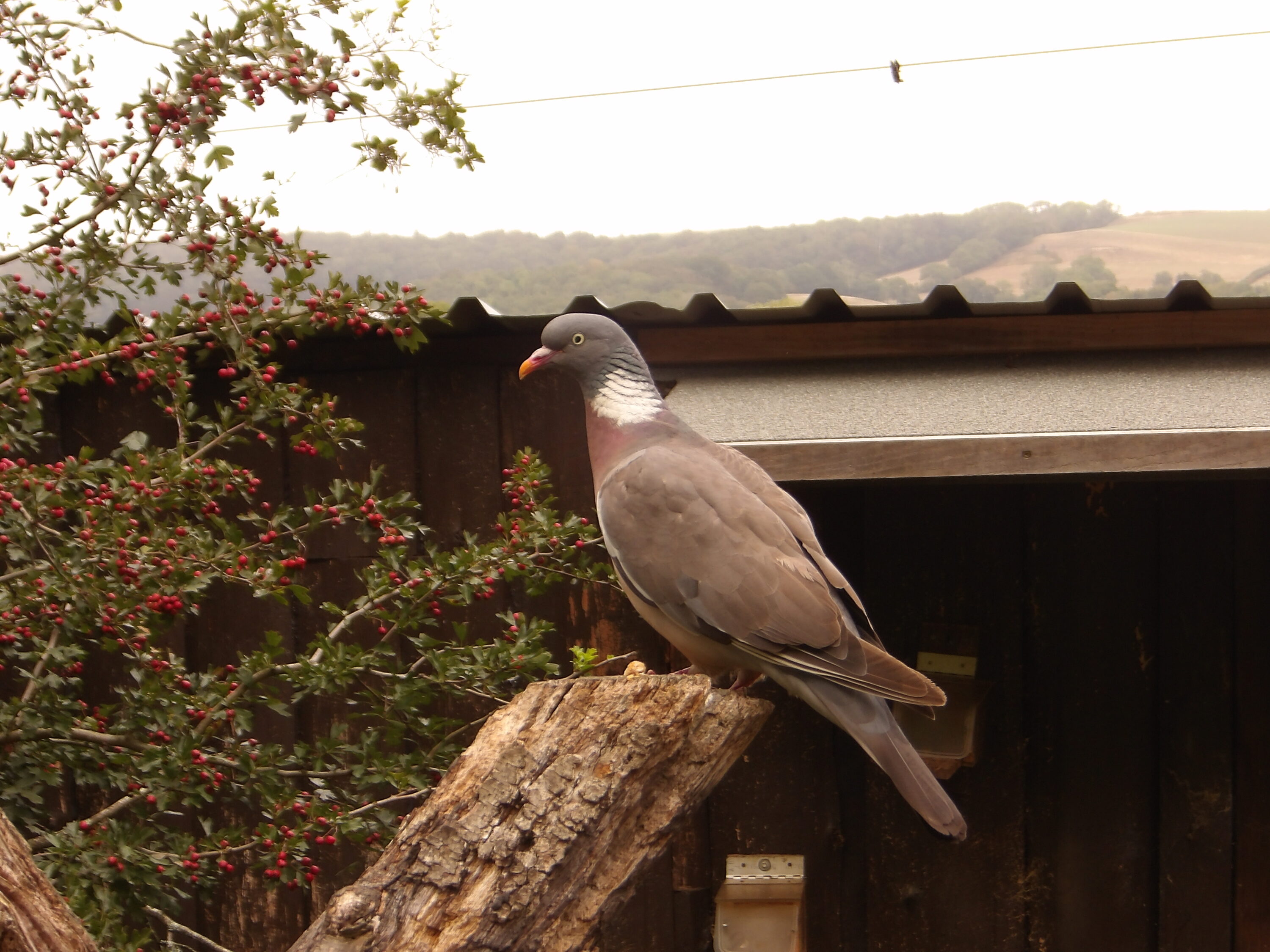
Rotavirus A Antibodies Were Common in Feral Pigeon Samples but Rare in Wood-Pigeon Samples in Germany
A German study detected rotavirus A-reactive antibodies in 79.2% of free-ranging feral pigeons and 77.0% of domestic pigeons,…
Read story →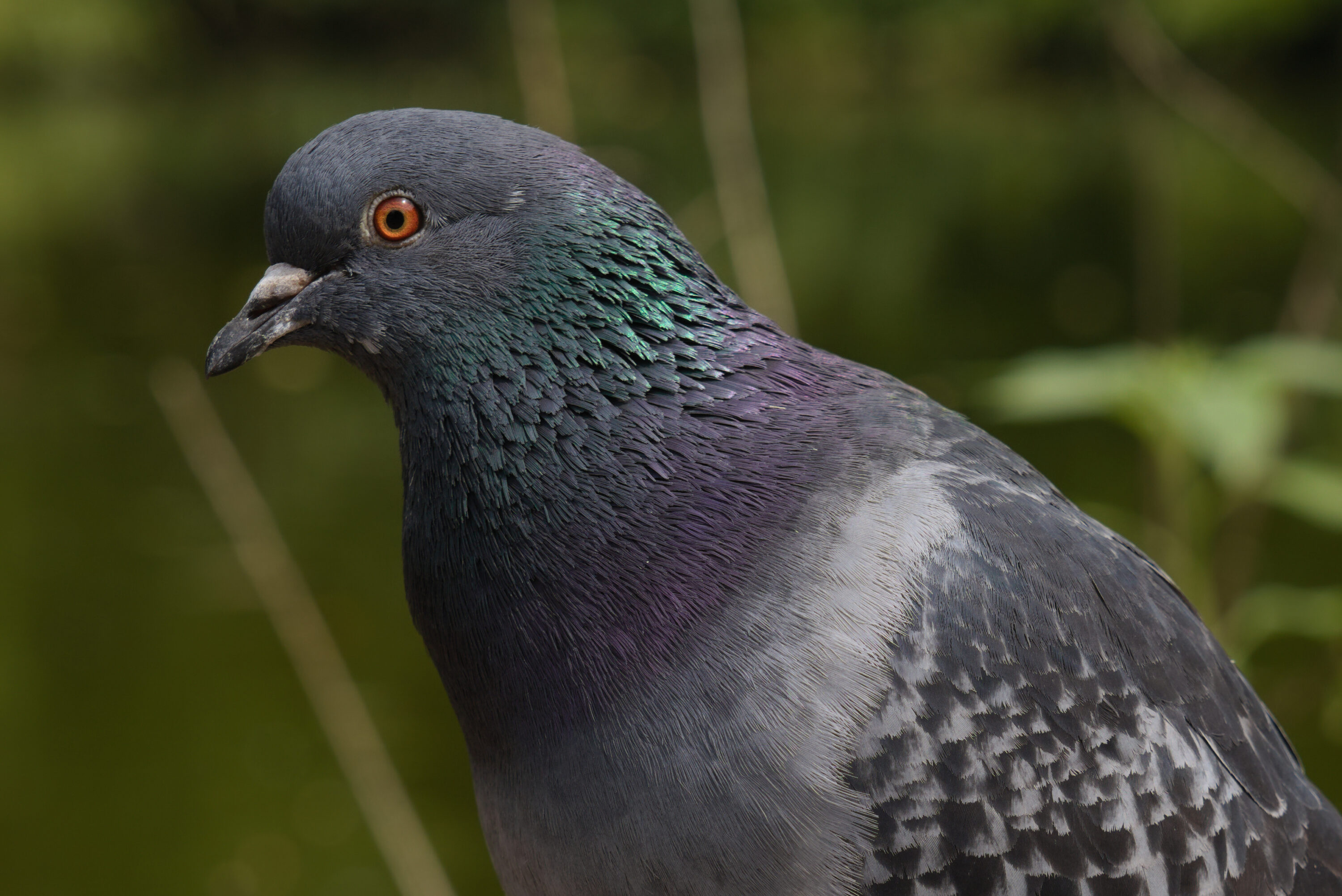
New Shiqi Pigeon Genome Placed 97.8% of Its Sequence on 41 Chromosomes
A chromosome-level genome from a female Shiqi pigeon in Zhongshan, China spans about 1.24 billion DNA bases, places…
Read story →SPECIES IN THIS STORY
Species in this story
Independent research and conservation news archive
Did you find this information useful?
Wildlife Vagabond is independently built and maintained. Voluntary support helps cover source verification, hosting and continued work on research and conservation news.
Support Wildlife VagabondThe news archive will remain freely available.