
Longer Telomeres in Yearling Barn Swallows Predicted Longer Lives and More Fledglings
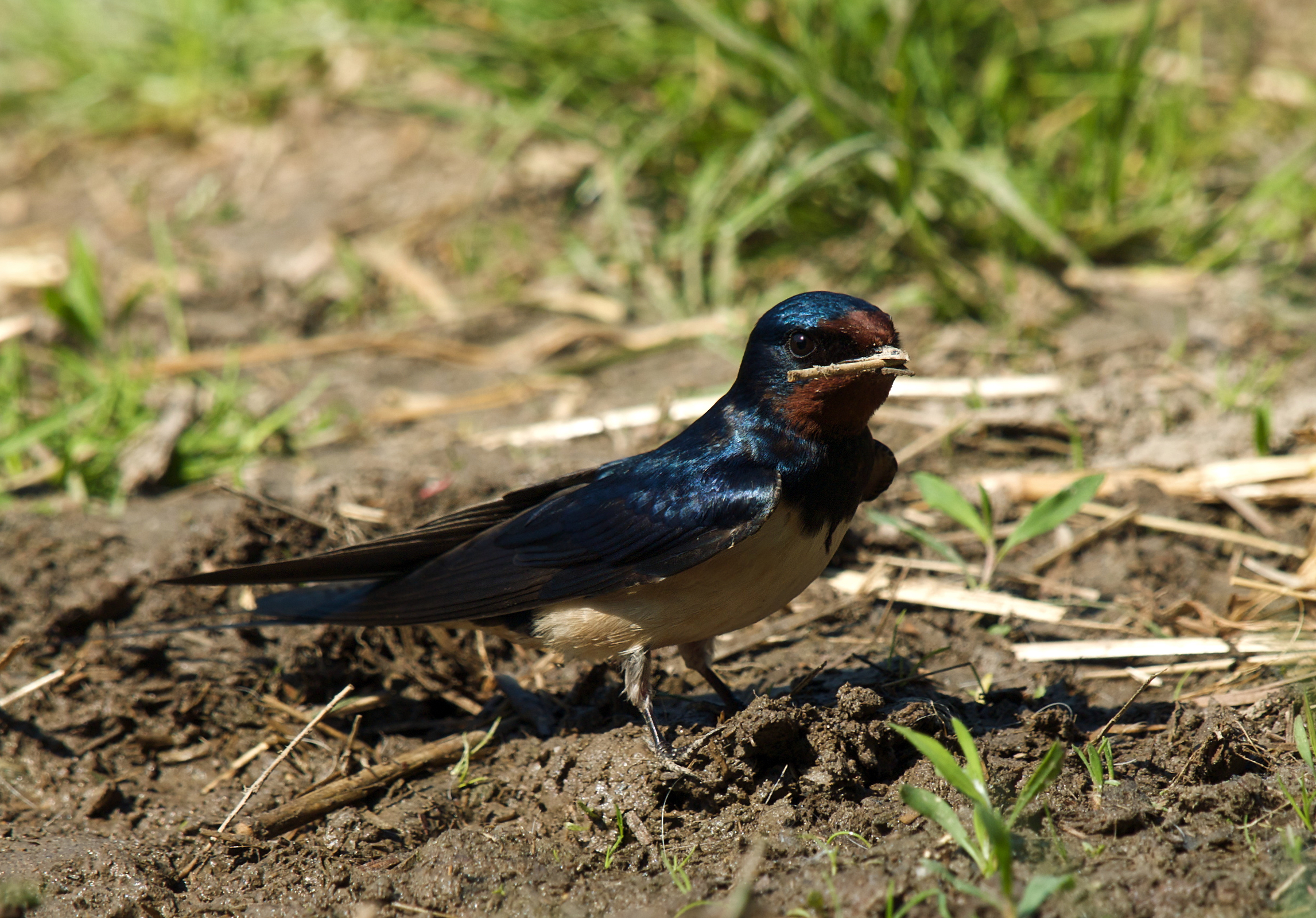
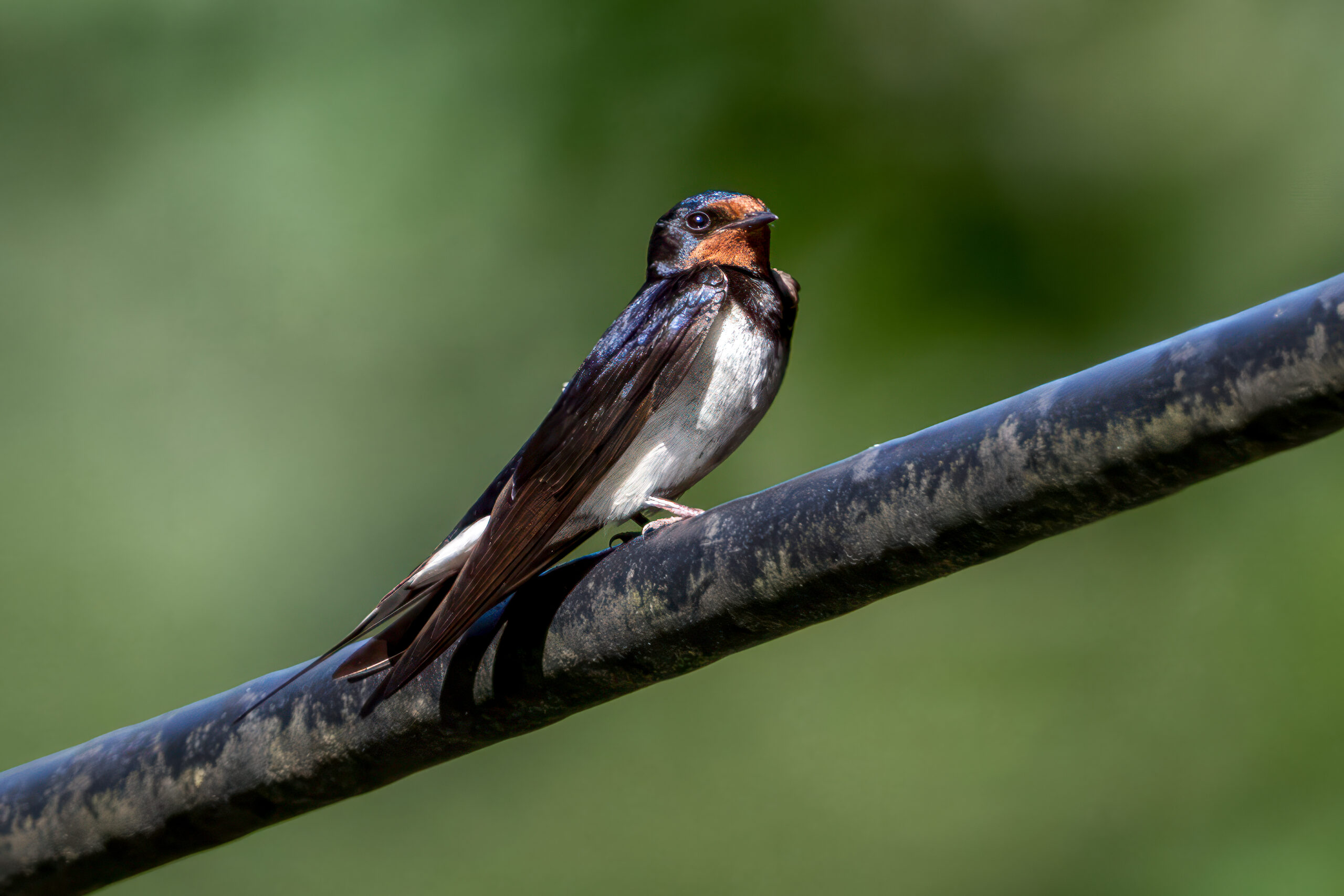
Barn swallows (Hirundo rustica) with longer telomeres when they entered the breeding population as one-year-olds lived longer and produced more fledglings over their lifetimes. Telomeres are protective nucleoprotein structures at the ends of chromosomes that help maintain genome stability. They generally shorten as cells divide and can reflect aspects of an individual’s somatic condition and investment in body maintenance. The result comes from a longitudinal study of 106 adults at five farm colonies south-east of Milan in northern Italy.
The birds belonged to three cohorts recruited in 2013–2015 and were followed until the last individual in the study had died. Researchers repeatedly measured relative telomere length in blood cells and recorded the birds’ survival and breeding. The 59 males and 47 females lived between one and seven years, and complete lifetime reproductive records were available for 76 individuals.
Longer telomeres were linked to more breeding years
Telomere length declined at a steady rate with age. Birds that had longer telomeres at recruitment lived longer, and they fledged more young over their full lives. The association with the average number of fledglings produced per breeding season was positive but not statistically significant. The authors therefore interpret the lifetime reproductive advantage as being driven mainly by longer-lived birds having more opportunities to breed.
Sexual traits showed different telomere patterns
Telomeres also varied with two sexually selected traits. Females with longer outer tail feathers had shorter telomeres, and females whose tails lengthened more between consecutive years showed faster telomere shortening. In both sexes, birds whose ventral plumage became darker between years showed less telomere shortening over the same period.
The study was correlational. The authors could not determine whether longer telomeres directly contributed to longevity or whether telomere length and lifespan reflected common underlying factors such as early-life conditions. For males, lifetime fledgling counts reflected social rather than strictly genetic paternity because extra-pair fertilization occurs in the population.
Molecular biology & biochemistry
Related news
Usutu Virus RNA Was Found Nearly Three Times as Often as West Nile Virus RNA in Southern France
Among 2,533 wild birds from 69 species in southern France, Usutu virus RNA was detected in 12.0% and…
Read story →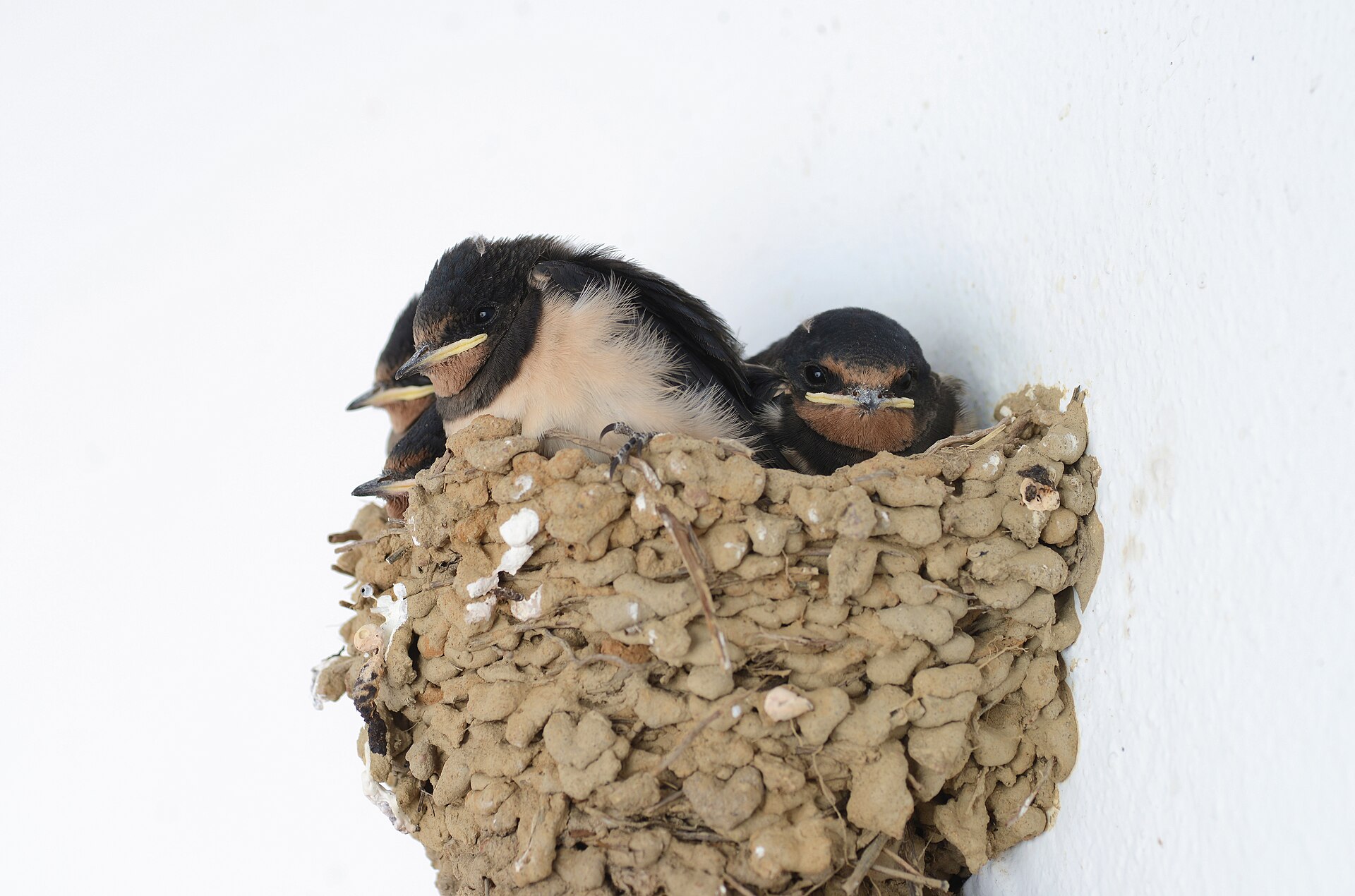
Larger Broods and Older Social Fathers Were Linked to Shorter Telomeres in Male Barn Swallow Nestlings
A long-term study near Milan found shorter telomeres in male barn swallow nestlings from larger broods or with…
Read story →
Mitochondrial DNA Reveals a More Complex Evolutionary History of Barn Swallows
A study of 580 complete barn swallow mitochondrial genomes found five major maternal lineages, including a newly recognised…
Read story →SPECIES IN THIS STORY
Species in this story
Independent research and conservation news archive
Did you find this information useful?
Wildlife Vagabond is independently built and maintained. Voluntary support helps cover source verification, hosting and continued work on research and conservation news.
Support Wildlife VagabondThe news archive will remain freely available.