
Low Fat Reserves Were Linked to Lower Pregnancy and Survival in Southern Moose
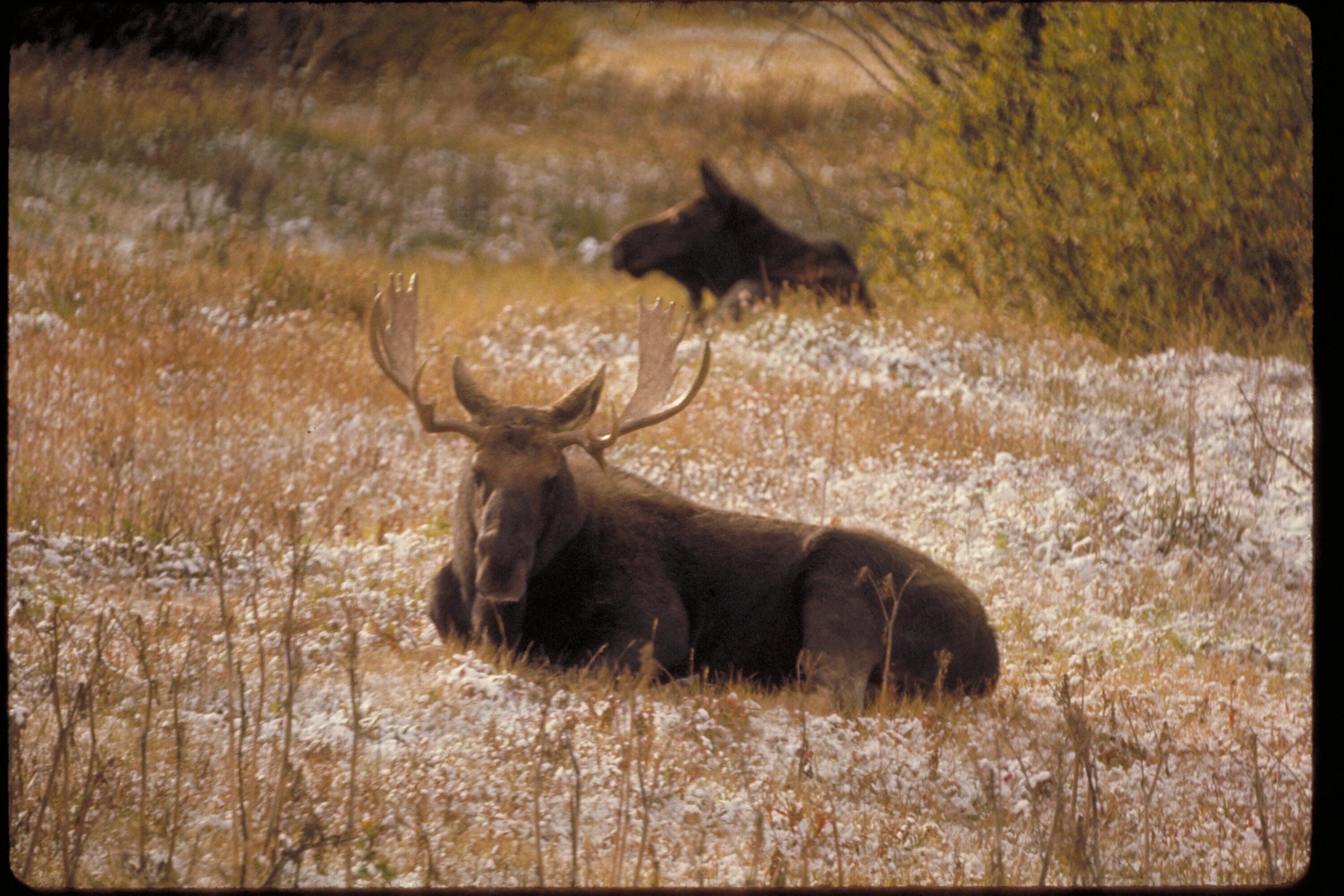
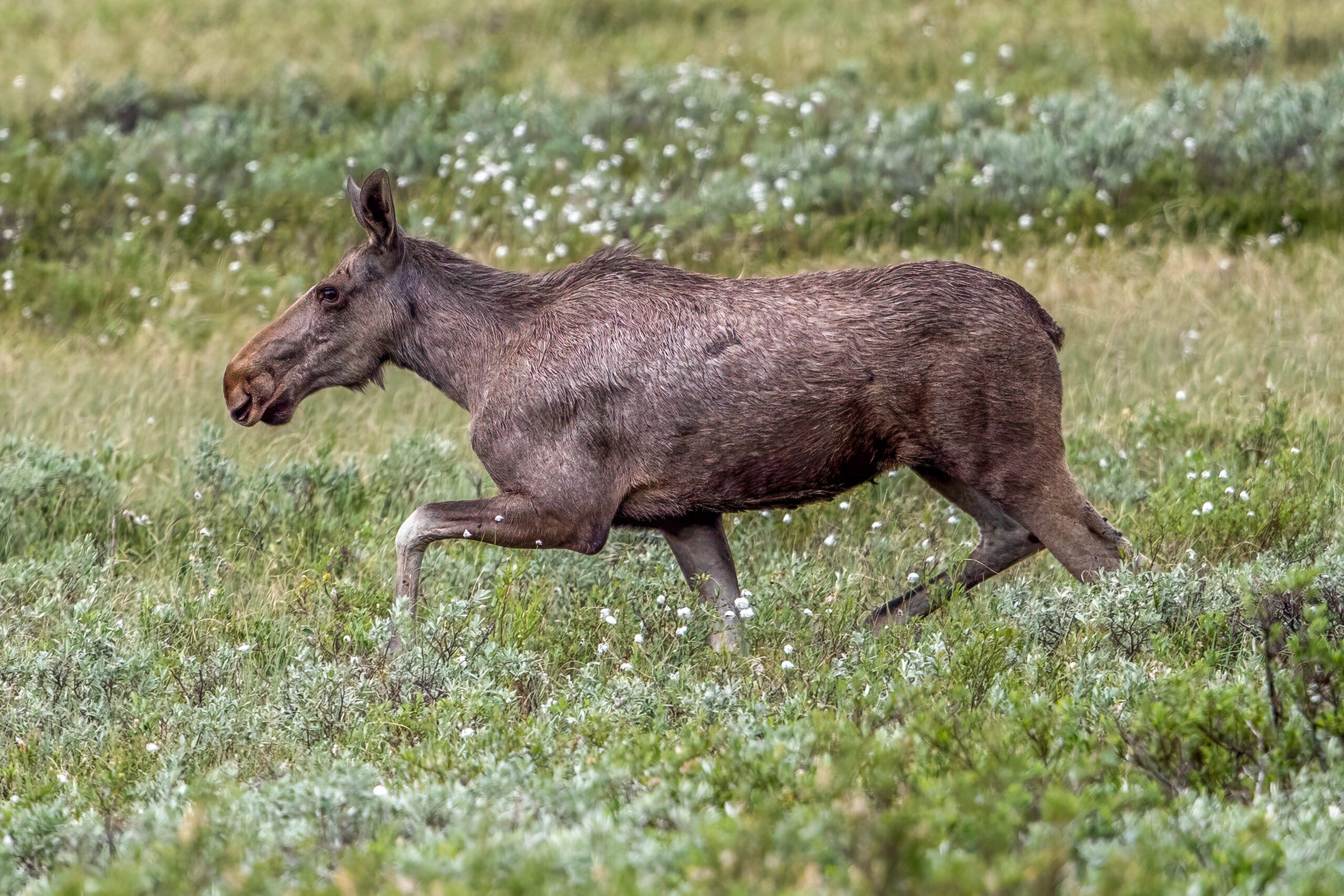
Female moose (Alces alces) near the southern edge of the species’ range in southeastern Wyoming, USA had relatively low body-fat reserves, and fatter females were more likely to be pregnant and to survive. Spring fat reserves, however, did not predict whether a female still had a calf at the end of summer. The study was published in The Journal of Wildlife Management on 6 April 2026.
Researchers repeatedly measured adult females from 2015 to 2017, using ultrasound and palpation to estimate body fat and pregnancy while GPS collars recorded movements. Ground surveys in July and August were used to determine whether pregnant females still had calves.
Seasonal changes in body fat were surprisingly small
Mean body fat was 6.21% in spring and 7.03% in autumn, a seasonal difference of less than 1.5 percentage points. Both values were lower than those reported from several more northerly moose populations cited by the authors.
More body fat was linked to pregnancy and adult survival
Pregnancy was recorded in about 82% of measured cases. Among females that gave birth, 76% still had a calf recruited into the population by late summer. Females with more than 6% body fat in autumn had a modelled pregnancy probability above 90%. Body fat was also positively associated with adult survival, while advancing age reduced pregnancy probability and overwinter survival.
Spring fat did not predict calf recruitment
A female’s body fat at the beginning of summer did not predict whether she retained a calf through late summer. Fat dynamics were nevertheless strongly state-dependent: females with more fat in spring gained less over summer, while those with more fat in autumn lost more over winter. Females that successfully recruited calves actually lost fat during summer, a season when moose would normally be expected to build reserves, consistent with the high energetic cost of lactation. The authors note that this contrasts with northern moose and some other ungulates in similar environments, which can gain fat while rearing young. They therefore suggest that pregnancy rate may reveal nutritional limitation earlier or more directly than calf recruitment in this southern population.
The moderate pregnancy rate and relatively low fat reserves were interpreted as signs of nutritional limitation. The study shows statistical relationships rather than a single cause for those conditions, and did not identify one habitat feature or environmental driver responsible for the low reserves.
Physiology
Related news
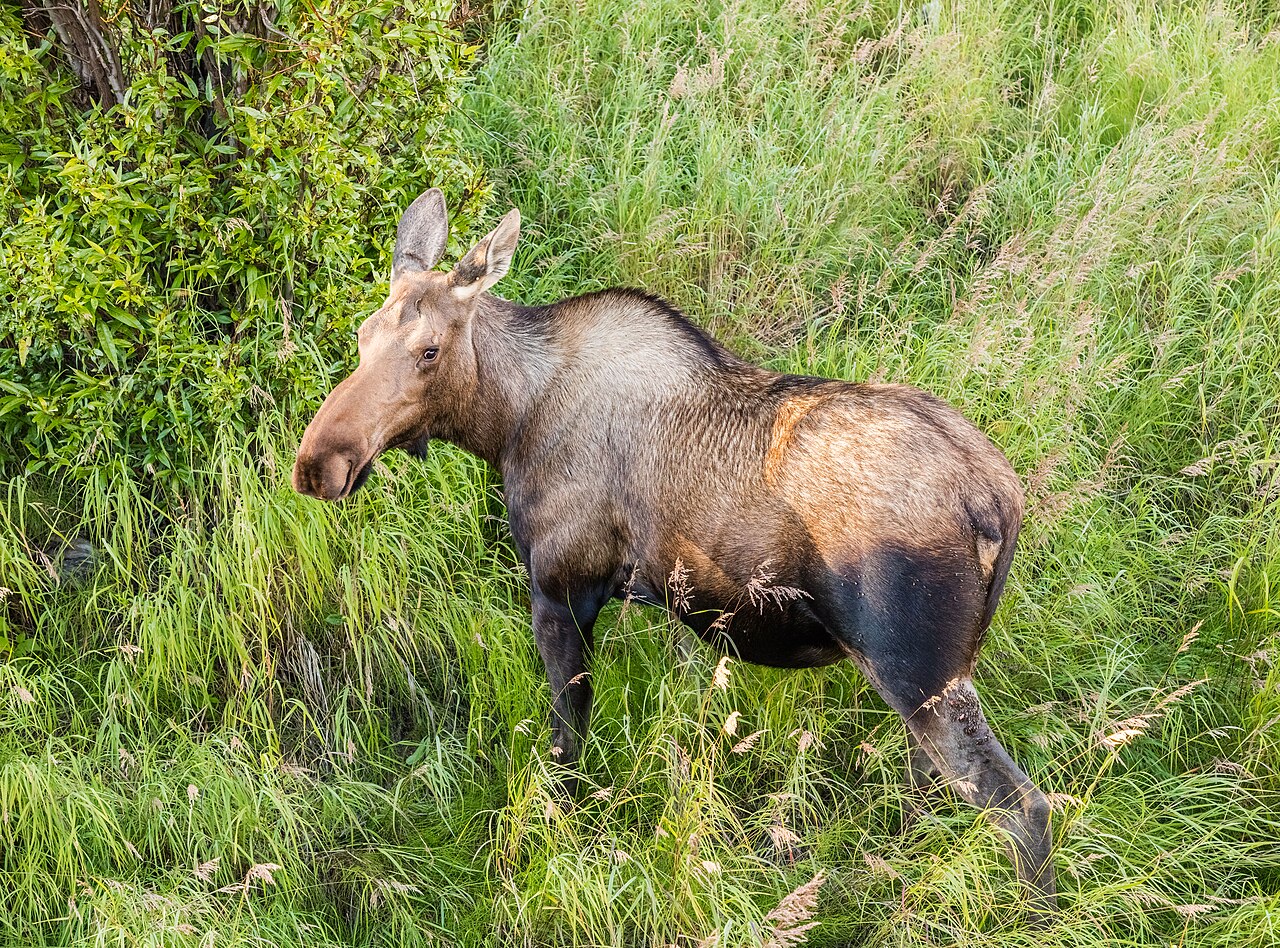
Arctic Moose Follow the River Valleys
GPS tracking in Alaska showed that half of 24 female moose migrated between summer and winter ranges. Migrants…
Read story →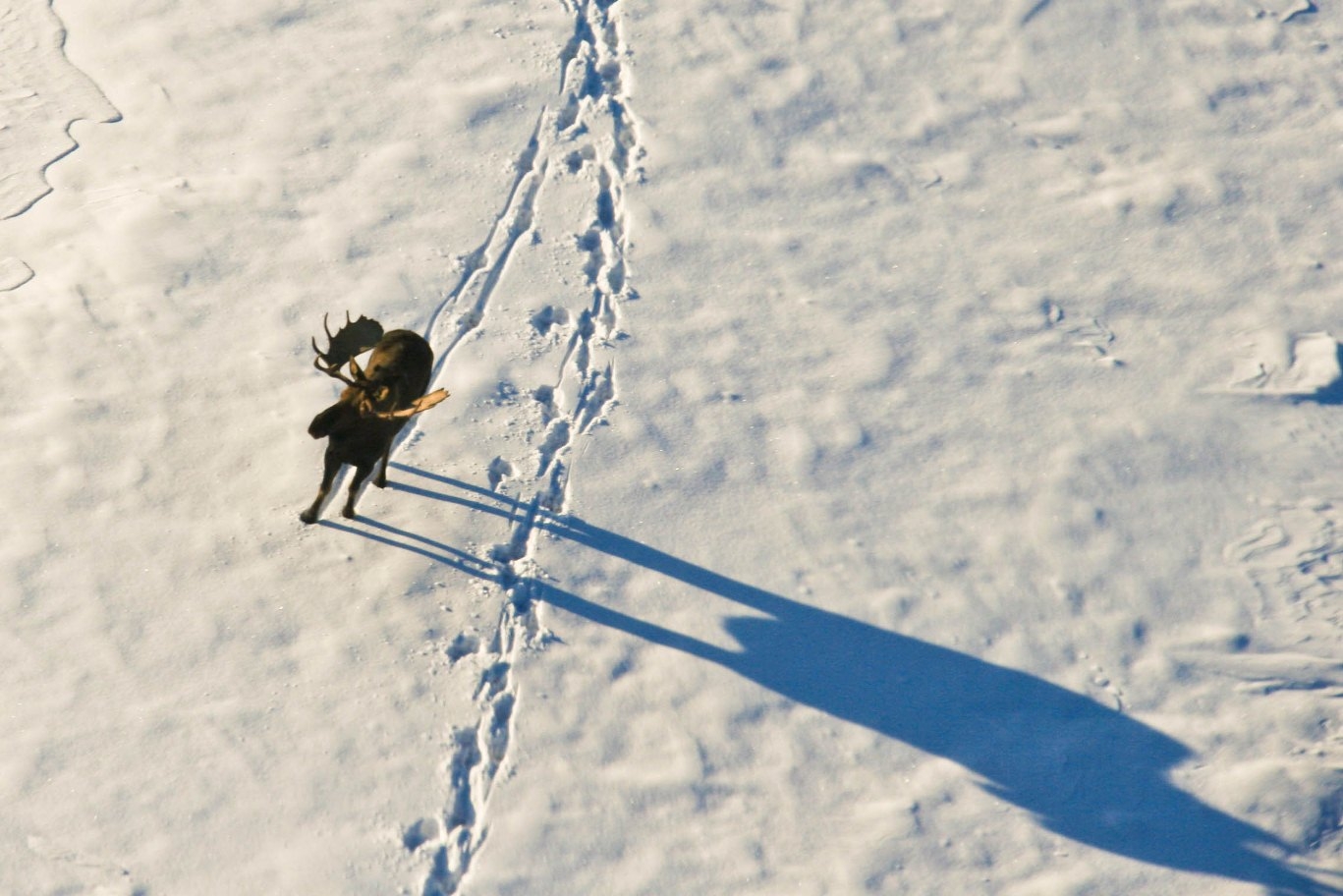
Thermal Drones Found Nearly All Moose in Favourable Winter Weather
Swedish trials found detection close to 100% in cold, overcast winter conditions, but the survey effort needed for…
Read story →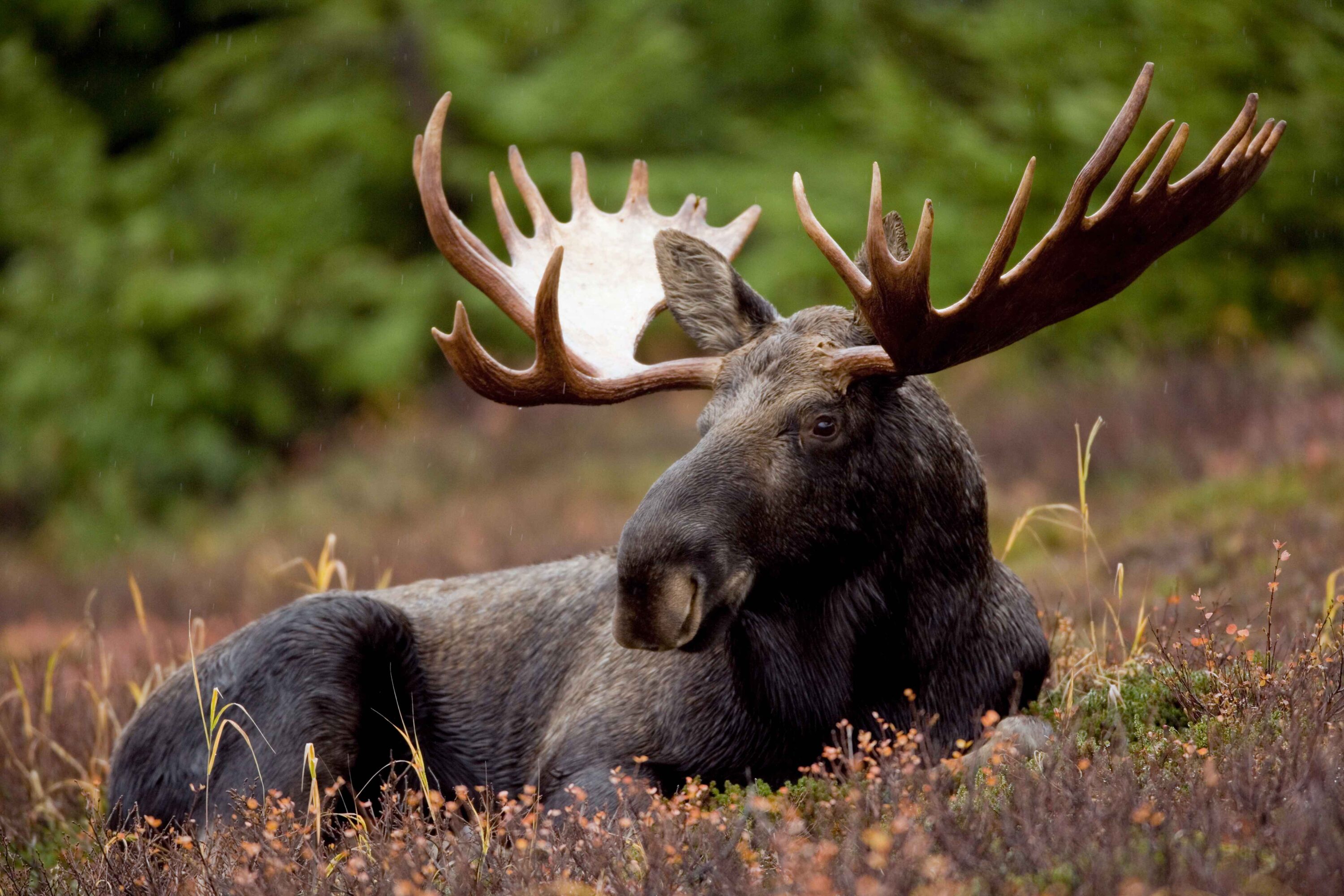
Even Adirondack Park’s Densest Moose Area Was Too Sparse for Precise Aerial Estimates
Helicopter surveys estimated about 92 moose in the Adirondack core in 2024 and 112 in 2025, but broad…
Read story →SPECIES IN THIS STORY
Species in this story
Independent research and conservation news archive
Did you find this information useful?
Wildlife Vagabond is independently built and maintained. Voluntary support helps cover source verification, hosting and continued work on research and conservation news.
Support Wildlife VagabondThe news archive will remain freely available.