
Male African Bush Elephants Moved Farther During the Dry Season in W–Arly–Pendjari
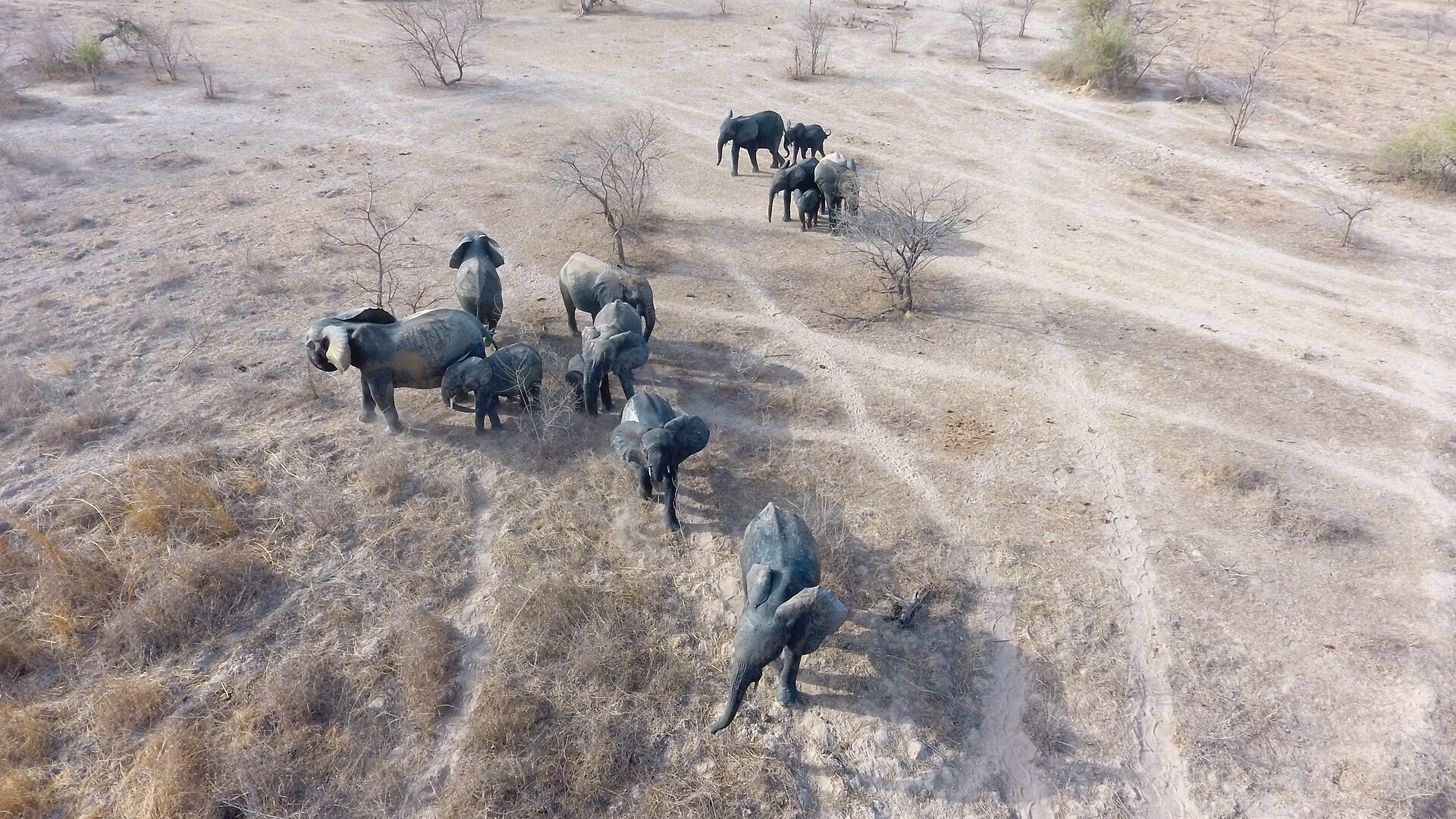
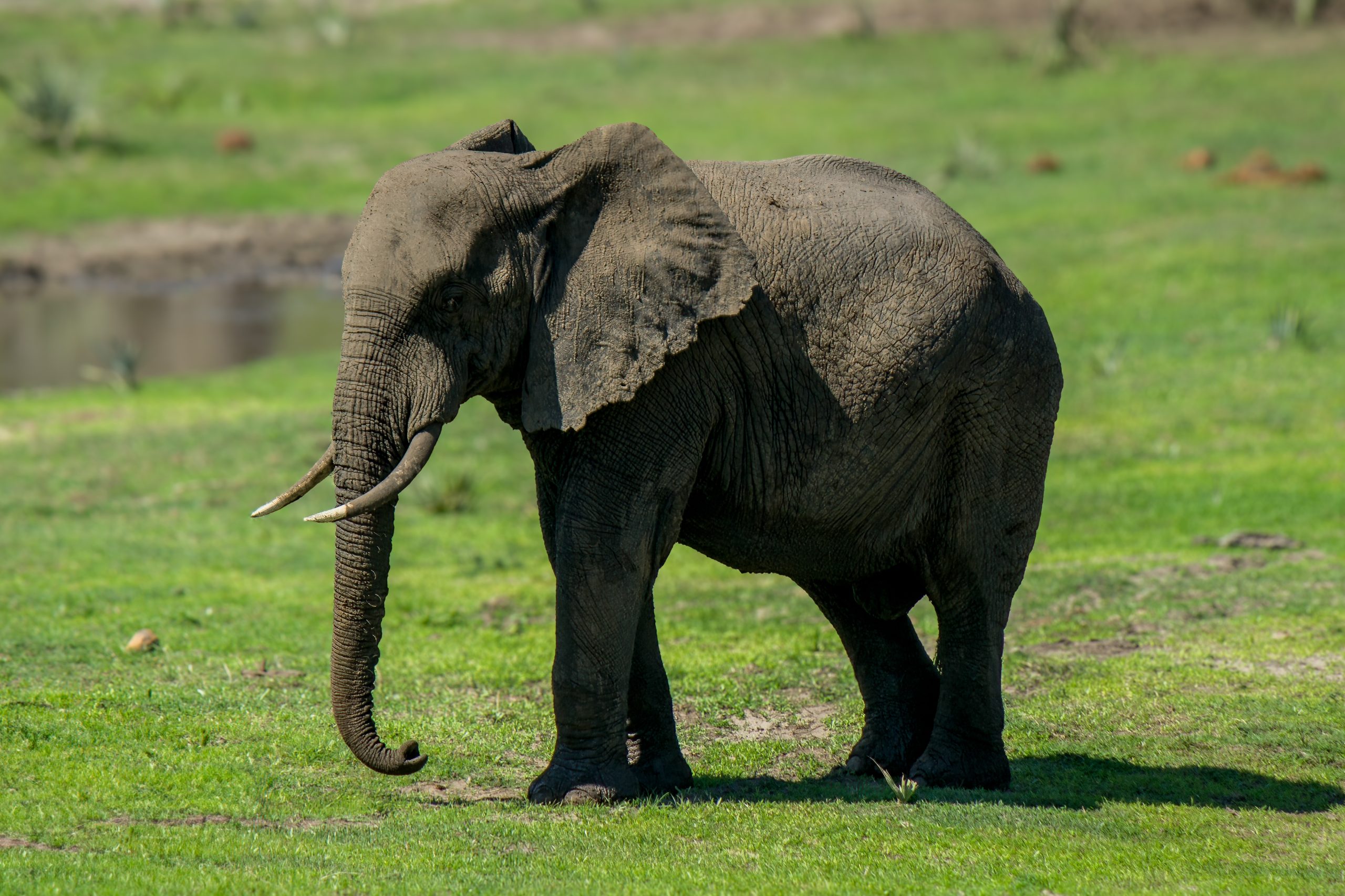
Male and female African bush elephants (Loxodonta africana) in the transboundary W–Arly–Pendjari complex differed in how far they moved between seasons. The study followed 22 GPS-tracked elephants — seven males and 15 females — between 2019 and 2024 across Benin, Burkina Faso and Niger.
The researchers compared seasonal displacement, home-range size and spatial overlap, and examined how movement was related to water and recorded human–elephant conflict areas.
Males moved farther in the dry season, averaging 296 km compared with 252 km in the wet season
Males moved farther during the dry season, averaging 296 km compared with 252 km in the wet season. Females did not show a corresponding seasonal difference.
Home-range size told a different story. Although male ranges were slightly larger in the dry season and female ranges slightly larger in the wet season, those seasonal differences were not statistically supported. The greater dry-season displacement of males therefore did not mean that their overall home ranges became clearly larger.
Females showed stronger spatial cohesion
Range overlap was greatest among females during the wet season and lowest among males during the dry season. The authors interpret this as stronger spatial cohesion among females and greater spatial separation among males.
This distinction is biologically important: displacement describes how far elephants move through the landscape, while home-range size describes the overall area used and overlap describes how much individuals share the same space. The strongest seasonal signal in the study was male movement distance, not a change in total range area.
Water and human pressure were linked to movement
Elephant movement increased closer to water points and farther from recorded conflict zones and rivers. The authors conclude that both ecological resources and anthropogenic pressure shape movement in W–Arly–Pendjari, and that these effects differ between males and females.
Because the W–Arly–Pendjari complex spans three countries and several protected areas, the study provides a multi-year movement baseline for conservation planning across the wider transboundary system.
Ecology
Related news
An ancient viral gene may have been repurposed in elephant placenta
An ancient viral gene that appears to have been inherited for at least 79 million years is strongly…
Read story →
Three Ways of Analysing Elephant Calls Gave Different Results
Recordings from a semi-free herd in South Africa show how the method used to classify call timing can…
Read story →
African Bush Elephants Distinguished Artificial Food-Quantity Patterns at Close Range
In experiments in South Africa, four semi-tame elephants chose between visual patterns representing canopy size and leaf density.…
Read story →SPECIES IN THIS STORY
Species in this story
Independent research and conservation news archive
Did you find this information useful?
Wildlife Vagabond is independently built and maintained. Voluntary support helps cover source verification, hosting and continued work on research and conservation news.
Support Wildlife VagabondThe news archive will remain freely available.