
Male Mute Swans Were Larger Than Females in Every Linear Measurement
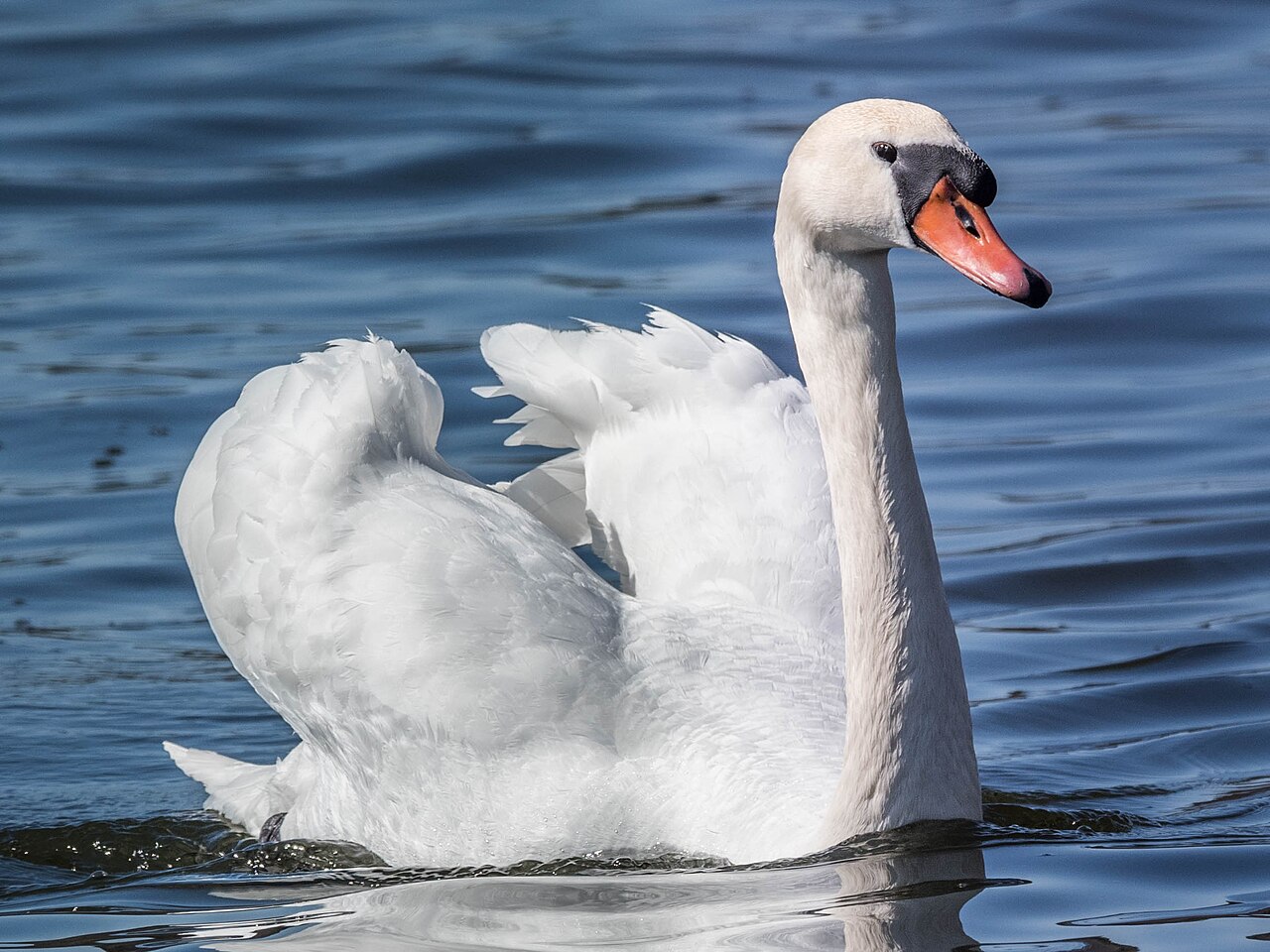
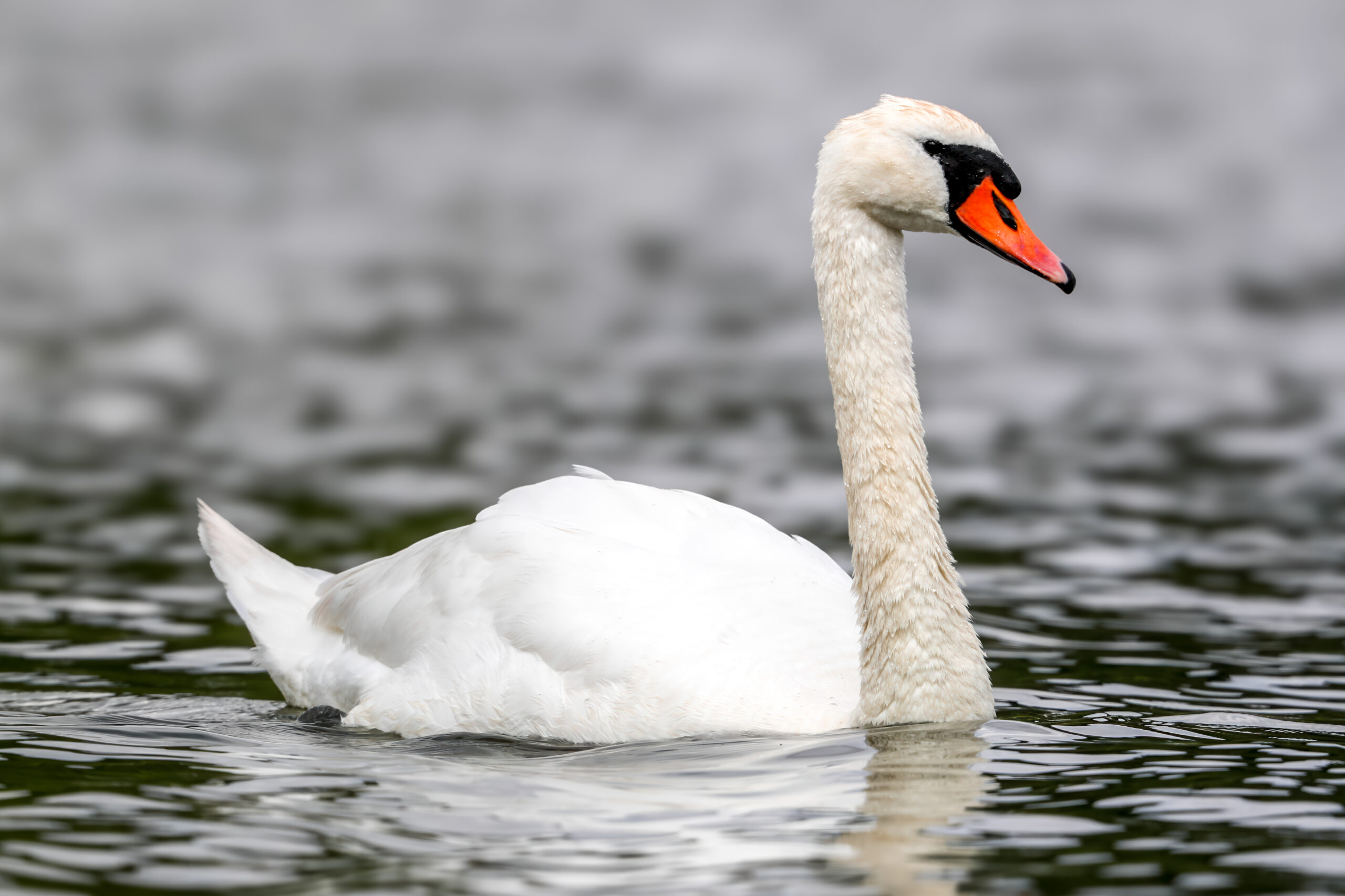
Measurements of wintering mute swans (Cygnus olor) from four regions of Poland found that males were larger than females across every linear body measurement examined. The study, published online on 9 January 2026, also found differences related to age and geographic region.
The researchers measured 938 ringed swans from four Polish wintering regions, comparing total head length, forearm length, wing and primary-feather length, and the combined length of the tarsus and toe. Sexual size differences were strongest in tarsus-plus-toe length.
Leg growth differed between males and females
Tarsus-plus-toe length increased with age only in males. The authors suggest that this may reflect differences in body mass and parental roles. Male mute swans are heavier and take a prominent role in territorial defence, and larger feet may help with rapid take-off, movement on water and the characteristic foot-clapping display used during territorial encounters.
The fourth primary feather increased in length with age in both sexes, while forearm length increased with age only in females. Total head length did not change with age in either sex, which the authors link to the importance of the head and bill reaching functional size early for feeding.
Some measurements also varied geographically
The swans came from four wintering regions in Poland. Birds from the two northern coastal areas, the Gulf of Gdańsk and Świnoujście, had greater total head lengths than birds from Central Poland and Upper Silesia across age and sex classes. Other measurements showed less consistent geographic variation.
The study also tested how repeatable the different measurements were. Total head length, forearm length and tarsus-plus-toe length were the most repeatable, while wing length and fourth-primary length varied more between repeated measurements. The authors recommend the three more repeatable measurements for future morphological monitoring of waterbirds.
Body measurements are widely used to study sex, age, condition and geographic variation in birds. The results show that mute swan morphology varies not only between males and females but also with age and location. The authors therefore emphasise that population-specific variation should be considered when body measurements are used to classify sex or compare populations.
Anatomy & morphology
Related news
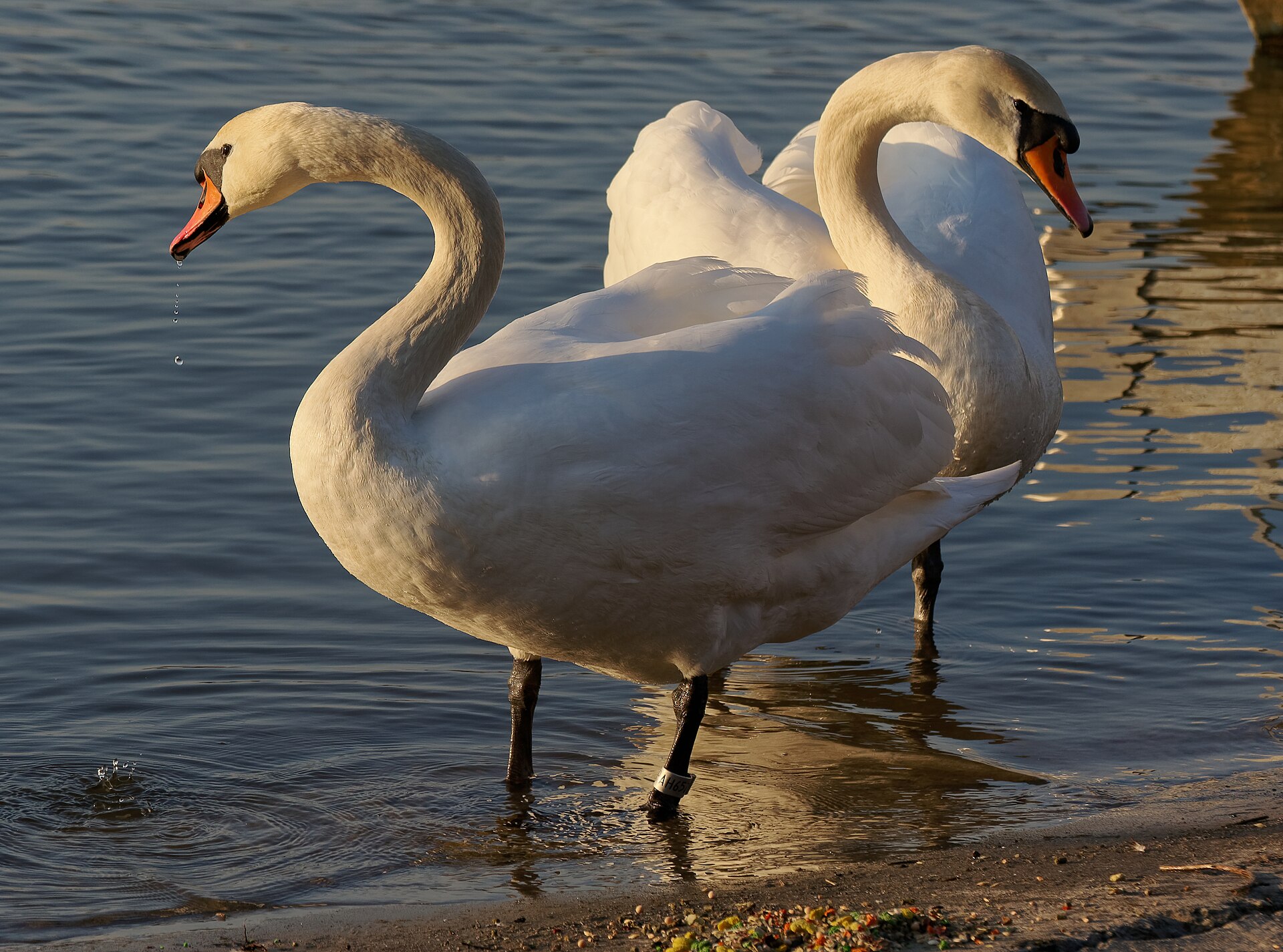
Inland Mute Swans Had Better Winter Body Condition Than Coastal Birds
A study of 853 mute swans in Poland suggests larger energy reserves in the colder interior than along…
Read story →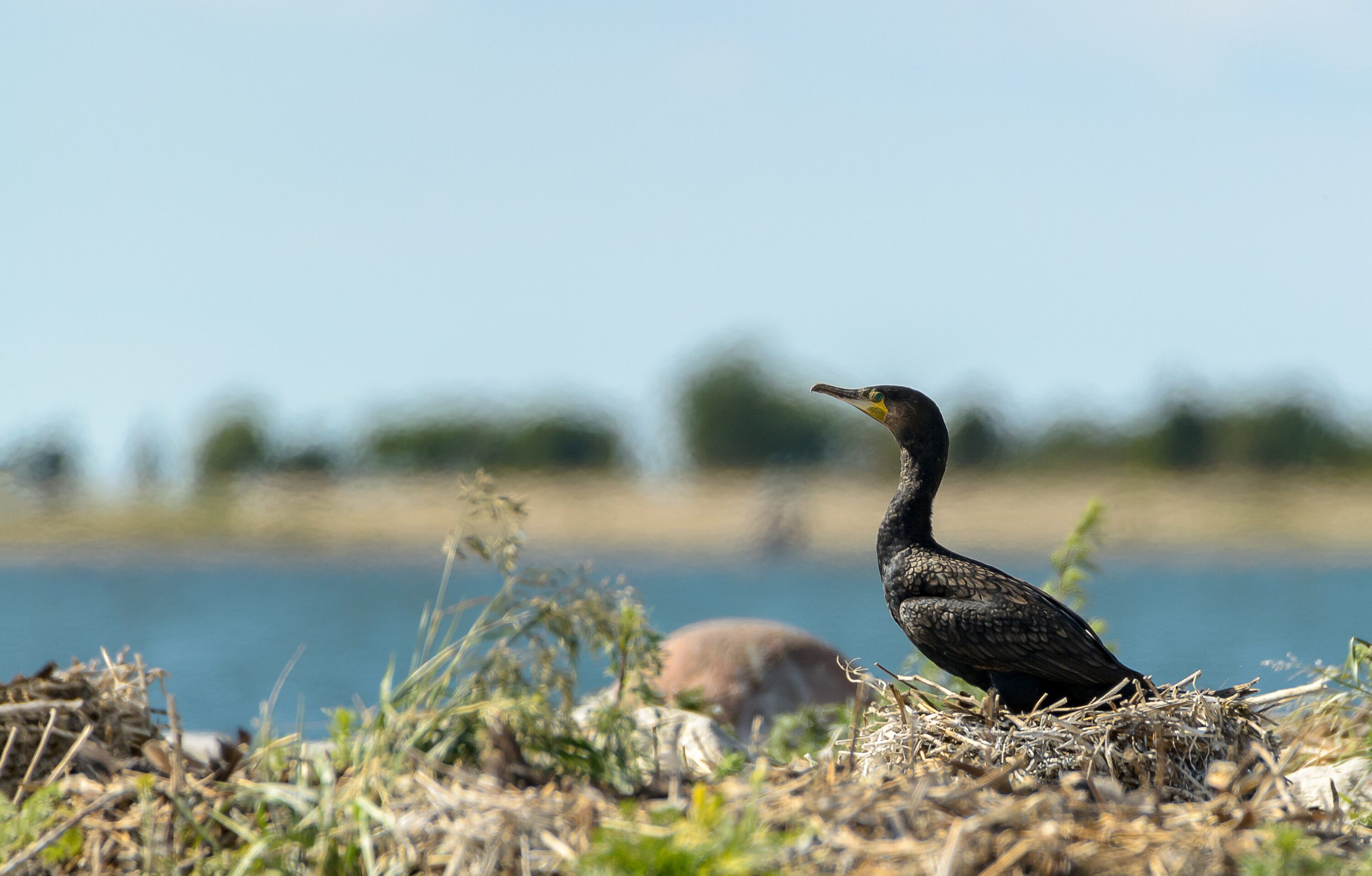
Bird Diversity Fell After Cormorant Colonies Became Established on Baltic Islands
Annual monitoring from 261 Estonian Baltic islands showed that breeding-bird diversity declined after great cormorant colonies became established…
Read story →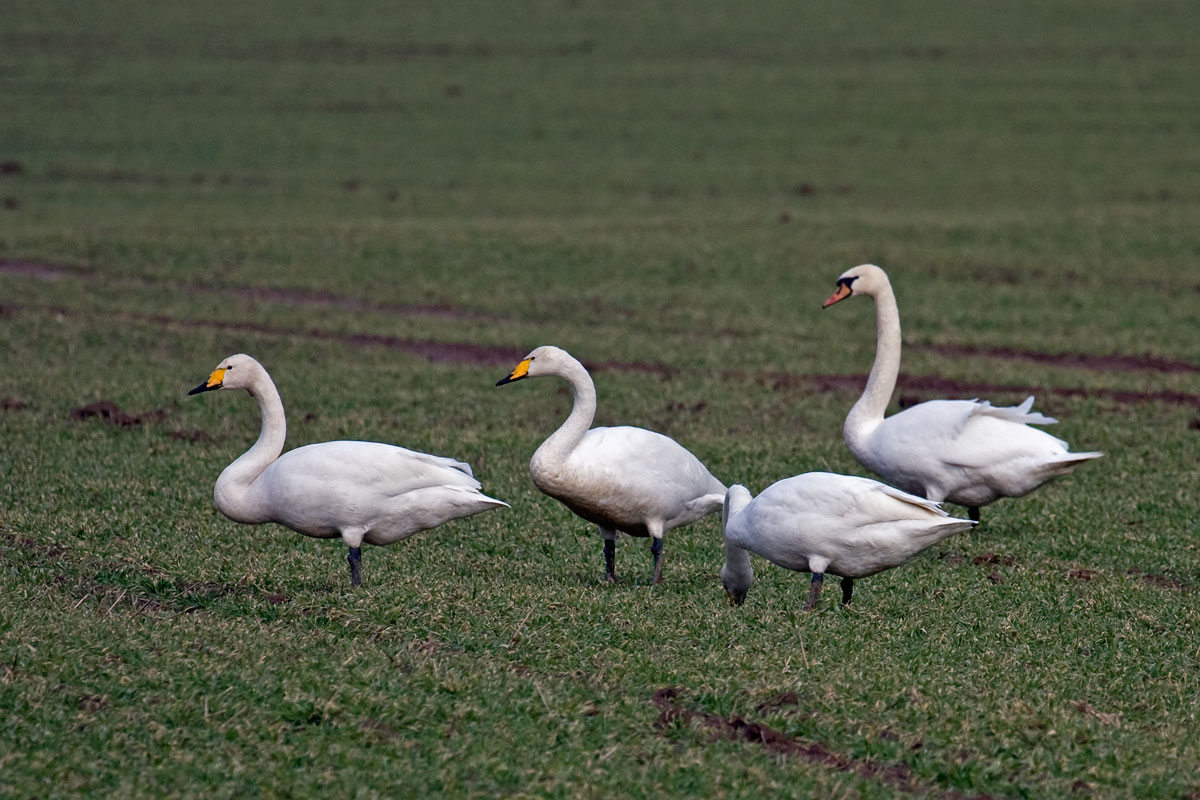
Mute Swan Nests Were More Concealed Where Whooper Swans Also Bred
Across 68 Mute Swan nests in Polish fishpond systems, nests were more concealed when Whooper Swans bred in…
Read story →SPECIES IN THIS STORY
Species in this story
Independent research and conservation news archive
Did you find this information useful?
Wildlife Vagabond is independently built and maintained. Voluntary support helps cover source verification, hosting and continued work on research and conservation news.
Support Wildlife VagabondThe news archive will remain freely available.