
Adult Male Wild Boar Mounted a Dead Female and Revisited the Carcass 12 Times
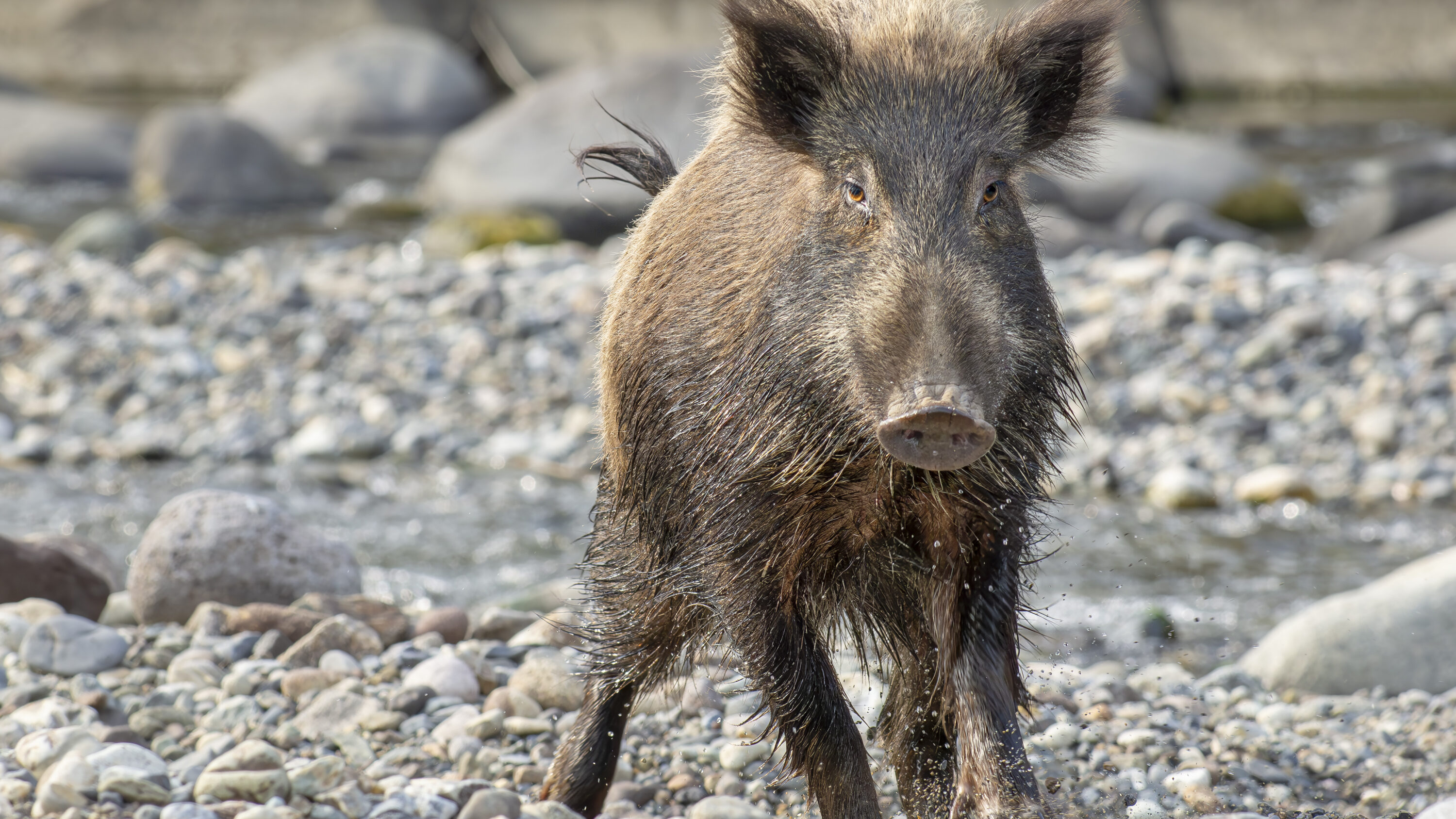
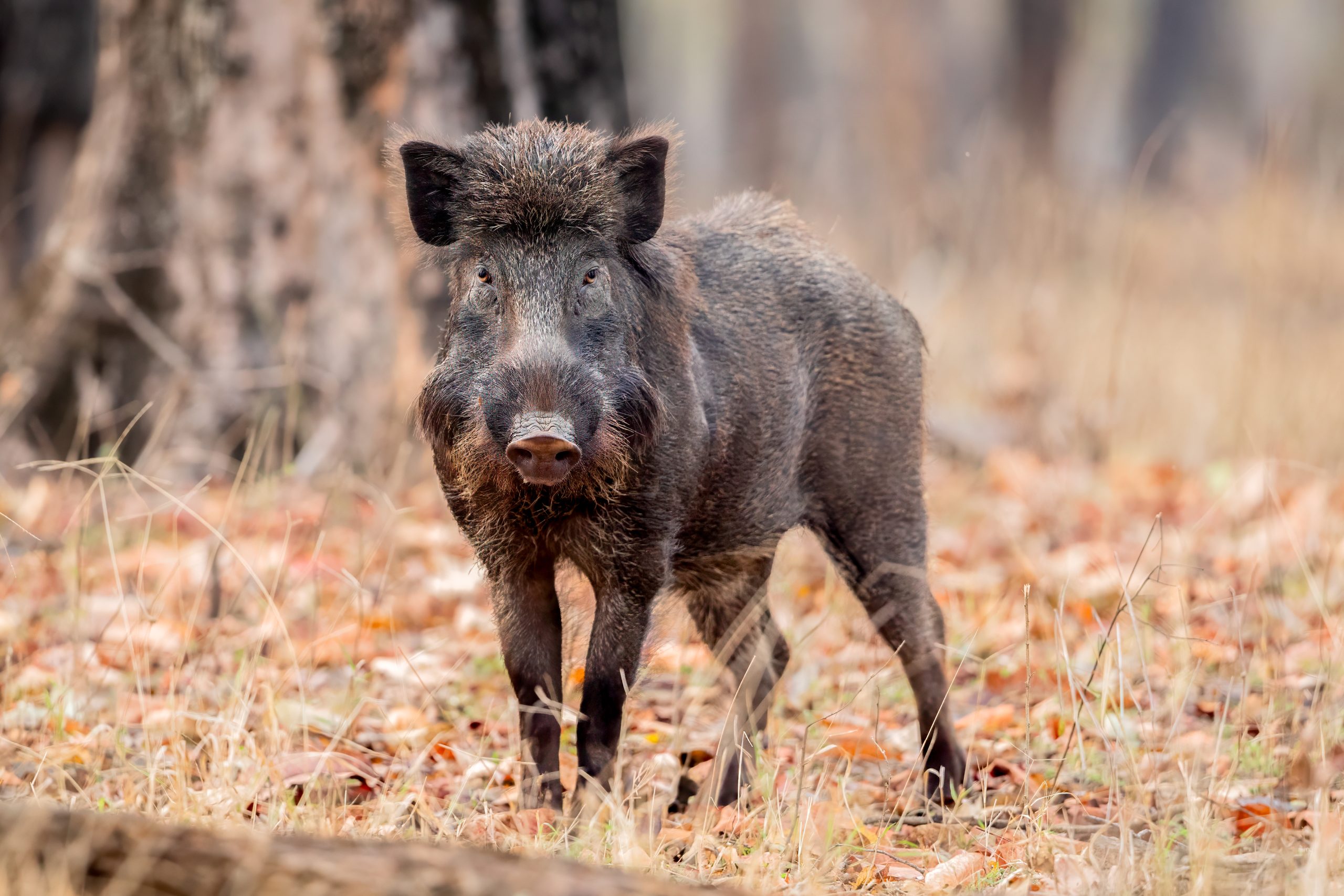
Camera traps in Nikko City, Japan, recorded an adult male wild boar (Sus scrofa) repeatedly returning to the carcass of an adult female, with mounting attempts during his first two visits. The male visited the carcass 12 times between 6 and 18 October 2023 and continued interacting with it as decomposition progressed.
The carcass was monitored from 1 October to 11 November with motion-triggered video and daily interval images. Three wild boar approached it during the study, but their responses differed strongly. Three independent observers identified the repeated visitor as the same adult male from body size, body shape, external genitalia and snout length. He made 12 visits from 6 to 18 October. A juvenile female accompanied him during three visits and appeared alone once without clear carcass-directed behaviour; a third, subadult animal of unknown sex visited twice later during skeletonisation and showed only exploratory movement.
Mounting occurred only during the first two visits
The adult male was filmed mounting the carcass for a total of 719 seconds — about 12 minutes — during his first two visits on 6 October. Nosing and chin-resting, behaviours associated with wild-boar courtship, were also recorded. These observations led the authors to classify the mounting as necrophilic behaviour: attempted copulation directed toward a dead conspecific or closely related species.
The trigger for the mounting remains unknown
Sniffing was especially frequent during the two visits in which mounting occurred, so the authors consider olfactory or other chemical cues a possible proximate trigger. One possibility is that cues linked to the female’s reproductive state remained detectable, but her oestrous status was unknown and the male first reached the carcass 4.6 days after it was placed. The authors therefore could not determine what triggered the necrophilic behaviour.
Interest continued after the mating attempts
Later visits included stepping on the carcass, sniffing it and resting nearby, even as the body reached advanced decomposition and skeletonisation. None of the three wild boars consumed soft tissue, although the adult male later chewed a rib bone. The researchers interpret the prolonged pattern as sustained interest rather than scavenging.
The literature review identified ten previous mammalian reports, making this the 11th documented case in mammals and the fourth in terrestrial mammals. The authors emphasise that one case does not show that such behaviour is typical of wild boar. They place the observations within comparative thanatology — the study of how animals respond to death and dead conspecifics — because the three individuals reacted very differently and the adult male’s behaviour changed as decomposition progressed. The authors also note that repeated physical contact with conspecific carcasses could increase transmission risk for infections such as African and classical swine fever even when animals do not scavenge soft tissue.
Behaviour
Related news
Maps Show Where Wild Boar Could Thrive and Spread on Jeju Island
Researchers mapped potentially suitable wild-boar habitat across roughly 36% of Jeju Island and identified eight possible corridors linking…
Read story →
Roe Deer and Wild Boar Remained Key Wolf Prey as Diet Shifted Across North-western Italy
From 2021 to 2025, wolves in north-western Italy continued to feed mainly on wild prey. In the Po…
Read story →
Copper levels in wild boar differed across Slovak districts
An analysis of kidney, liver and muscle from 147 wild boar in four districts found that iron and…
Read story →SPECIES IN THIS STORY
Species in this story
Independent research and conservation news archive
Did you find this information useful?
Wildlife Vagabond is independently built and maintained. Voluntary support helps cover source verification, hosting and continued work on research and conservation news.
Support Wildlife VagabondThe news archive will remain freely available.