
Five Duck Samples at Lake Madatapa Showed Avian Influenza Co-Infections
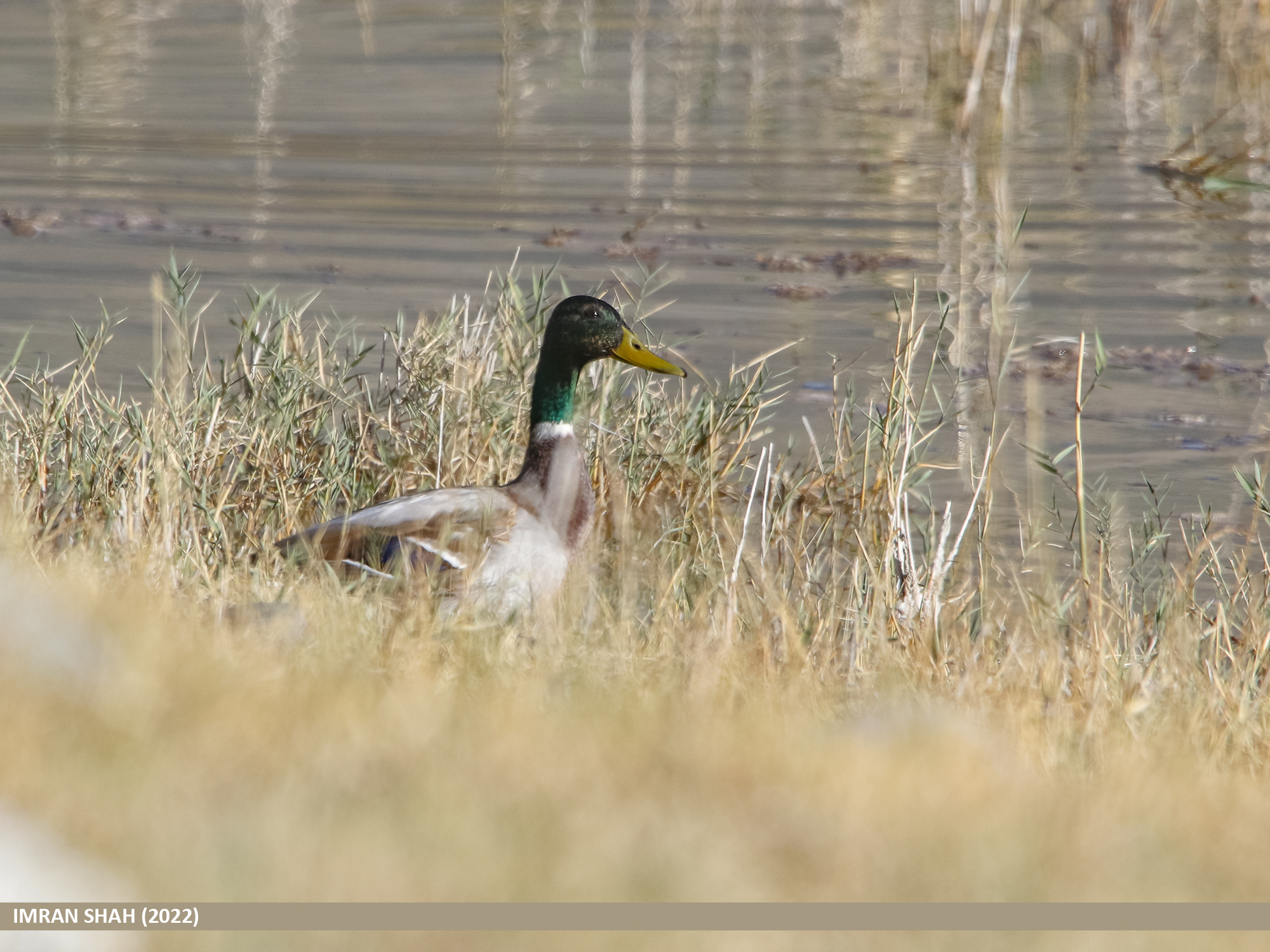
Wild ducks and domestic sentinel mallards at Lake Madatapa on Georgia’s Javakheti Plateau carried a genetically diverse mixture of avian influenza A viruses during the autumn migrations of 2022 and 2023. The study, published on 28 January 2026, examined which subtypes were present, how the viruses were related to lineages elsewhere in Eurasia and Africa, and how often more than one influenza virus occurred in the same sample.
Researchers used a swim-in trap at Lake Madatapa, a shallow high-altitude stopover where locally breeding and long-distance migratory waterfowl mix. Various wild duck species, including mallards (Anas platyrhynchos), were captured. Five domestic mallards (Anas platyrhynchos domesticus) were kept inside the trap to attract wild ducks and also served as sentinels that could acquire infection through contact with them. Wild and domestic ducks were sampled twice a week, and the study analysed 225 duck samples in total.
Five co-infections among 55 sequenced positive samples
Of the 225 samples, 128 were positive for the influenza A matrix gene. All 128 were negative in subsequent H5- and H7-specific tests. Fifty-five positive samples with suitable viral loads were selected for whole-genome sequencing. Five of these 55 — about 9% of the sequenced positives — contained evidence of co-infection with more than one influenza virus.
The subtype composition changed markedly between years. Samples from 2022 included H6N1, H6N6, H9N2, H4N6, H2N1 and H6N9, whereas those from 2023 included H6N1, H11N9, H3N8 and H1N3. H6N1 was the only subtype listed in both years and was the most common overall. The five co-infected samples contained more than one haemagglutinin (HA) and/or neuraminidase (NA) type. HA and NA are the two influenza surface proteins used in subtype names such as H6N1, so multiple HA or NA signals in one sample indicate that more than one influenza virus was present.
A protein-sequence model was used as a supplementary check for mixed infections. More importantly, direct sequencing can keep multiple viruses in the same sample visible, whereas growing viruses in eggs can favour one strain and obscure part of the original mixture.
Virus lineages changed between 2022 and 2023
The phylogenetic analyses showed that the viruses detected at Madatapa were not a single local lineage. H6 viruses from 2022 were related to viruses previously detected in North Africa and Europe. In 2023, some H6 viruses resembled that lineage while most belonged to another group closer to European viruses; other genome segments also showed links to viruses from southern Siberia and southern Asia.
The authors interpret this mixture in light of Georgia’s position where the Central Asian, East Africa–West Asia and Mediterranean/Black Sea migratory flyways intersect. Ducks arriving from different breeding and migration regions can therefore bring together influenza lineages with different geographic histories at the same stopover site.
Co-infections create opportunities for reassortment
That matters because simultaneous infection with different influenza viruses creates the opportunity for reassortment, in which genome segments are exchanged between viruses. The authors therefore argue that direct genomic surveillance, supported by phylogenetic and protein-sequence analysis, can give a more complete picture of influenza diversity at migratory mixing points such as Lake Madatapa and recommend expanding this approach in wild-bird surveillance.
Disease, parasites & microbiology
Related news
Seven overlaps linked wild-bird H5 clusters with poultry outbreaks in the US
Across seven periods between 2022 and 2025, clusters of H5 detections in wild waterfowl overlapped in time and…
Read story →
H5 Avian Influenza RNA and ESBL E. coli Detected in Water Bins Used by Wild Mallards in Germany
Water from baited bins visited mainly by wild mallards on Germany’s Baltic coast contained RNA from highly pathogenic…
Read story →
Papillomavirus Genomes Recovered from Three Northern Pintails and One Mallard in New Mexico
Cloacal swabs from three northern pintails and one mallard in New Mexico yielded four complete papillomavirus genomes. All…
Read story →SPECIES IN THIS STORY
Species in this story

Independent research and conservation news archive
Did you find this information useful?
Wildlife Vagabond is independently built and maintained. Voluntary support helps cover source verification, hosting and continued work on research and conservation news.
Support Wildlife VagabondThe news archive will remain freely available.