
Mallard and Gadwall Broods Were 0.8–1.4 km From Their Nests by Day Five
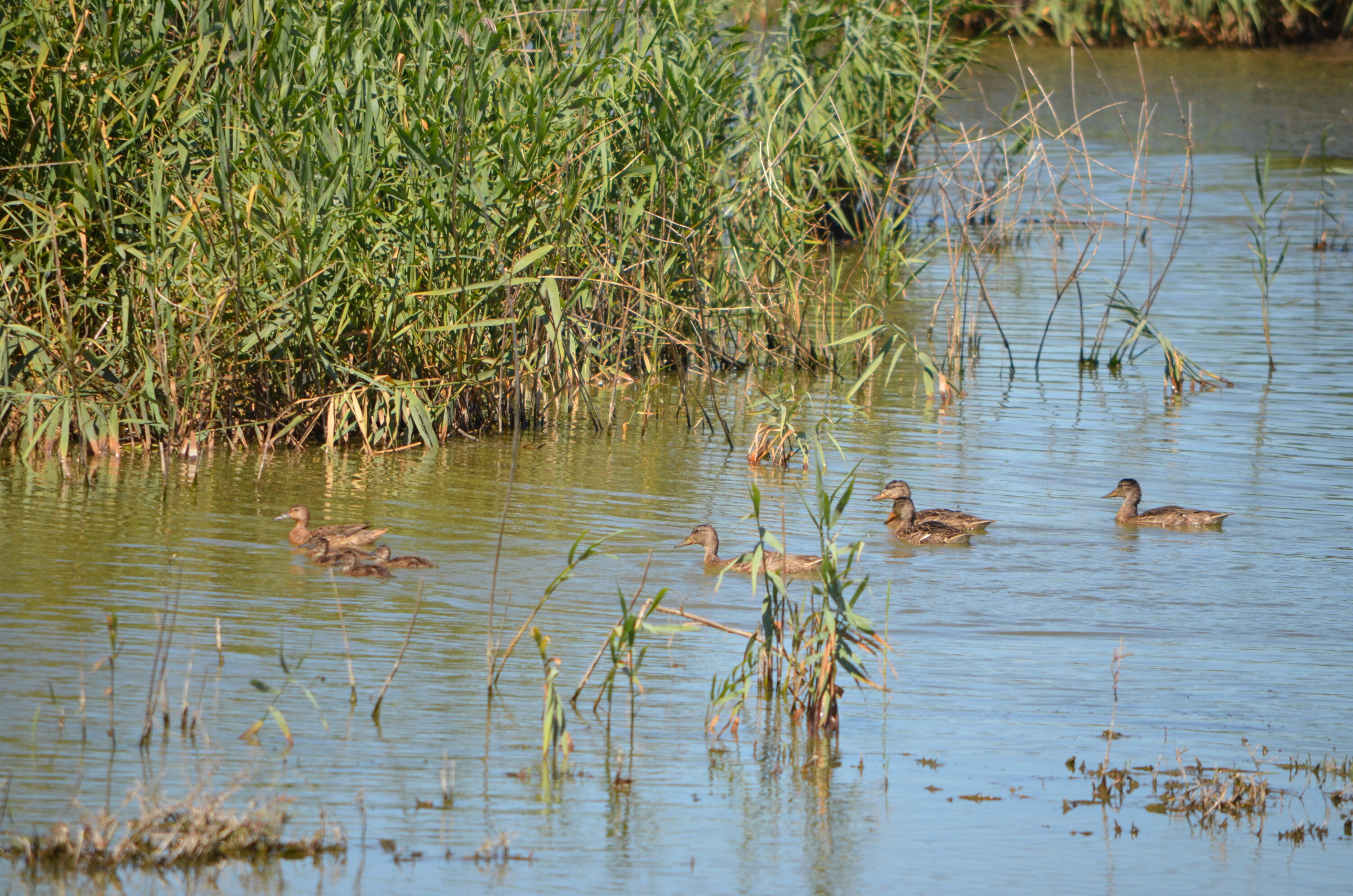
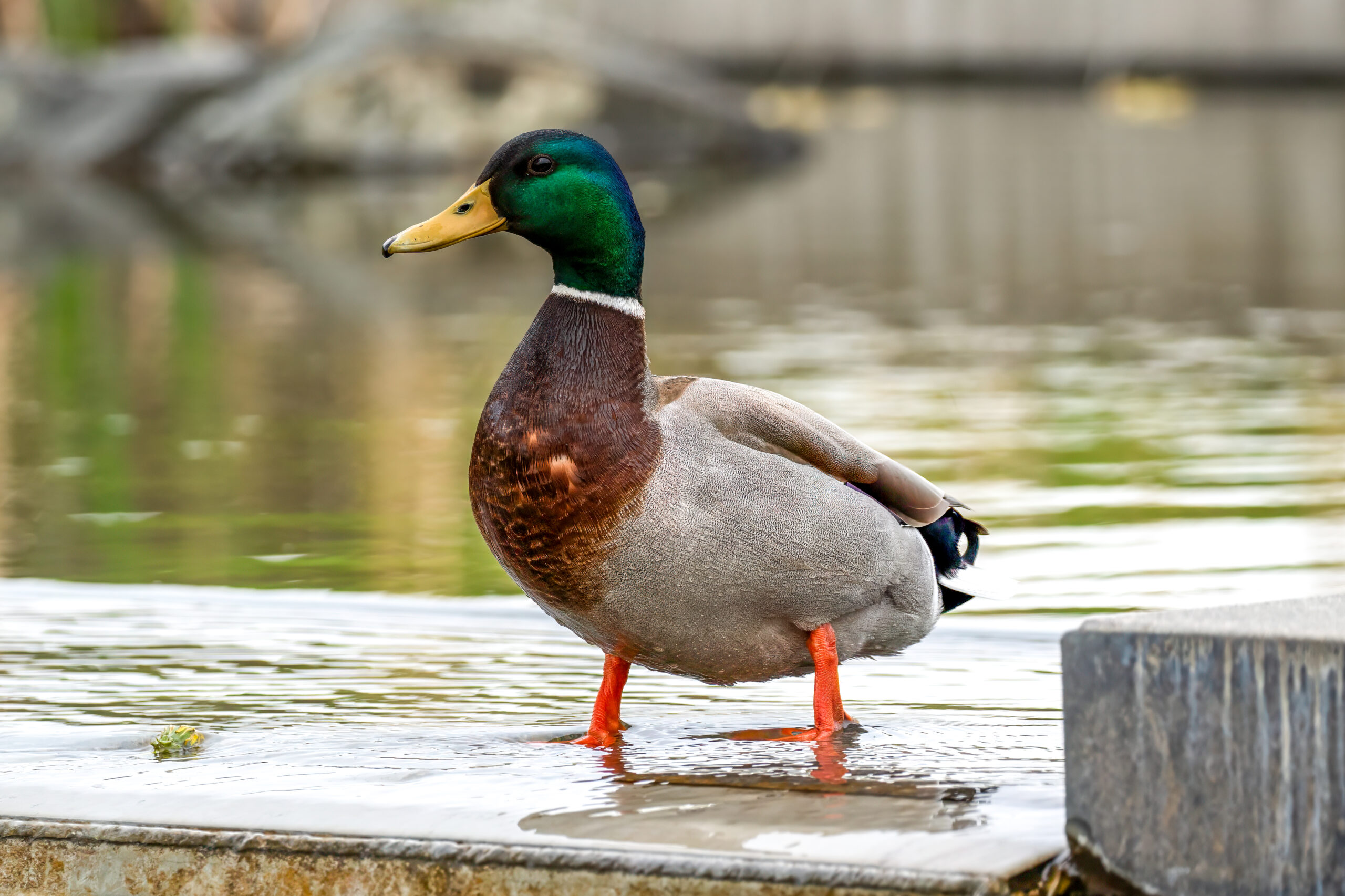
A study of mallard (Anas platyrhynchos) and gadwall (Mareca strepera) broods in Suisun Marsh, California, USA, found that ducklings moved rapidly away from their nests during the first days after hatching and selected particular types of managed wetlands. The study was published on 4 February 2026 in Ornithological Applications and followed radio-tagged broods from 2016 to 2019.
Broods selected semi-permanent wetlands
Both species selected semi-permanent wetlands, which were flooded during autumn and winter and remained inundated until at least 1 August. They avoided permanent wetlands that held water throughout the year. Gadwall broods additionally selected seasonal wetlands flooded during spring and summer.
Wetland characteristics also mattered within these habitat types. Broods of both species selected intermediate to larger wetlands, lower salinity and intermediate levels of vegetation cover.
Most movement occurred in the first week after hatching
The largest movements away from the nest occurred during the first week after hatching. Across the four study years, five-day-old ducklings were on average 0.8–1.4 kilometres from their nests. By 14 days of age, the average distance was 1.0–1.6 kilometres, showing that relatively little additional movement occurred after the initial dispersal from the nesting site.
The authors conclude that the placement of brood-rearing wetlands relative to upland nesting areas is important. They suggest increasing the availability of semi-permanent and summer-flooded seasonal wetlands within 1.4 kilometres of nesting habitat. Shorter travel distances to preferred wetlands may reduce exposure to predation, improve duckling survival and increase recruitment into the population.
Ecology
Related news
Seven overlaps linked wild-bird H5 clusters with poultry outbreaks in the US
Across seven periods between 2022 and 2025, clusters of H5 detections in wild waterfowl overlapped in time and…
Read story →
H5 Avian Influenza RNA and ESBL E. coli Detected in Water Bins Used by Wild Mallards in Germany
Water from baited bins visited mainly by wild mallards on Germany’s Baltic coast contained RNA from highly pathogenic…
Read story →
Papillomavirus Genomes Recovered from Three Northern Pintails and One Mallard in New Mexico
Cloacal swabs from three northern pintails and one mallard in New Mexico yielded four complete papillomavirus genomes. All…
Read story →SPECIES IN THIS STORY
Species in this story
Independent research and conservation news archive
Did you find this information useful?
Wildlife Vagabond is independently built and maintained. Voluntary support helps cover source verification, hosting and continued work on research and conservation news.
Support Wildlife VagabondThe news archive will remain freely available.