
Urban Mallards in Poland Fled at About 3 Metres, Versus 27 Metres in Agricultural Areas
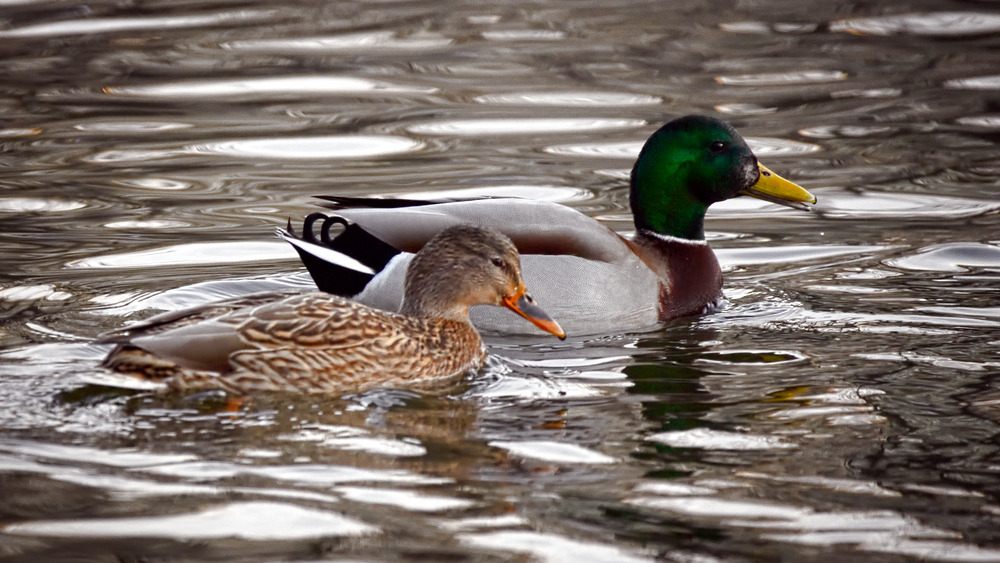
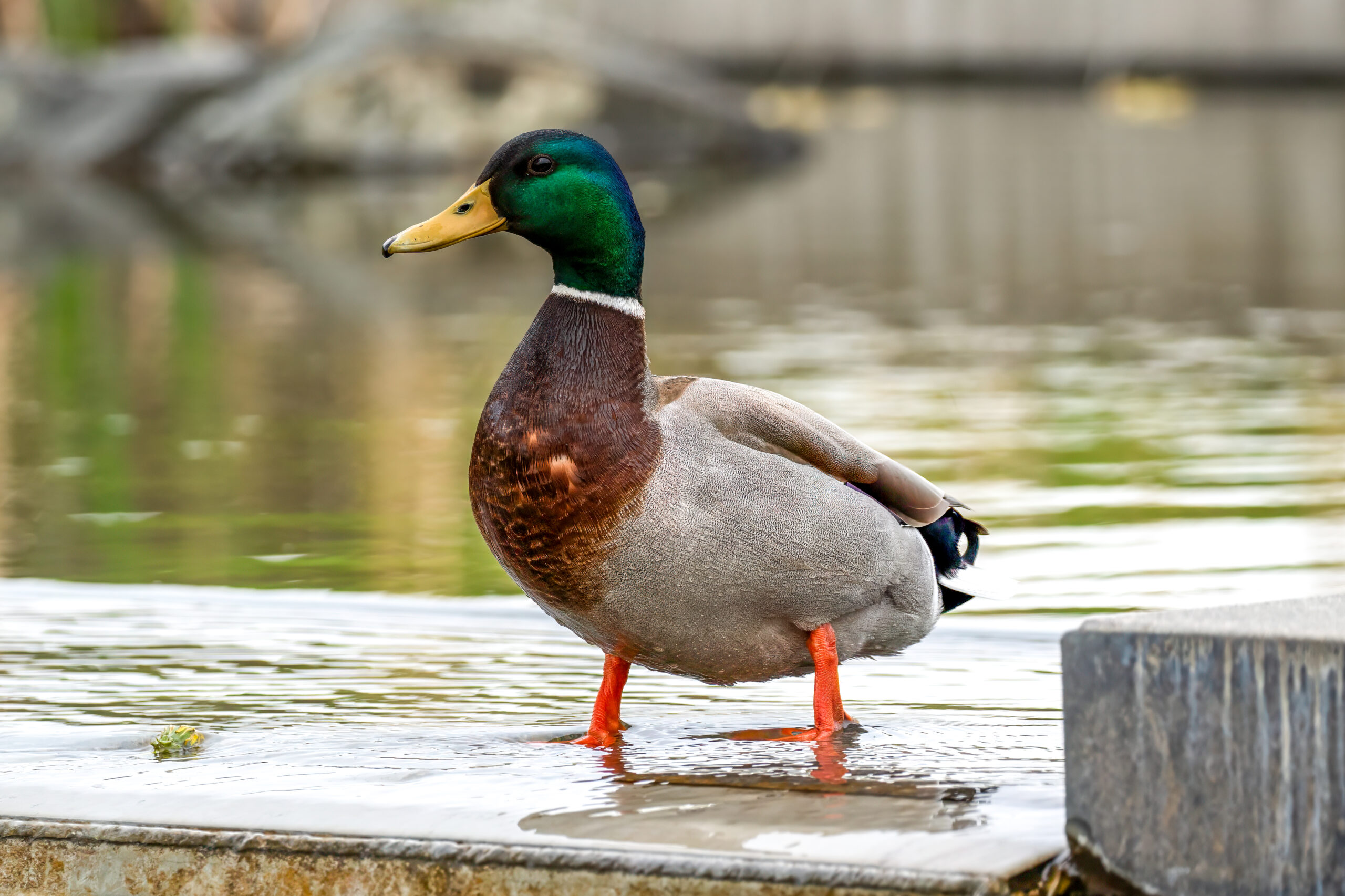
A 2026 study of mallards (Anas platyrhynchos) in south-eastern Poland found a pronounced behavioural difference between birds wintering in urban and agricultural landscapes. Published on 18 May 2026 in Diversity, the study compared mallards along sections of the Bystrzyca and Czerniejówka rivers during January 2025 and January 2026.
Researchers recorded flock size, bird density, sex ratio and flight initiation distance. A single observer walked directly toward the target flock at about 1 m/s, and a laser rangefinder measured the distance at the first sudden flight response. A shorter value therefore meant that the ducks allowed a person to approach more closely before fleeing.
The difference between habitats was large. Mallards in agricultural areas fled at an average distance of 26.6 metres, whereas the mean in urban areas was only 3.1 metres. Habitat type was the strongest factor explaining variation in flight distance. The authors describe the urban birds as showing very low and relatively uniform skittishness compared with the much stronger and more variable response in agricultural landscapes.
Urban stretches of river also held more mallards and larger flocks. Reported densities reached 50–94 birds per kilometre in urban areas, compared with roughly 6–18 birds per kilometre in agricultural sections. Flocks were likewise larger in the city.
The sex ratio differed between habitats as well. Agricultural groups were approximately balanced between males and females, while urban groups were male-biased, with about 0.7 females per male. Group size and sex ratio also contributed to variation in flight distance, although habitat type had by far the strongest effect.
The researchers interpret the combined pattern as continued synurbanisation — behavioural adjustment to living in human-dominated environments. The comparison shows much lower wariness in urban wintering flocks, but it does not follow the same individuals through the process of becoming urban.
Behaviour
Related news
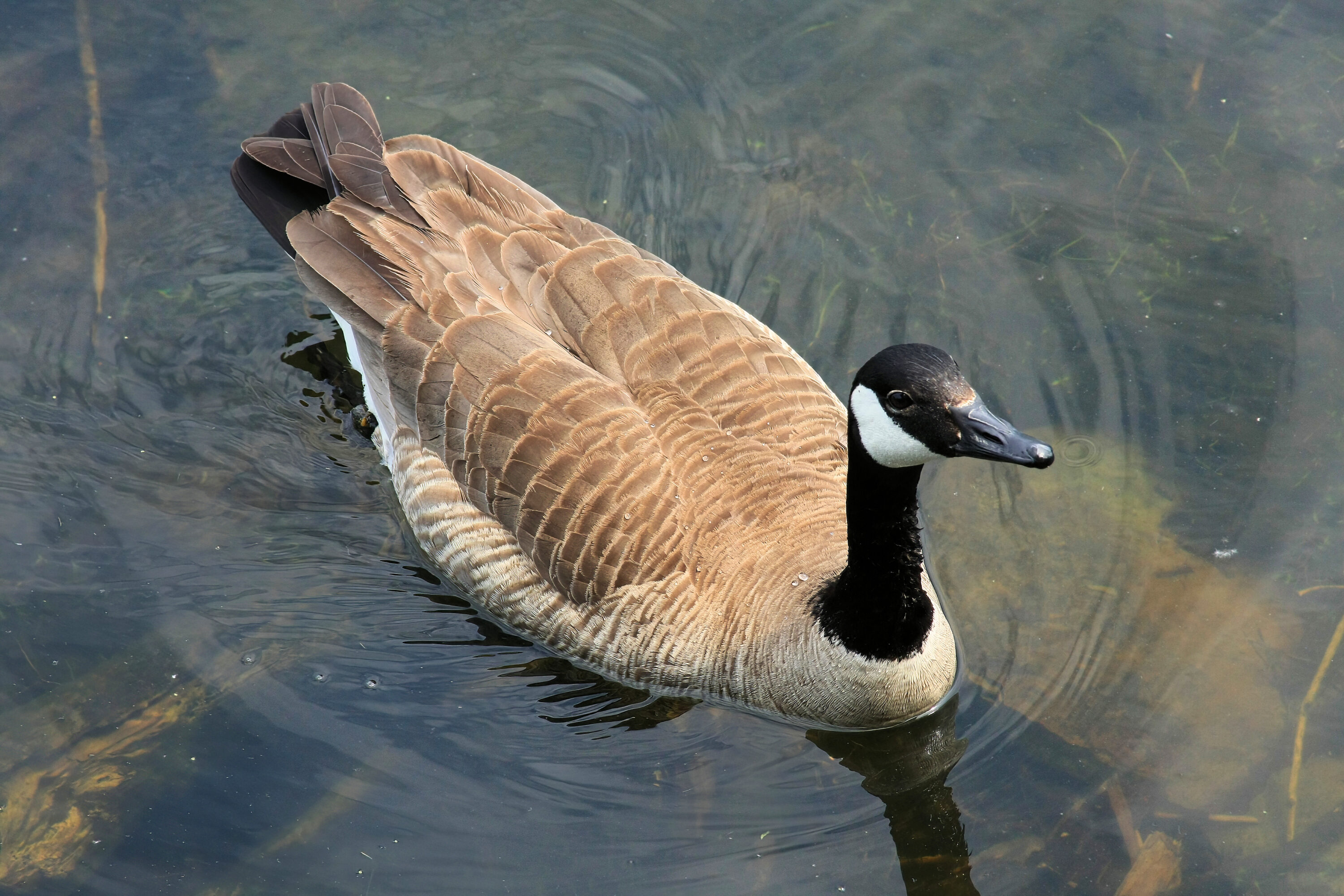
Seven overlaps linked wild-bird H5 clusters with poultry outbreaks in the US
Across seven periods between 2022 and 2025, clusters of H5 detections in wild waterfowl overlapped in time and…
Read story →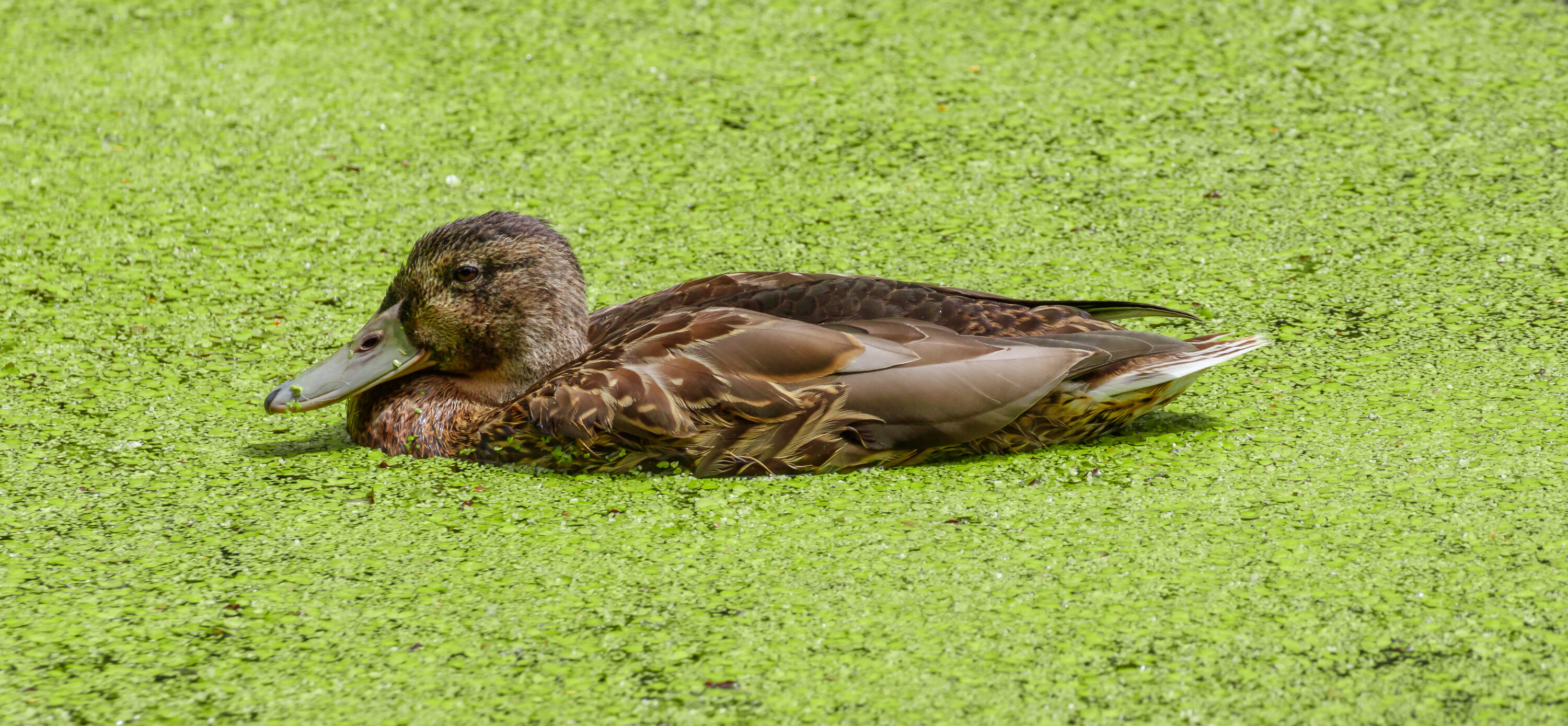
H5 Avian Influenza RNA and ESBL E. coli Detected in Water Bins Used by Wild Mallards in Germany
Water from baited bins visited mainly by wild mallards on Germany’s Baltic coast contained RNA from highly pathogenic…
Read story →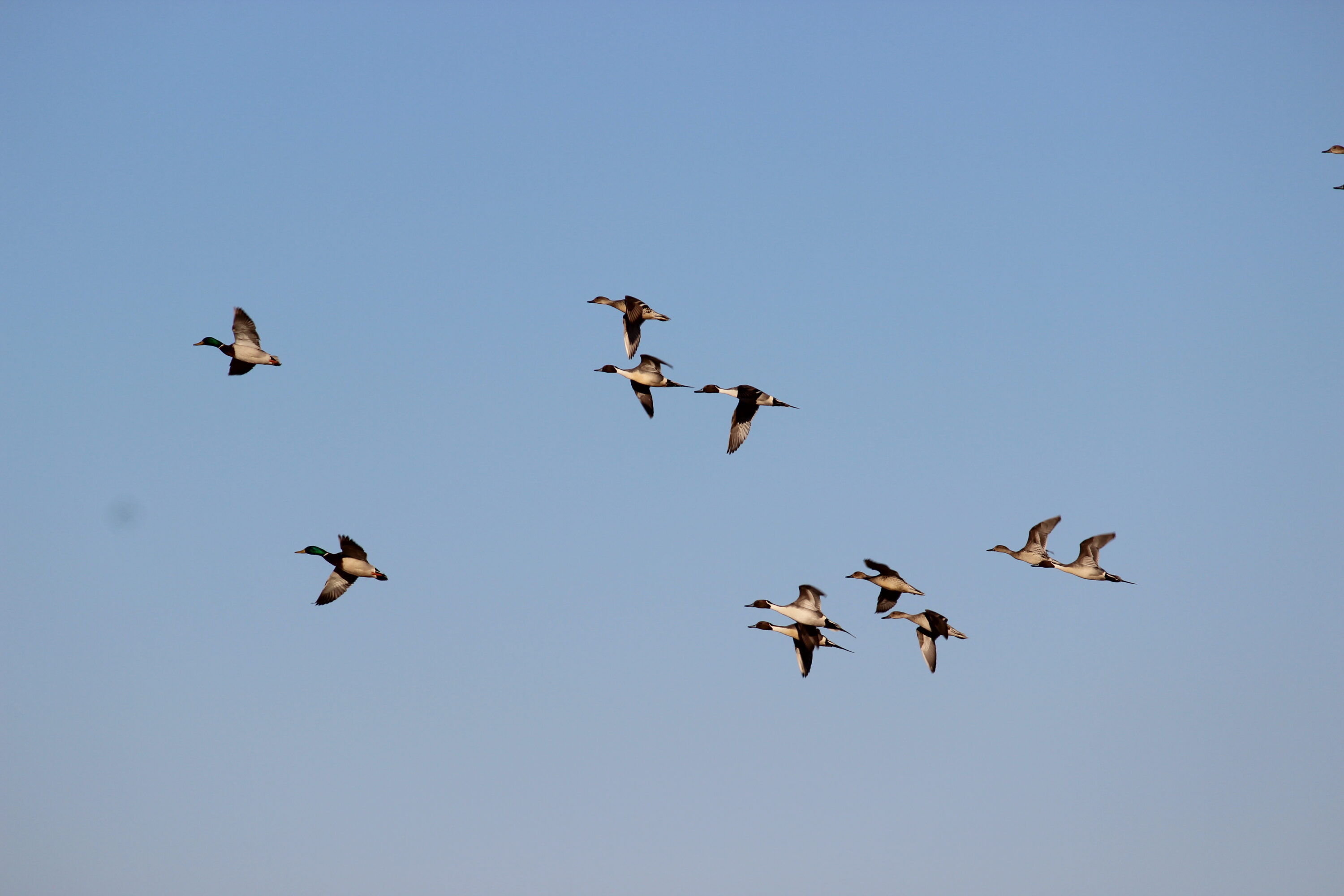
Papillomavirus Genomes Recovered from Three Northern Pintails and One Mallard in New Mexico
Cloacal swabs from three northern pintails and one mallard in New Mexico yielded four complete papillomavirus genomes. All…
Read story →SPECIES IN THIS STORY
Species in this story
Independent research and conservation news archive
Did you find this information useful?
Wildlife Vagabond is independently built and maintained. Voluntary support helps cover source verification, hosting and continued work on research and conservation news.
Support Wildlife VagabondThe news archive will remain freely available.