
Habitat Structure and Local Bird Richness Were More Closely Linked to Marsh Warbler Numbers Than Playback
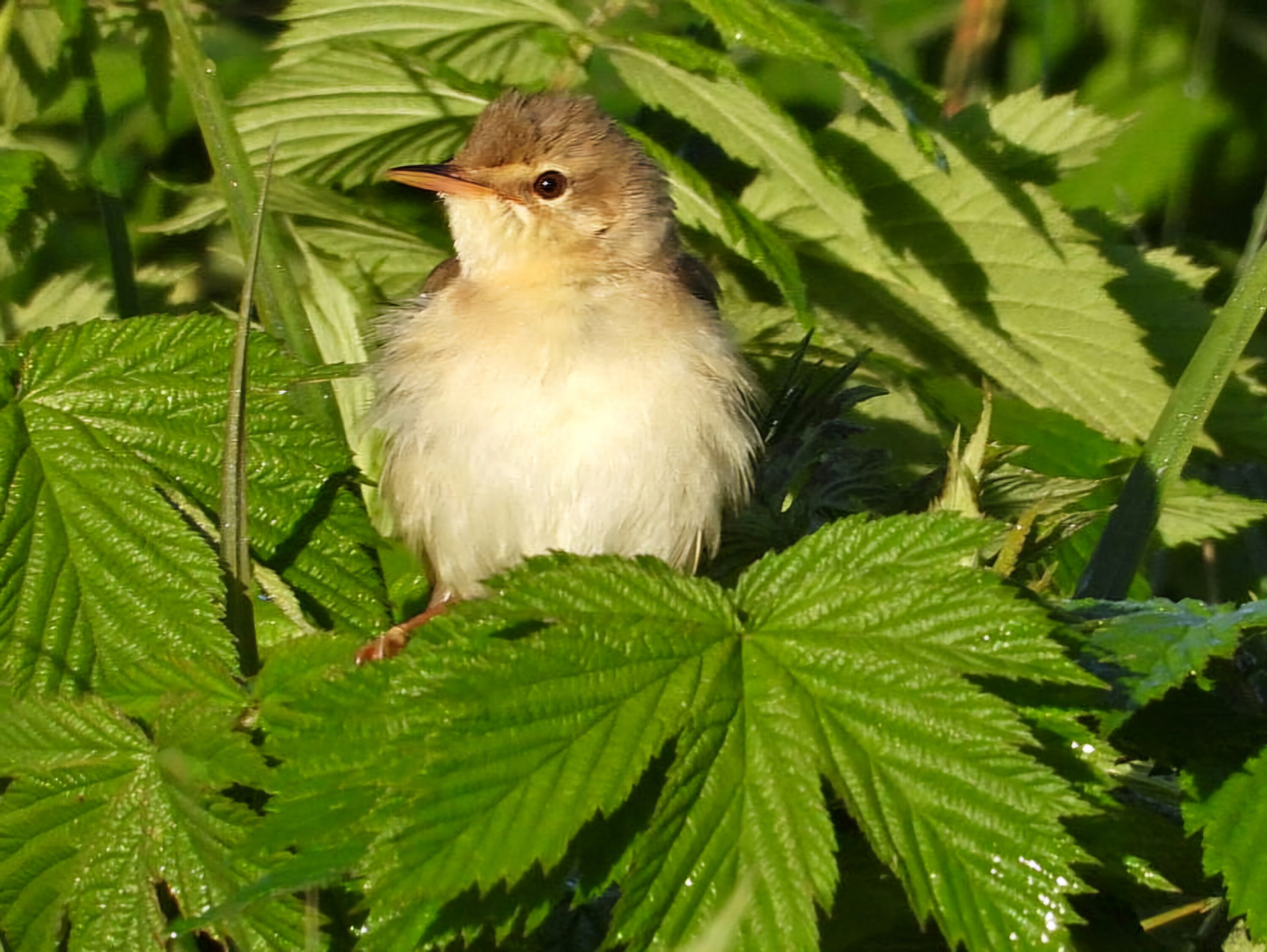
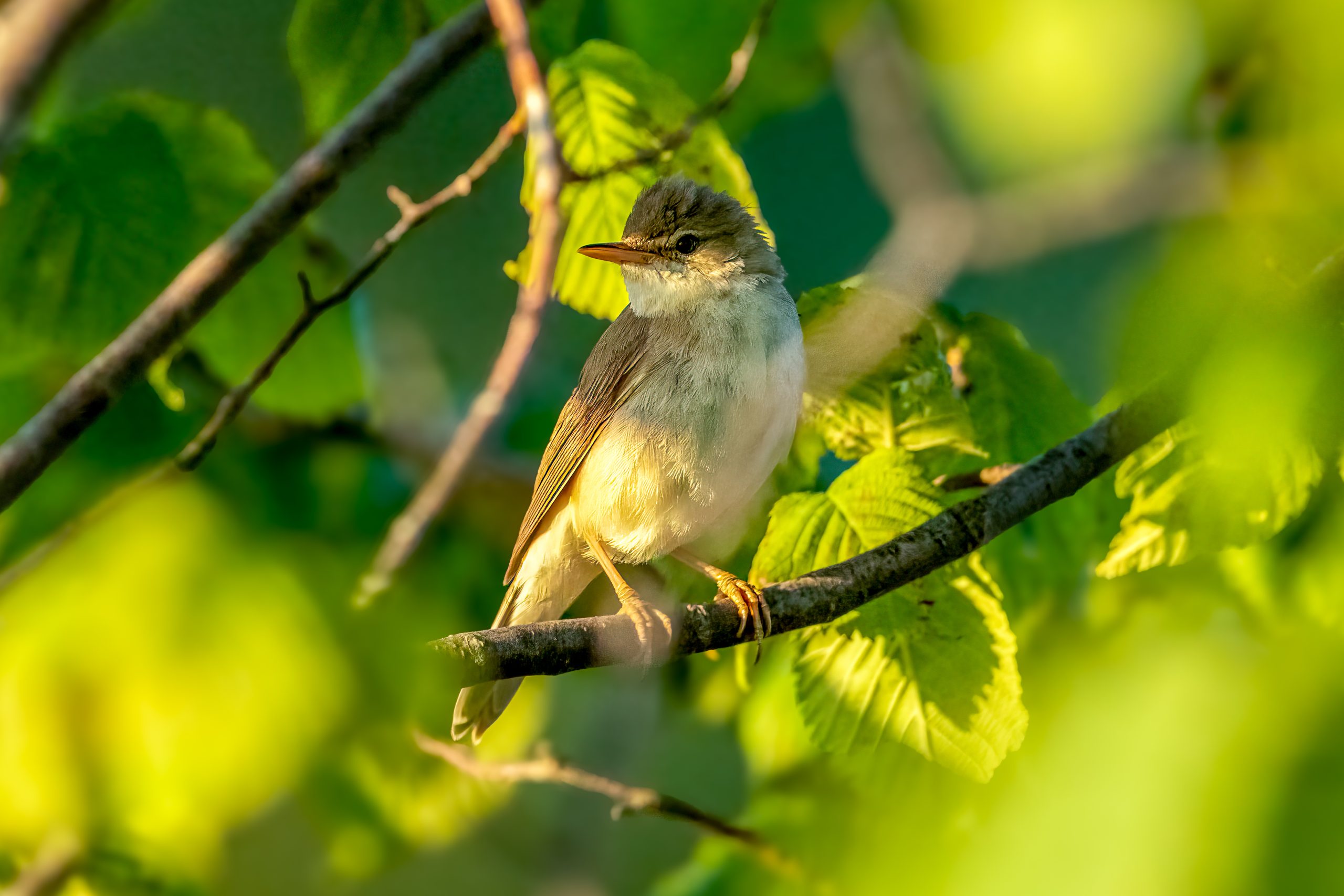
A field experiment in western Poland tested whether marsh warblers (Acrocephalus palustris) use the songs of other bird species as social information when selecting breeding territories. The study was posted as a Research Square preprint on 9 July 2026 after a large-scale quasi-experiment in an agricultural landscape and has not yet undergone peer review. In a quasi-experiment, researchers manipulate a treatment, but the study groups are not necessarily balanced or randomly assigned in the same way as in a fully randomised experiment.
From 11 to 20 May 2021, the researchers broadcast heterospecific song from loudspeakers in selected study plots. The playback contained five bird species that had not been recorded in the plots during earlier surveys, creating an experimental increase in the acoustic diversity available to arriving marsh warblers. Other plots served as controls.
An initial comparison suggested that marsh warbler numbers remained higher relative to the pre-treatment season in plots receiving heterospecific social information, while numbers declined in the controls. However, the birds had not been distributed evenly among plots before the experiment. Once the researchers accounted for this starting difference, the analysis no longer gave clear support for an independent playback effect.
Instead, marsh warbler abundance showed a clear association with habitat structure and the local richness of other bird species. The authors link this result to the species’ unusual vocal behaviour: male marsh warblers incorporate extensive imitations of other species into their songs, so a diverse local bird community can also provide a richer source of acoustic material.
Behaviour
Related news
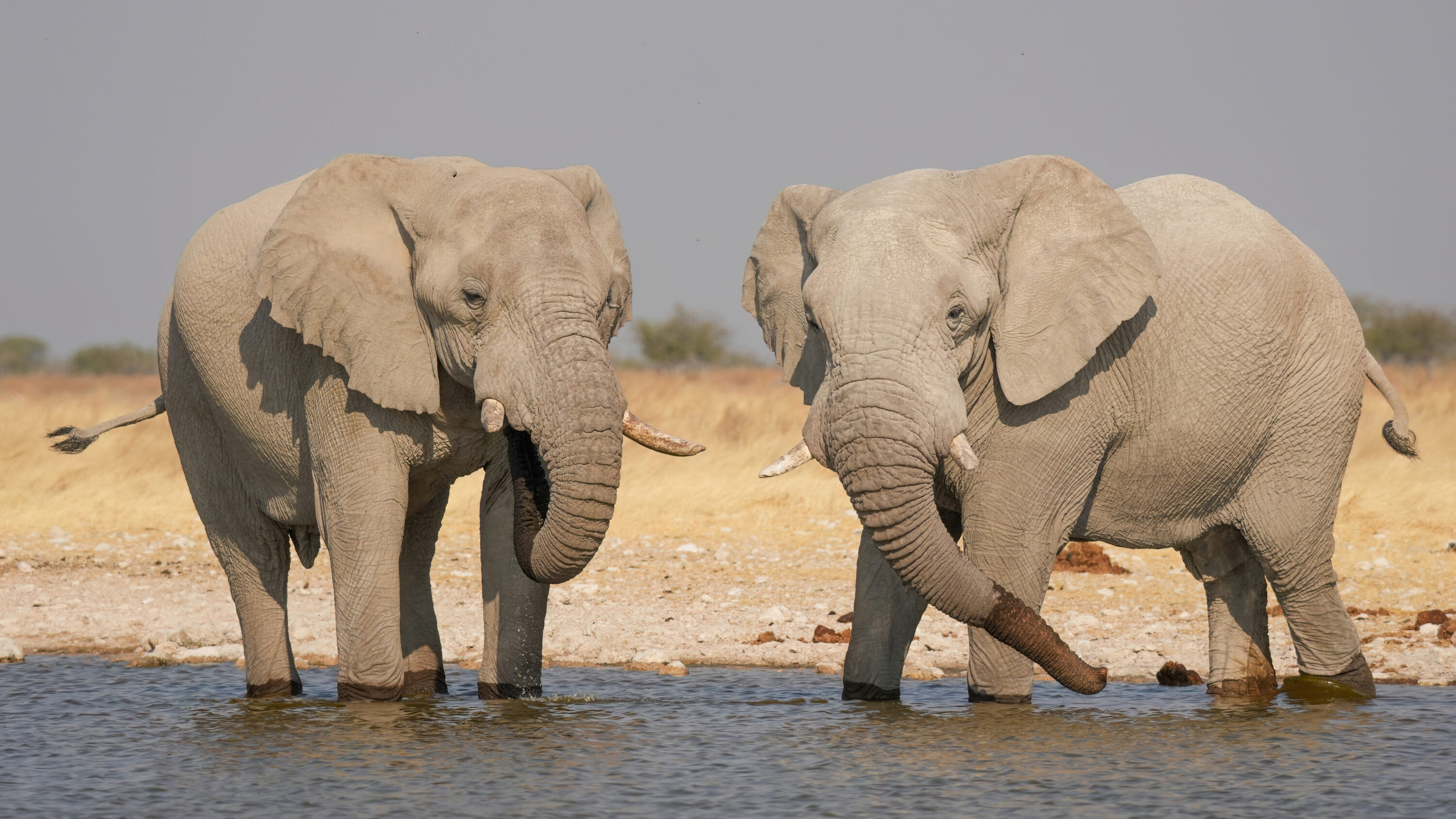
Three Ways of Analysing Elephant Calls Gave Different Results
Recordings from a semi-free herd in South Africa show how the method used to classify call timing can…
Read story →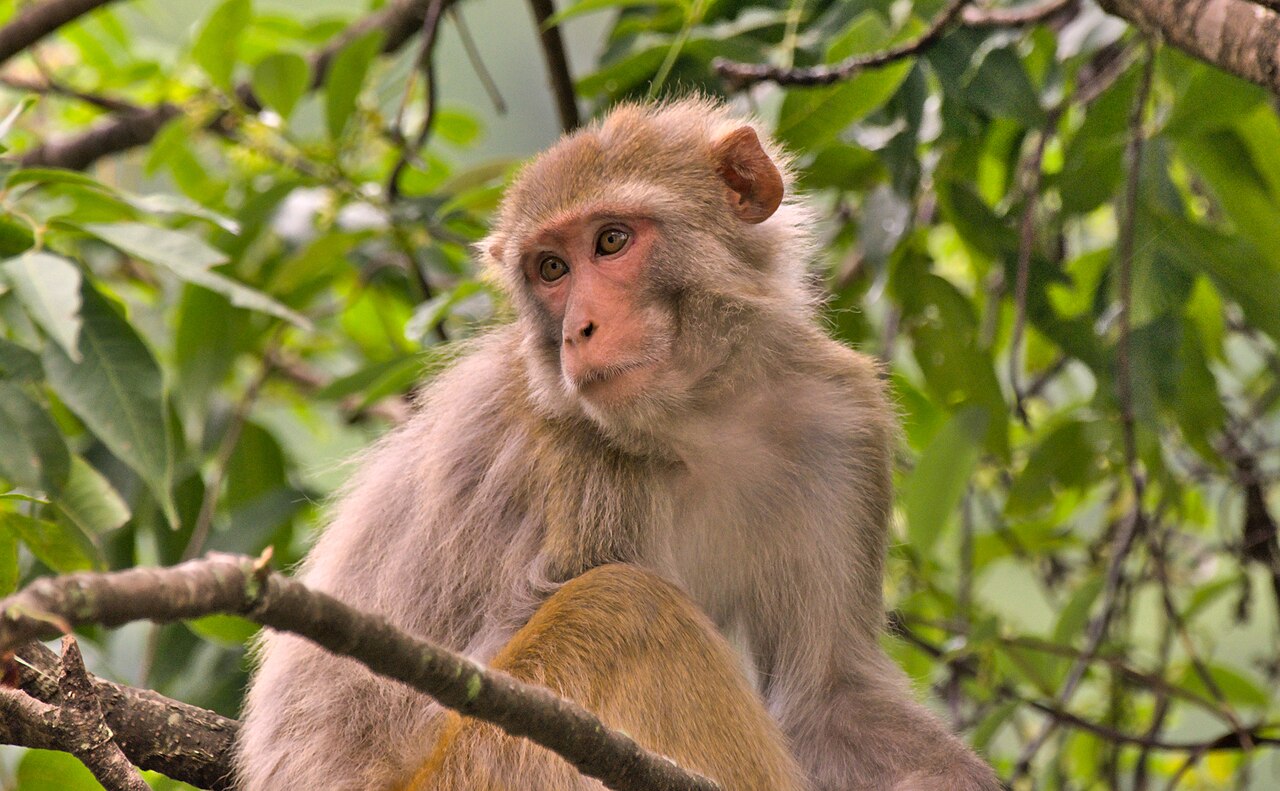
Female Rhesus Macaques That Watched Unfamiliar Female Faces Longer Were More Likely to Have Offspring the Following Year
At a semi-free-ranging population in Puerto Rico, females that spent longer looking at an unfamiliar female’s neutral face…
Read story →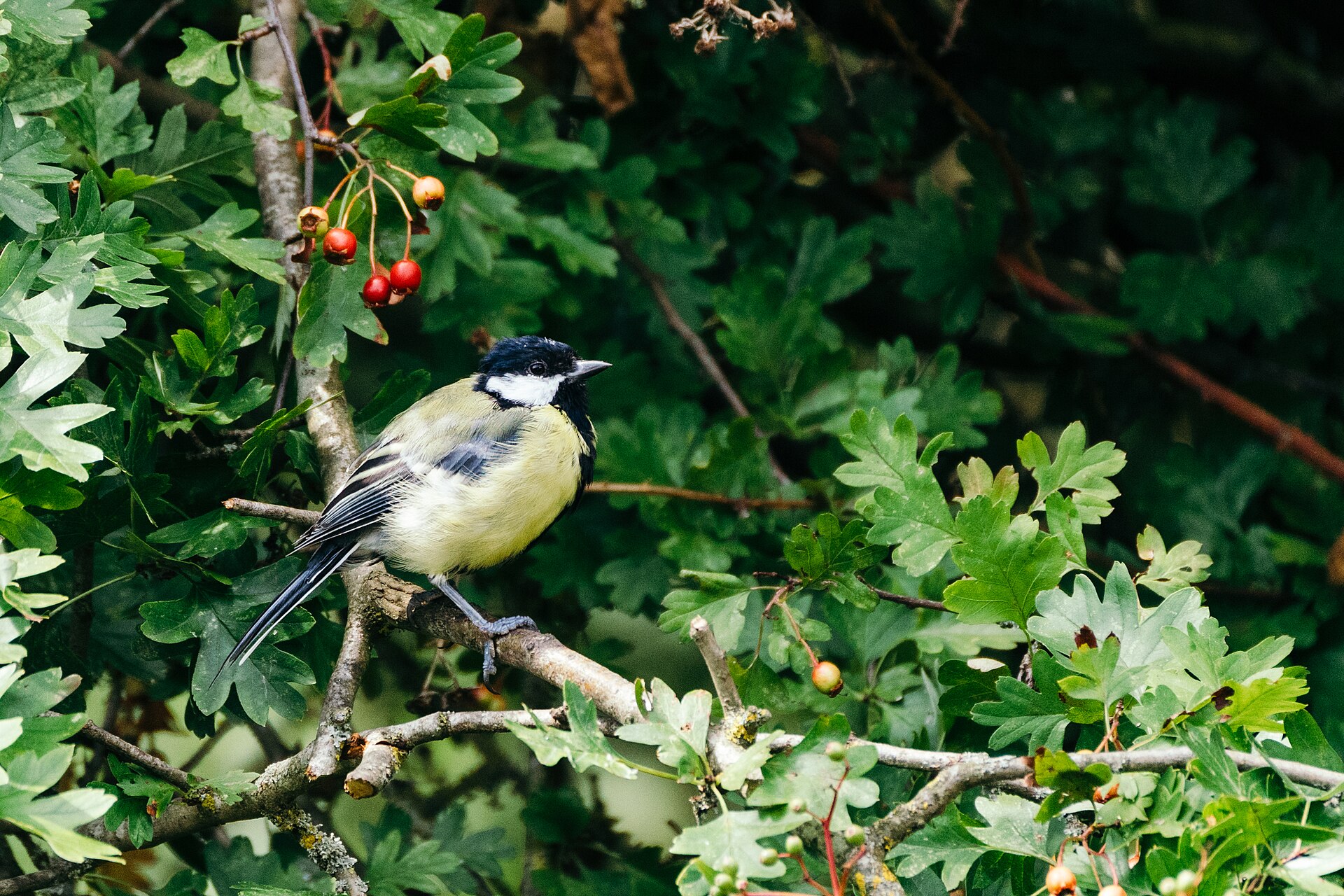
City and Forest Great Tits Respond Differently to Artificial Light at Night
In a common-garden experiment, artificial light initially advanced daily activity onset in great tits from both city and…
Read story →SPECIES IN THIS STORY
Species in this story
Independent research and conservation news archive
Did you find this information useful?
Wildlife Vagabond is independently built and maintained. Voluntary support helps cover source verification, hosting and continued work on research and conservation news.
Support Wildlife VagabondThe news archive will remain freely available.