Migrant Blackbirds Had Higher Levels of the Gut Hormone PYY During Stopover
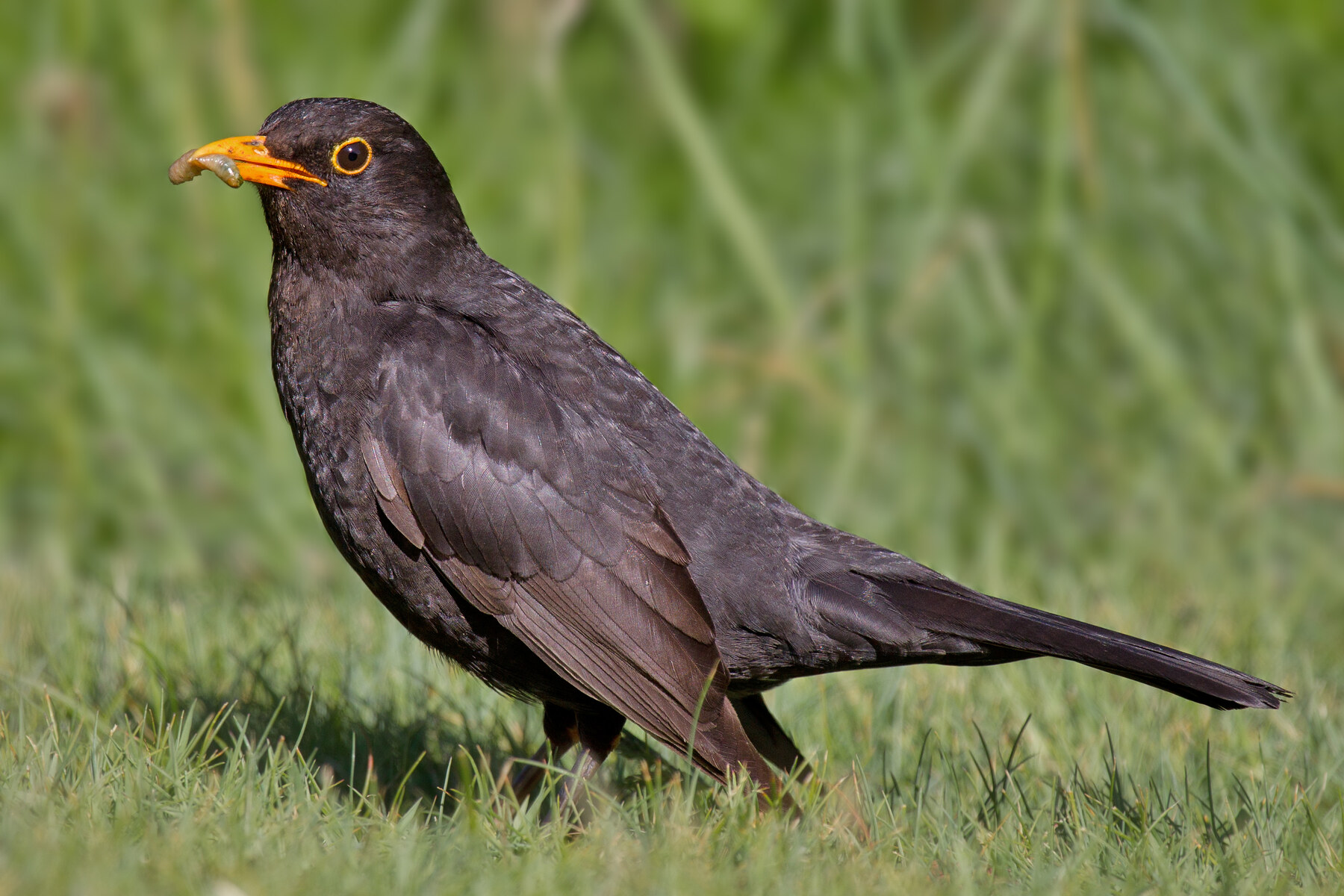
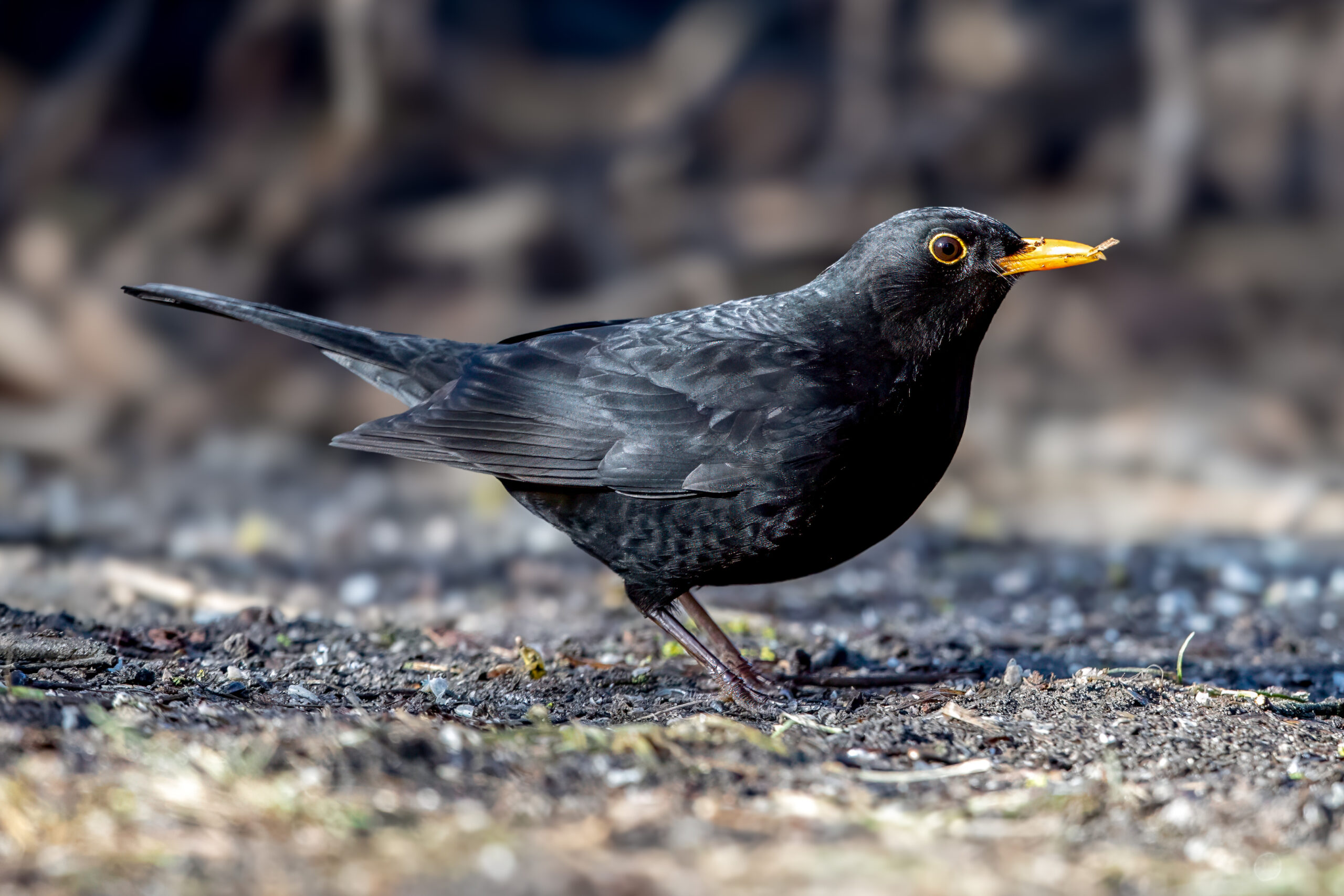
A study of 98 free-living Eurasian blackbirds (Turdus merula) on Helgoland, Germany found that birds stopping during autumn migration had higher plasma levels of the gut hormone peptide YY (PYY) than resident blackbirds sampled at the same site. The researchers studied 80 migrants and 18 residents during peak autumn migration. They first tested whether PYY could be measured reliably from small blood samples, then compared the two groups.
This matters because stopover is when migrants rebuild fuel reserves after energetically costly flights. The physiological signals linking recent feeding, energy stores and the decision to resume migration are still poorly understood.
PYY is a short-term feeding signal in other vertebrates
PYY is a gut-derived hormone that rises rapidly after food intake in mammals and is involved in satiety signalling. Work in chickens and other vertebrates suggests that a related post-feeding role may also occur outside mammals, although the function of PYY in wild songbirds is still poorly characterised.
That makes PYY especially interesting in passerines. The leptin system familiar from mammals does not appear to operate in songbirds in the same way, so PYY is one possible signal linking recent feeding with short-term behavioural decisions during migration.
Migrants had higher circulating PYY
Plasma PYY concentrations were higher in migrating blackbirds than in resident birds sampled during the same autumn period. At first this may seem counterintuitive for a hormone associated with satiety, because migrants on stopover are expected to feed intensively.
The key is that PYY rises after feeding in mammals and chickens. The authors therefore suggest that the higher levels in migrants may reflect increased or different feeding during stopover. They present this as a possible explanation, not a demonstrated mechanism.
PYY did not track stored fuel
PYY was unrelated to body condition and fat stores. In biological terms, birds carrying more stored energy did not consistently have higher or lower PYY. This separates the hormone from the longer-term fuel measures commonly used in migration studies and suggests that circulating PYY may instead be more closely linked to recent feeding or digestive state.
The result does not show that PYY controls when a blackbird resumes migration. This first study showed that the hormone can be measured reliably in a wild passerine and that migrants and residents differed in circulating PYY. The authors therefore present PYY as a candidate for future studies of feeding and migratory decisions, not as a demonstrated trigger for departure.
PYY therefore gives researchers a measurable gut-derived signal for testing how recent feeding may be linked to the energy decisions birds make during stopover.
Physiology
Related news

Inland Mute Swans Had Higher Winter Body Condition Despite Harsher Winters and Supplemental Feeding
A study of 853 mute swans from four Polish wintering regions found higher body condition inland than on…
Read story →
pH-Adjusted Hill Equation Reliably Estimated Blood Oxygen Saturation From 70–100% in Immobilised White Rhinos
A South African study of 16 immobilised male white rhinos in Kruger National Park found that a pH-adjusted…
Read story →
Task Uncertainty Increased Interference From Irrelevant Visual Information in Rhesus Macaque Decisions
Two rhesus macaques made less accurate visual decisions under task uncertainty; recordings and microstimulation in primary visual cortex…
Read story →SPECIES IN THIS STORY