
Wild prey made up 96.8% of identified leopard kills on Namibian farms
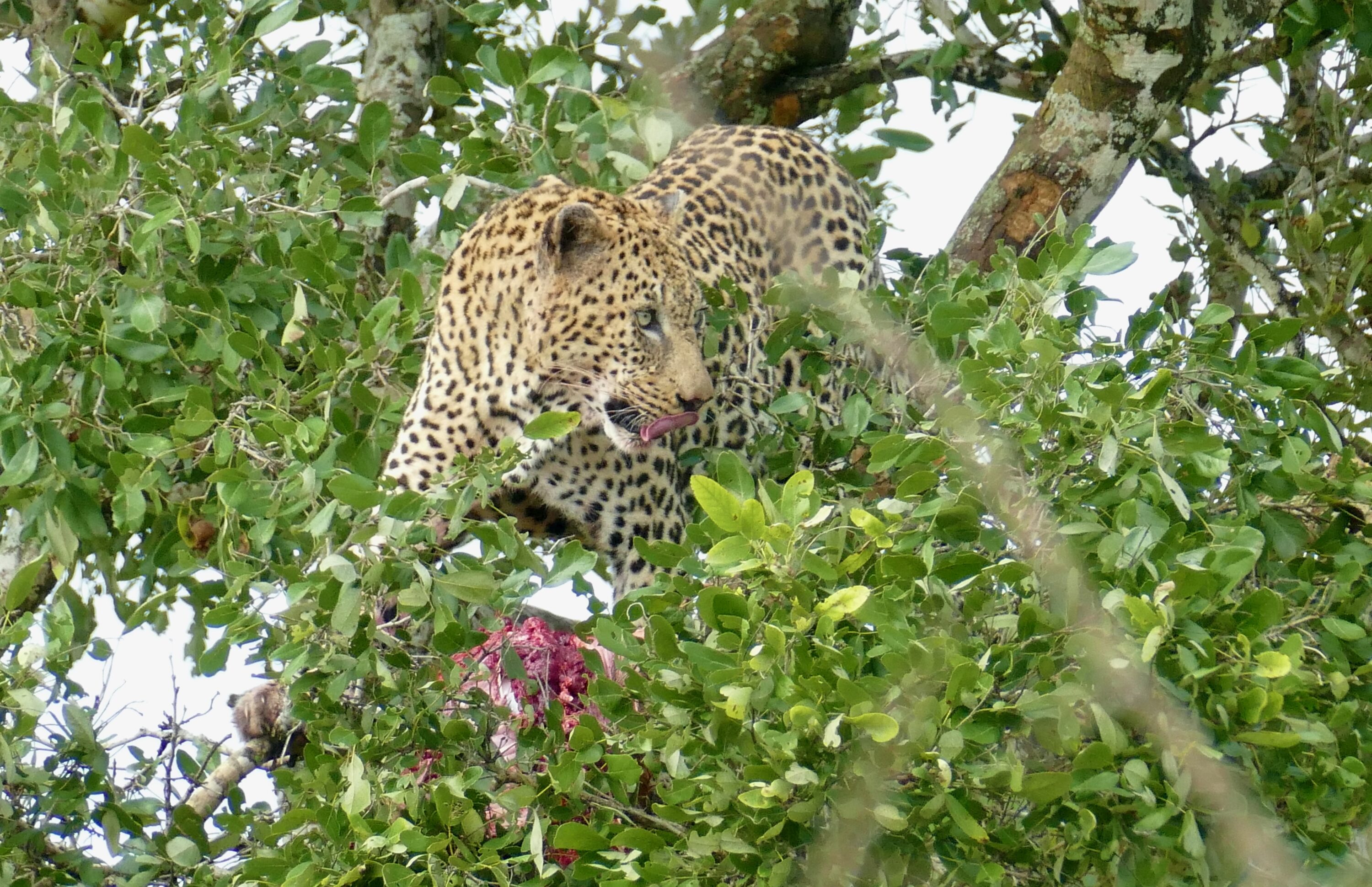
A ten-year study on freehold farmland in central Namibia found that wild animals made up 96.8% of the identified prey consumed by leopards (Panthera pardus). Livestock accounted for 3.2% of identified kills, and the researchers found no individual leopard that specialised in livestock.
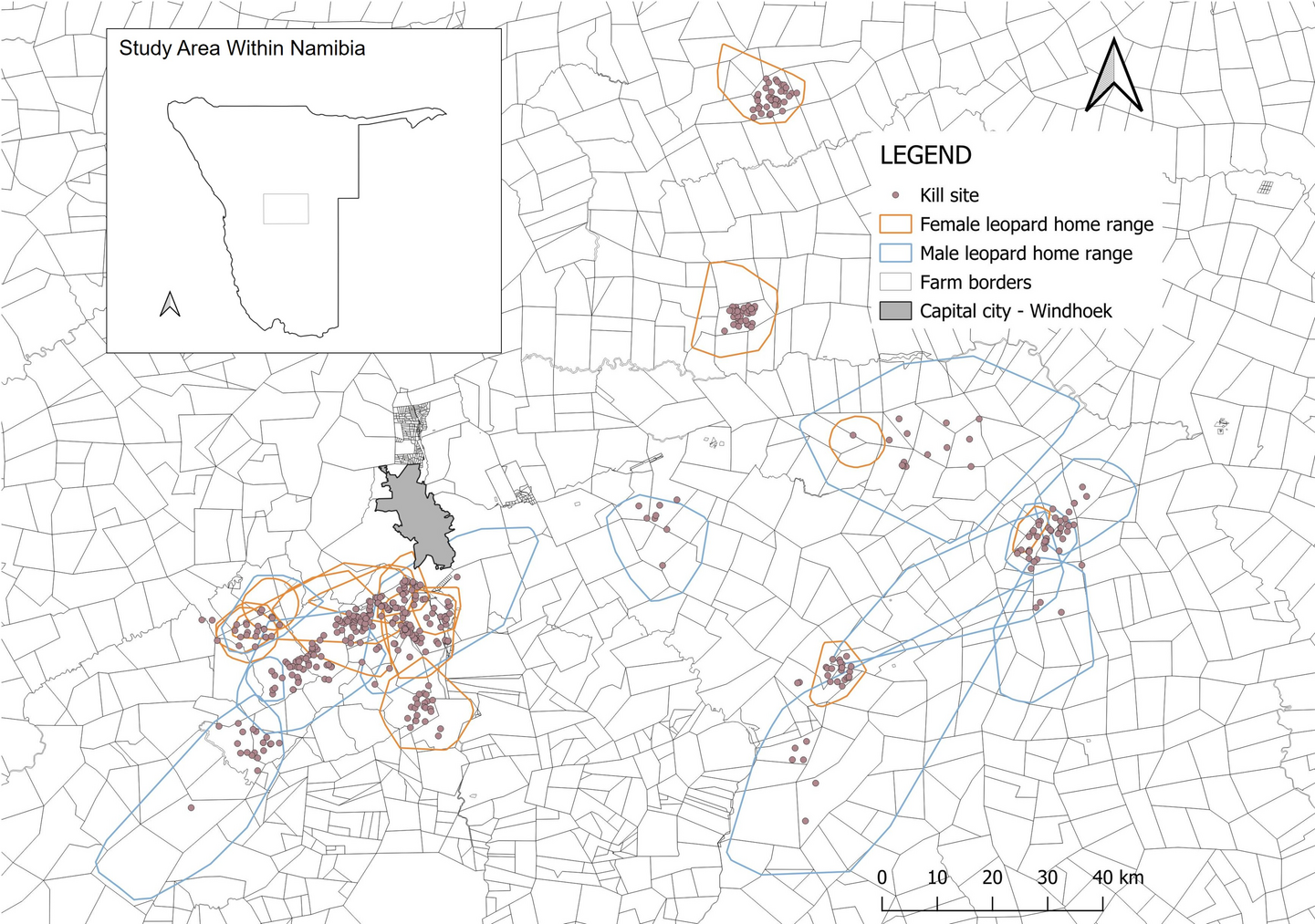
Maximilian L. Allen and colleagues tracked 29 leopards for an average of about 422 days between 2013 and 2022. GPS collars allowed the team to identify clusters of locations where a leopard had remained for long enough to indicate a possible feeding site. Researchers investigated 455 such clusters and found prey remains at 388 of them. In total, 375 prey items could be identified to species. This GPS-cluster method is better at detecting larger prey that leave remains and can miss small prey or brief feeding events, so the identified kills do not represent a perfectly complete inventory of everything the leopards ate.
Three wild ungulates dominated the identified kills
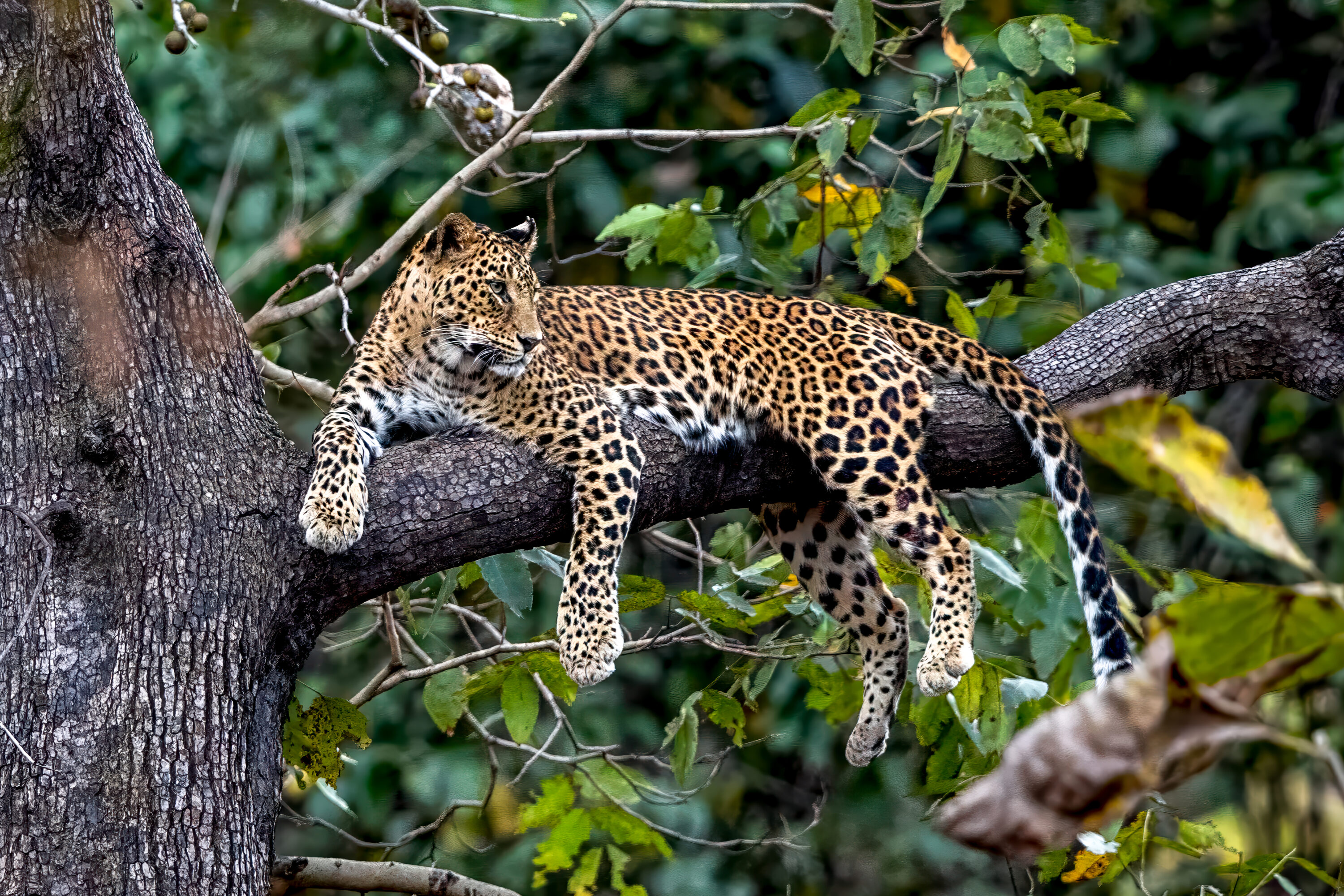
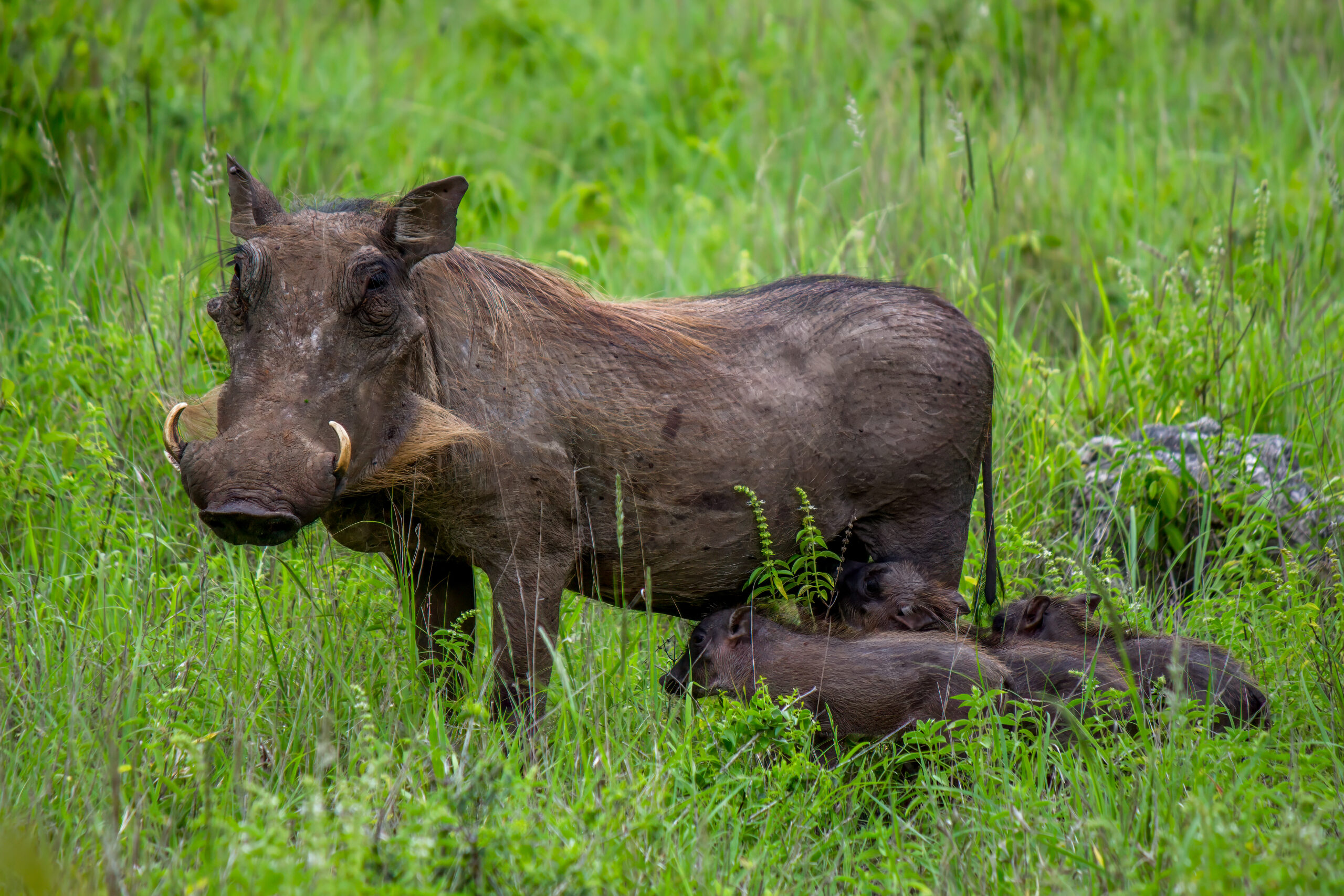
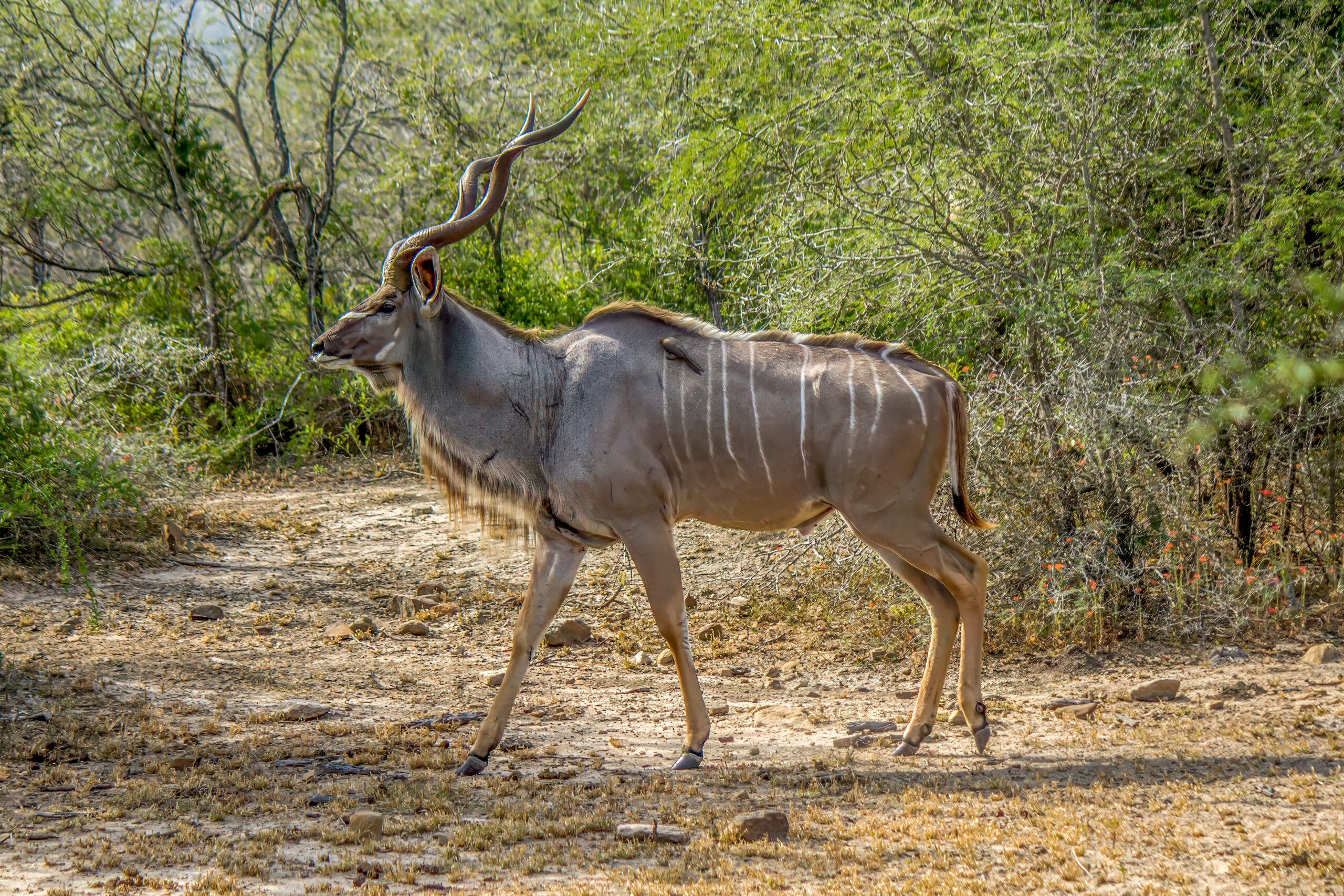
\n\nThree wild ungulates dominated the diet. Gemsbok (Oryx gazella), common warthog (Phacochoerus africanus) and greater kudu (Tragelaphus strepsiceros) together represented just over 77% of all identified prey. The leopards also consumed a range of other wild animals, including steenbok, impala, birds, chacma baboons, Cape hares and Cape porcupines.
Only 12 of 375 identified prey items were livestock
Only 12 of the 375 identified prey items were livestock: ten cattle and two horses. Eleven of the 29 tracked leopards were documented feeding on livestock at least once. Ten of those animals did so only once during the documented kills, while one leopard was recorded feeding on cattle twice. Males consumed livestock more frequently than females, with livestock making up 6.4% of identified prey for males and 1.3% for females.
No tracked leopard specialised in livestock
The researchers also tested whether particular individuals consistently focused on certain prey. Individual leopards did show dietary specialisation, but this involved wild prey such as gemsbok, warthog and greater kudu. No leopard in the study specialised in livestock. Allen and colleagues therefore interpret livestock predation in this landscape as largely opportunistic rather than being driven by a small number of habitual livestock-killing “problem leopards”.
The authors stress that a small proportion of livestock in the leopard diet does not mean losses are unimportant to farmers. Cattle and horses are valuable, and even occasional kills can impose substantial costs on individual landowners. At the same time, the findings suggest that maintaining healthy populations of wild prey and using non-lethal measures to prevent livestock losses may be important parts of reducing conflict between farmers and leopards outside protected areas.
Human–wildlife conflict
Related news
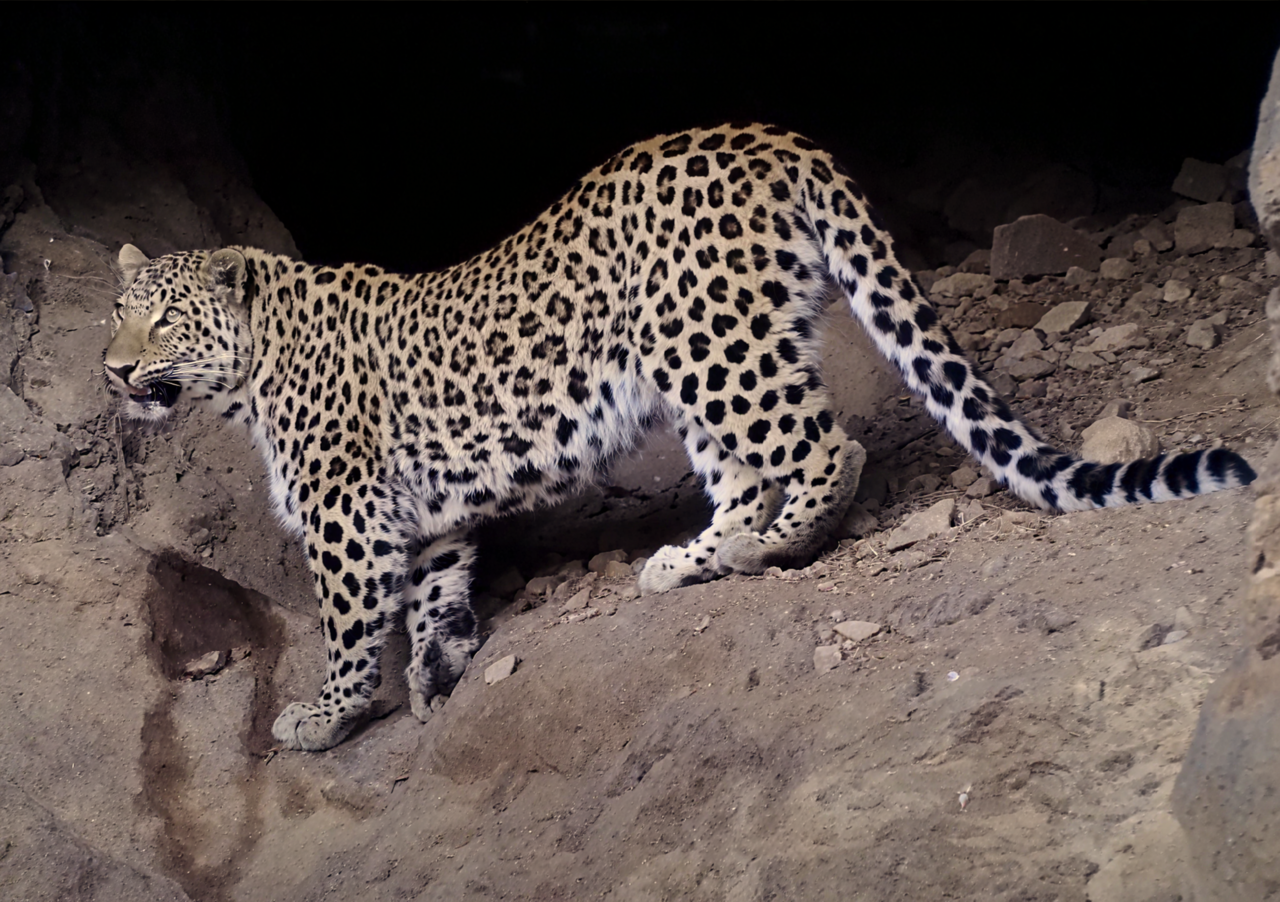
Living With Carnivores Is About More Than Livestock Losses
Near Iran’s Golestan National Park, researchers explored what was associated with people’s willingness to accept leopards, wolves and…
Read story →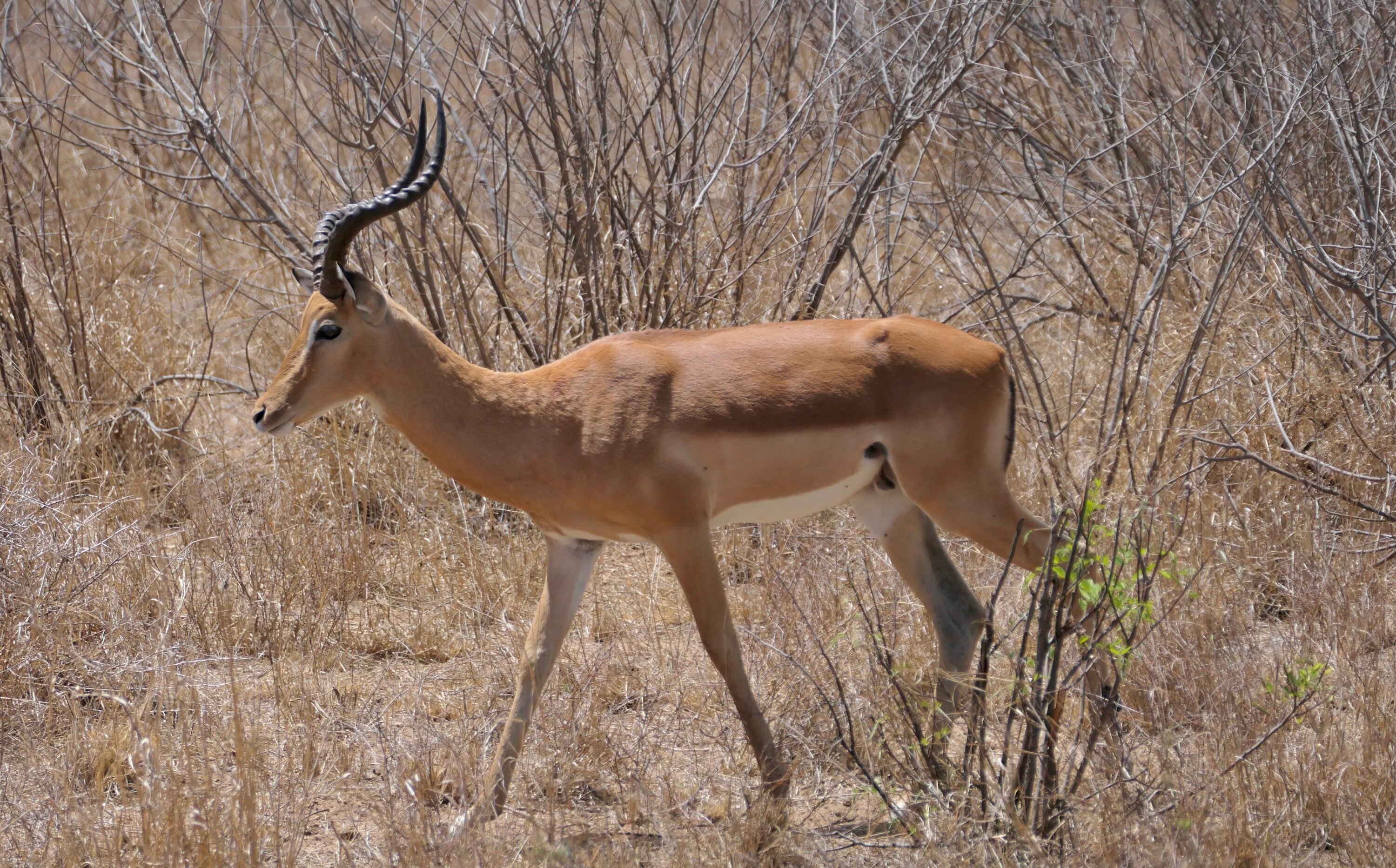
Faecal egg counts missed many nematode infections in African ungulates
In Kruger National Park, egg counts in faeces often detected fewer infections than counts of adult worms recovered…
Read story →
Food Leaves Its Mark on the Gut Bacteria of Kruger’s Wildlife
Gut bacteria in nine mammal species from Kruger National Park followed clear patterns linked to food and digestion.…
Read story →SPECIES IN THIS STORY
Species in this story
Independent research and conservation news archive
Did you find this information useful?
Wildlife Vagabond is independently built and maintained. Voluntary support helps cover source verification, hosting and continued work on research and conservation news.
Support Wildlife VagabondThe news archive will remain freely available.