
Most Live-captured New York Moose Were in Good Condition Despite Frequent Endoparasite Evidence
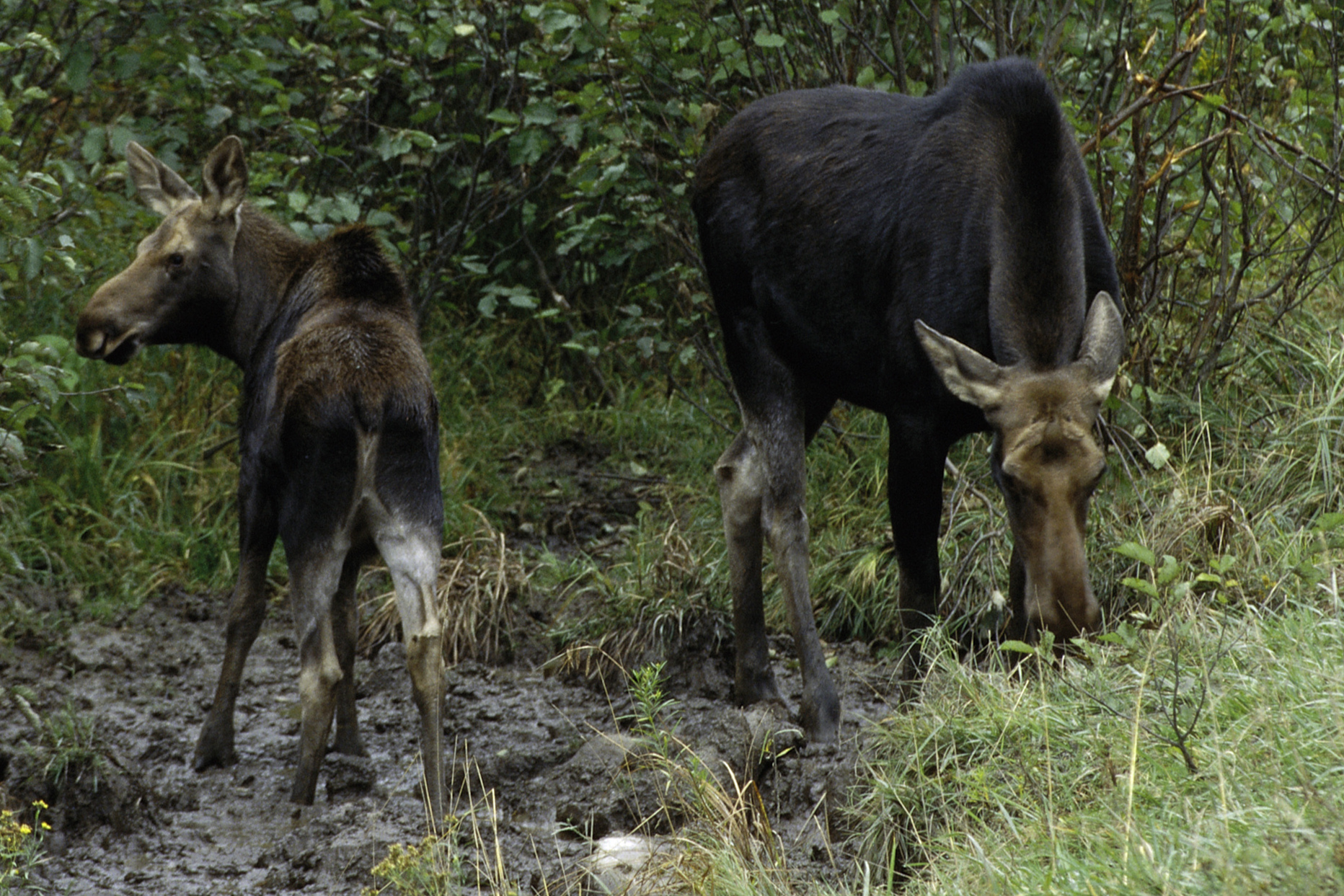
A long-term health assessment of moose (Alces alces) in New York, USA found a striking contrast between outward condition and parasite exposure. Among 60 live-captured animals, 98% were rated in good or excellent body condition, yet 75% showed evidence consistent with possible infection by at least one internal parasite. The study also used records from 191 moose examined after death between 2000 and 2023.
The two datasets provided different kinds of information. Live captures allowed standardised assessments of body condition, blood values and parasite exposure, while the necropsy records came opportunistically from animals that were found dead or killed. The latter therefore reveal pathology and recorded causes of death, but are not a random sample of mortality in the wider population.
Parasite exposure was common despite good body condition
Most live-captured moose appeared physically robust, but parasite-related findings were widespread. Blood tests showed elevated eosinophil and lymphocyte counts, changes that can accompany immune responses but do not by themselves identify a particular infection.
Winter ticks (Dermacentor albipictus) were found on 74% of live-captured animals. Infestation intensity was nevertheless much lower than in neighbouring states where severe winter-tick outbreaks can cause major blood loss and poor condition. The New York results therefore show that a parasite can be widespread without reaching the extreme burdens seen elsewhere.
White-tailed deer were central to meningeal-worm risk
Among the necropsied moose, infections with the meningeal worm Parelaphostrongylus tenuis and the giant liver fluke Fascioloides magna were common. White-tailed deer (Odocoileus virginianus) are the normal definitive hosts of both parasites, whereas moose are incidental hosts in which infection can cause serious disease.
White-tailed deer density was the strongest predictor of meningeal-worm infection in moose, consistent with deer acting as the main source of environmental transmission. Giant-liver-fluke infection followed a more complicated pattern: older animals and samples from later years had higher estimated infection probability, while the associations with deer density and roads did not fit a simple transmission explanation.
Trauma, especially vehicle collisions, was the most frequent immediate cause of death recorded among the necropsied animals. Because those carcasses were collected opportunistically, this should not be treated as an estimate of how moose across New York usually die.
The authors’ clearest management implication concerns meningeal worm: reducing white-tailed deer density in core moose areas could lower exposure risk. More broadly, they argue that parasite pressure should be considered alongside other stressors even when most live animals appear to be in good body condition.
Disease, parasites & microbiology
Related news
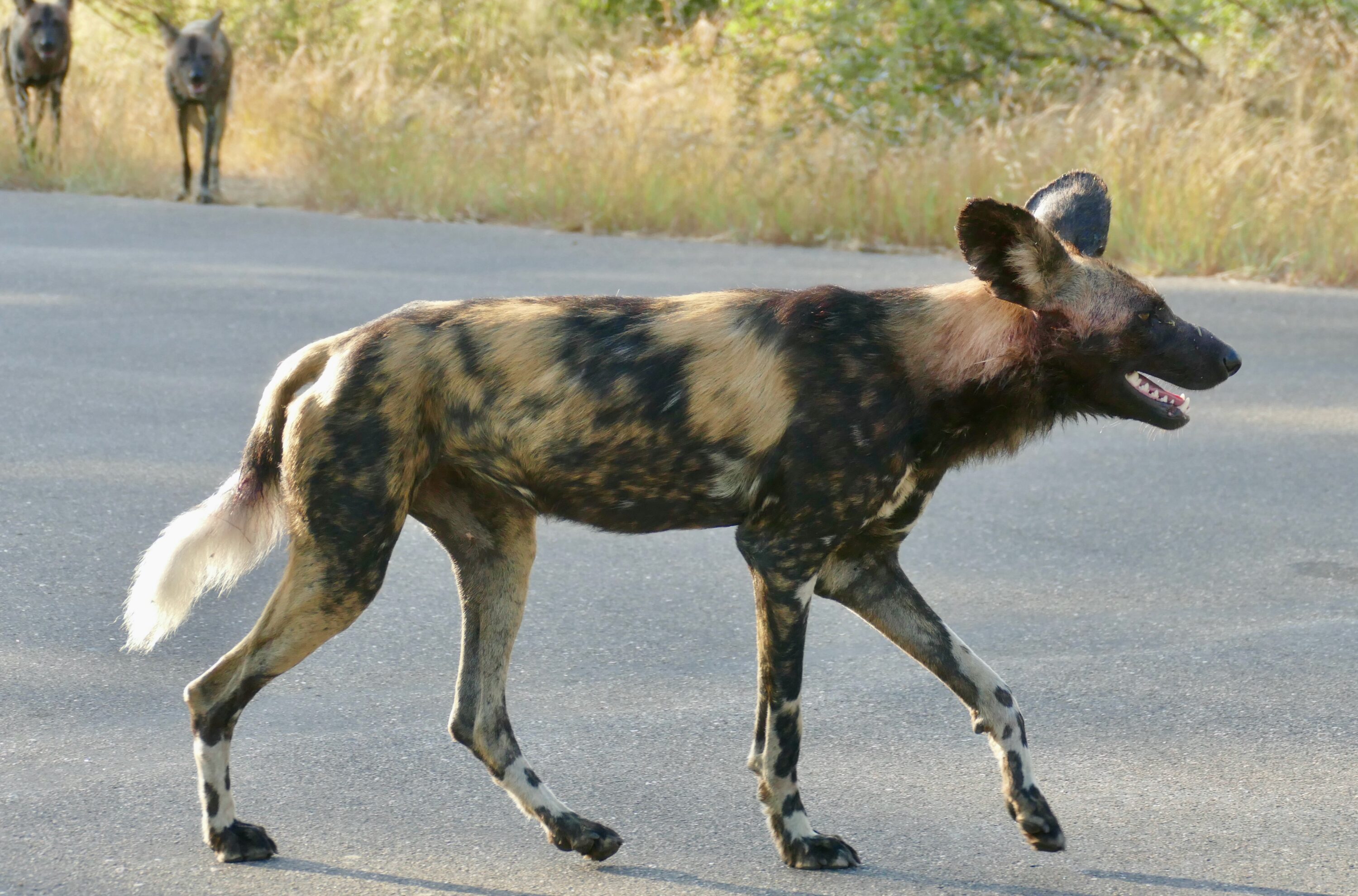
Gut Microbiomes Across Nine Kruger Mammals Clustered More Strongly by Dietary Group Than Species
A study of 89 quality-filtered faecal samples from nine wild mammals in Kruger National Park found that carnivores,…
Read story →
Nearly Three-quarters of Migrating Redwings Carried Ticks During Two Mild Belgian Autumns
Ticks were found on 72.9% of 284 redwings sampled during late-autumn migration in Belgium; 12.9% of 698 screened…
Read story →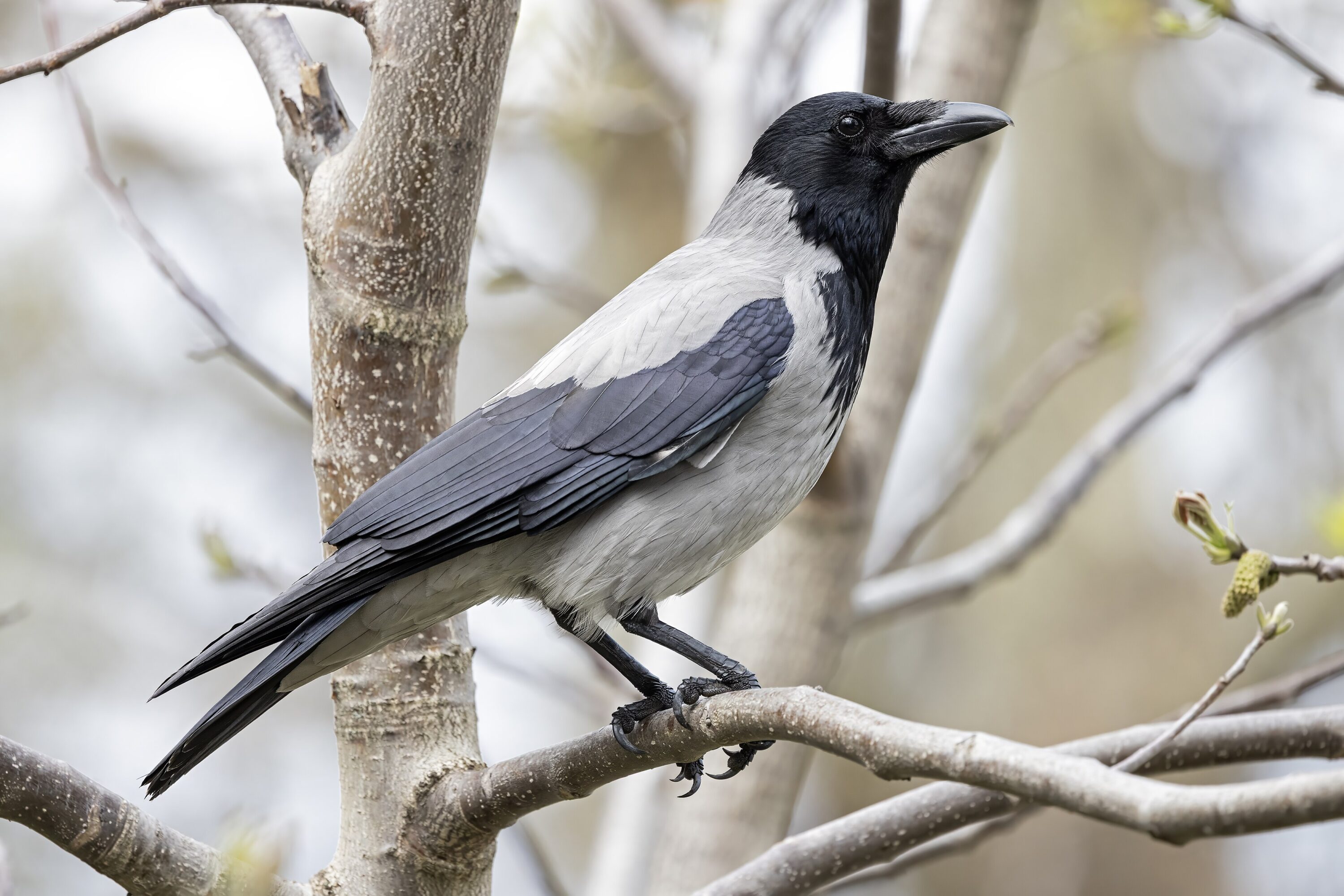
Hooded Crows Were Linked to 87 Reported West Nile Virus Bird Outbreaks in Europe
The September ECDC–EFSA report linked hooded crows to 87 reported West Nile virus bird outbreaks, Eurasian magpies to…
Read story →SPECIES IN THIS STORY
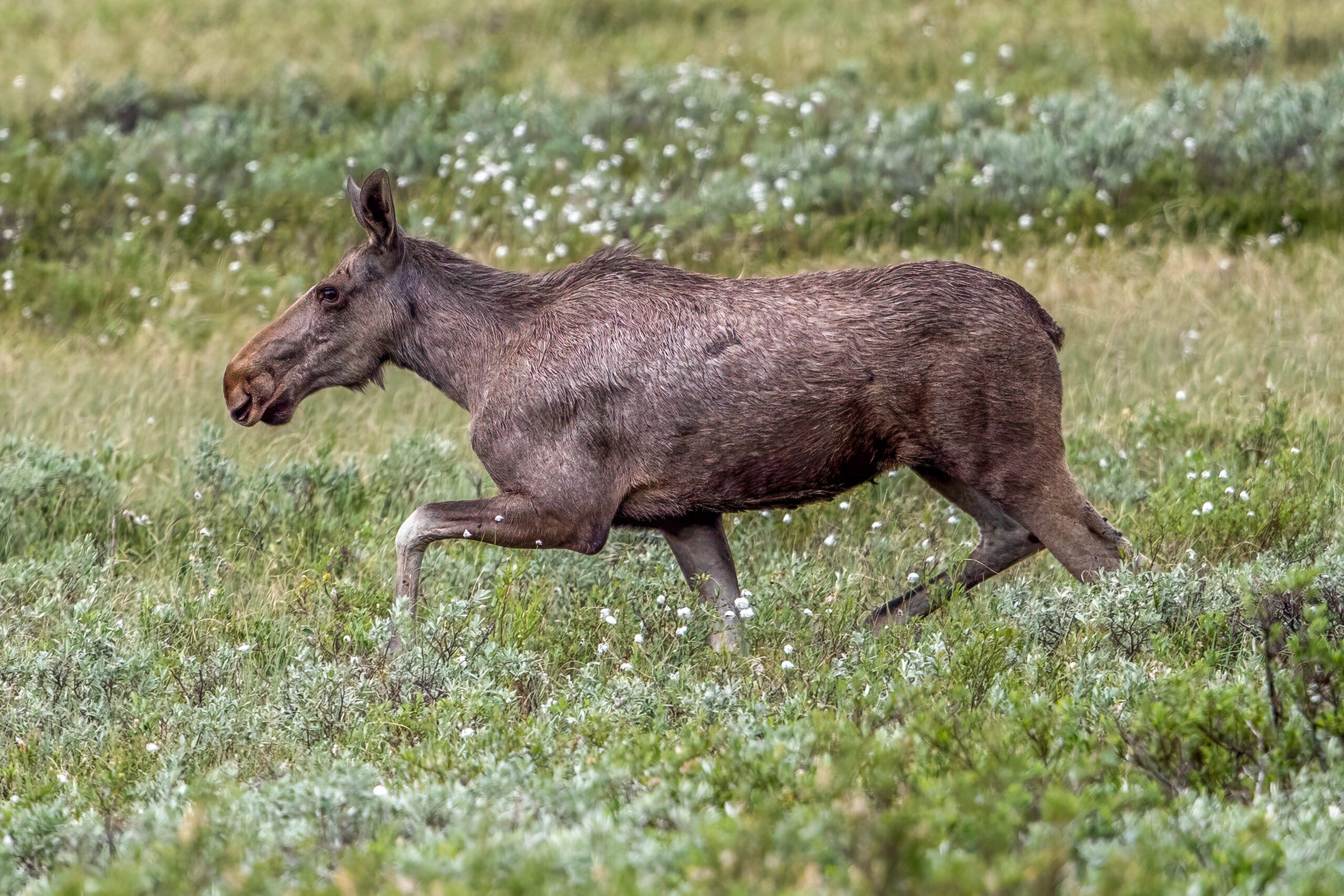
Species in this story
Independent research and conservation news archive
Did you find this information useful?
Wildlife Vagabond is independently built and maintained. Voluntary support helps cover source verification, hosting and continued work on research and conservation news.
Support Wildlife VagabondThe news archive will remain freely available.