
1,270 Shed Primaries Revealed Turnover During Northern Lapwing Moult at a Polish Staging Site
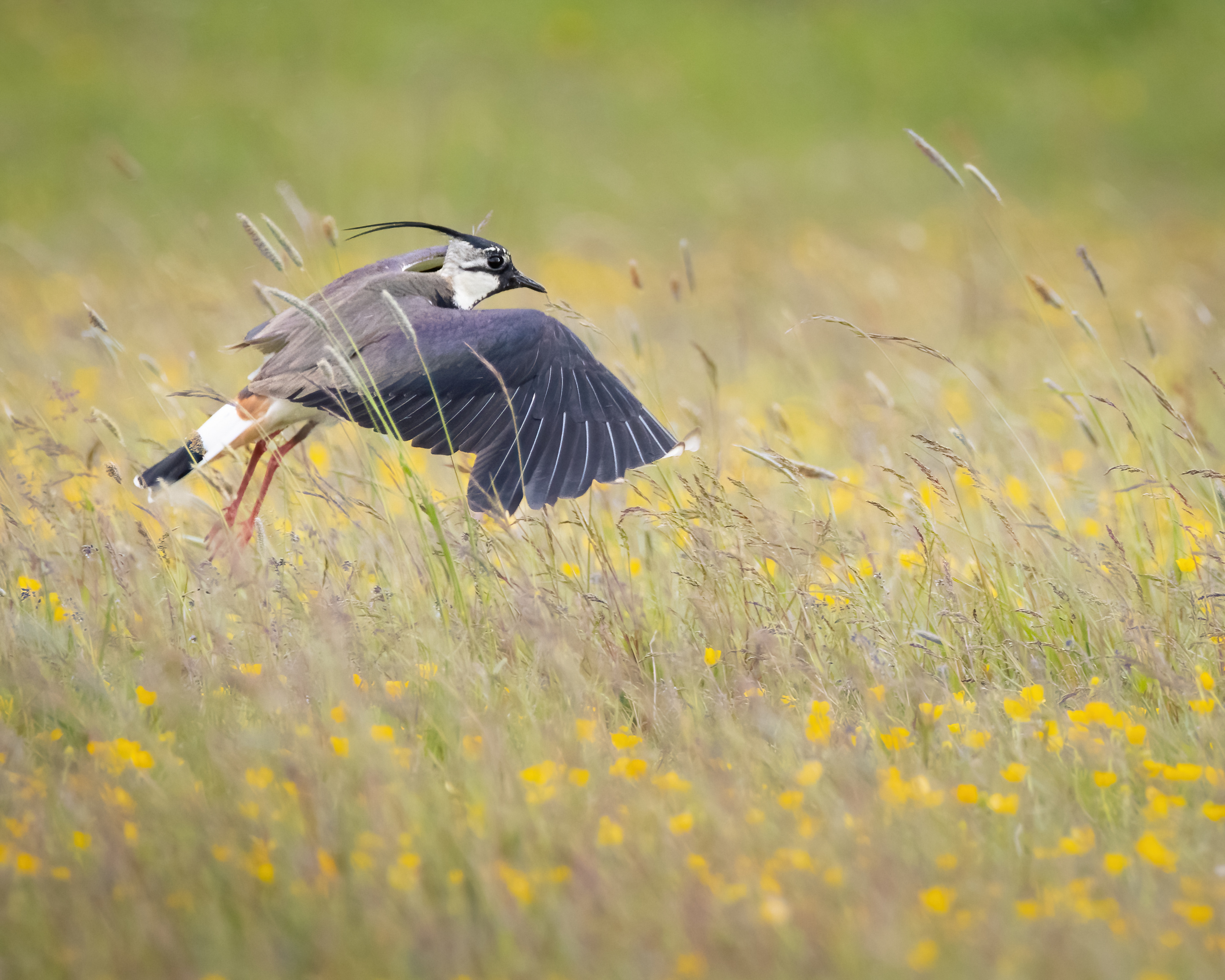
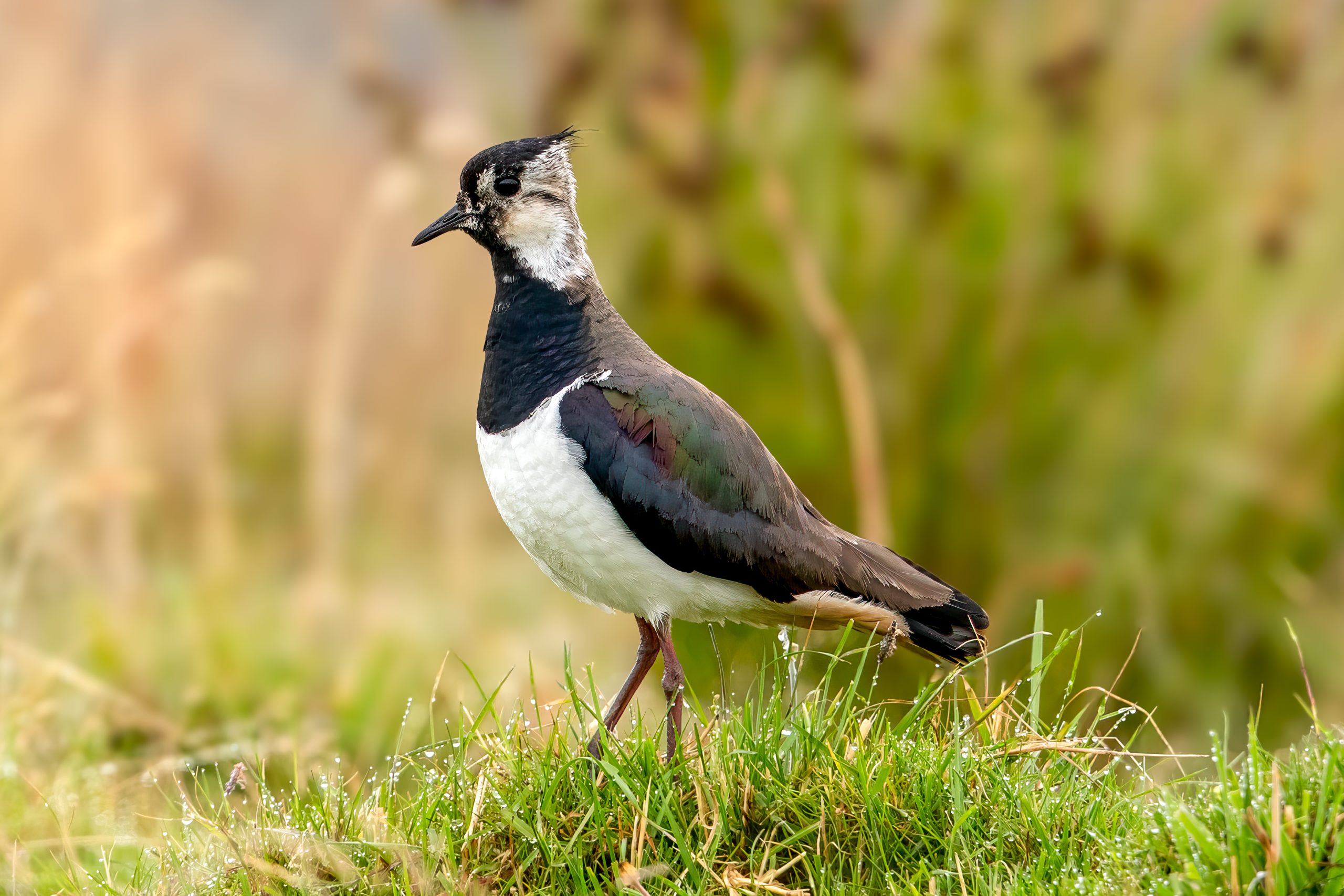
Researchers used 1,270 naturally shed primary feathers to reconstruct flight-feather moult in northern lapwings (Vanellus vanellus) gathering after breeding near Lisewo Malborskie on the lower Vistula in northern Poland. Feathers collected from July to September 2004–2005 showed the expected outward sequence from the innermost primary to the outermost, but also large variation in when individual birds appeared to have started moult.
The approach was useful because adult lapwings gather in large post-breeding flocks but can be difficult to capture in the numbers needed for detailed individual moult models.
1,367 right-wing primaries were collected and 1,270 analysed
Right-wing feathers were slightly more numerous than left-wing feathers and were used for the main analysis. Of 1,367 collected right primaries, 1,270 could be assigned reliably enough to a position in the wing.
Northern lapwings have ten primaries, numbered from P1 on the inside of the wing to P10 on the outside. The outer feathers could be recognised from shape and markings, while masses from reference specimens helped distinguish the inner feathers.
Moult progressed outward but was poorly synchronised
The average position of shed feathers moved steadily outward from early July to late September. By the turn of August and September, the median collected feather was around P9, and later samples were dominated by P7–P10.
Yet feathers from widely separated positions often appeared in the same five-day period. Even in September, when most shed feathers came from the outer wing, an inner P4 was still found. The authors interpret this as substantial variation in moult onset among birds, potentially reflecting different breeding dates, replacement clutches and breeding origins.
Two P10 peaks suggest turnover at the staging site
The outermost primary, P10, is shed near the final phase of primary moult. The first P10 appeared in the five-day period centred on 22 July. Its proportion among collected feathers rose to about 0.6 in early September, dropped sharply, then rose again to about 0.5 later in September.
A lapwing replaces P10 only once in a moult cycle. The two peaks therefore do not represent the same birds repeating the process. The authors interpret them as flock turnover: birds that began moulting early may have departed after finishing, while later-moulting birds arrived or remained and reached the final stage later.
Counts at the site support a changing flock. Numbers built to several hundred birds during the post-breeding period and then fell sharply, while ringing records show that northern Poland receives migrating lapwings from a broad geographic area.
The pattern fits stopover moult-migration
The authors describe the strategy as stopover moult-migration: birds gather at food-rich post-breeding sites and complete much or all of primary moult before continuing autumn migration towards wintering areas.
Lapwings remain able to fly while replacing primaries, unlike waterfowl species that can become temporarily flightless during wing moult. Growing feathers and gaps in the wing can nevertheless impose energetic and aerodynamic costs, making the timing of moult relative to migration important.
Shed feathers reveal flock timing, not individual moult histories
The method can generate many records without repeatedly capturing adults, but it has a fundamental limitation: one shed feather cannot be linked to the bird that dropped the previous or next feather.
The researchers therefore could not calculate how long a single lapwing took to replace all ten primaries, reconstruct complete individual sequences or relate feathers to the bird’s age, sex or condition. The 1,270 feathers describe population-level moult phenology and turnover at the site, not individual moult duration.
Physiology
Related news
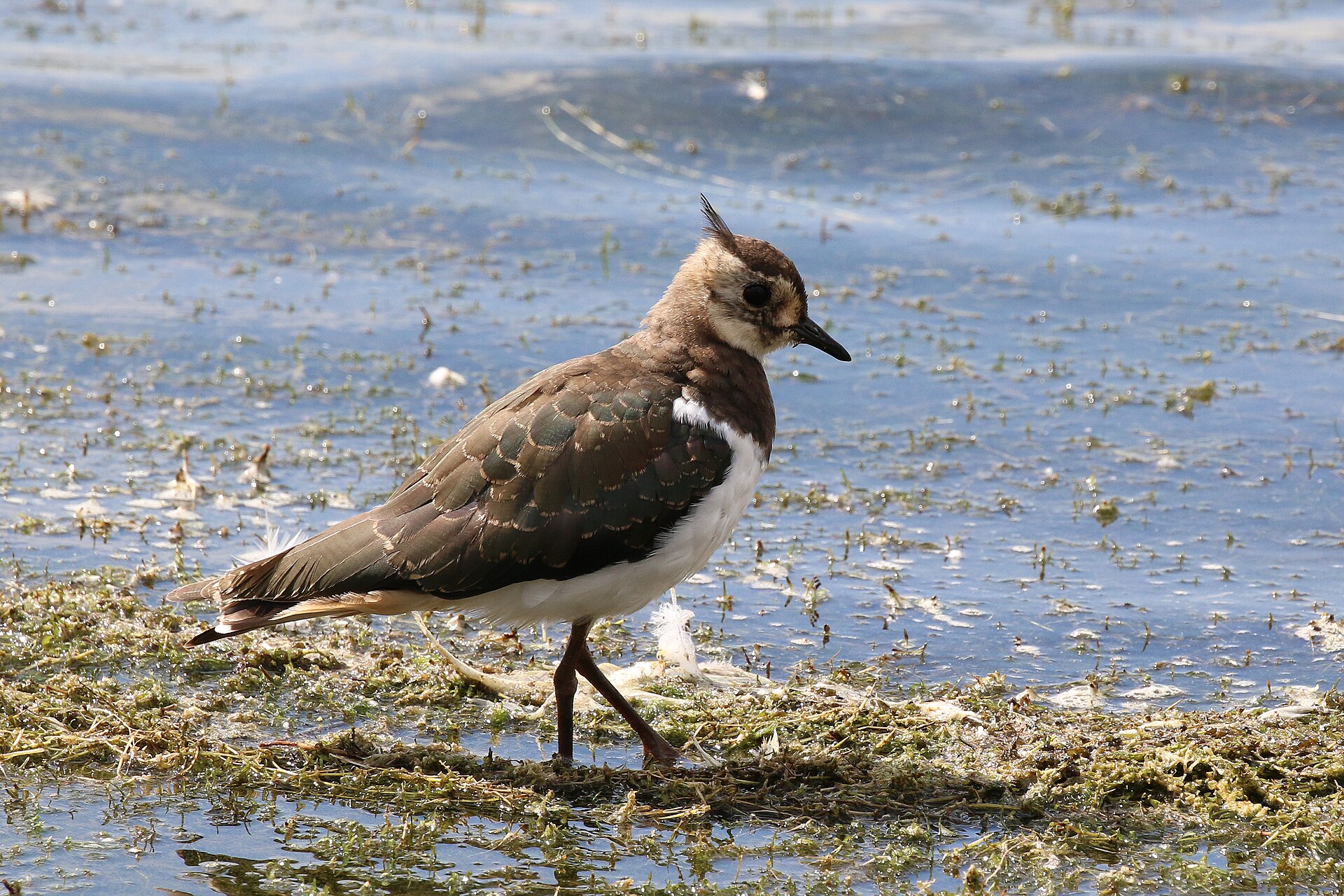
Lapwings Nest Later Further North in Britain, but Oystercatchers Start Earlier
Lapwings and oystercatchers follow different breeding calendars. British nest records show that fixed grazing and mowing dates can…
Read story →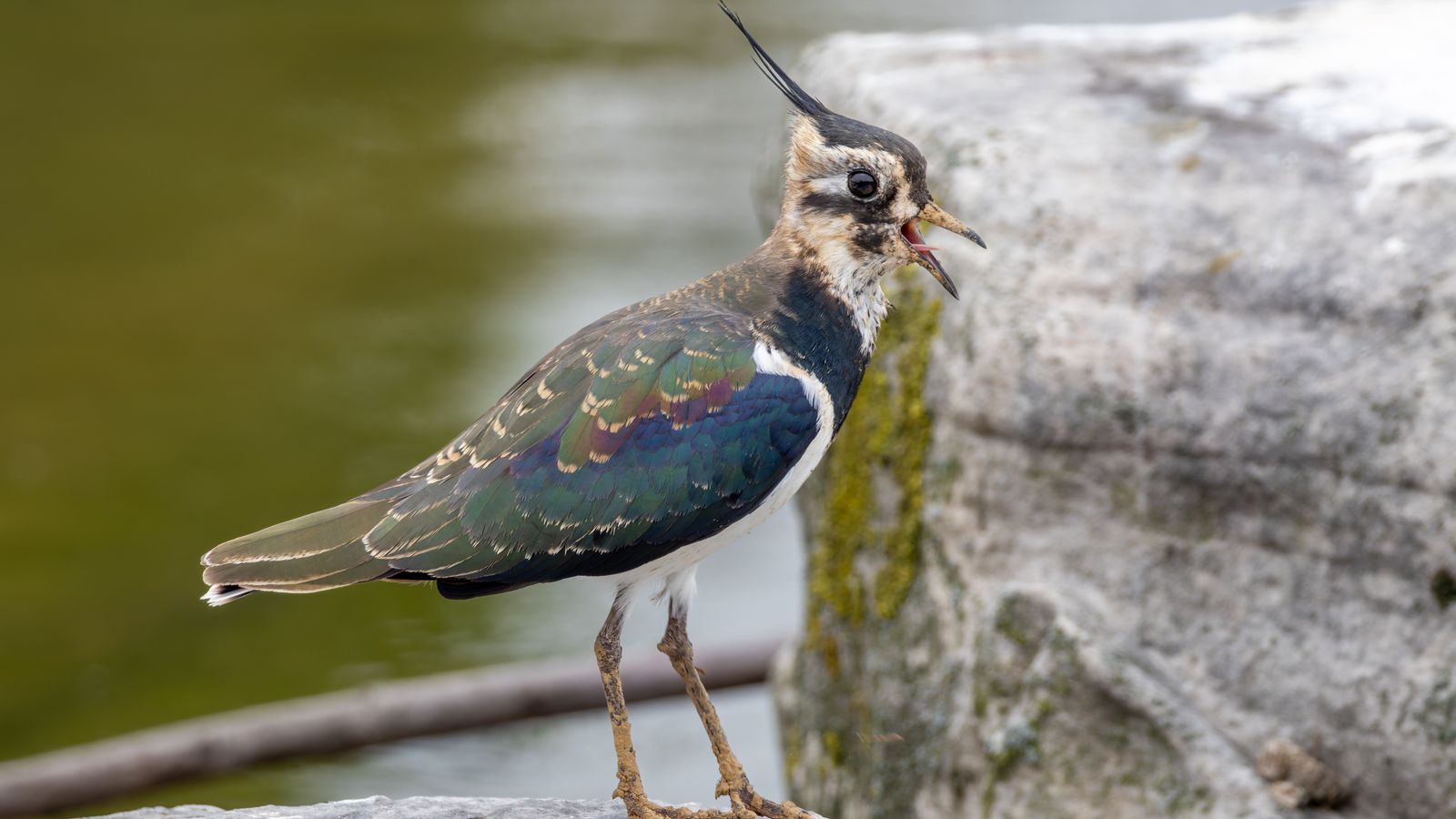
Northern Lapwing Nest Survival Was Lower in Alsace Than in Hauts-de-France
Monitoring of 145 Northern Lapwing nests in two French farming regions found lower nest survival in Alsace than…
Read story →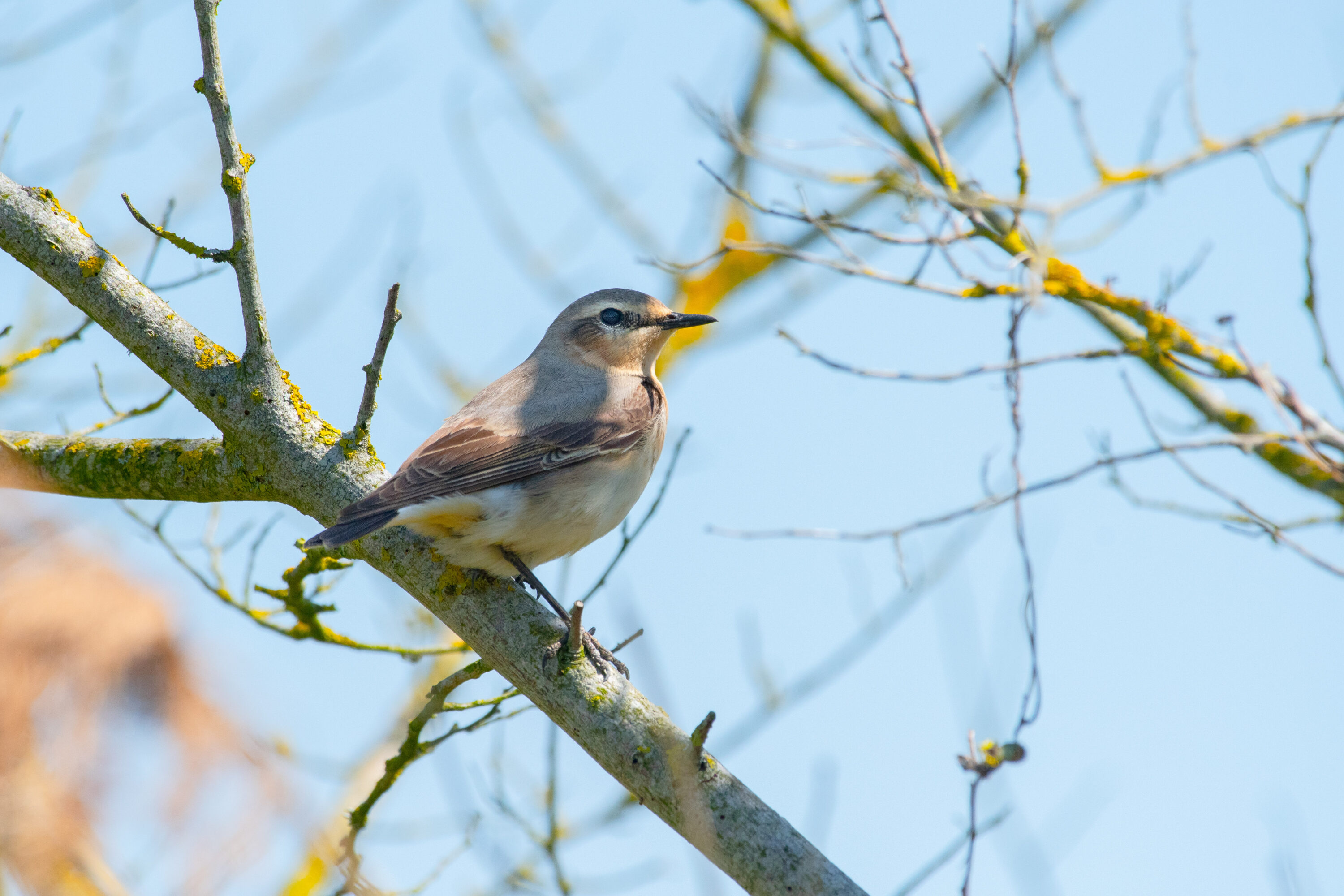
Five of Six Indicator Birds Could Lose Large Areas of Suitable Habitat in Luxembourg
Under the warmer SSP5–8.5 scenario, Red-backed Shrike, Northern Wheatear and Northern Lapwing were projected to lose especially large…
Read story →SPECIES IN THIS STORY
Species in this story
Independent research and conservation news archive
Did you find this information useful?
Wildlife Vagabond is independently built and maintained. Voluntary support helps cover source verification, hosting and continued work on research and conservation news.
Support Wildlife VagabondThe news archive will remain freely available.