
Older Female Blackbirds Built More Debris Into Their Nests
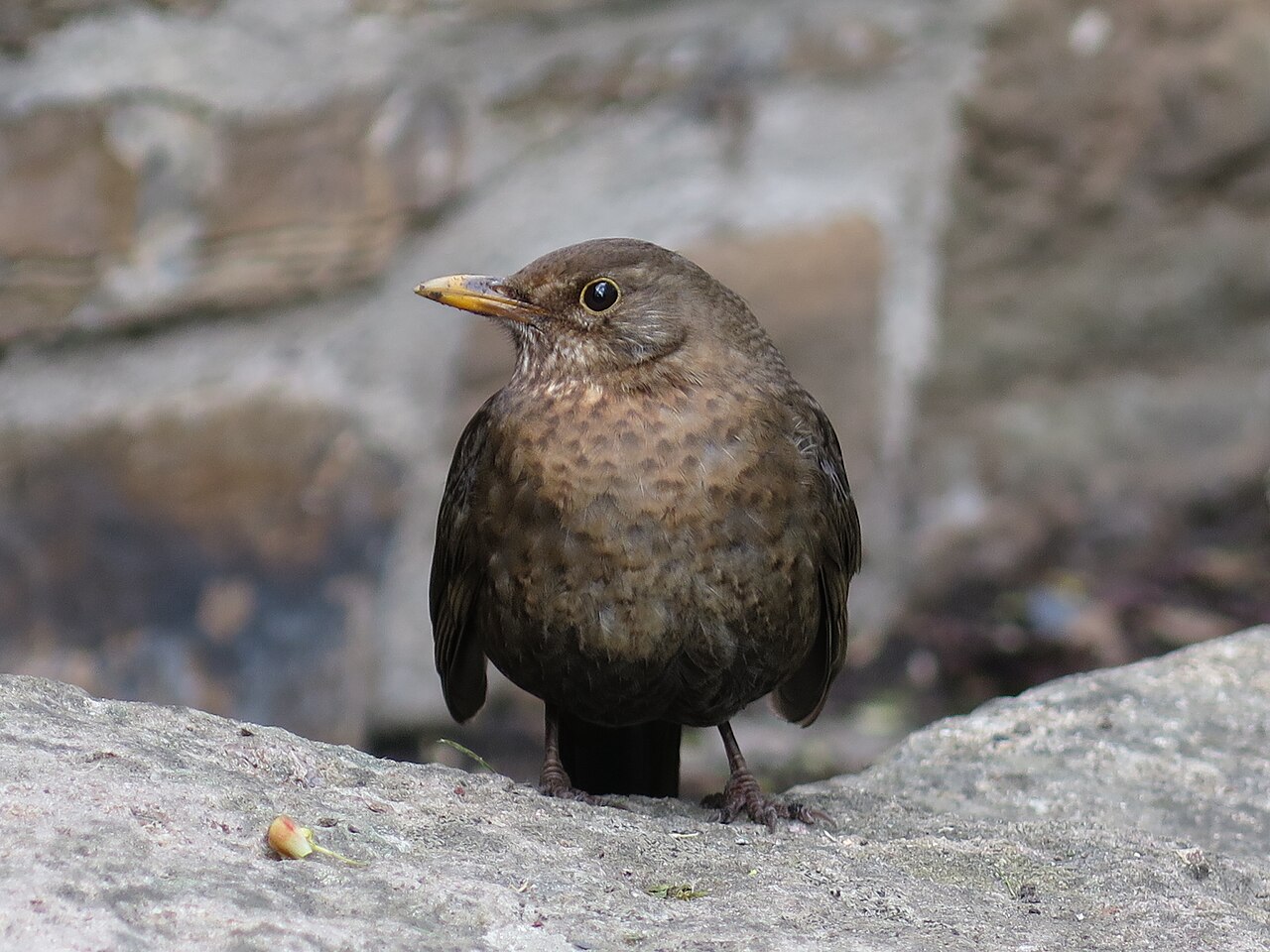
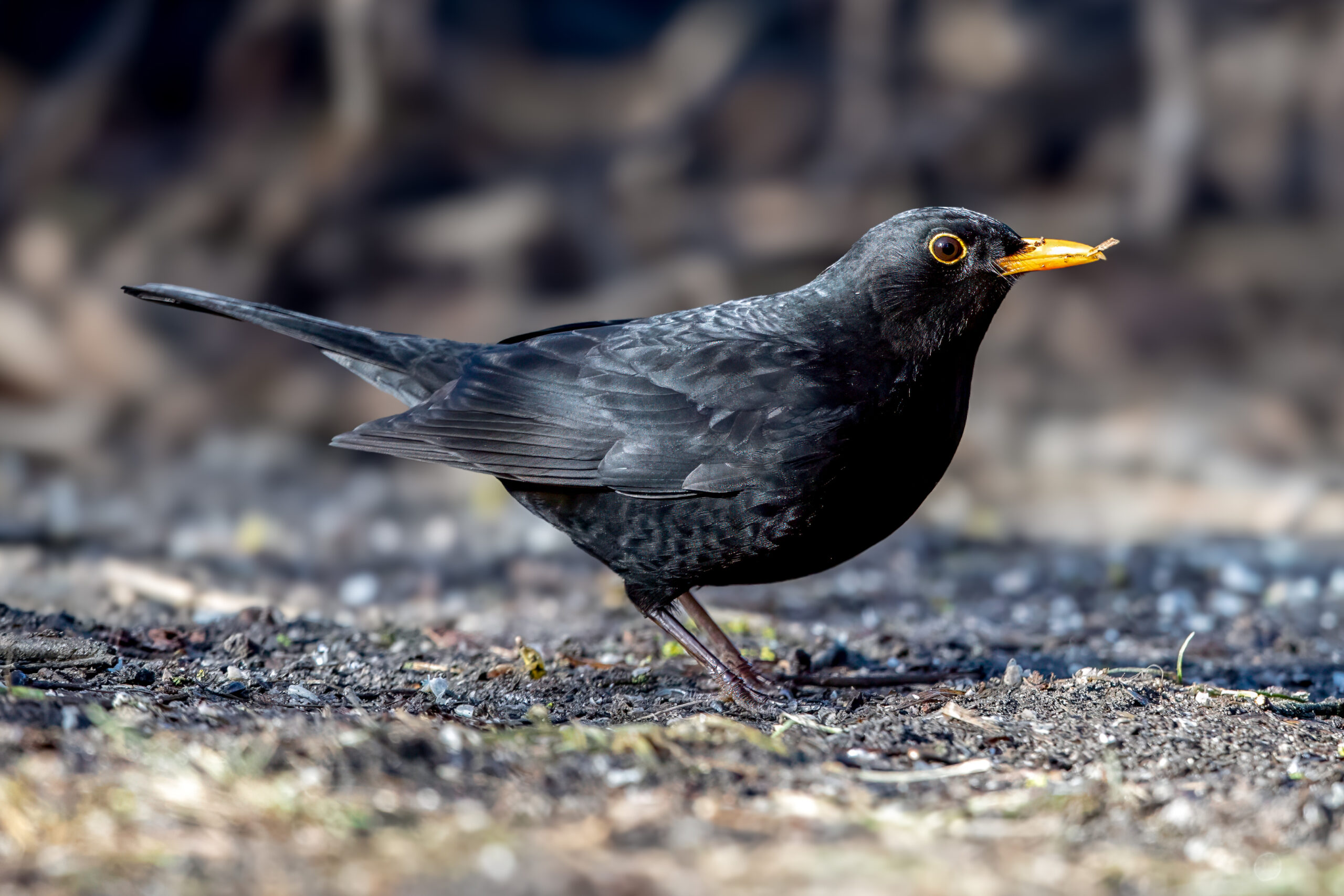
Blackbirds do not build only with twigs, roots, grass and mud. In a city park in Szczecin, north-western Poland, researchers also found plastic strips, strings and other human-made materials in their nests. Older females used more such items than younger ones, and the number also increased later in the breeding season.
Female Eurasian Blackbirds (Turdus merula) do most of the nest-building. The study examined 81 nests from 44 females, collected in Stefan Żeromski Park during 2014–2021. Individual colour rings allowed researchers to link nests to particular females, their ages and breeding histories.
Strips and Strings in the Nest Base
Human-made materials were common but contributed only a small proportion of total nest weight. Almost all the items were strip-shaped, and they occurred most often in the nest base, which supports the cup and its inner lining.
The shape of these materials is interesting because birds may select objects that resemble natural building materials. Another possibility is that strings and strips help hold a nest together. The researchers discuss both explanations, but the study does not establish why the Blackbirds used these materials.
The greater number of items used by older females raises questions about experience and changing material choices. Timing also mattered: nests in which the first egg was laid later contained more human-made items.
More Items in Nests That Fledged Young
Nests from successful breeding attempts contained more of these items than nests where breeding failed. Success meant that at least one chick fledged.
This finding does not show that debris helped the young. Materials that could support a nest structure can also be dangerous if birds become entangled in them. The central finding is that female Blackbirds used the city’s available building materials differently, with use varying by both age and timing within the breeding season.
Ecology
Related news
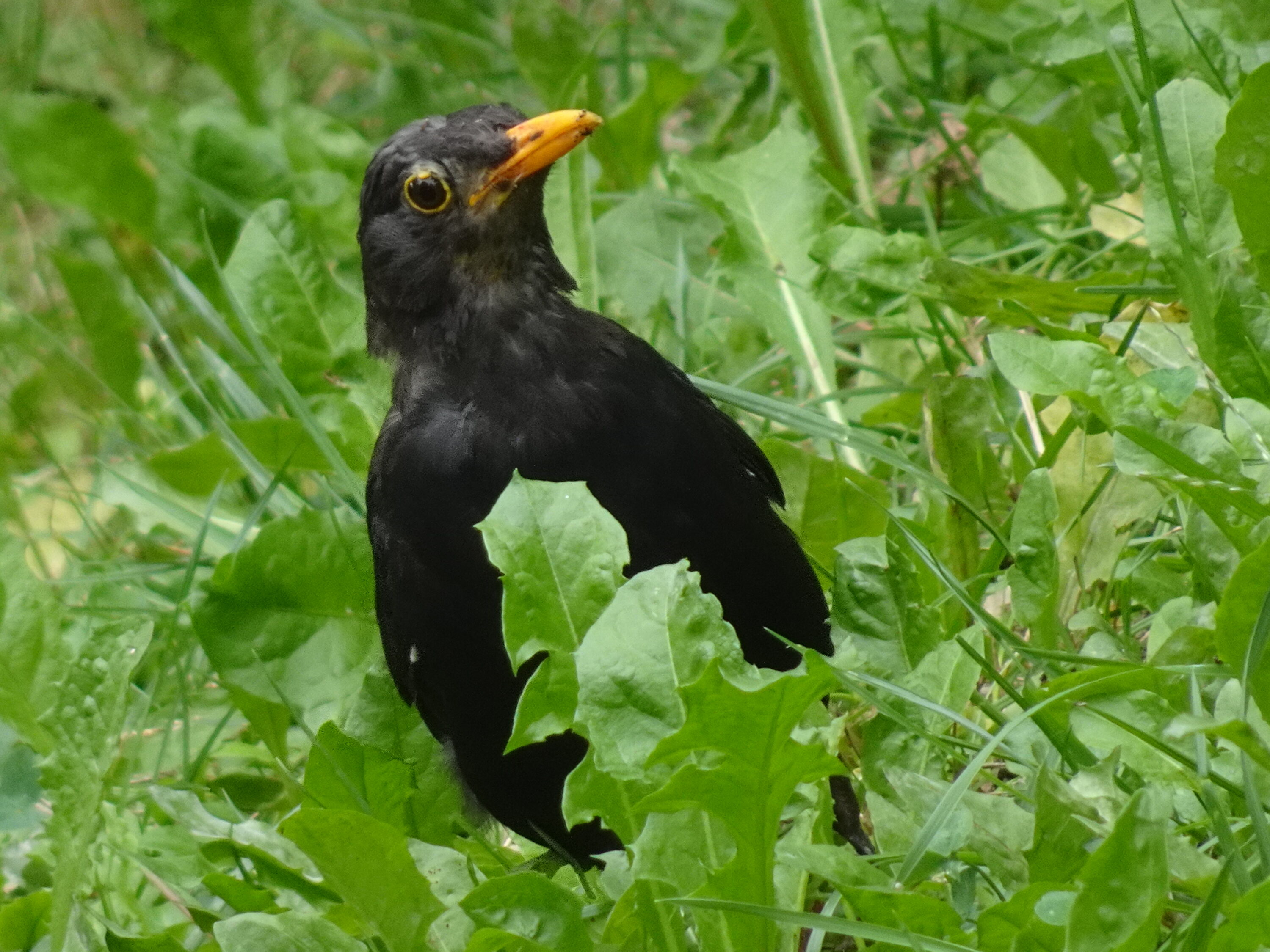
Urban Bird Diversity Was More Strongly Linked to Forest Structure Than the Surrounding City
Across 12 urban forests in three Italian cities, researchers recorded 2,035 birds from 52 species. Local forest structure…
Read story →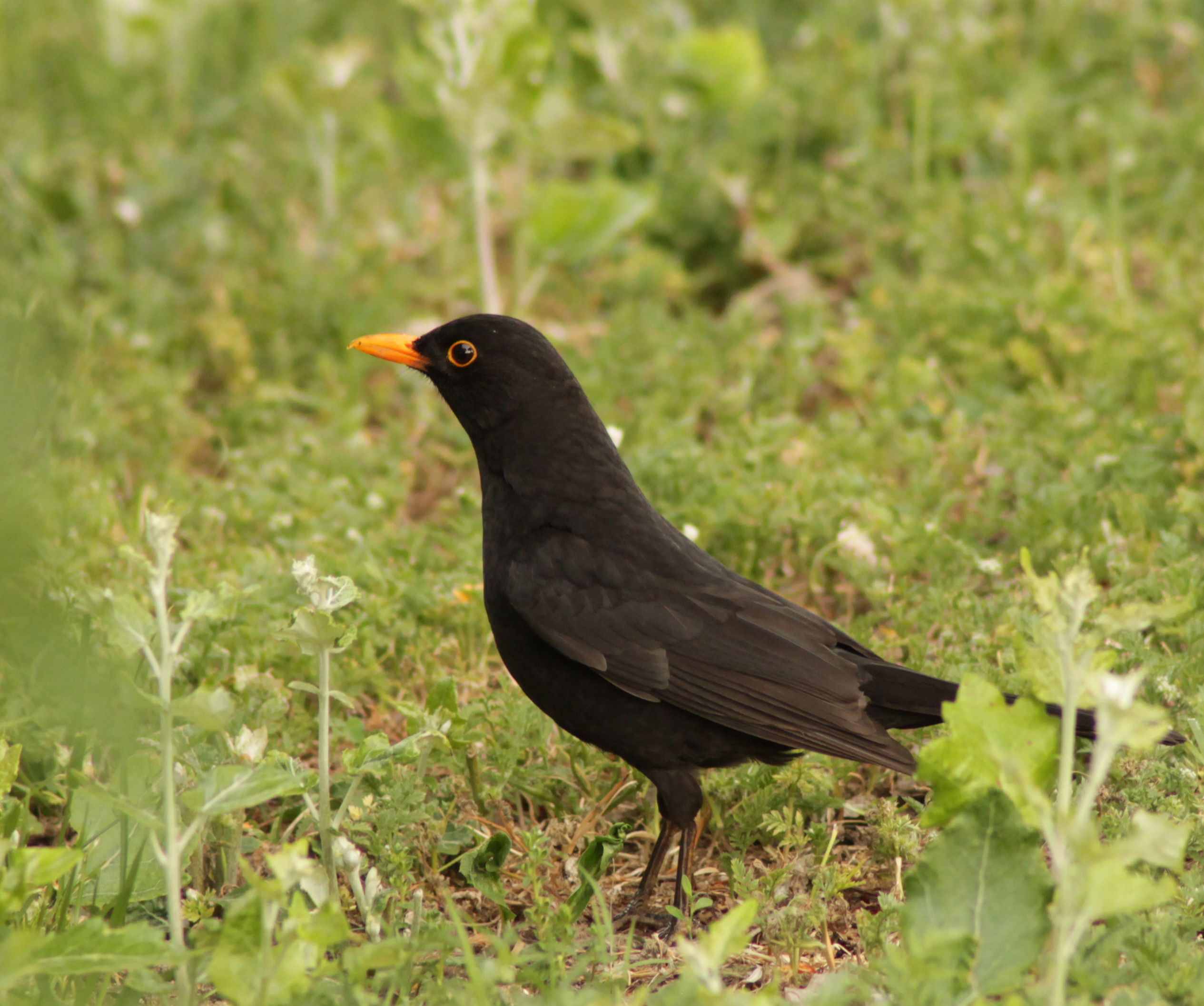
Targeted Restoration Raised the Modelled Share of Functionally Connected Blackbird Breeding Habitat to 90.8% in Gijón
VHF telemetry from 13 adult Eurasian blackbirds in Gijón was used to model breeding habitat and connectivity. Under…
Read story →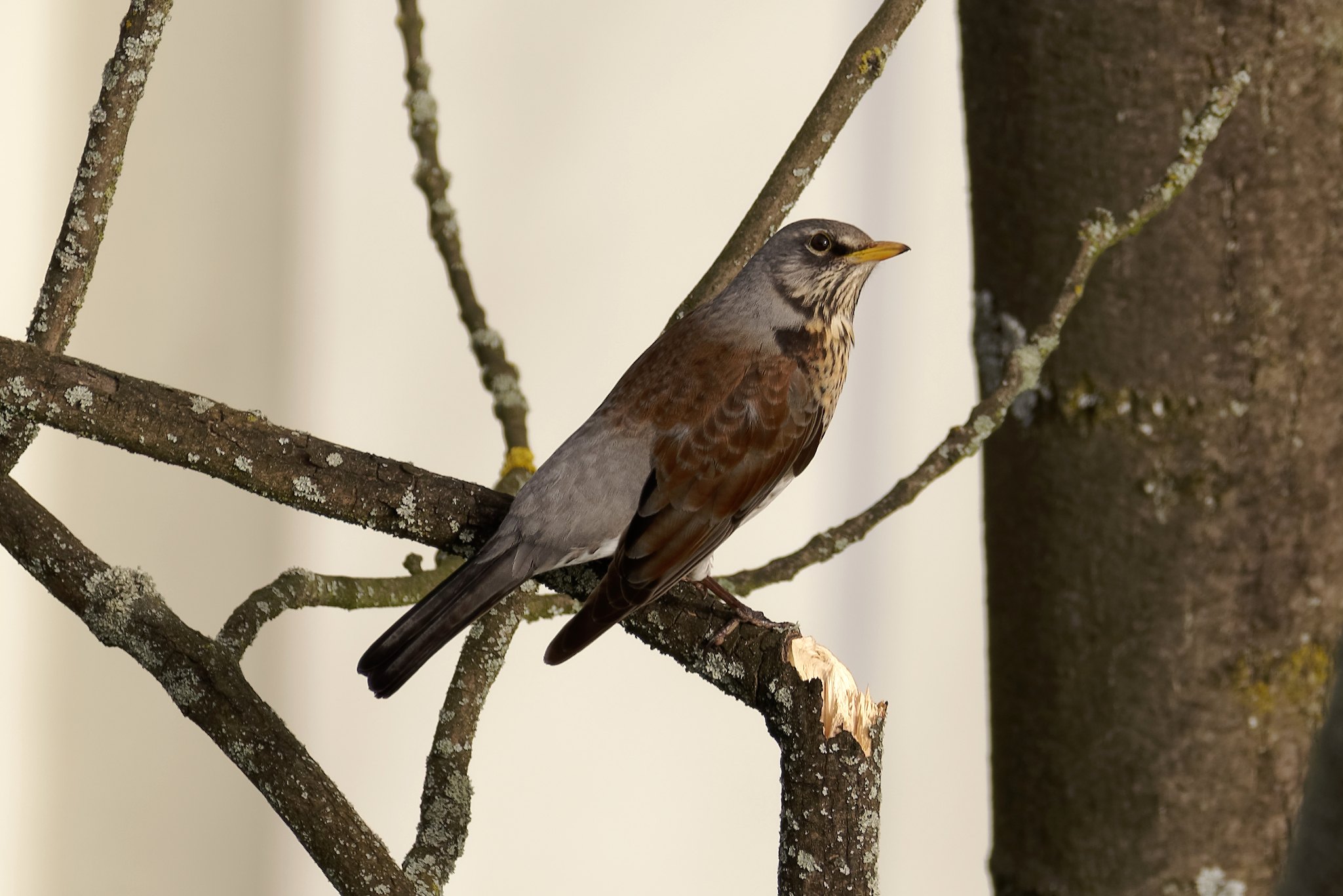
Fieldfare and Song Thrush Confirmed as New Intermediate Hosts of Sarcocystis turdusi
Across 72 dead thrushes from Lithuania and Russia’s Kaliningrad region, DNA confirmed fieldfare and song thrush as new…
Read story →SPECIES IN THIS STORY
Species in this story
Independent research and conservation news archive
Did you find this information useful?
Wildlife Vagabond is independently built and maintained. Voluntary support helps cover source verification, hosting and continued work on research and conservation news.
Support Wildlife VagabondThe news archive will remain freely available.