
On Taiwan’s Highest Peak, Sambar Graze on Grass while Serow Feed on Conifer Needles
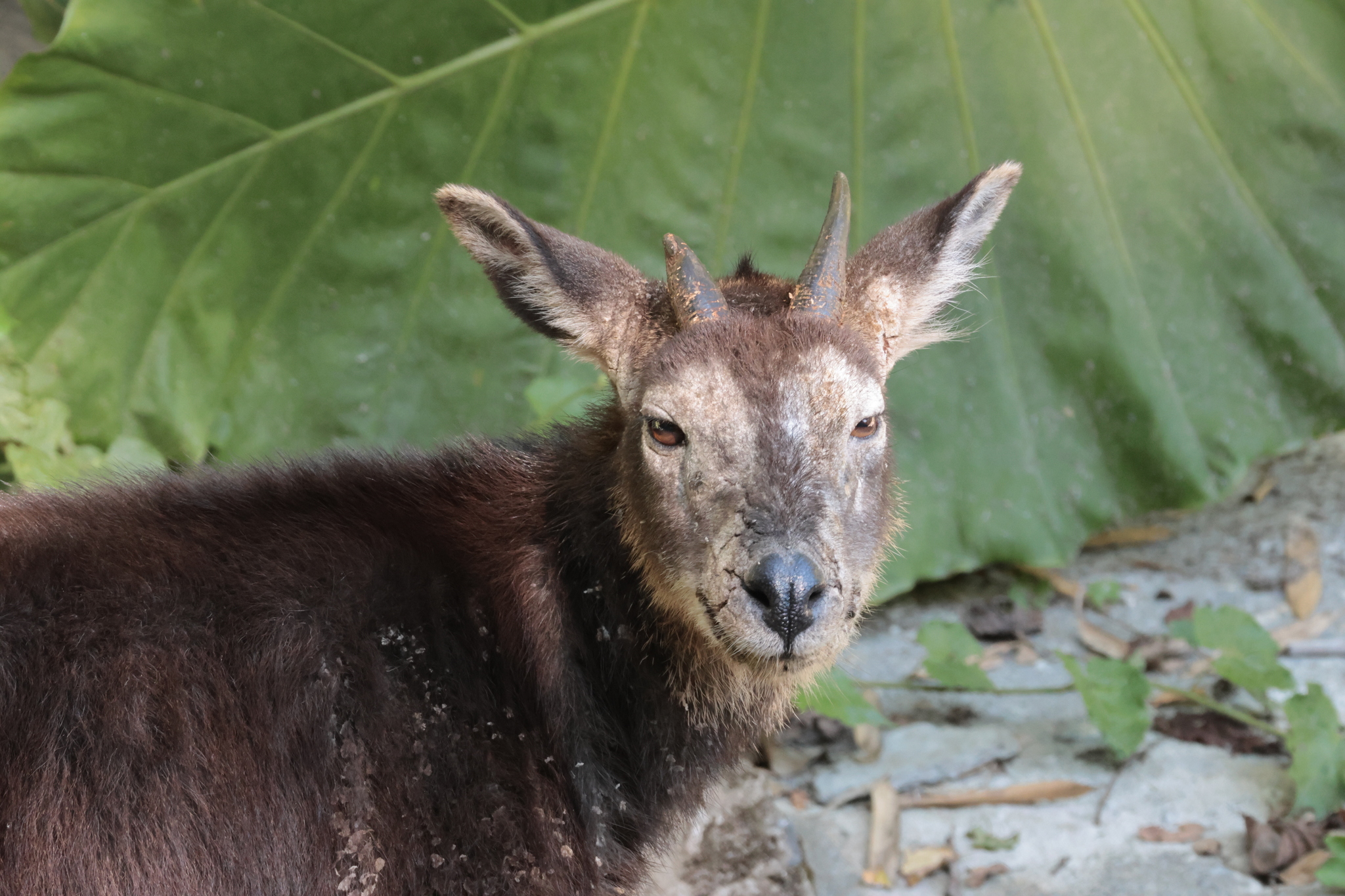
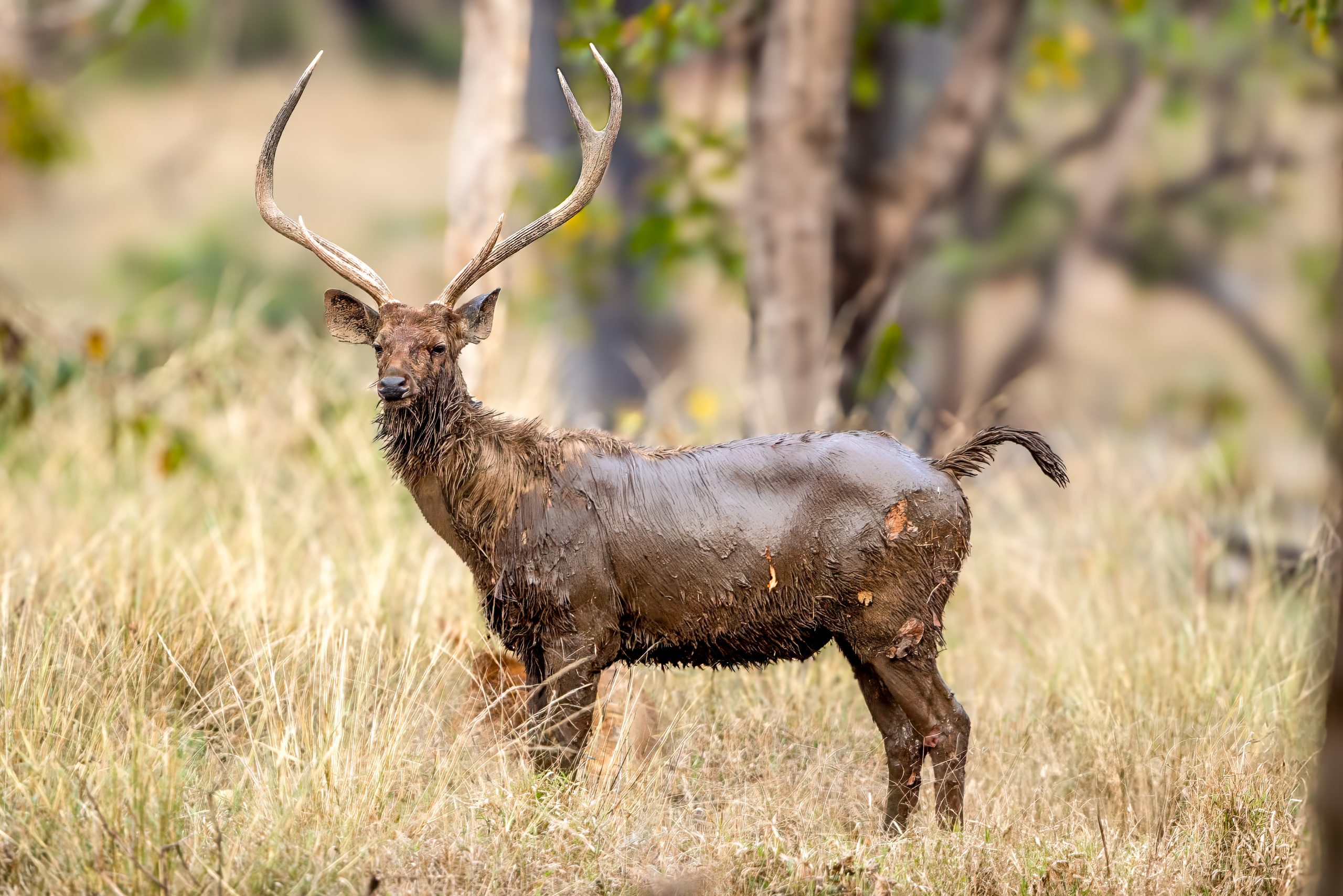
On Mount Yushan, Taiwan’s highest peak, Formosan sambar (Rusa unicolor swinhoii) mainly ate grasses, while Formosan serow (Capricornis swinhoei) mainly ate conifer needles. This contrast appeared in samples from both the dry and rainy seasons, even though the two hoofed mammals share a high-mountain habitat where food is limited. The study was published in Mammal Study on November 4, 2026.
Sambar are deer weighing around 200 kilograms; the much smaller Formosan serow, at around 20 kilograms, is a goat-like member of the family Bovidae, which also includes goats and cattle. Researchers studied the animals in an area of about one square kilometre in Yushan National Park, between 3,150 and 3,850 metres above sea level. The area spans subalpine conifer forest and alpine terrain above the tree line. Bamboo grass dominates the forest floor, while much of the alpine zone is bare, with scattered alpine herbs and stunted conifers.
In March and September 2025, researchers collected 92 fecal samples: 48 from serow and 44 from sambar. They washed the samples and examined plant fragments under a microscope to estimate what the animals had eaten. Grasses and grass-like plants, including bamboo grass, made up 73.3–80.3% of the plant fragments in sambar samples. Conifer leaves made up 62.6–63.0% of the fragments in serow samples. These patterns appeared in both seasons. An analysis of dietary overlap also found that the species’ diets differed significantly, supporting the interpretation that they partitioned their food resources.
Relying mainly on conifer needles is unusual among hoofed mammals. Conifer foliage is fibrous and contains secondary plant compounds that can interfere with digestion in ruminants. Some ungulates in cold regions, including moose and mountain goats, eat conifers in winter, but they are rarely reported as relying on them as a main food.
A previous study of the same two species in a lower-elevation subtropical cloud forest on Yushan found that woody plants dominated the serow’s diet, while sambar still mainly ate grasses and other grass-like plants. The comparison suggests that the serow’s diet changes substantially between the lower forest and the high-mountain habitat, whereas grasses remain central to the sambar’s diet in both settings.
The different diets may help reduce competition for food and allow the two species to coexist where resources are limited, the researchers suggest. The findings also point to bamboo grass and conifers as important food resources to consider in managing this high-mountain ecosystem.
Ecology
Related news
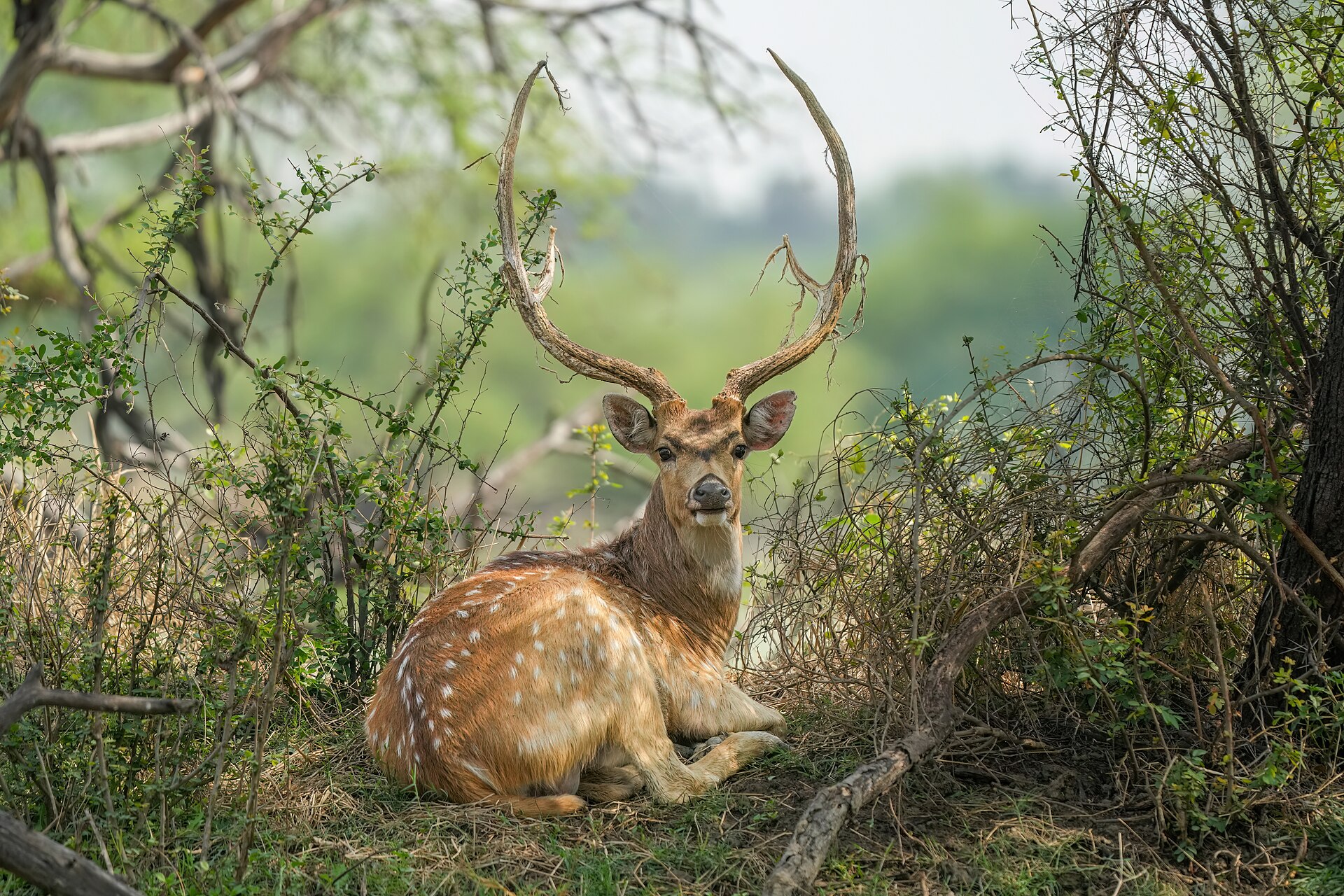
How Close Do Spotted Deer and Sambar Let People Get?
Across 25 locations in Sri Lanka, researchers measured how far away four deer species began to flee from…
Read story →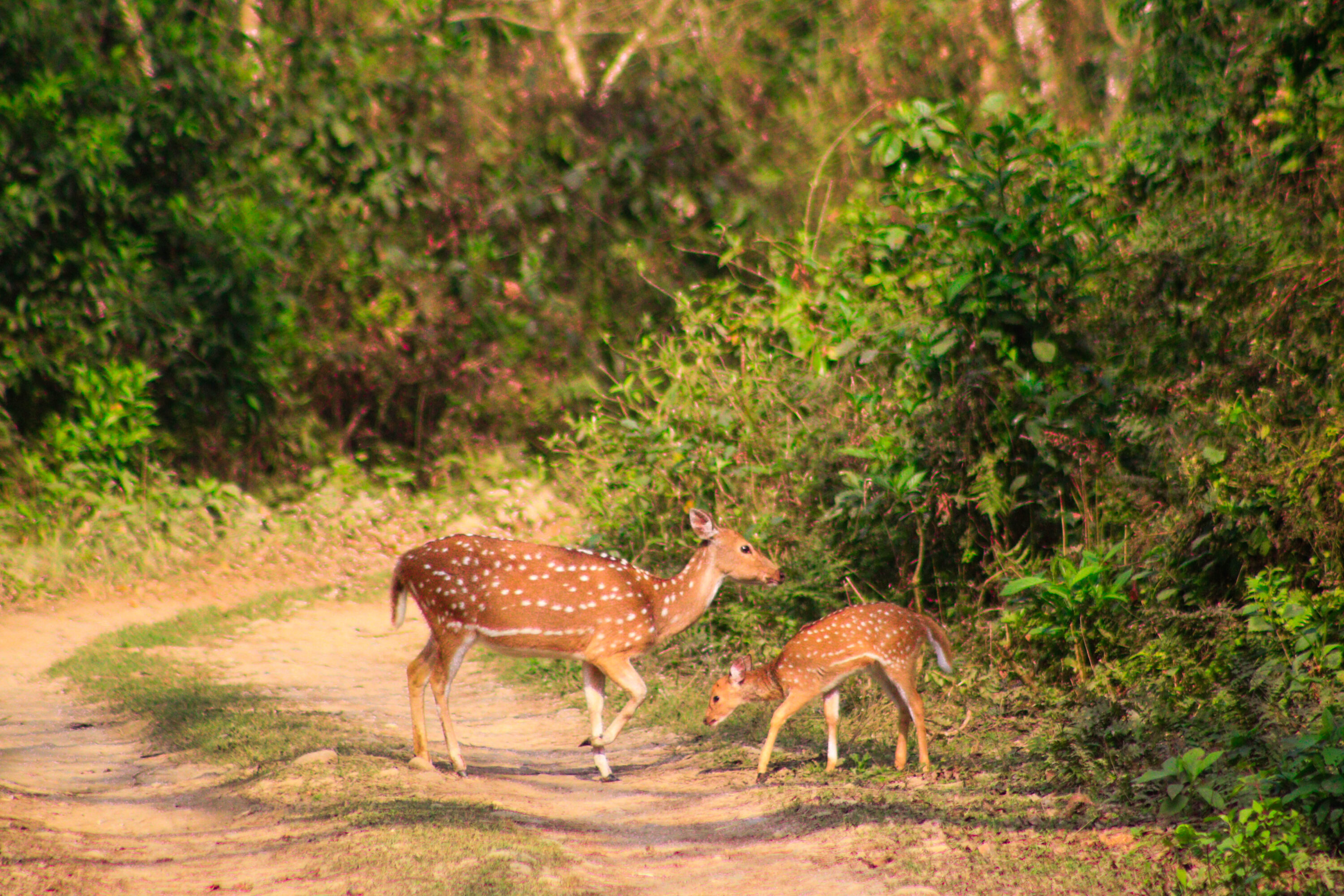
Human Activity and Large Wildlife Overlapped Most in Chitwan’s Buffer Zone
Camera traps across Chitwan National Park and surrounding forests showed the greatest overlap of human activity with large…
Read story →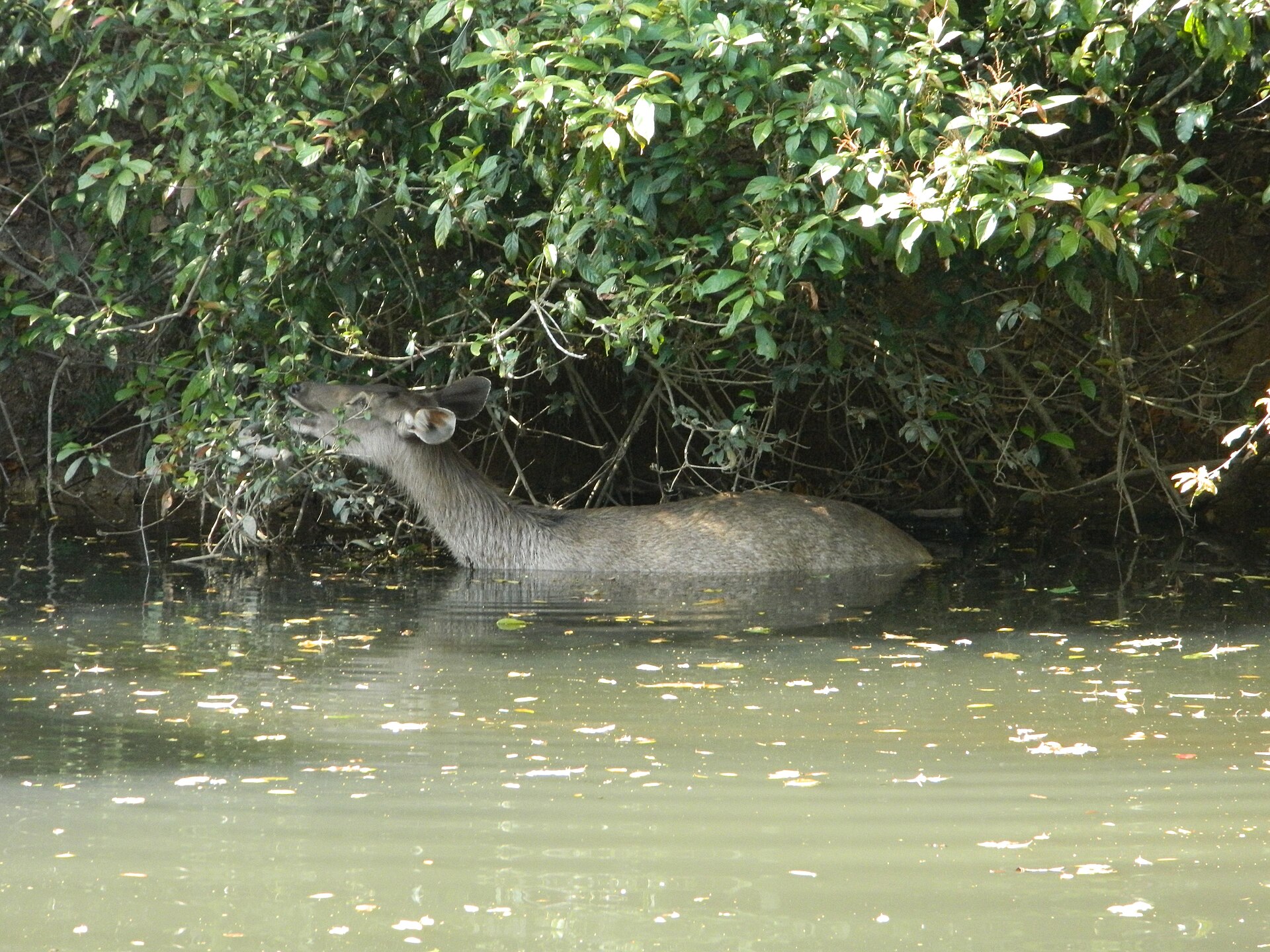
DNA in Droppings Reveals Individual Sambar – but DNA Traces Degrade Quickly in Nature
Droppings could allow researchers to monitor sambar populations without capturing the animals. An Australian experiment shows that the…
Read story →SPECIES IN THIS STORY
Species in this story
Independent research and conservation news archive
Did you find this information useful?
Wildlife Vagabond is independently built and maintained. Voluntary support helps cover source verification, hosting and continued work on research and conservation news.
Support Wildlife VagabondThe news archive will remain freely available.