
DNA in Droppings Reveals Individual Sambar – but DNA Traces Degrade Quickly in Nature
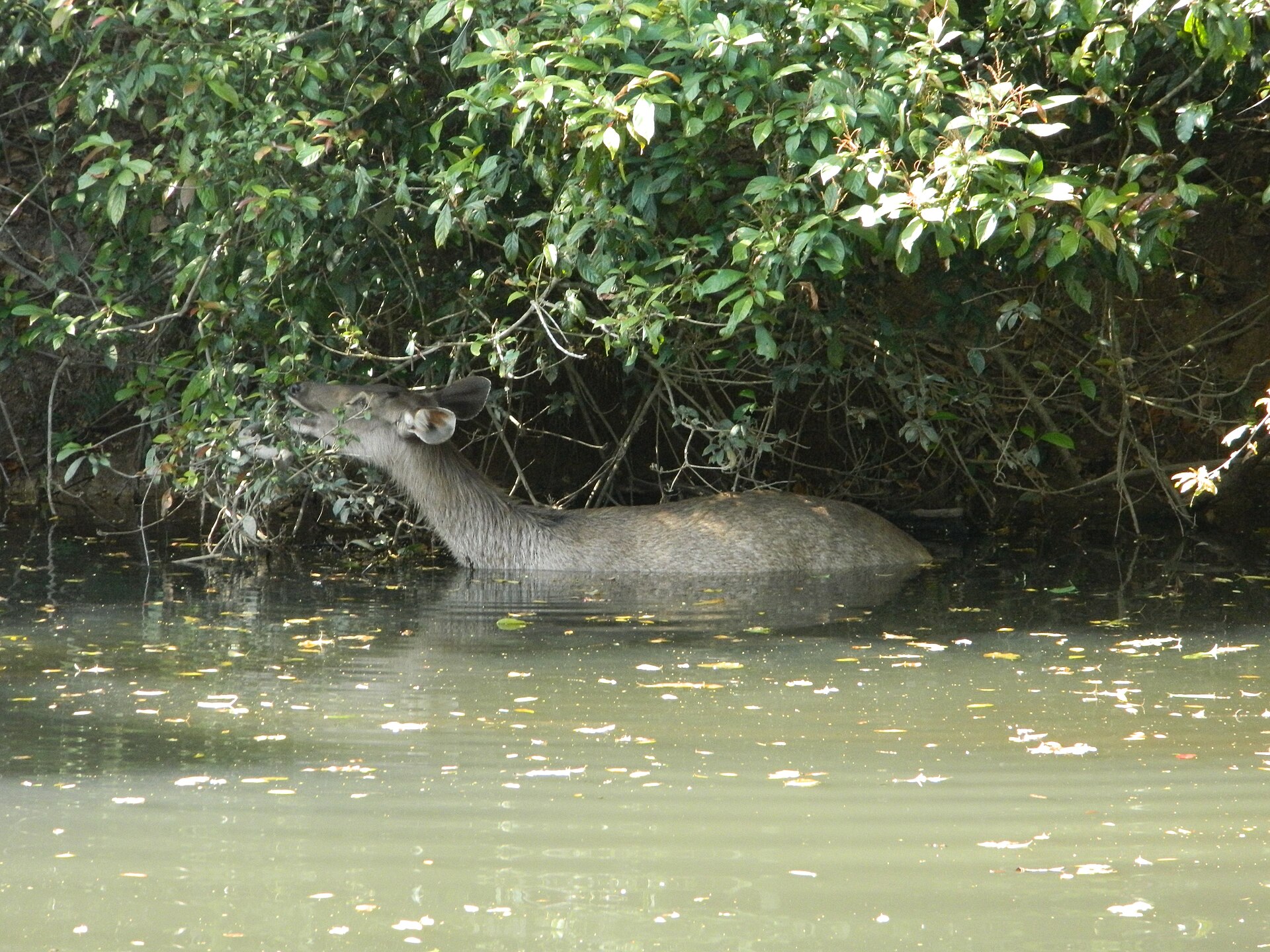
Sambar (Rusa unicolor) droppings contain DNA that can identify the individual deer. Australian researchers have developed a method that can also reveal sex, close relatives and differences between populations. How well it works, however, depends on what the droppings have been exposed to before collection.
In Australia, sambar are introduced deer whose populations managers are trying to control. DNA from droppings could make it easier to investigate how many animals are present, where they spread and whether control measures reduce their numbers. Repeated sampling would allow the same animals to be monitored without capturing them.
A genetic fingerprint
The researchers used single-nucleotide polymorphisms, or SNPs: positions in the DNA where a single building block can differ between individuals. A combination of these variants acts as a genetic fingerprint. The method examines 371 SNP markers and three markers for sex, using DNA from intestinal cells shed onto the droppings.
Droppings that had not yet been exposed outdoors yielded genetic information comparable to tissue samples from the same animals. The samples came from sambar killed during population control. After excluding samples with too little or poor-quality DNA, the researchers could match every remaining faecal sample to the correct individual.
A selection of 200 reliable SNP markers was also enough to recover three main groups in existing samples from deer in southeastern Australia. The markers could identify close relatives too, although they provided less detailed information about relatedness than a much larger set of markers.
Rain can make old droppings look fresh
The researchers placed droppings on exposed ground, beneath a roof shielding them from rain and ultraviolet light, and indoors. During the experiment, which had frequent rain, exposed samples were generally usable for around four days. Sheltered samples remained usable after two weeks.
The researchers therefore recommend collecting after several rain-free days and prioritising fresh droppings or samples protected by vegetation. Rain can make old droppings moist and apparently fresh even when much of their DNA has already deteriorated. Hard, dry droppings, on the other hand, may still contain well-preserved DNA if they have had little exposure to rain.
Genetics & genomics
Related news
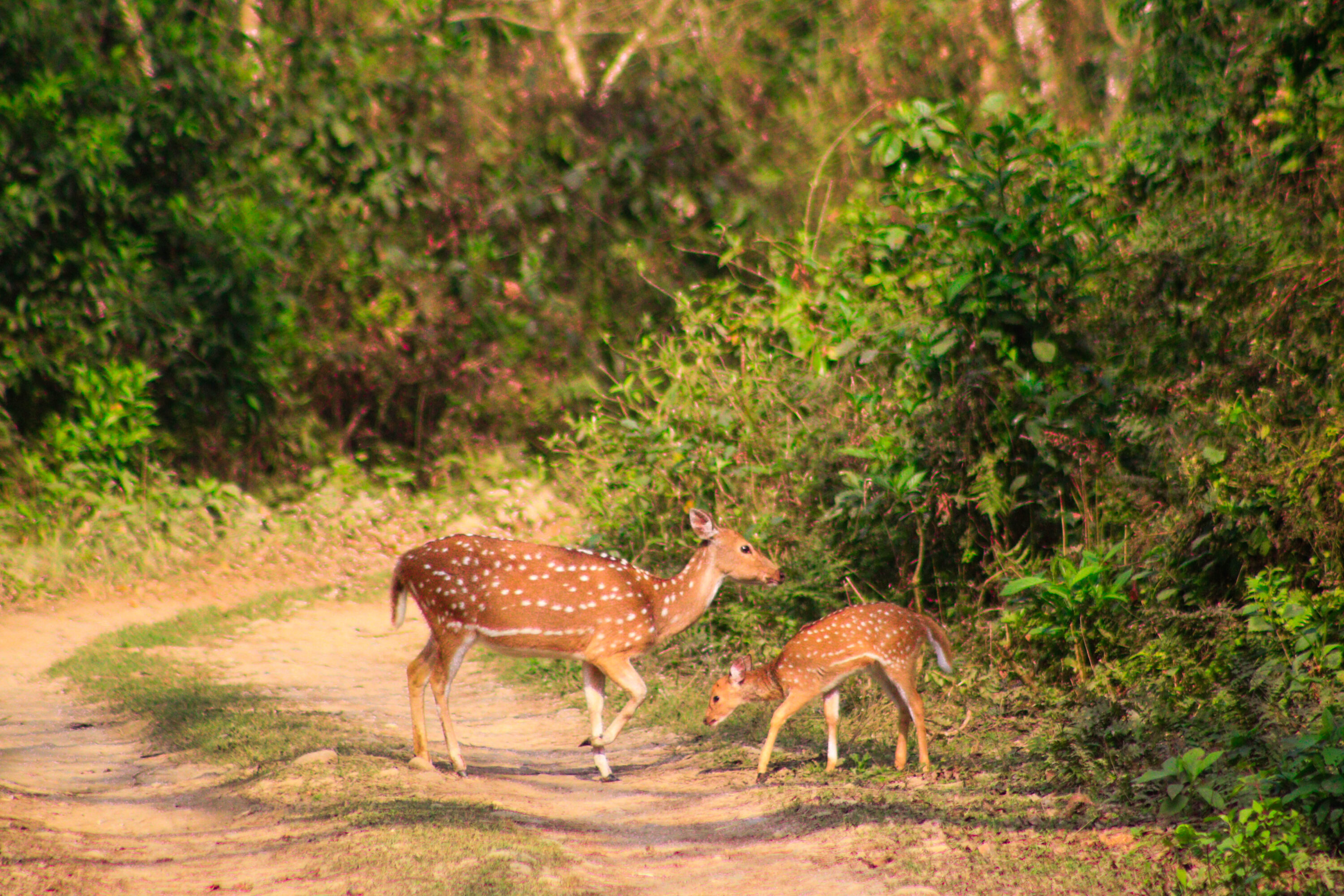
Human Activity and Large Wildlife Overlapped Most in Chitwan’s Buffer Zone
Camera traps across Chitwan National Park and surrounding forests showed the greatest overlap of human activity with large…
Read story →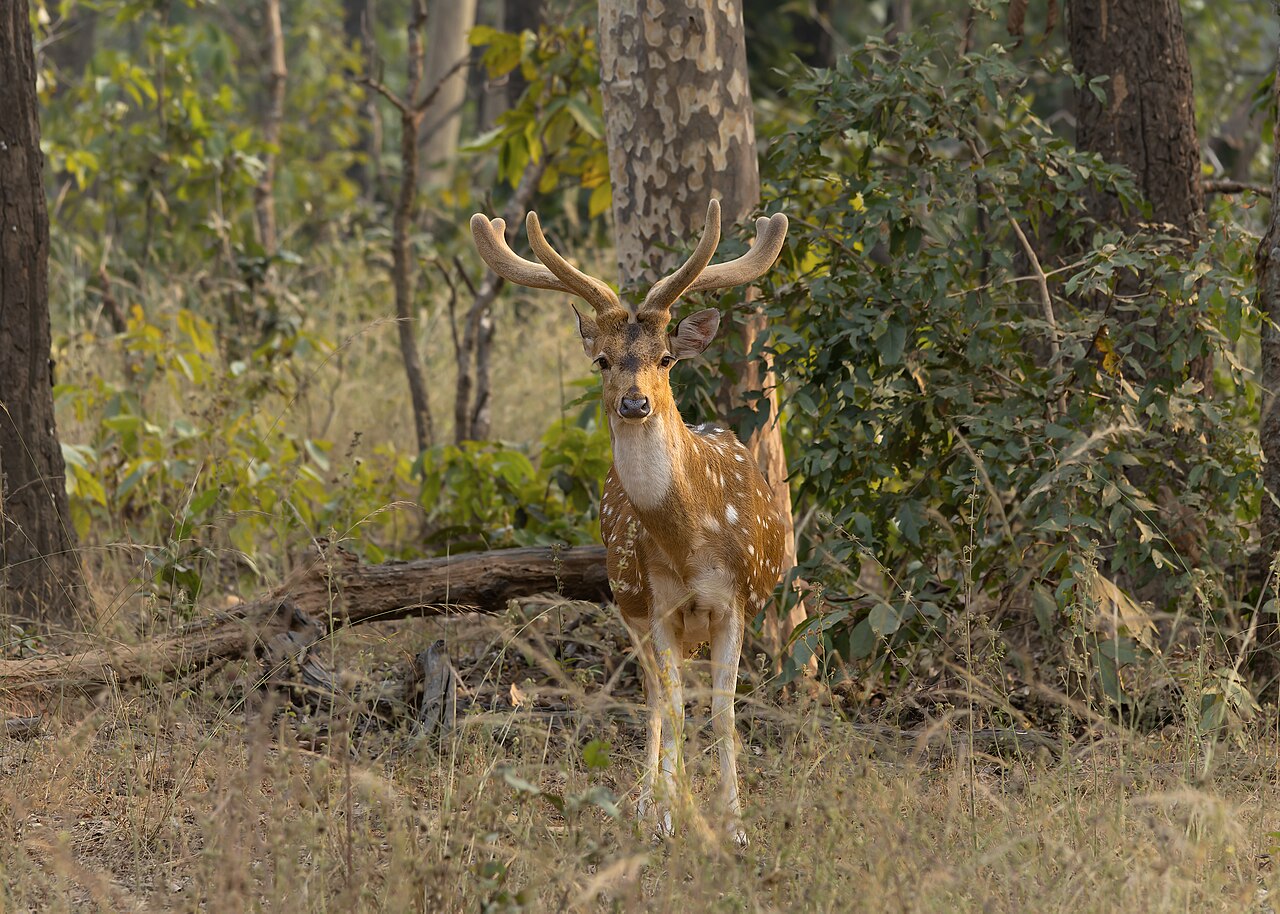
How Deer and Gaur Share Kanha’s Food Supply
In India’s Kanha National Park, Sambar and Gaur ate much the same food in winter but found it…
Read story →
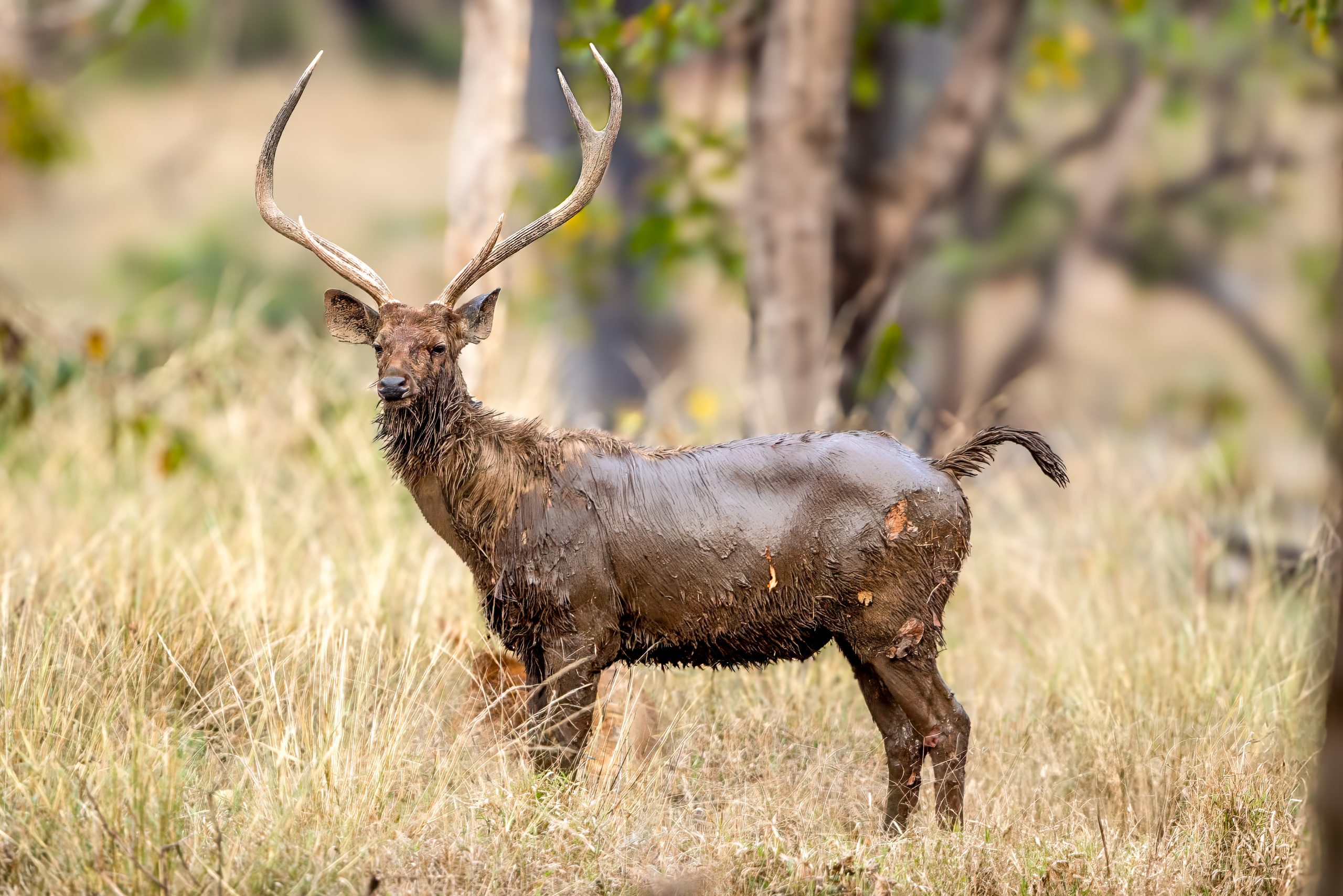
Sambar Were Recorded Mainly in U Minh Ha’s Strict Protection Zone
Camera traps, daytime field surveys and night surveys confirmed sambar across U Minh Ha National Park, with records…
Read story →SPECIES IN THIS STORY
Species in this story
Independent research and conservation news archive
Did you find this information useful?
Wildlife Vagabond is independently built and maintained. Voluntary support helps cover source verification, hosting and continued work on research and conservation news.
Support Wildlife VagabondThe news archive will remain freely available.