
Two New Feather Mite Species Described From Pale Flycatcher and White-Browed Scrub-Robin
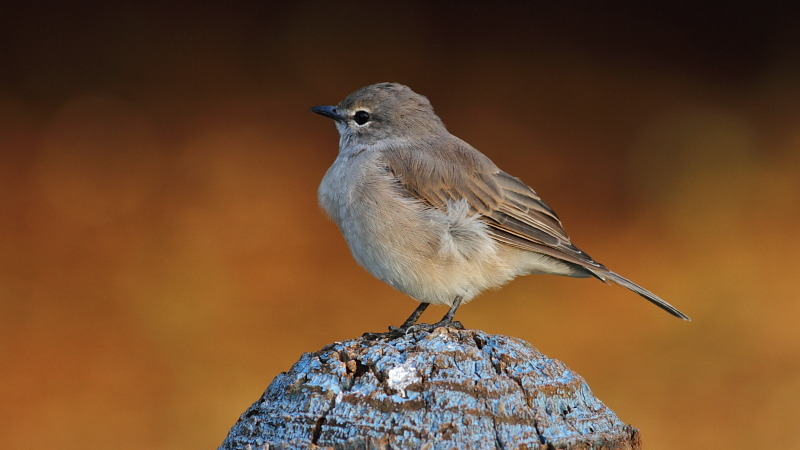
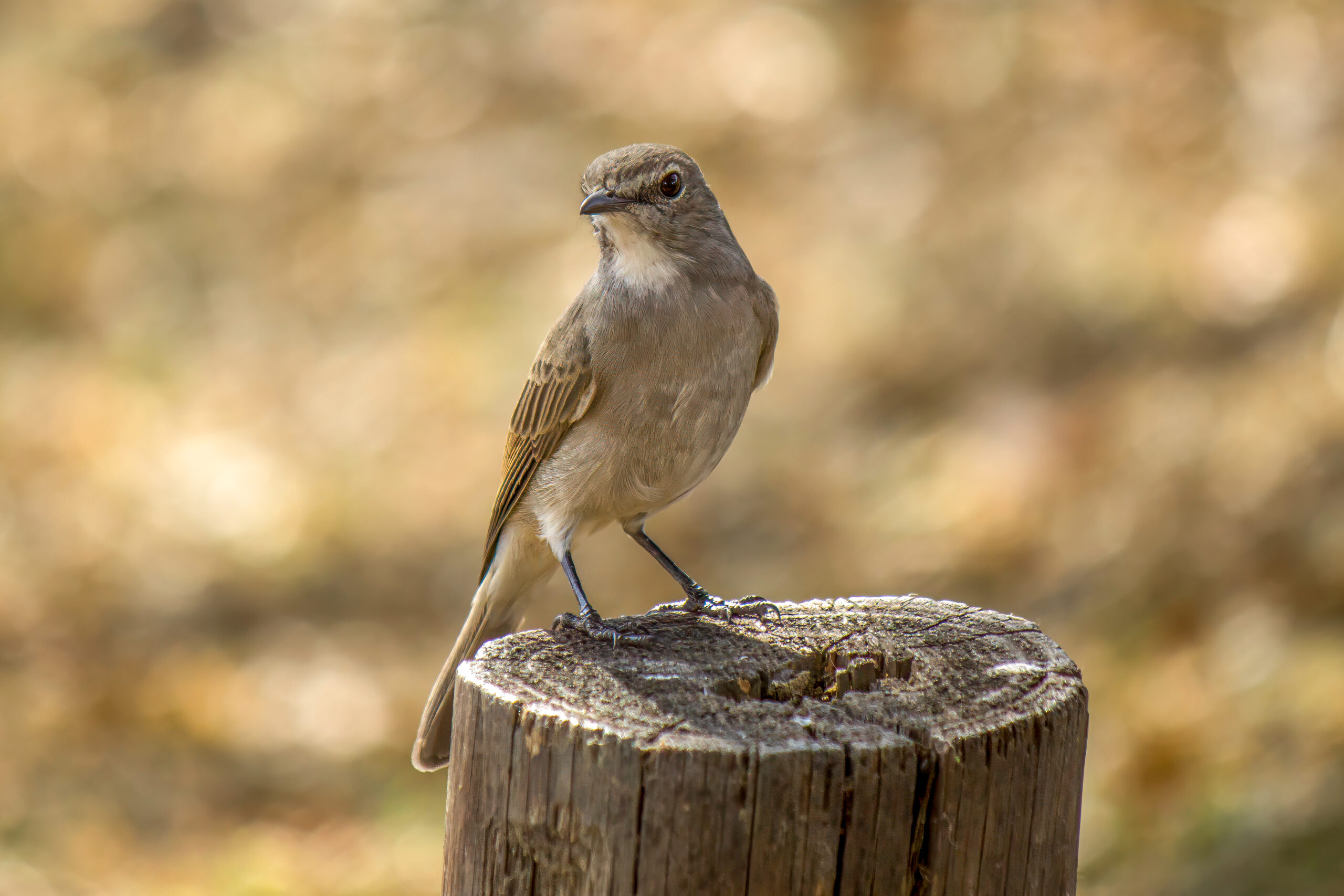
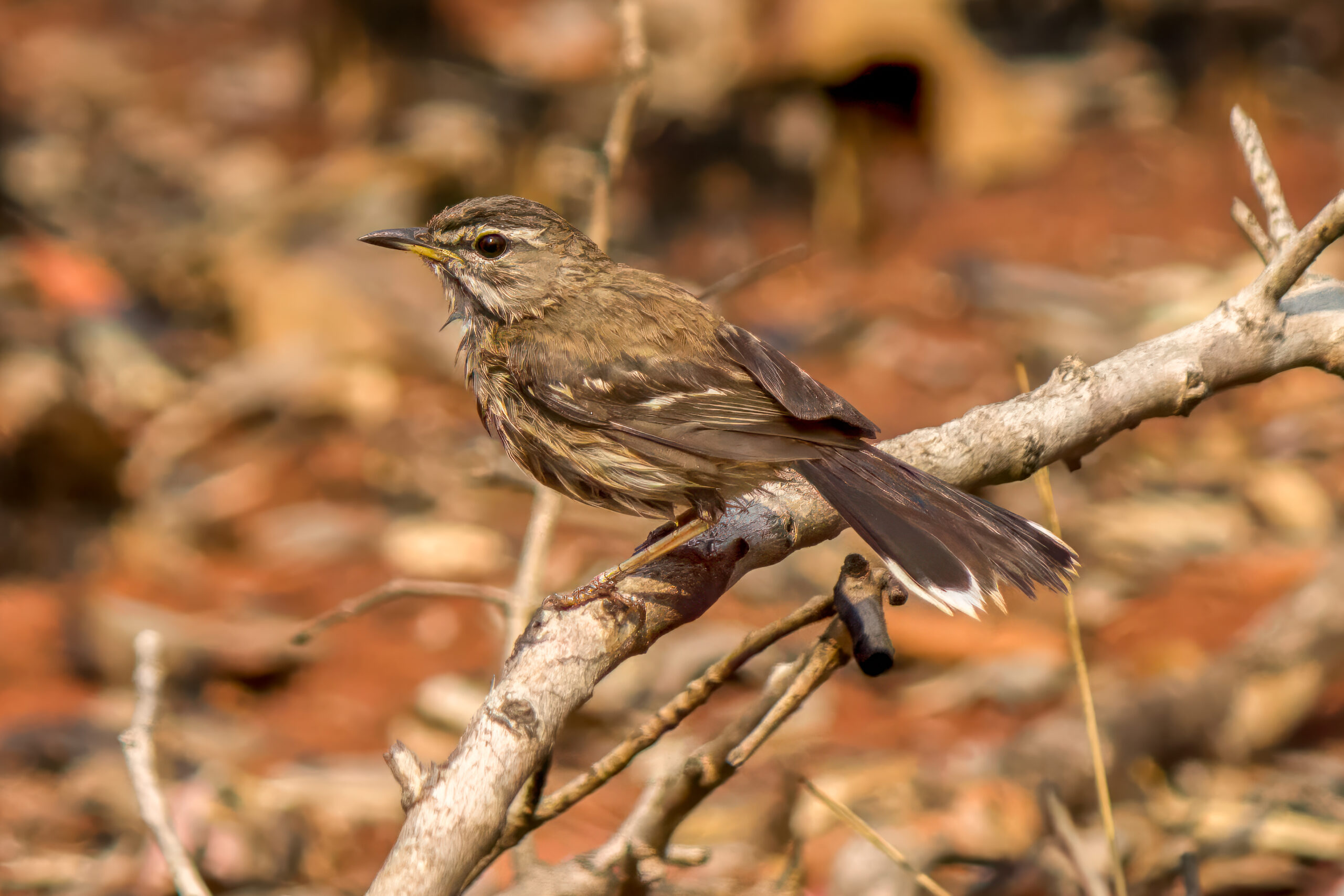
A taxonomic study from South Africa has described two previously unknown feather mite species associated with two Old World flycatchers: the pale flycatcher (Agricola pallidus) and white-browed scrub-robin (Cercotrichas leucophrys). The study was published on 17 March 2026 in Acarologia.
Two Dolichodectes species were described from two flycatcher hosts
Both new mites belong to the genus Dolichodectes. Dolichodectes megalobus was described from a pale flycatcher, while Dolichodectes robertsi was described from a white-browed scrub-robin.
The type material for both species came from Pongola Game Reserve in KwaZulu-Natal. D. robertsi was collected from a white-browed scrub-robin on 20 November 2024; its type series comprised the male holotype, nine male paratypes and ten female paratypes. D. megalobus was collected from a pale flycatcher at the same locality on 2 December 2024; its type series comprised the male holotype together with 20 male and 24 female paratypes.
Microscopic morphology separated the new species from known relatives
The researchers used detailed microscopic morphology to distinguish the new mites from previously described members of the genus. D. robertsi is closest to D. glyphonotus. In males, it is distinguished by numerous short dash-like depressions on the hardened dorsal shield of the rear body and by the aedeagus — the male copulatory organ — stopping before the terminal cleft. Females have pointed posterior corners on the front dorsal shield and a distinct oval enlargement near the spermatheca, the sperm-storage structure.
D. megalobus is closest to D. diplocercus. Its males have strongly elongated posterior body lobes, numerous circular depressions on the rear dorsal shield, an aedeagus 110–115 µm long and unusually long setae h3 of 95–105 µm. Females lack ornamentation on the front dorsal shield, have a posterior shield that is distinctly wider than long, and have setae h2 shorter than the distance between their bases. These combinations of characters, rather than any single measurement alone, separate the new species from their closest known relatives.
The paper also compared both new species with their closest known morphological relatives and formally registered the names through ZooBank. The holotypes and parts of the paratype series were deposited in museum collections so that the material remains available for future taxonomic work.
The discovery adds two new host associations and two formally described species to the known diversity of Dolichodectes feather mites in African flycatchers.
Evolution & taxonomy
Related news
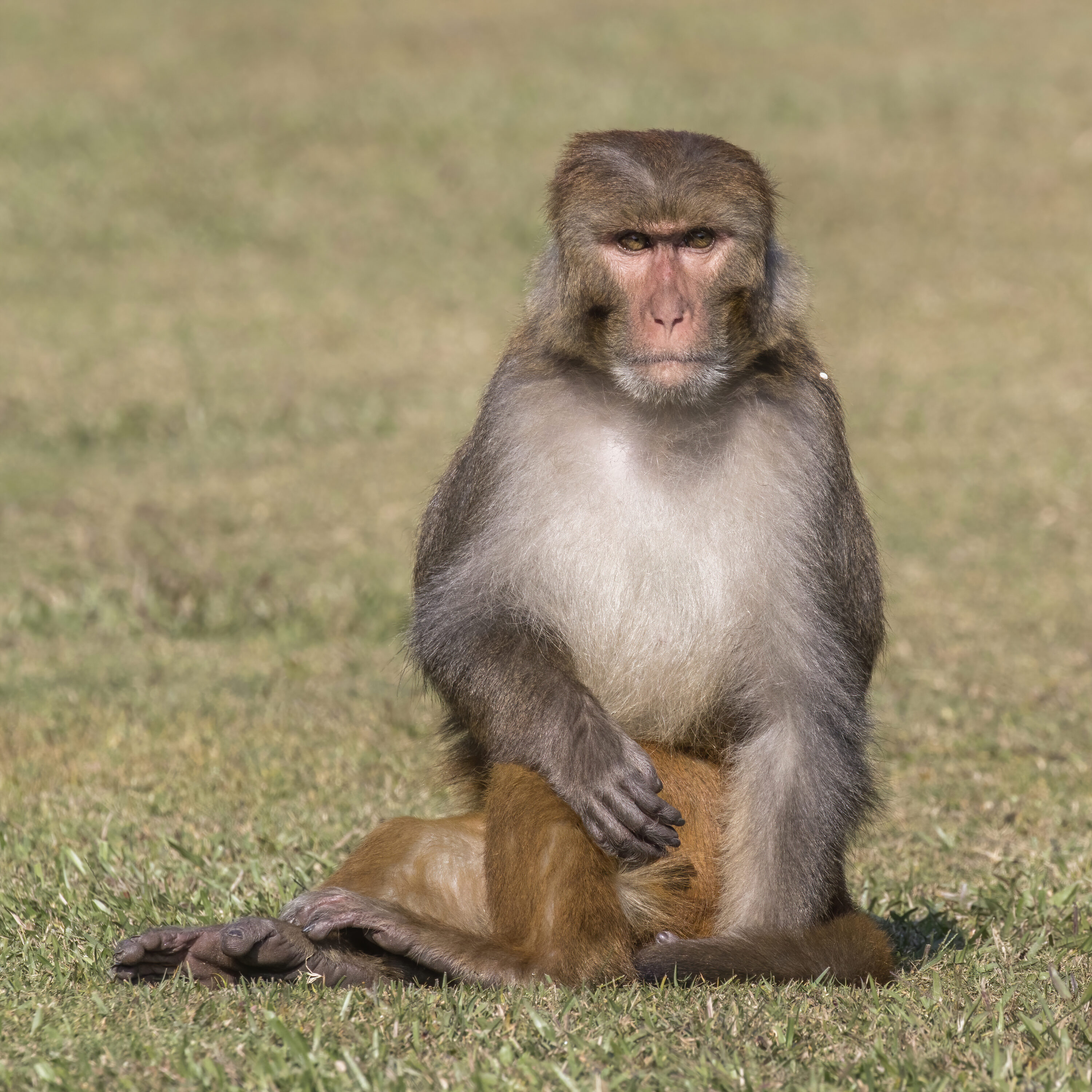
mFISH Mapped 16 of 22 Rhesus Macaque Chromosome Types to a Single Human Chromosome
Human chromosome-painting probes showed one-to-one homology for 16 of 22 rhesus macaque chromosome types, while three macaque chromosomes…
Read story →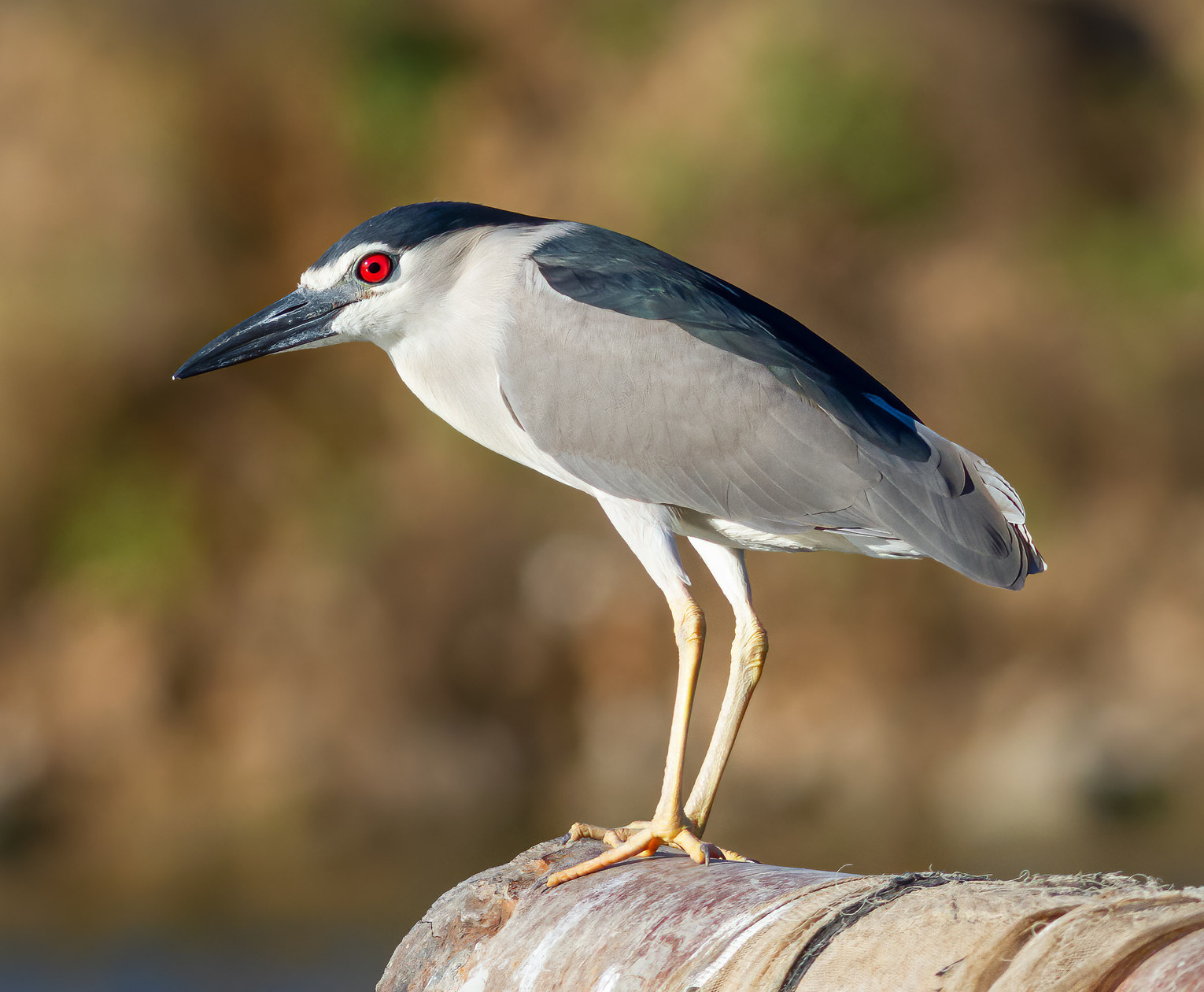
New nematode species described from black-crowned night herons in Israel
Fourteen adult nematodes collected from the stomach lining of three black-crowned night herons in Israel led to the…
Read story →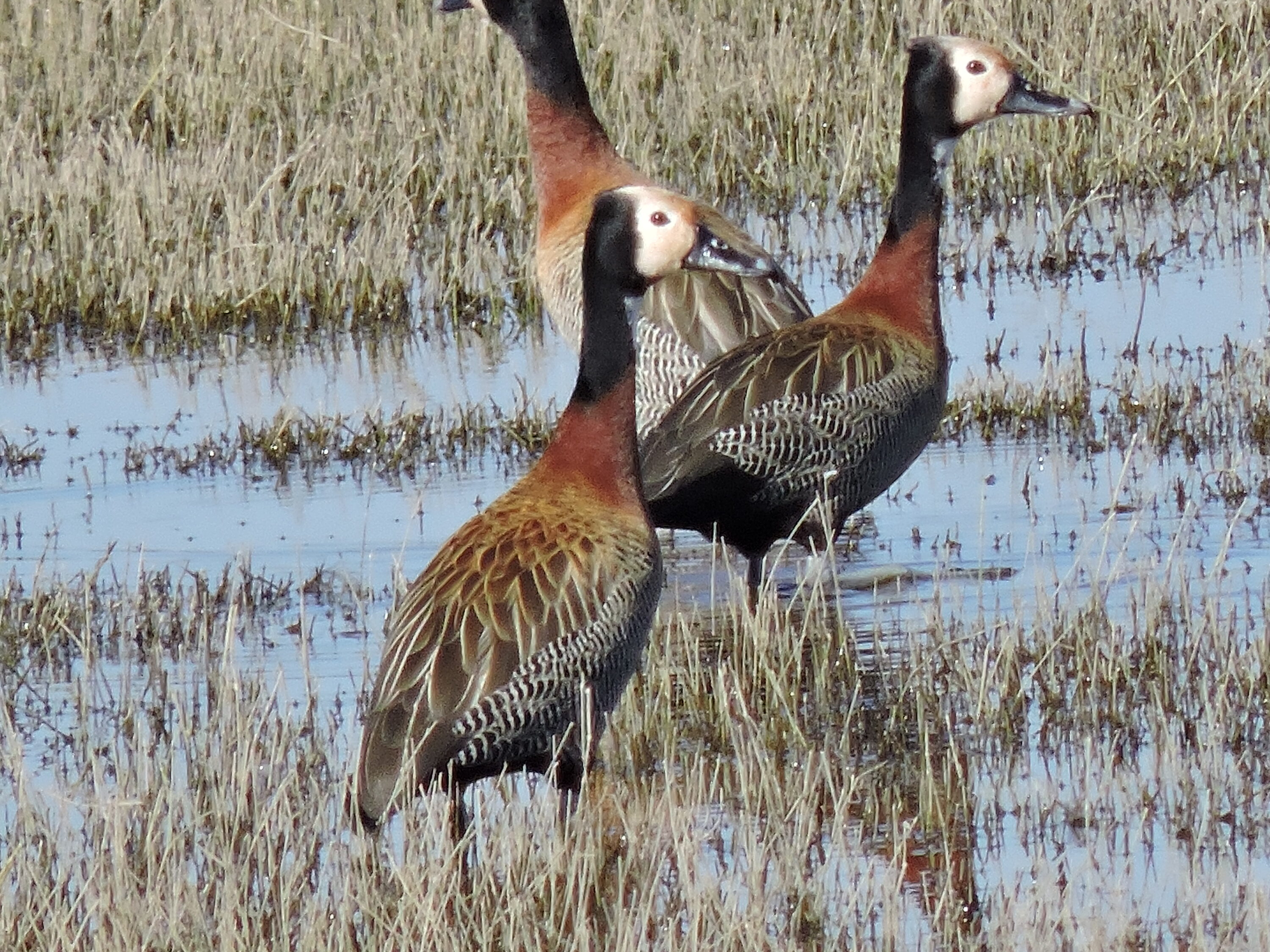
Seven Wild White-faced × Fulvous Whistling-Duck Hybrids Documented in Brazil and Argentina
A 2026 short communication assembled seven wild apparent White-faced × Fulvous Whistling-Duck hybrid records from Brazil and Argentina.…
Read story →SPECIES IN THIS STORY
Species in this story
Independent research and conservation news archive
Did you find this information useful?
Wildlife Vagabond is independently built and maintained. Voluntary support helps cover source verification, hosting and continued work on research and conservation news.
Support Wildlife VagabondThe news archive will remain freely available.