
Modelled Adult Male Plains Zebra Mass Rose 16.9% During the Sampled Wet-season Period
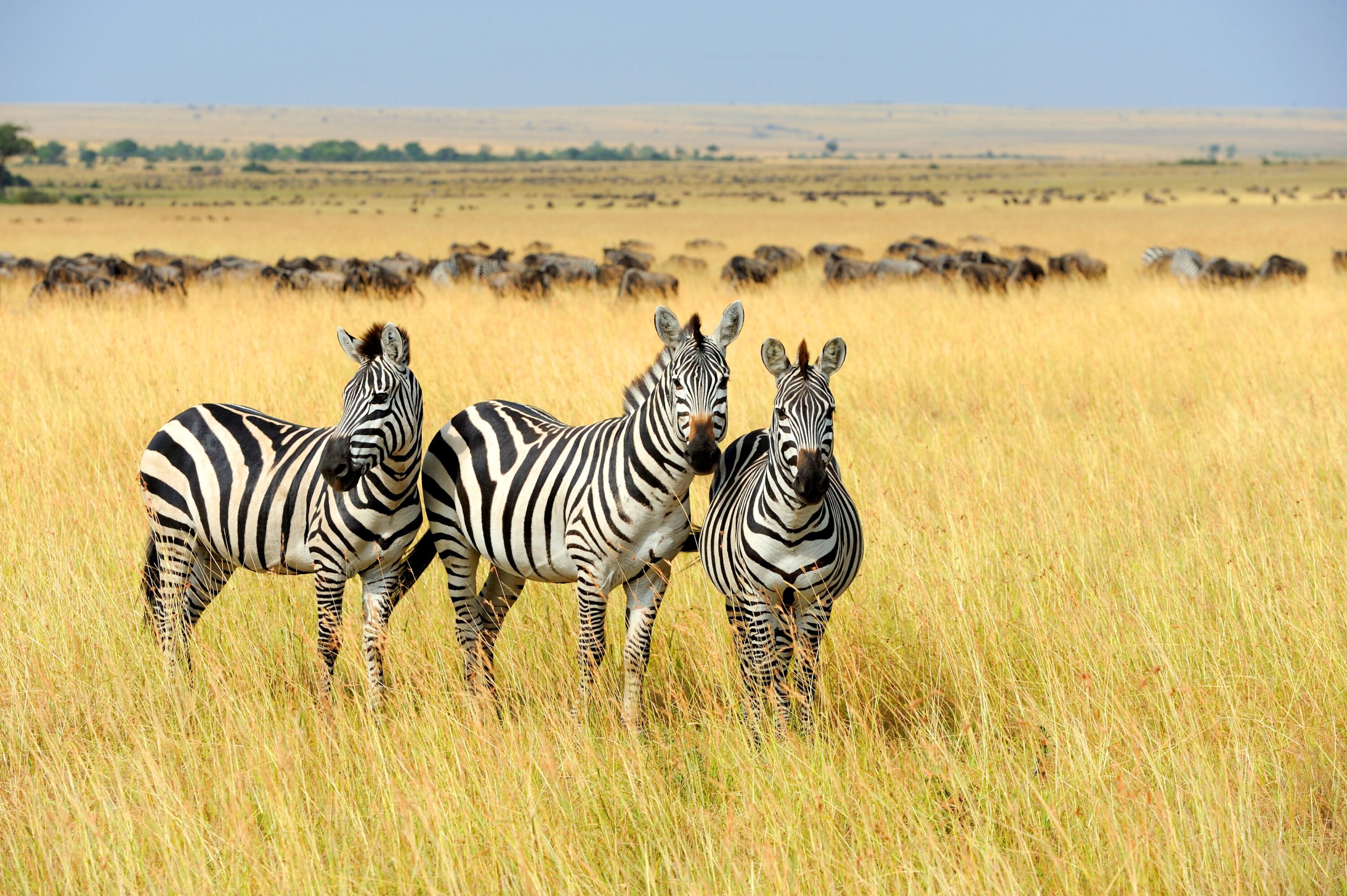
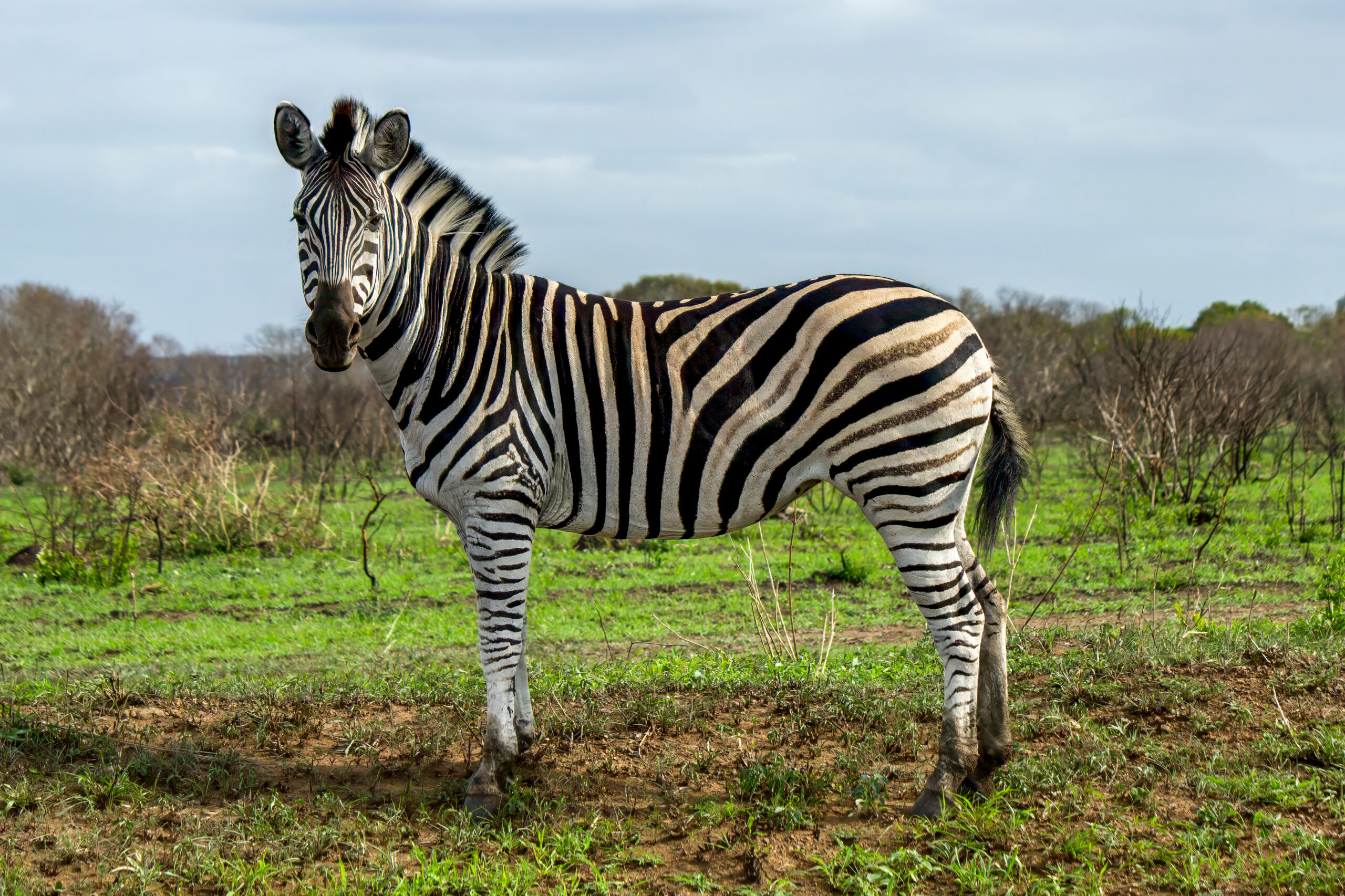
A 2026 analysis of historical Serengeti data produced detailed growth curves for Grant’s zebra (Equus quagga boehmi) and found a strong seasonal pattern in modelled body mass of adult males. The dataset came from 442 plains zebras collected in Tanzania between 1969 and 1971 and included age- and sex-specific measurements such as heart girth, shoulder height, body length, hind-foot length and body mass.
Not every animal had been weighed. For 34 females and 115 males with heart-girth measurements but no recorded mass, the researchers estimated body mass from the relationship between girth and mass in animals for which both were available. The seasonal pattern therefore combines measured and model-estimated body masses from different animals sampled at different dates; it is not a repeated weighing of the same zebras through the year.
Adult males were only slightly larger overall
Across adult body measurements, males averaged about 2.8% larger than females, indicating relatively little sexual size dimorphism. Different body traits reached their adult size at different ages, generally between about two and five years depending on the trait and sex.
Modelled male mass rose 16.9% during the sampled wet-season period
The clearest sex difference involved seasonal body mass. The model estimated that adult male mass increased by about 45 kg from 21 March to 30 April, a 16.9% rise, before falling by roughly 25 kg — about 8% — by early June. Female mass varied much less over the same sampled period.
This does not represent a complete annual cycle. The dataset contained no recorded or estimated body masses between June and March, so the study cannot describe how mass changed throughout the dry season and the rest of the year. Within the available wet-season window, however, the male pattern was much stronger than the female one.
The authors interpret the male fluctuation as greater seasonal plasticity and energetic investment during a period of high forage availability. In Serengeti, rains increase plant productivity and food quality, and male ungulates can benefit from building reserves before energetically demanding reproductive competition. The study did not directly measure fat stores or mating success, so this remains a biological interpretation of the mass pattern rather than a measured reproductive effect.
The growth curves and heart-girth relationships provide useful reference values for comparing body size and seasonal mass variation among zebra populations and subspecies. They can also help researchers estimate mass when direct weighing of free-ranging animals is impractical.
Anatomy & morphology
Related news
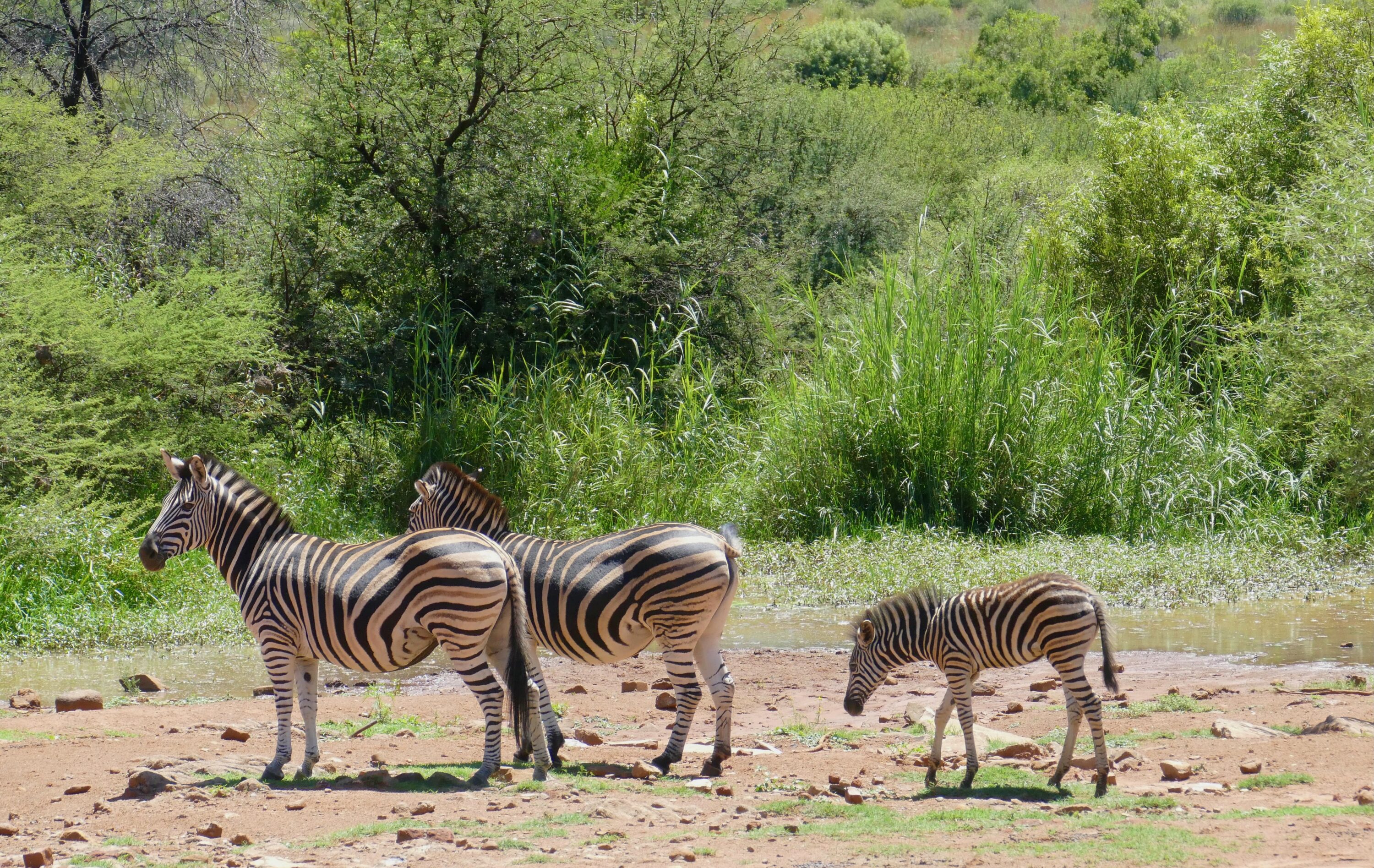
Zebra Group Departures Were Linked to Visual and Tactile Behaviours
Observations of 43 wild zebra group departures in South Africa found that head movements, contact, standing and changes…
Read story →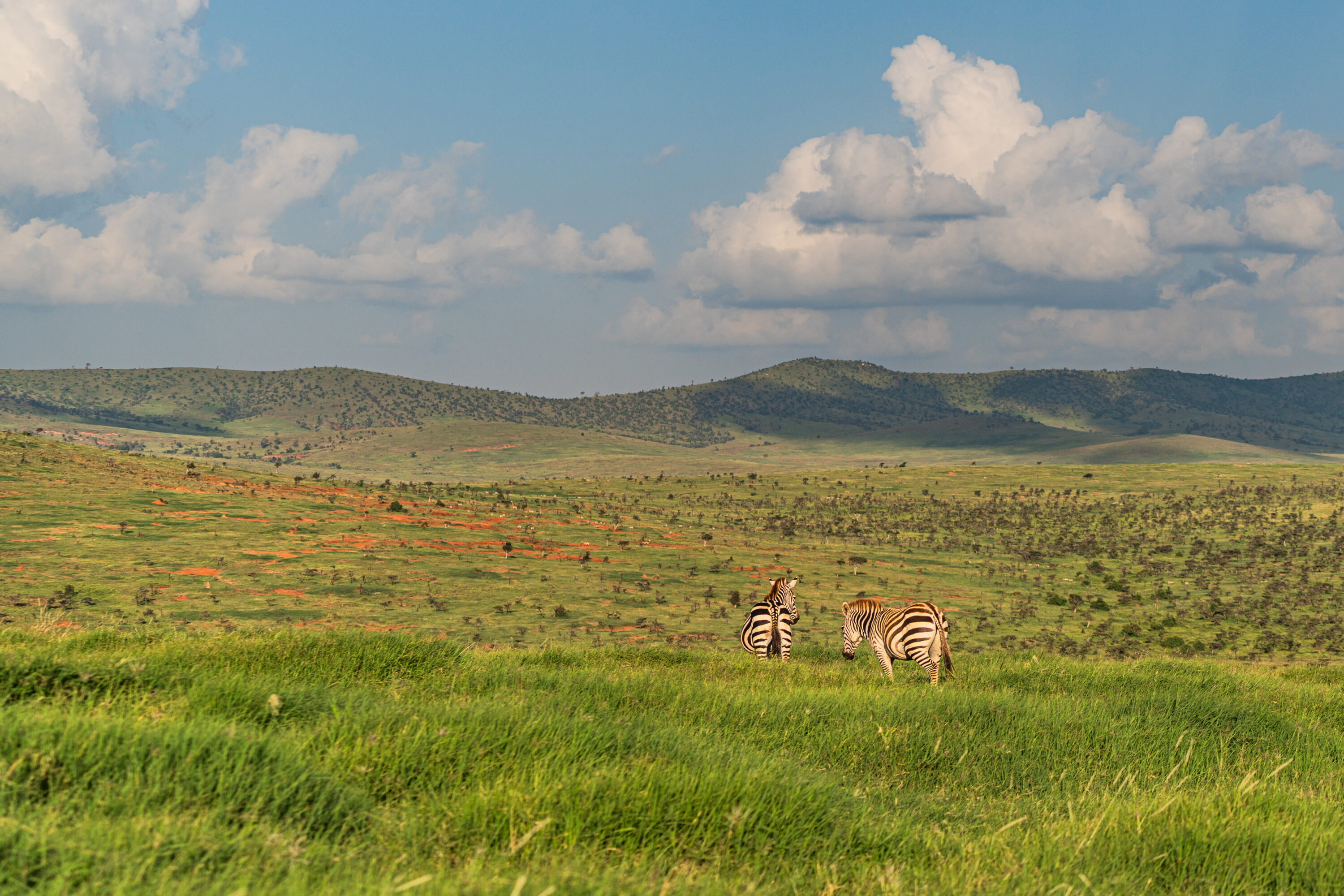
First Reported Giardia Detections in Four Wild Herbivore Species in Kenya
Molecular screening of wildlife and livestock in Laikipia produced the first reported Giardia detections in African buffalo, plains…
Read story →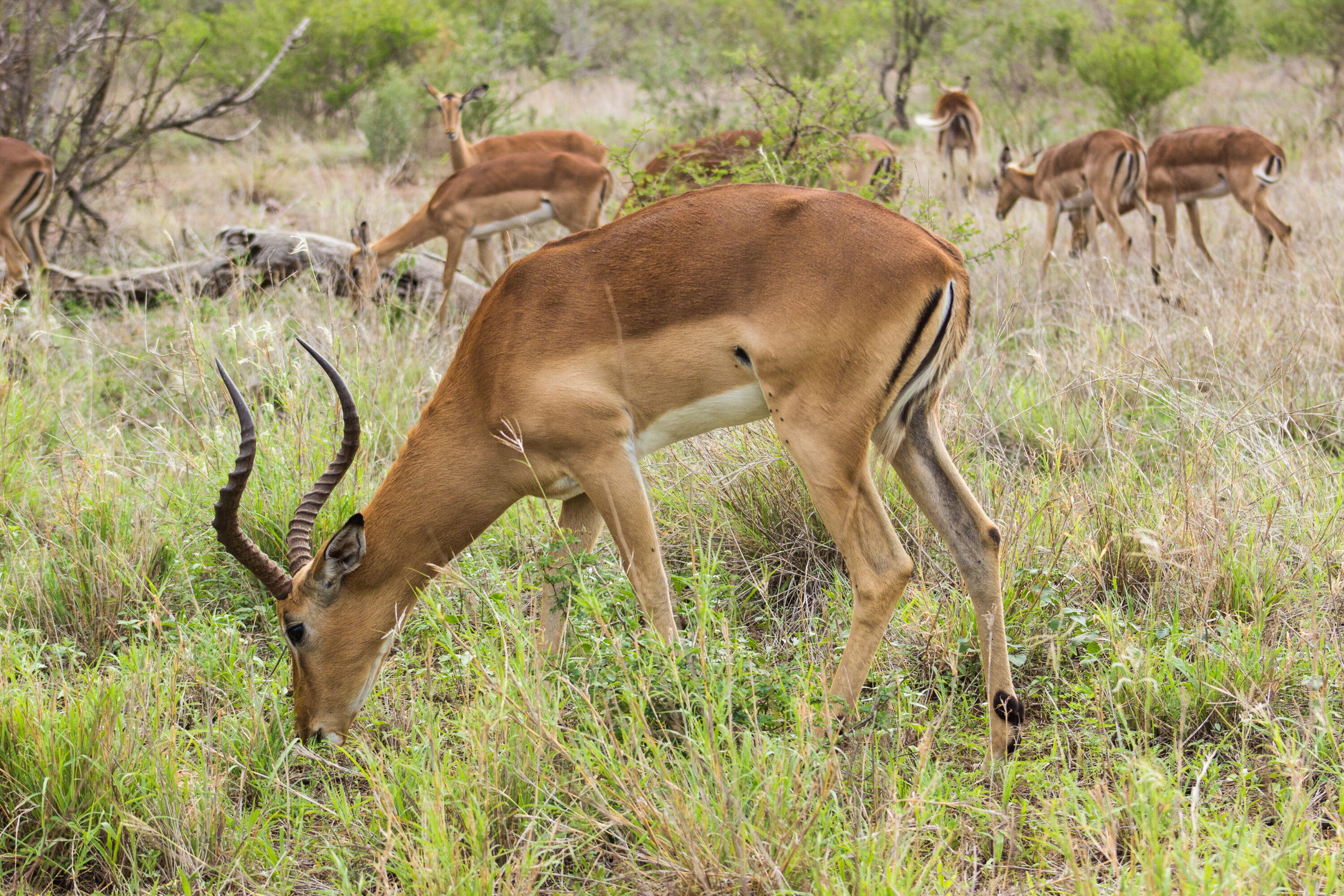
Impala fGCM Levels Were 57% Higher on Dry-Season Weekends in Four-Species Tourism Study
At Somabula, impala fGCM levels were about 57% higher over dry-season weekends than weekdays, while the other three…
Read story →SPECIES IN THIS STORY
Species in this story
Independent research and conservation news archive
Did you find this information useful?
Wildlife Vagabond is independently built and maintained. Voluntary support helps cover source verification, hosting and continued work on research and conservation news.
Support Wildlife VagabondThe news archive will remain freely available.