
Plains Zebra Was the Most Frequent Species in Seven Years of Confiscated Wild Meat in Kenya
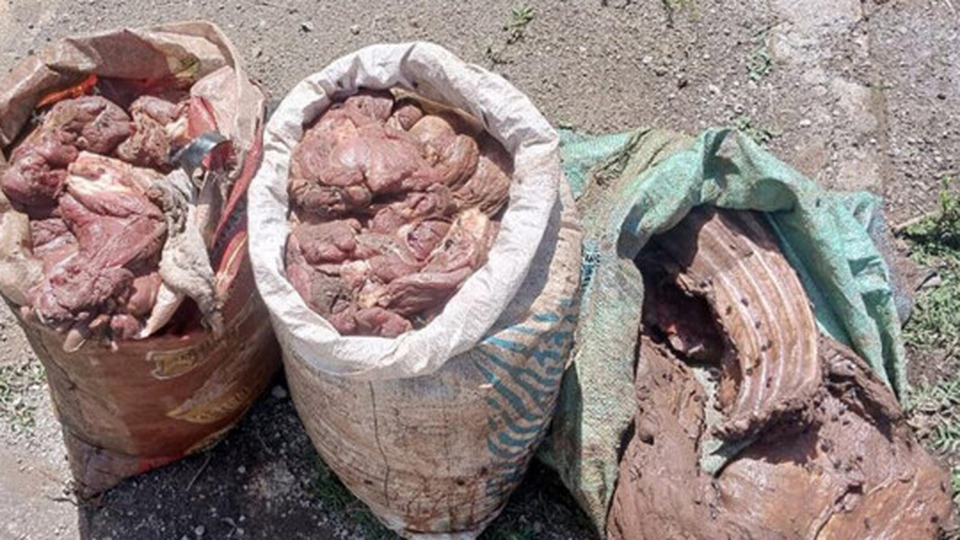
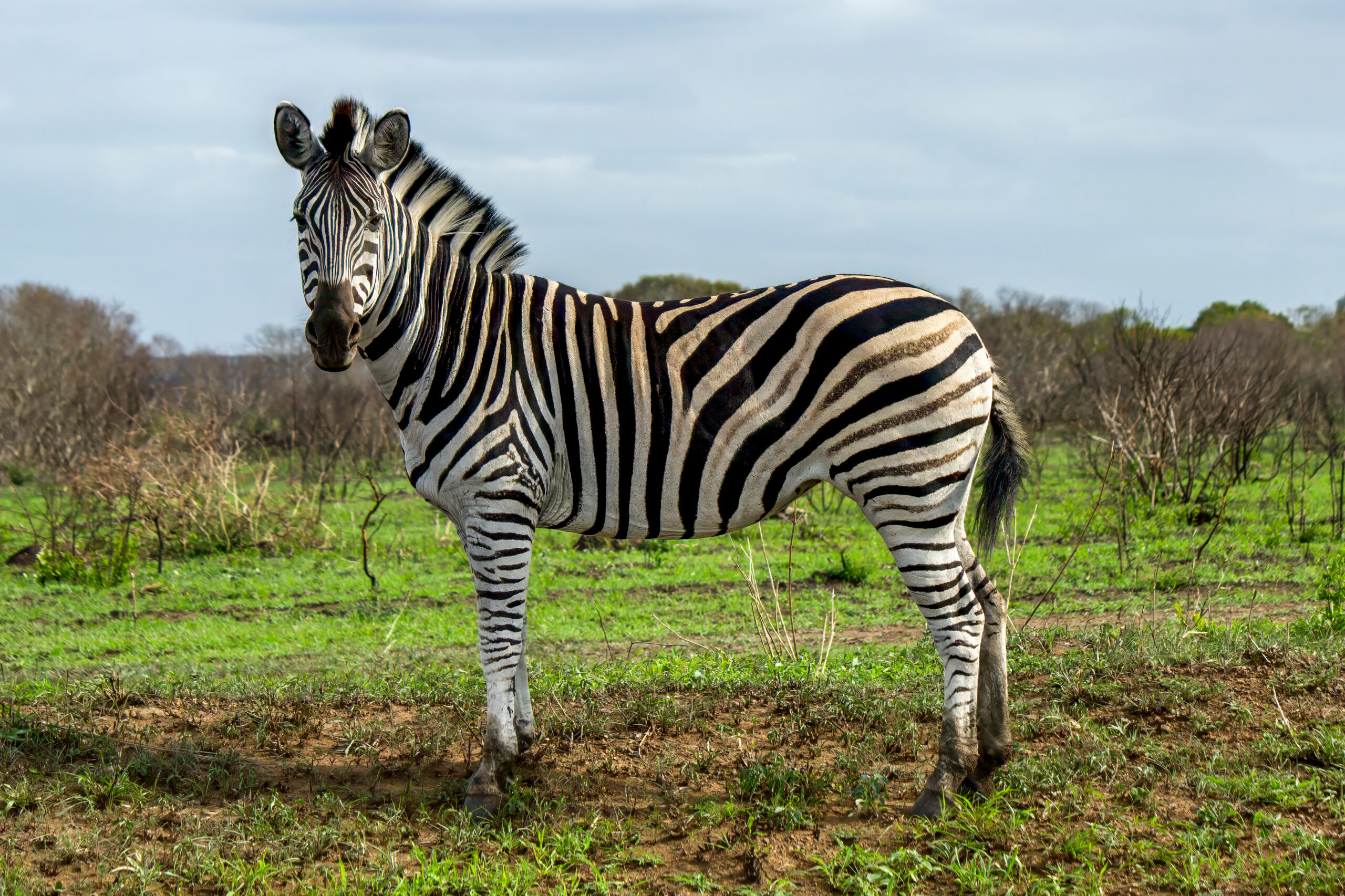
DNA identification of meat samples found plains zebra (Equus quagga) to be the most frequently represented species in seven years of confiscated wild-meat evidence in Kenya. Among 567 confiscated samples from 2015–2021, 87 were plains zebra, followed by 74 Masai giraffe and 72 Kirk’s dik-dik samples.
The study combined two different windows into the illegal trade: direct purchases from meat markets and wildlife meat already confiscated by enforcement officers. These datasets do not measure exactly the same thing, but together they show which species were detected and where enforcement and market sampling repeatedly encountered illegal wild meat.
Market surveys found wildlife in 13 of 241 meat samples
For the 2020–2021 market survey, researchers used transect-based sampling in counties selected from areas with previous confiscation records. In practice, teams moved through retail and informal-market areas and randomly selected butcheries or vendors along the sampling routes. From each outlet they bought meat being sold as beef or goat and later tested it genetically.
DNA barcoding was used for species identification. This method sequences a short, standardised region of DNA from the meat and compares it with reference sequences from known species. It is especially useful where meat has been cut up and can no longer be identified reliably from visible anatomy.
Of 241 purchased samples, 13 were wildlife rather than livestock: three plains zebra, one African buffalo, one impala, three giraffes and five Kirk’s dik-diks. No wild meat was detected in the sampled outlets from the Mountain Conservation Area.
Confiscations revealed a much larger and more diverse dataset
During the same 2020–2021 period, enforcement officers had confiscated 112 wild-meat samples in the conservation areas used for comparison. Over the broader 2015–2021 period, the confiscation database contained 567 samples representing 46 wildlife species.
Plains zebra were the most frequent species in this seven-year confiscation dataset, with 87 samples or 15.3%. Masai giraffe followed with 74 samples and Kirk’s dik-dik with 72.
The Southern Conservation Area accounted for 233 confiscated samples, or 41.1% of the seven-year total, followed by Central Rift with 119 and Tsavo with 87. At finer scale, Kajiado produced the largest number of confiscated samples, while Naivasha was the main concentration in Central Rift.
A confiscation hotspot is not necessarily a poaching hotspot
The researchers caution that the place where meat is seized is not necessarily where the animal was killed. Meat can be transported between regions, and confiscation numbers are also affected by surveillance, intelligence and enforcement effort.
For the same reason, 87 zebra samples do not mean that exactly 87 zebras were killed: several samples could potentially come from the same animal, and the study did not estimate the number of individual animals represented by all confiscations.
The market and confiscation data therefore describe detected illegal trade rather than the complete hidden trade. Market sampling found fewer cases than enforcement records, while confiscation data may be concentrated where enforcement is strongest. The authors argue that combining both sources gives a more useful map of where further surveillance, intelligence gathering and enforcement should be concentrated.
Trade & poaching
Related news
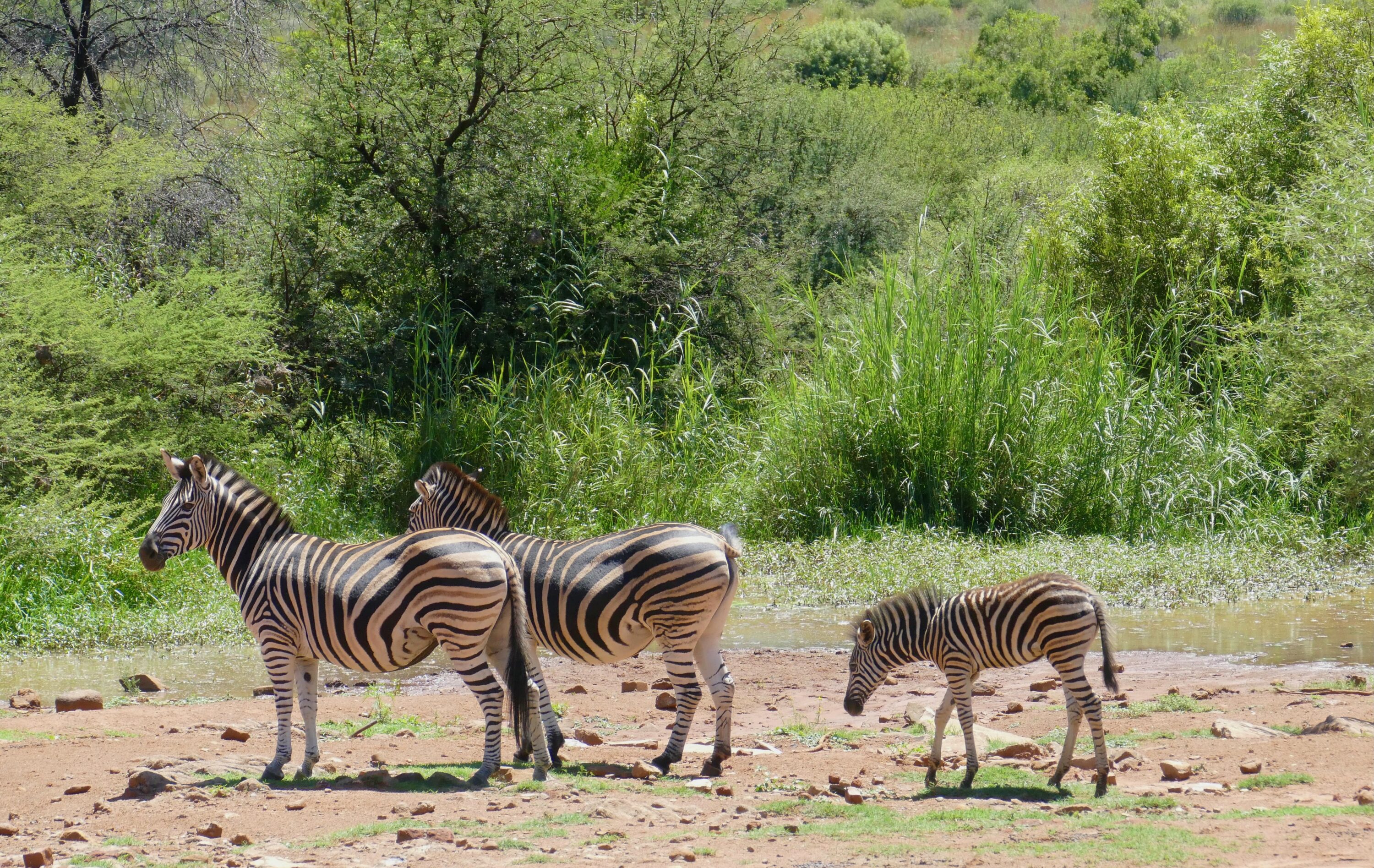
Zebra Group Departures Were Linked to Visual and Tactile Behaviours
Observations of 43 wild zebra group departures in South Africa found that head movements, contact, standing and changes…
Read story →
First Reported Giardia Detections in Four Wild Herbivore Species in Kenya
Molecular screening of wildlife and livestock in Laikipia produced the first reported Giardia detections in African buffalo, plains…
Read story →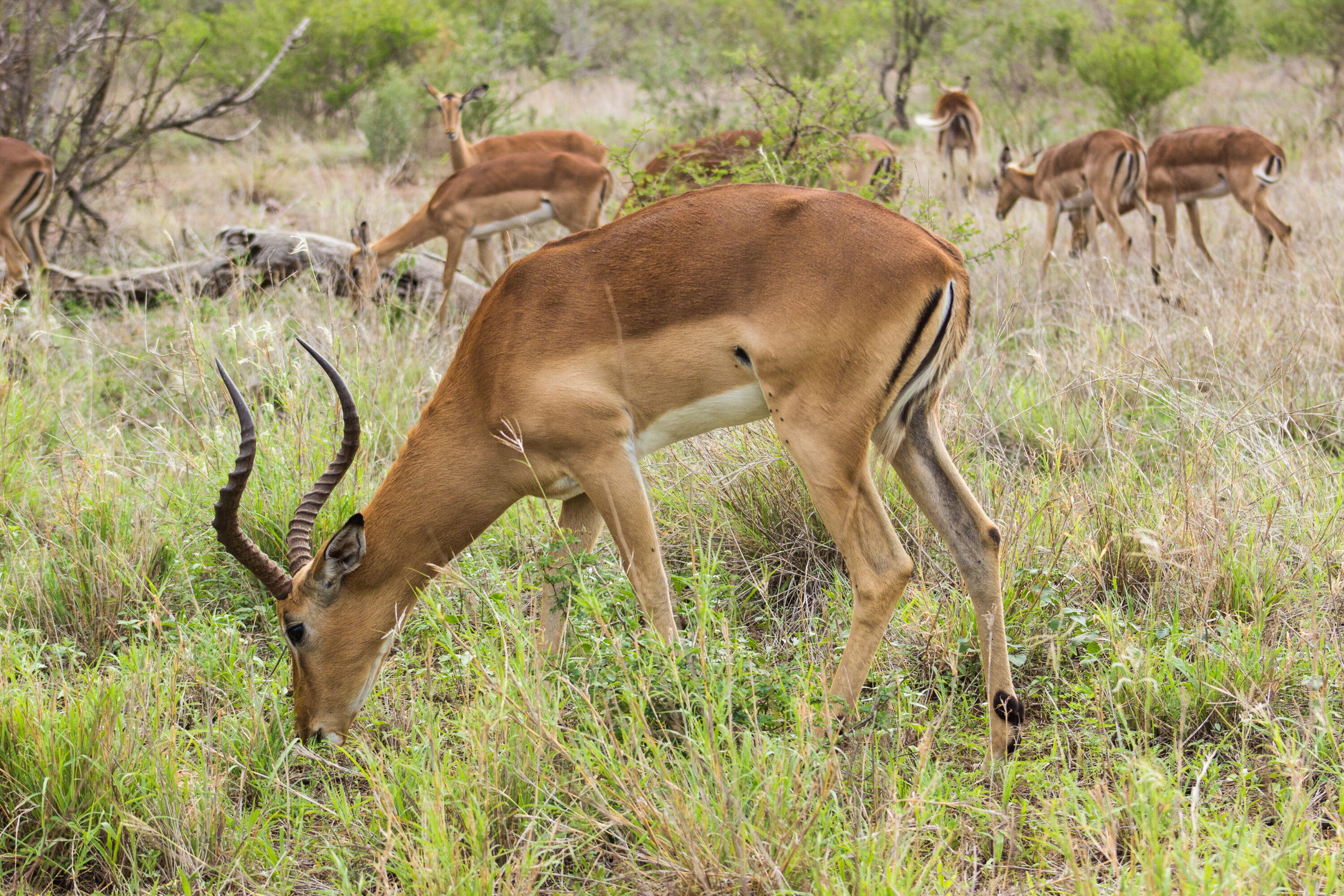
Impala fGCM Levels Were 57% Higher on Dry-Season Weekends in Four-Species Tourism Study
At Somabula, impala fGCM levels were about 57% higher over dry-season weekends than weekdays, while the other three…
Read story →SPECIES IN THIS STORY
Species in this story
Independent research and conservation news archive
Did you find this information useful?
Wildlife Vagabond is independently built and maintained. Voluntary support helps cover source verification, hosting and continued work on research and conservation news.
Support Wildlife VagabondThe news archive will remain freely available.