
Predators, weather and young forest were linked to Finland’s moose calf decline
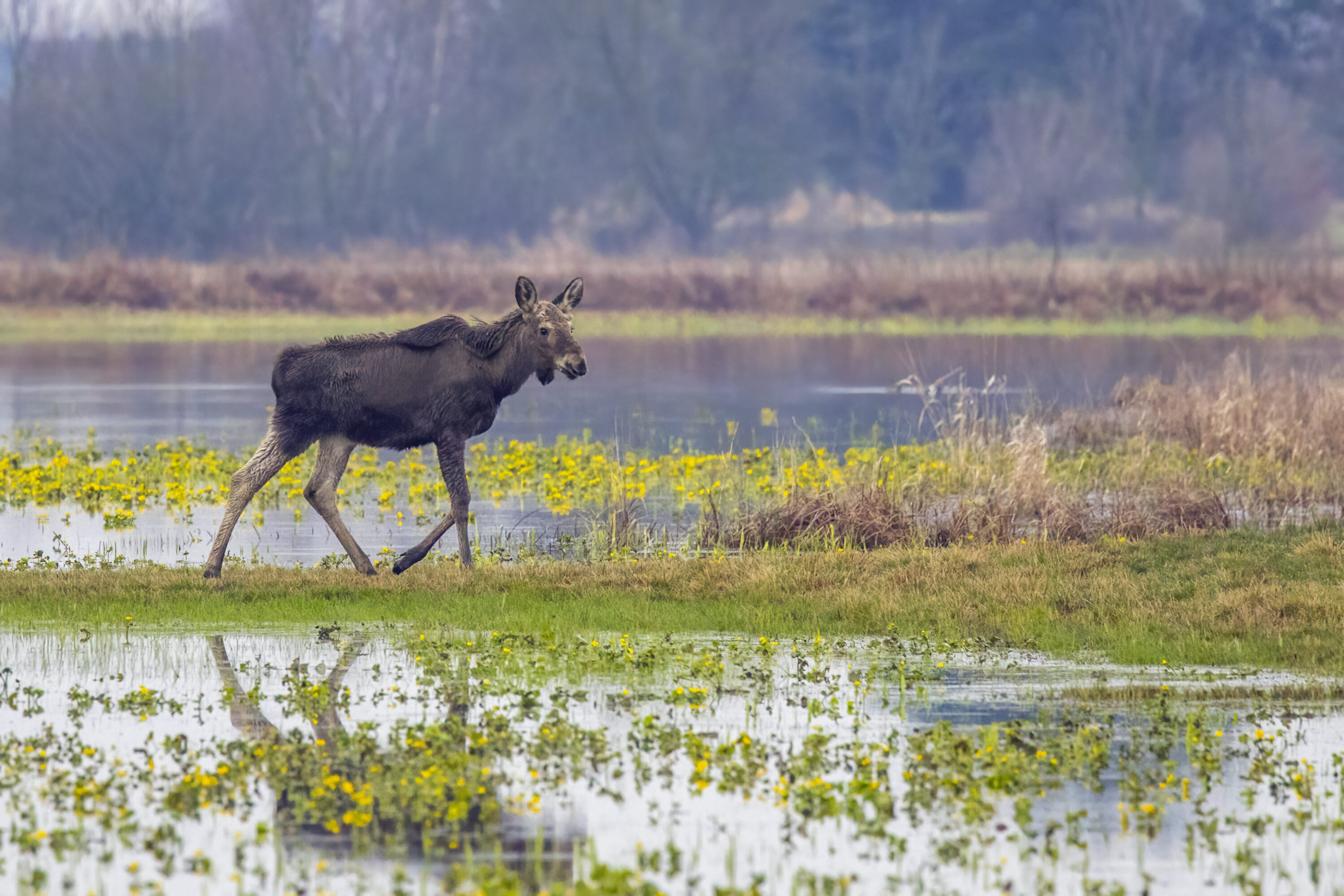
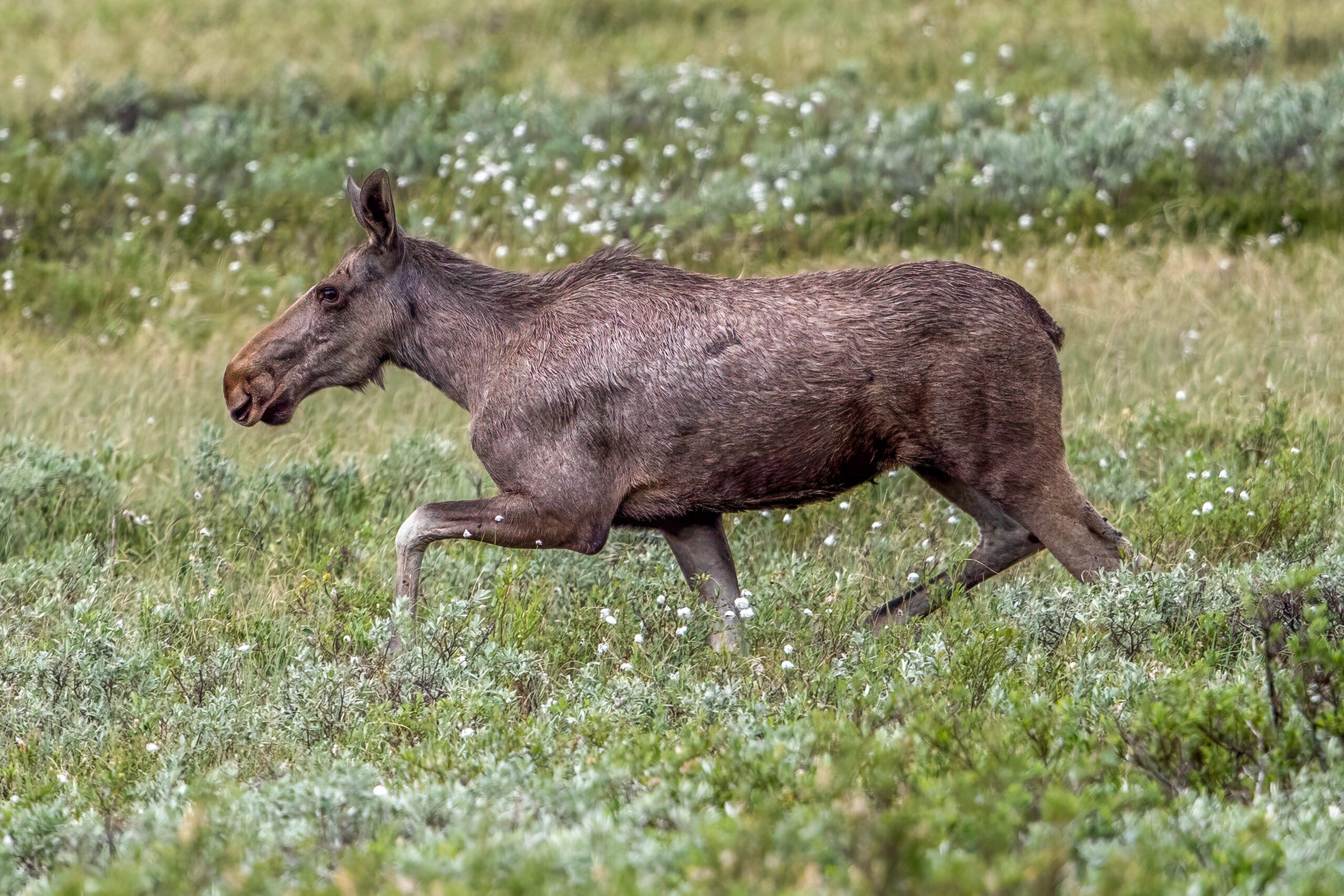
Declining moose (Alces alces) calf production in Finland was associated with different combinations of predators, other deer, hunting, weather and young forest depending on whether populations lived in the south or north. An analysis by the Natural Resources Institute Finland, Luke, found no single nationwide explanation and emphasised that the results describe associations rather than simple one-factor causes.
The analysis used data from 2000–2022 and examined calf production separately in southern and northern Finland because climate, landscapes and the community of large mammals differ substantially between the two regions.
Calf production was measured as the number of calves surviving until the hunting season relative to the number of adult females observed during the hunt. The researchers used multivariable regression to test how this measure was related to population structure, densities of moose and other deer, large predators, winter, spring and summer weather, and the composition of the surrounding landscape.
In southern Finland, the clearest relationships with declining calf production involved densities of large predators and white-tailed deer (Odocoileus virginianus), weather across several seasons, and the proportions of deciduous plantations and agricultural fields. In northern Finland, spring conditions and the amount of deciduous plantations and young pine forest were among the principal factors associated with variation.
Predators and other deer in the south
Calf production in southern Finland decreased as wolf (Canis lupus) and brown bear (Ursus arctos) density increased. Moose calves are important prey for both predators. Rising white-tailed deer density was also associated with lower moose calf production. Luke notes several possible pathways: the two deer species may compete for food, high deer densities may increase disease risk, and more white-tailed deer may support more wolves, potentially increasing predation pressure on moose as well.
The density of moose themselves showed a positive association with calf production. At the densities represented in the data, the analysis therefore did not indicate that competition among moose was reducing productivity.
Hunting patterns also mattered. Greater hunting pressure on adult females in one year was associated with lower calf production the following year. Removing productive females directly reduces the number of animals able to give birth. In southern Finland, higher average mass among harvested females also coincided with slightly lower subsequent production, consistent with harvesting larger females that tend to be among the most productive.
In southern Finland, calf production also increased as the previous autumn’s cow-to-bull ratio increased. This did not support the common assumption that a more even adult sex ratio necessarily improves mating success and calf production.
Weather and young forest
In southern Finland, calf production declined with deeper snow and higher mean temperatures during the preceding winter, and with lower spring temperatures. The authors suggest that warm winters can expose this cold-adapted species to heat stress, while cold springs can delay nutritious forage and directly challenge newborn calves.
Higher summer temperatures were also associated with lower production in the south. In northern Finland, production decreased with greater May snow cover and lower summer rainfall. Late snow can constrain females around calving, while summer weather affects the availability and quality of forage used by mothers and growing calves.
Landscape relationships pointed towards the importance of productive young vegetation. Calf production rose with greater proportions of deciduous plantations and young pine forest. Both provide winter browse that can affect the condition of pregnant females. A positive association with farmland in the south probably did not mean that fields were the main winter food source; Luke interpreted agricultural land more broadly as an indicator of fertile soils and productive vegetation.
The dataset ended in 2022, but Luke reports that calf production has continued to decline, especially in southern Finland. The institute describes the trend as a warning sign for population viability and sustainable hunting.
Reducing very high white-tailed deer densities is identified as one possible management measure, but the researchers caution against doing so too rapidly. A sudden fall in alternative prey could shift more wolf predation towards moose.
Reproduction & development
Related news
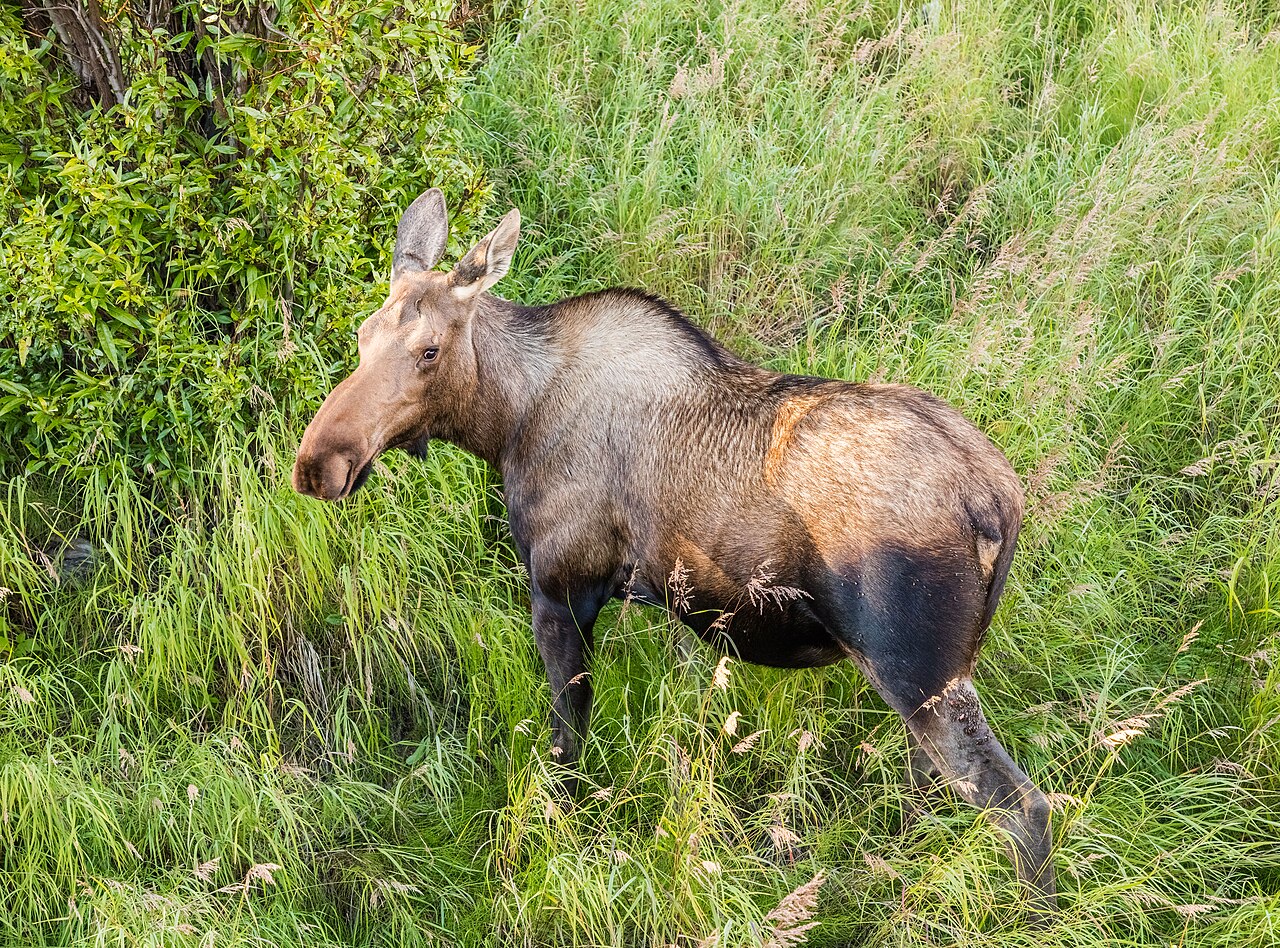
Arctic Moose Follow the River Valleys
GPS tracking in Alaska showed that half of 24 female moose migrated between summer and winter ranges. Migrants…
Read story →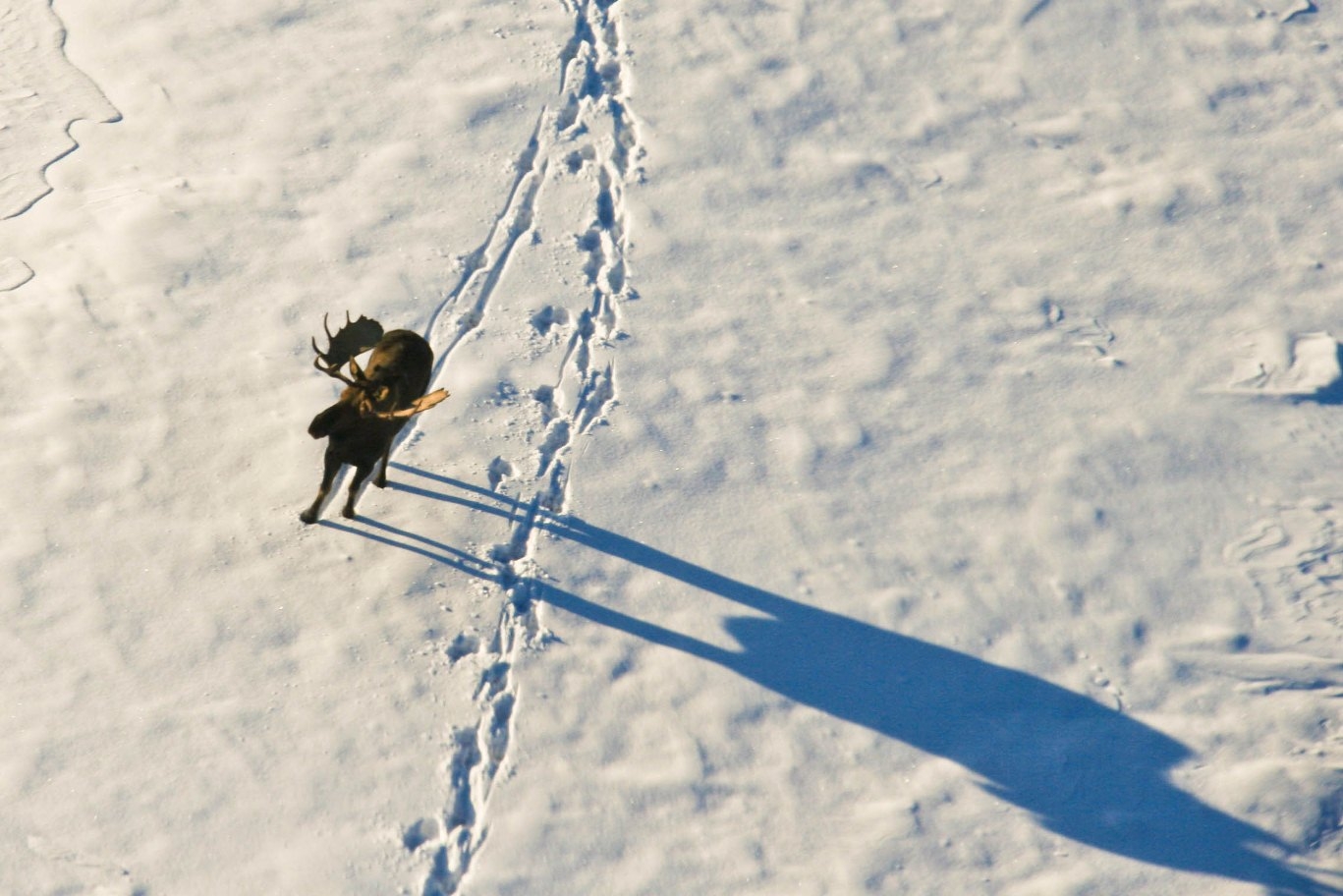
Thermal Drones Found Nearly All Moose in Favourable Winter Weather
Swedish trials found detection close to 100% in cold, overcast winter conditions, but the survey effort needed for…
Read story →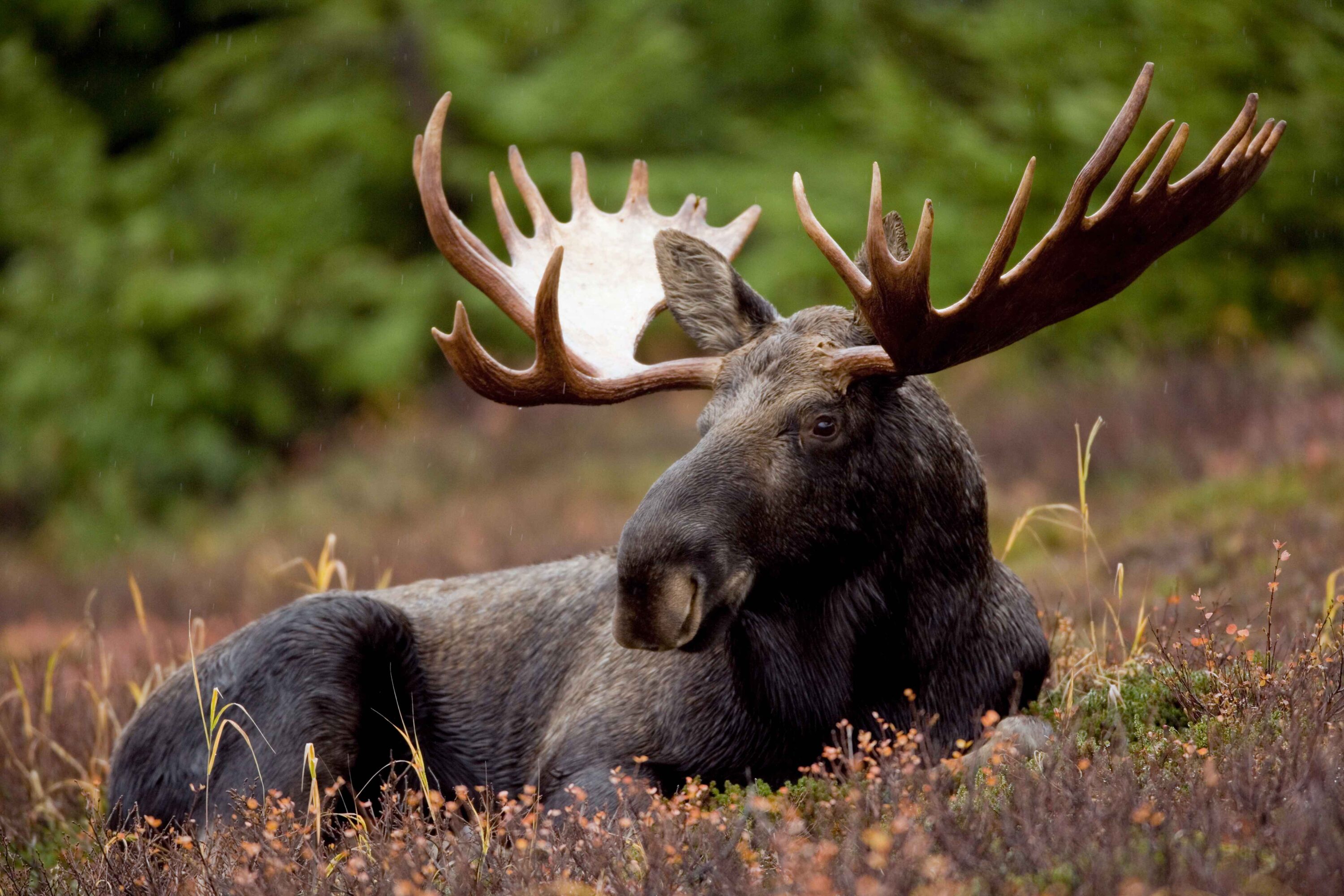
Even Adirondack Park’s Densest Moose Area Was Too Sparse for Precise Aerial Estimates
Helicopter surveys estimated about 92 moose in the Adirondack core in 2024 and 112 in 2025, but broad…
Read story →SPECIES IN THIS STORY
Species in this story
Independent research and conservation news archive
Did you find this information useful?
Wildlife Vagabond is independently built and maintained. Voluntary support helps cover source verification, hosting and continued work on research and conservation news.
Support Wildlife VagabondThe news archive will remain freely available.