
Problem-Solving Great Tits Fed Chicks More Often and Delivered More Prey Biomass
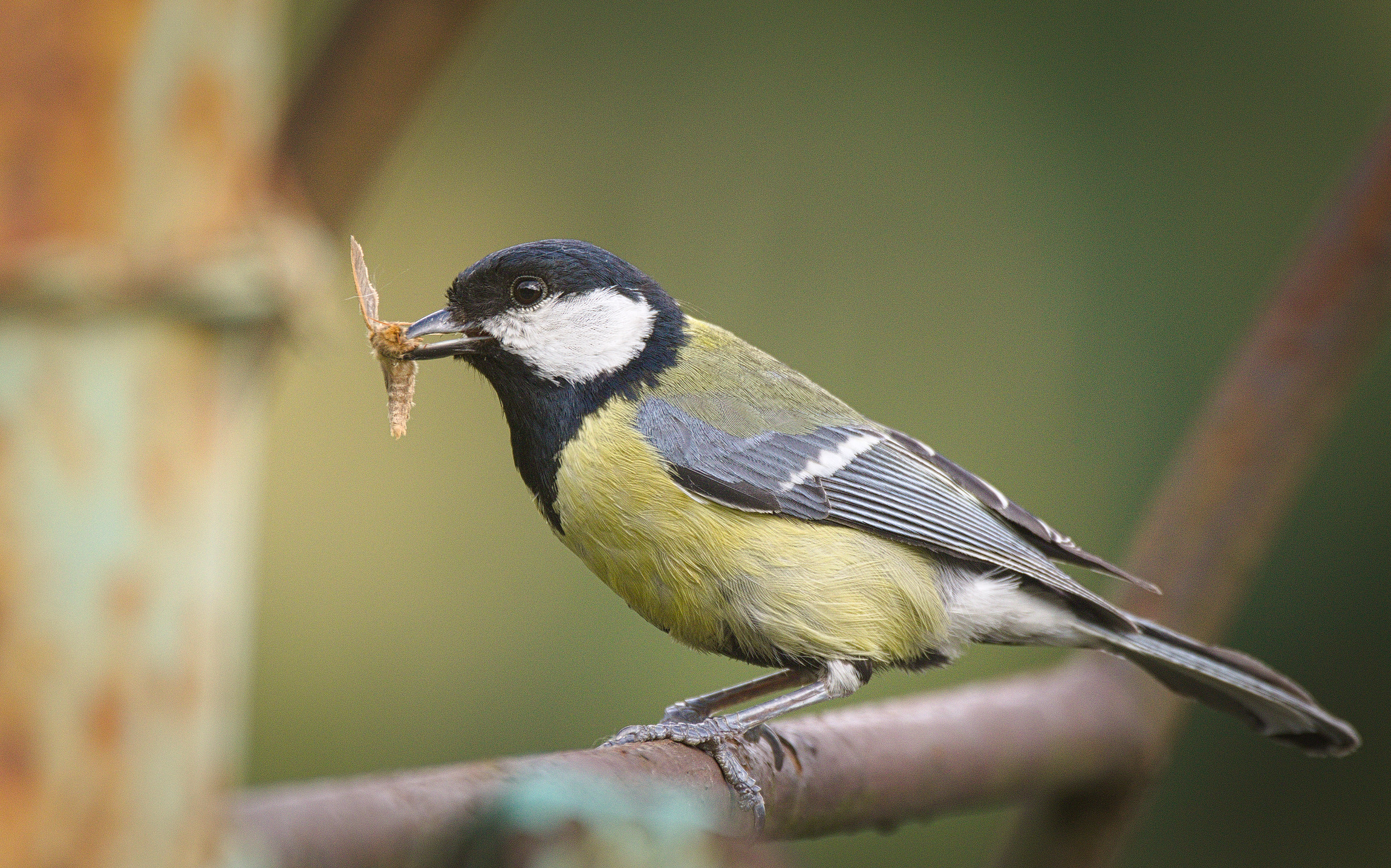
Great tits (Parus major) that solved a problem at the nest fed their chicks more often and delivered a greater estimated biomass of prey than birds that did not solve it. The study followed a wild population on Gotland, Sweden, and found that higher provisioning provided a possible link between problem-solving performance and reproductive success in males.
In spring 2015, researchers recorded provisioning and problem-solving performance for 199 adults — 107 females and 92 males — breeding in nest boxes. When chicks were six days old, the parents were video-recorded for 90 minutes so the researchers could measure feeding rate and estimate the number, size and type of prey delivered. On the following two days, a temporary door blocked the nest-box entrance; adults could reach their chicks by pulling a string that opened the door.
Solvers maintained a high feeding rate
Ninety birds solved the task and 109 did not. Solvers made more feeding visits and delivered a higher estimated prey biomass per hour. The difference was not explained by larger prey, more prey per visit or a different mix of caterpillars and spiders: those measures were similar between solvers and non-solvers.
Brood size revealed another difference. Among non-solvers, feeding rate increased as the number of chicks increased. Solvers instead maintained a comparatively high feeding rate across brood sizes. The authors interpret this pattern as consistent with solvers being more efficient at exploiting food resources, although the study did not measure the energetic cost of foraging directly.
The reproductive link was male-specific
Path analyses tested whether provisioning could help explain the previously observed association between problem-solving and reproductive success. For both the number of fledglings and nestling survival, the models best supported a pathway through provisioning. Higher feeding rate was positively related to reproductive success in males, whereas the same link was not supported in females.
The sex difference is not evidence that female problem-solving was unrelated to provisioning: female solvers also fed at a higher rate. The authors note that females were still brooding young chicks during the cool morning recording period, which may have limited how well a short provisioning sample represented their full foraging performance.
The path analyses remain correlational, so they cannot show that solving the task itself caused better breeding outcomes. The study nevertheless provides a concrete ecological connection between problem-solving performance and parental care: birds that solved the novel obstacle provisioned chicks more intensively without compensating by bringing smaller or fewer prey items.
Behaviour
Related news
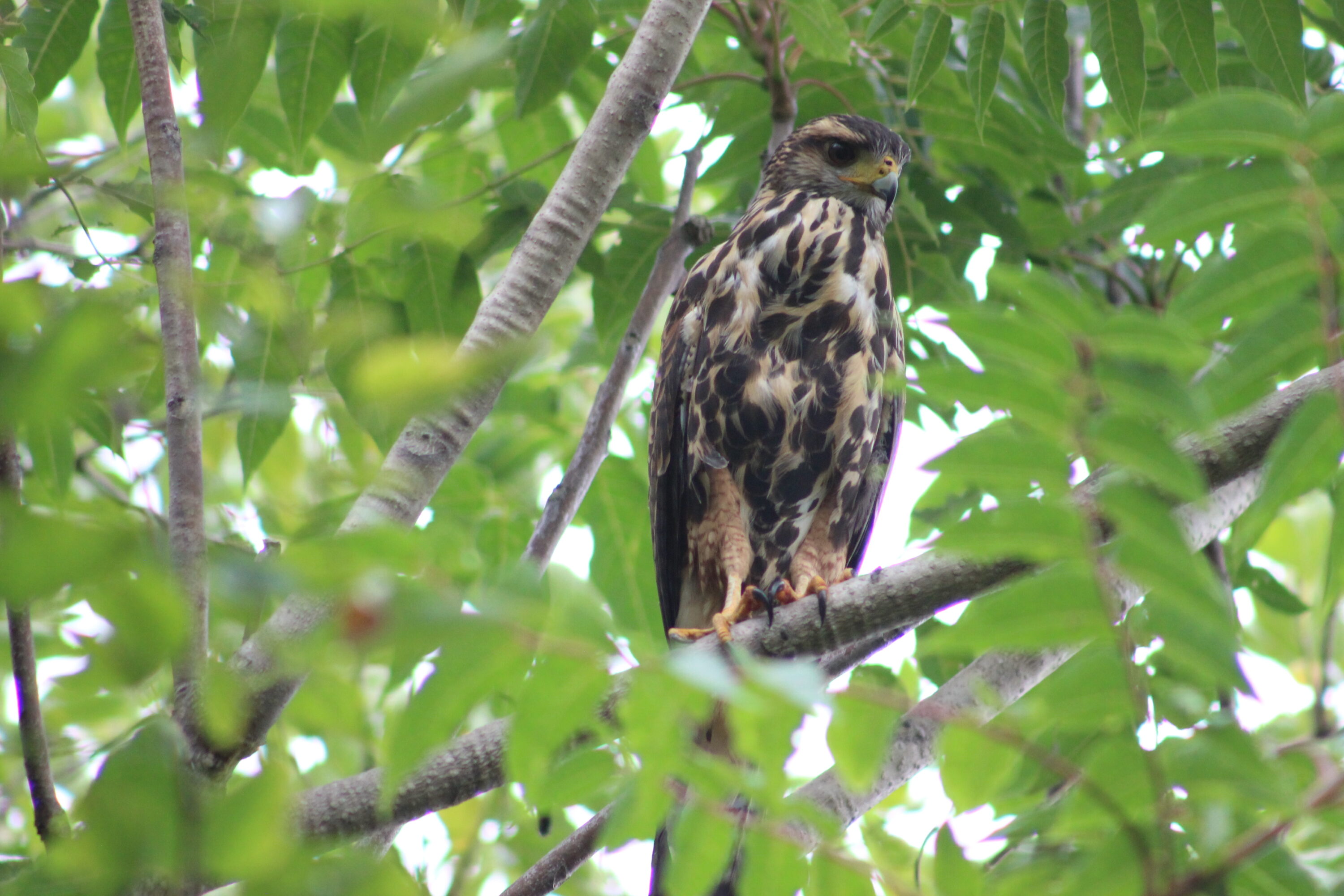
Juvenile Harris's Hawks Manipulated Pine Cones for About Five Minutes
Two juvenile Harris's hawks in Buenos Aires Province tore pine cones from trees, carried them to new perches…
Read story →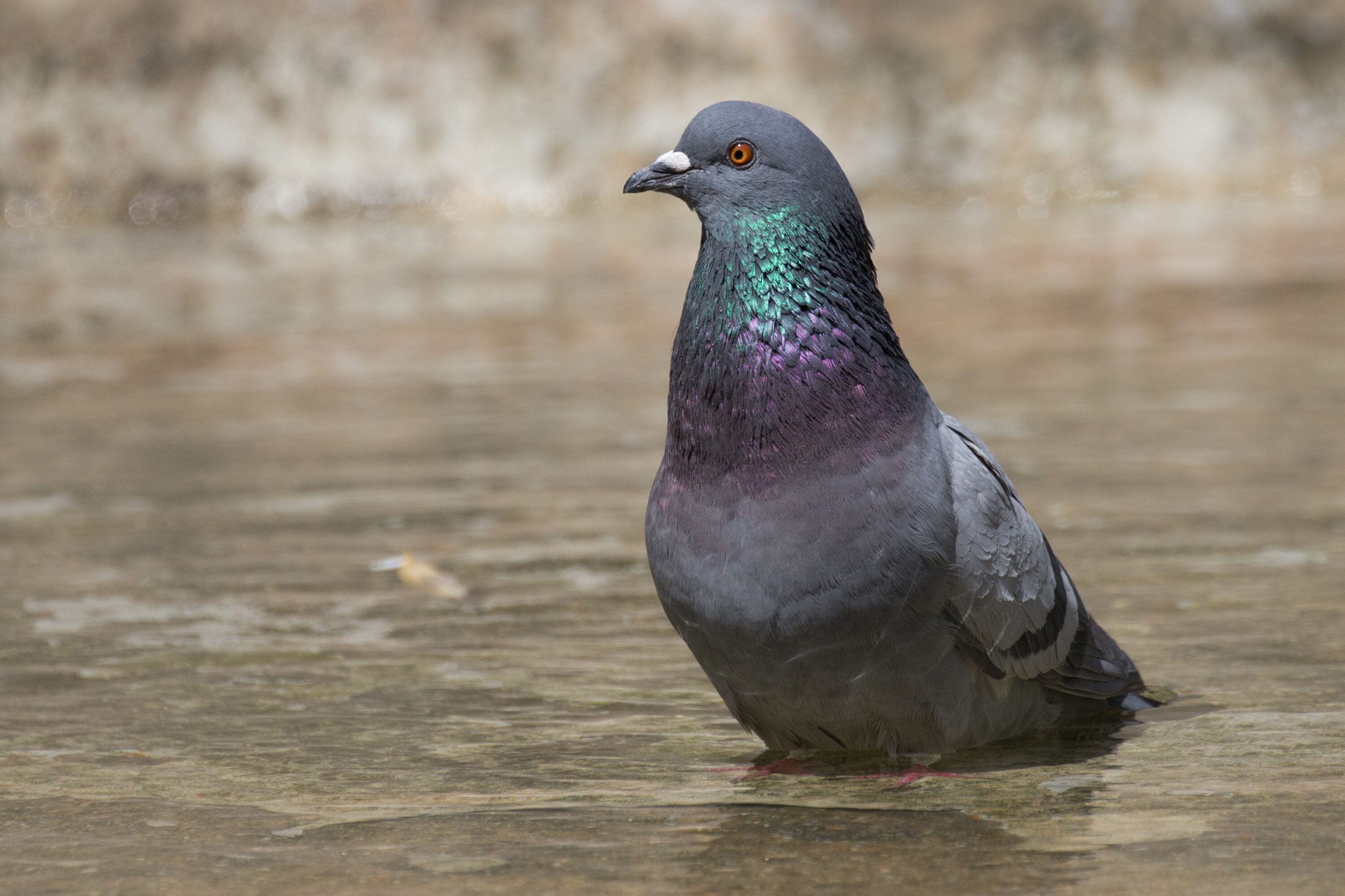
Rock Doves Preferred Predictive Information Despite a Lower Food Payoff
Seven rock doves preferred an informative option that paid on 20% of trials over a non-informative option that…
Read story →
Task Uncertainty Increased Interference From Irrelevant Visual Information in Rhesus Macaque Decisions
Two rhesus macaques made less accurate visual decisions under task uncertainty; recordings and microstimulation in primary visual cortex…
Read story →SPECIES IN THIS STORY
Species in this story
Independent research and conservation news archive
Did you find this information useful?
Wildlife Vagabond is independently built and maintained. Voluntary support helps cover source verification, hosting and continued work on research and conservation news.
Support Wildlife VagabondThe news archive will remain freely available.