
Puff Adder Venom Contained 36 Conserved Peptides in Key Toxin Enzymes
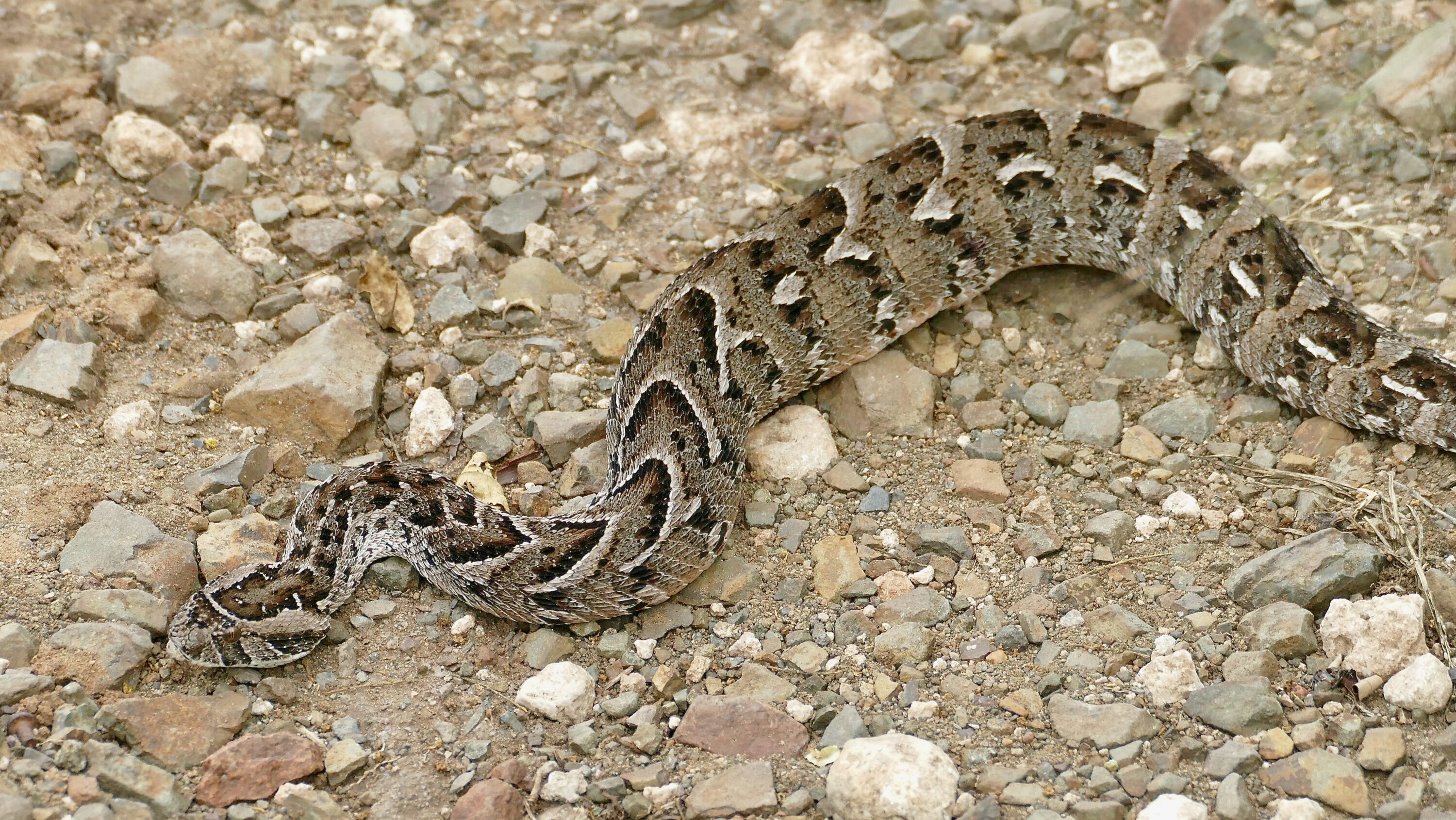
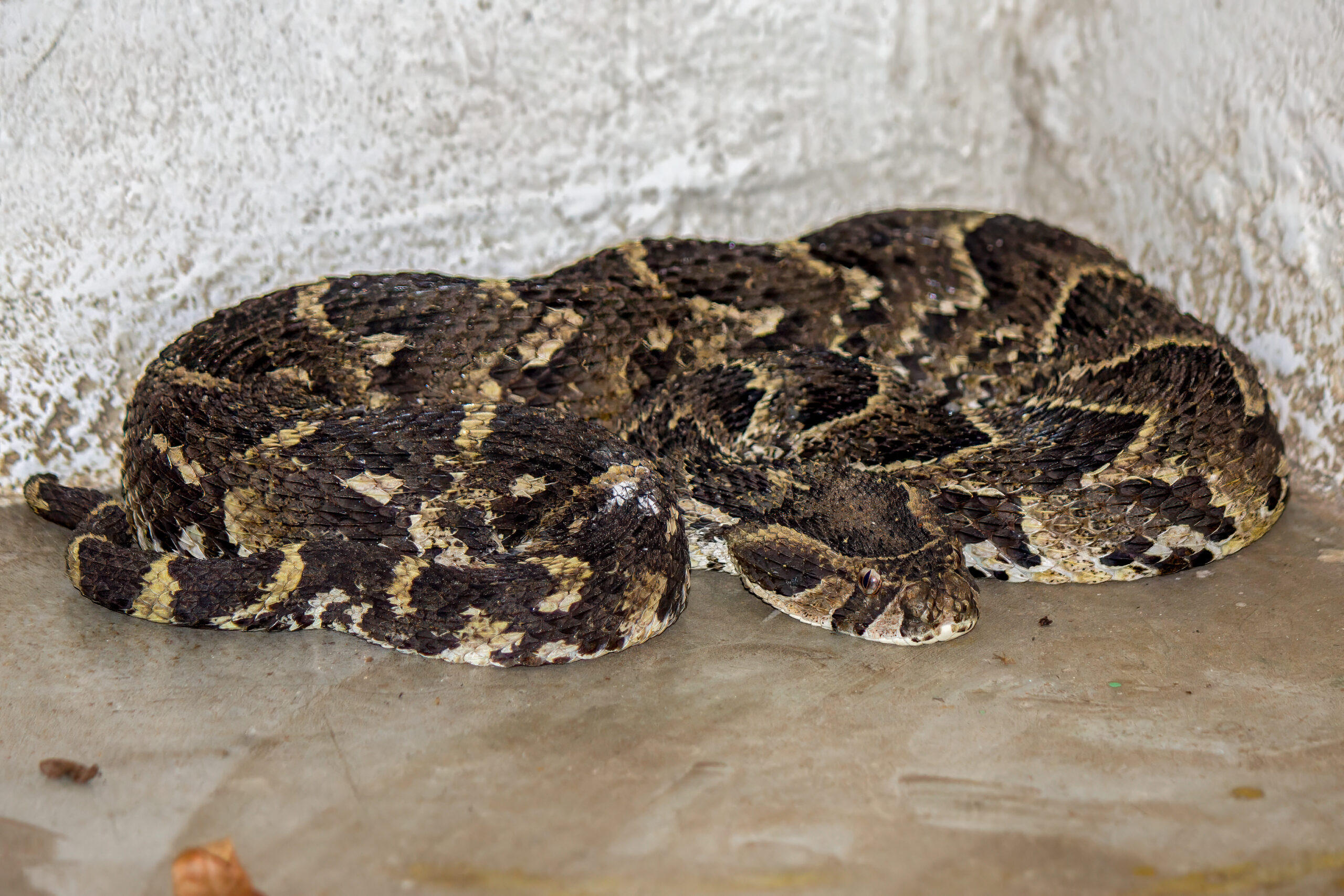
A proteomic study of puff adder (Bitis arietans) venom identified 36 conserved peptide regions in three major families of toxin enzymes: snake-venom metalloproteinases (SVMPs), serine proteases (SVSPs) and phospholipase A₂ enzymes (PLA₂s). The analysis produced 1,099 protein identifications from a pooled commercial venom sample obtained from several adult puff adders.
These three enzyme families contribute to important effects of viper venom. SVMPs can damage blood vessels and extracellular tissue and promote haemorrhage. SVSPs interfere with haemostasis and blood coagulation, while PLA₂ enzymes act on membrane phospholipids and can contribute to muscle damage, neurotoxicity and anticoagulant effects.
Conserved peptides clustered around important functional regions
Many of the 36 conserved peptides lay next to or overlapped parts of the enzymes that are important for their structure or catalytic activity. In SVMPs, conserved sequences included the zinc-binding catalytic region. In SVSPs they occurred around the His–Asp–Ser catalytic machinery, while conserved PLA₂ sequences included the calcium-binding loop and nearby cysteine-rich regions that help stabilise the protein.
This matters because regions essential to a toxin’s function are often under strong evolutionary constraint: they can remain similar even when the overall venom composition differs among species. The researchers therefore see these conserved regions as possible starting points for antibodies designed to recognise related toxins across more than one snake species.
Similar regions occurred in toxins from other vipers
Database comparisons found homologous peptide sequences in toxin variants from several other viperid genera. Bothrops species were especially well represented, but the authors caution that this partly reflects the much greater number of curated Bothrops venom sequences available in public databases. It should not be read as evidence that puff adder toxins are uniquely closest to New World lanceheads.
Sequence data for African and other Old World vipers, including Bitis, Echis and Vipera, remain more limited. Broader sequence coverage will be needed to test how widely the candidate regions are conserved across those lineages.
Conserved sequence does not prove neutralisation
The study did not test whether antibodies against the 36 peptides can bind intact toxins or neutralise venom activity. A conserved linear sequence can be buried within the three-dimensional protein and therefore inaccessible to an antibody.
The authors consequently present the peptides as candidates for structural epitope mapping—work that asks which toxin regions are exposed and accessible to antibody recognition—and for later binding and neutralisation experiments. The study provides a molecular starting point for complementary antibody-based treatments, not evidence that a new antivenom therapy already works.
Molecular biology & biochemistry
Related news
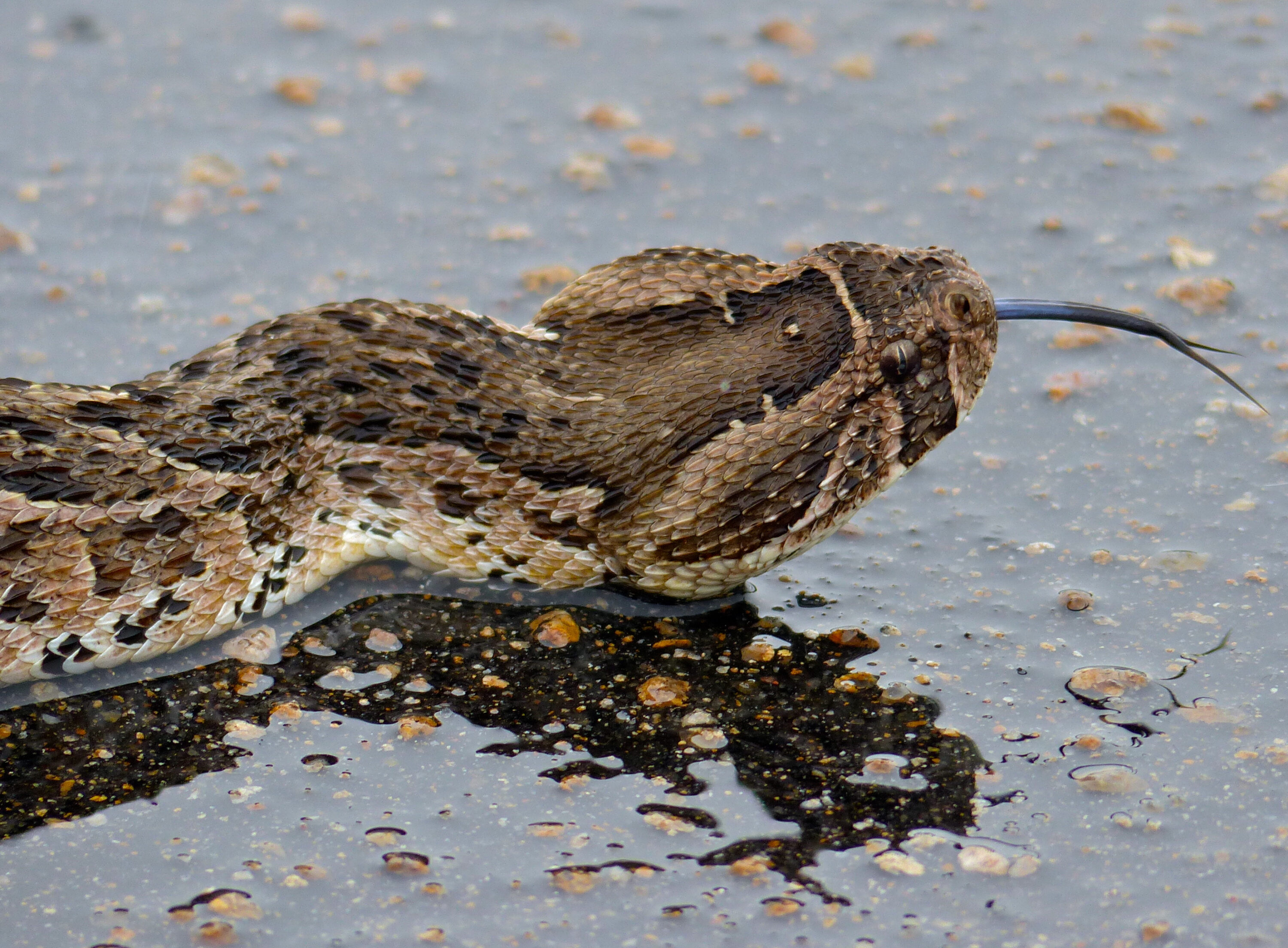
Barietin From Puff Adder Venom Raised Heart Rate by About 30% in Rats
Purified barietin from puff adder venom increased heart rate by about 30% in rats while changing blood pressure…
Read story →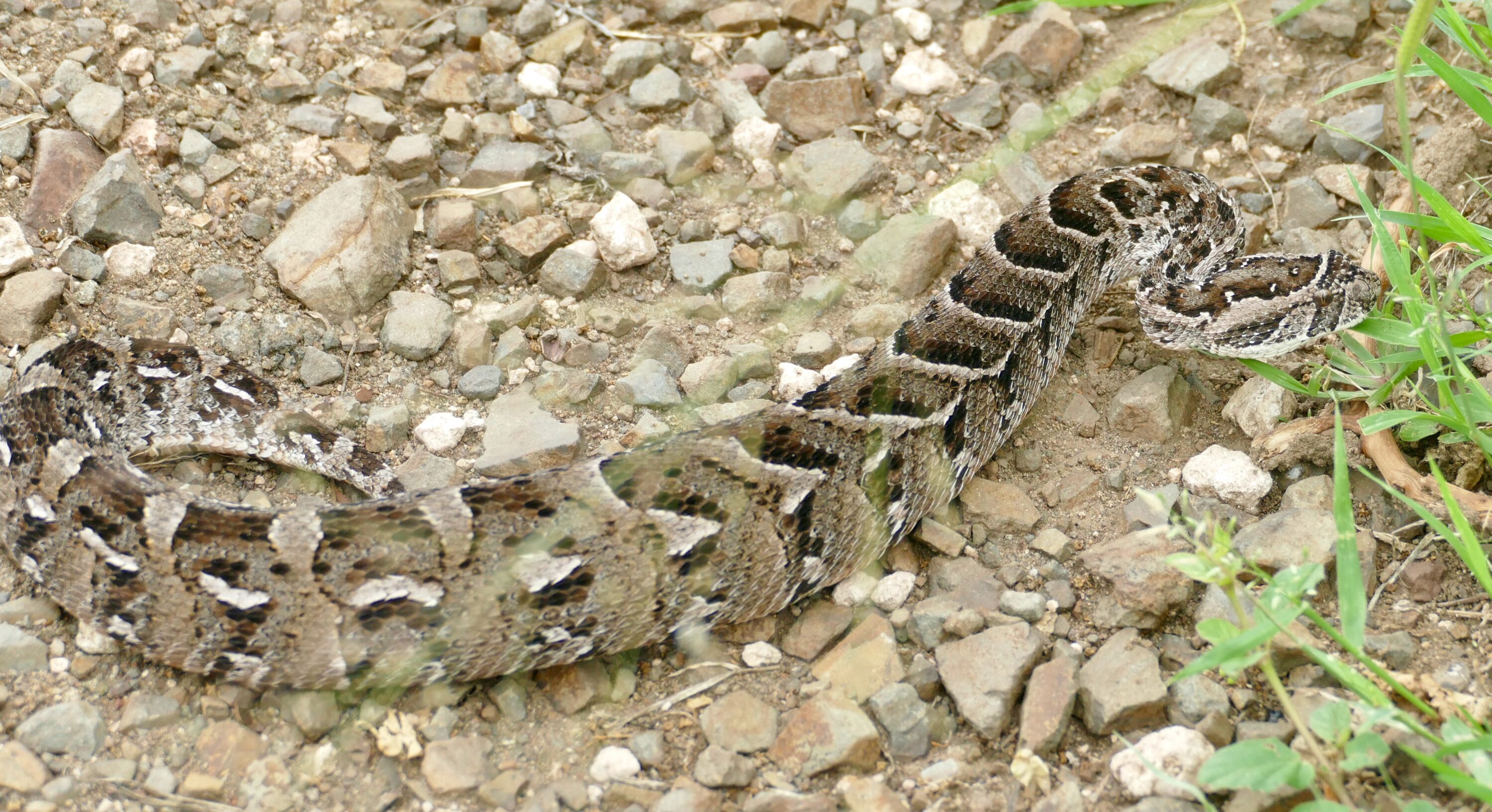
Injuries Were More Extensive After Zebra Spitting Cobra Bites Than Puff Adder Bites in Namibia
Among 20 hospitalized snakebite patients in Namibia, tissue necrosis occurred in 11 of 12 zebra spitting cobra cases…
Read story →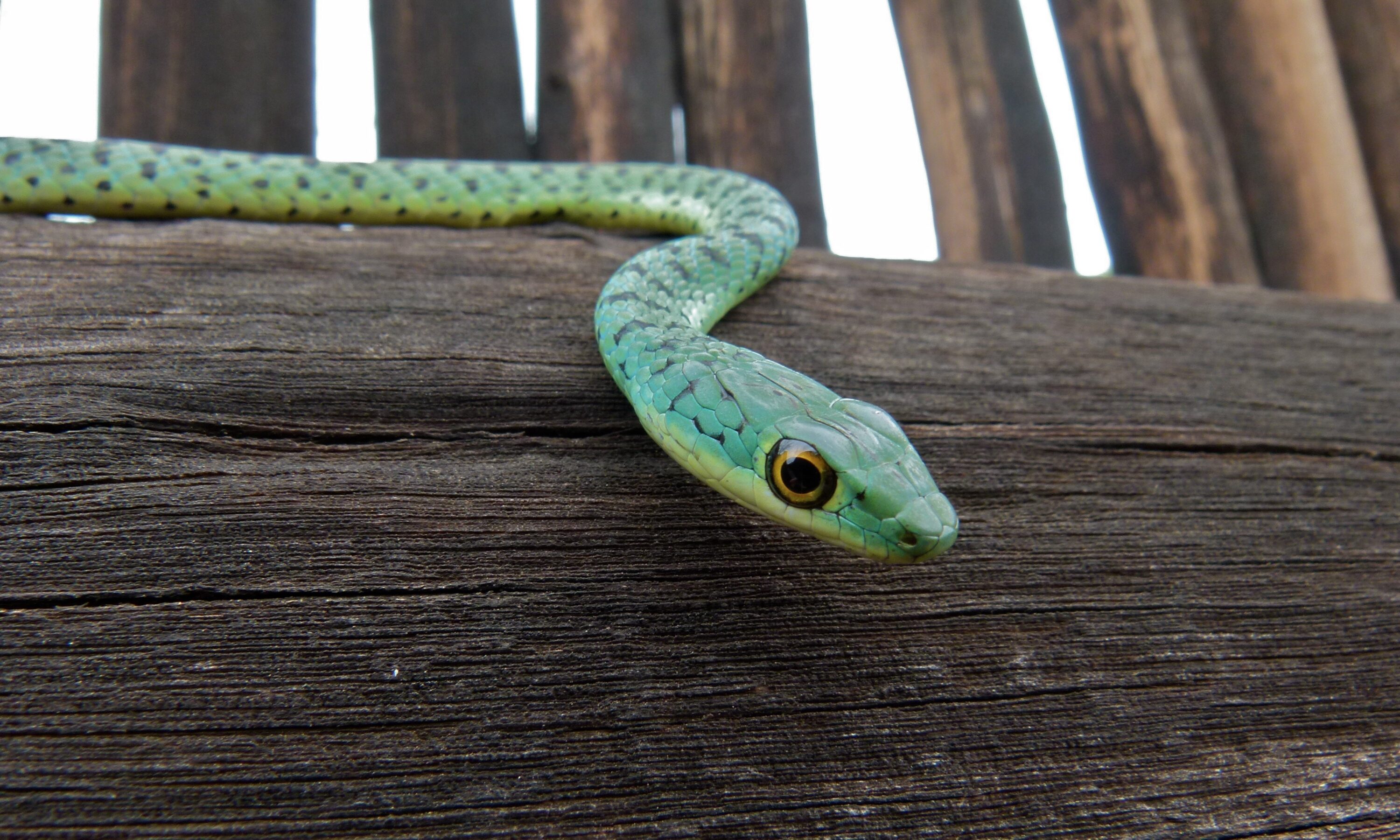
Patchier, More Diverse Landscapes Were Linked to More Reported Snake–Human Encounters in Eswatini
Using 2,216 public snake-rescue records from Eswatini, the study found that reported encounter likelihood increased with patch density…
Read story →SPECIES IN THIS STORY
Species in this story
Independent research and conservation news archive
Did you find this information useful?
Wildlife Vagabond is independently built and maintained. Voluntary support helps cover source verification, hosting and continued work on research and conservation news.
Support Wildlife VagabondThe news archive will remain freely available.