
New Oral Snakebite Drug Candidate Potently Inhibited Puff Adder Venom Enzymes in Laboratory Tests
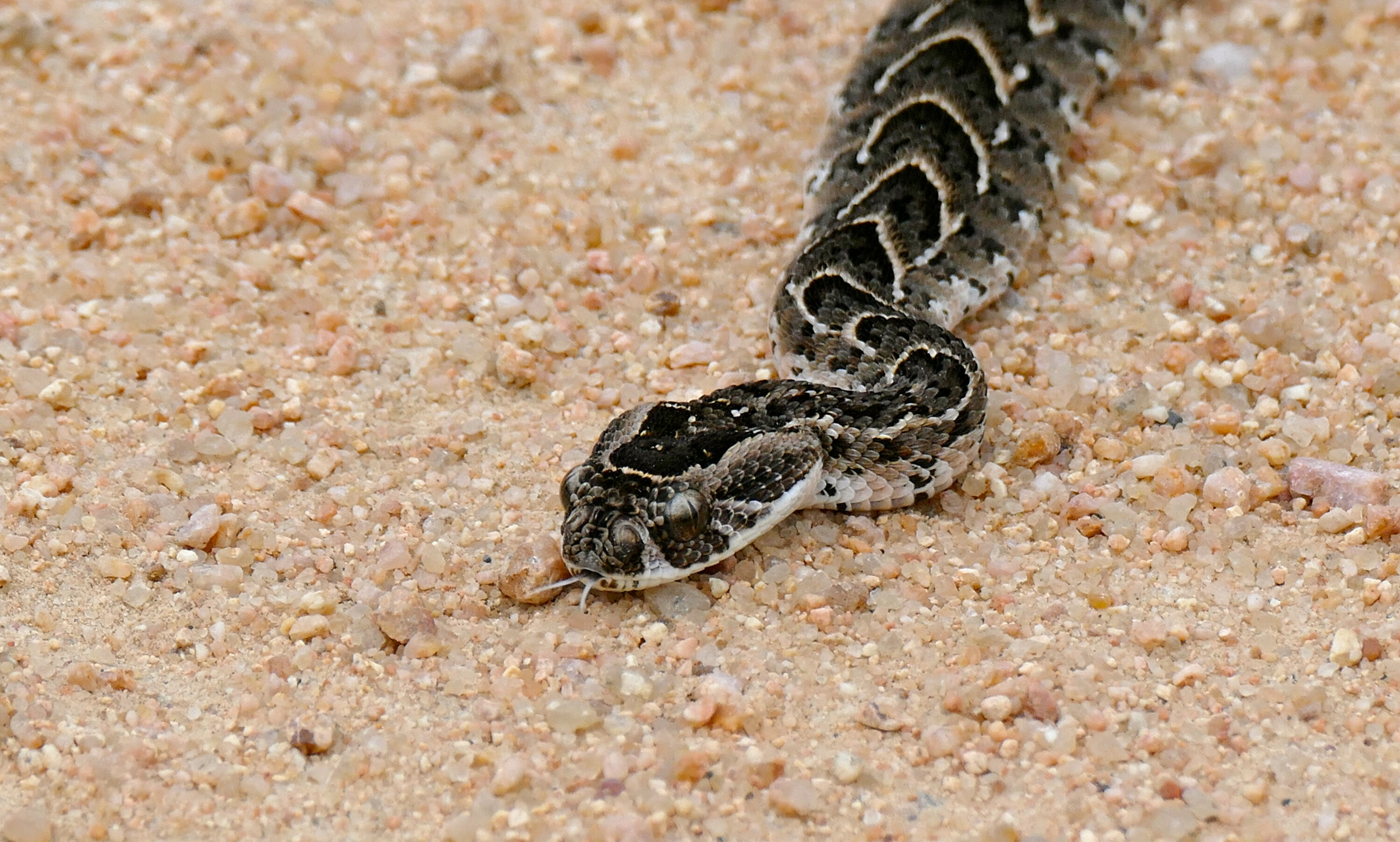
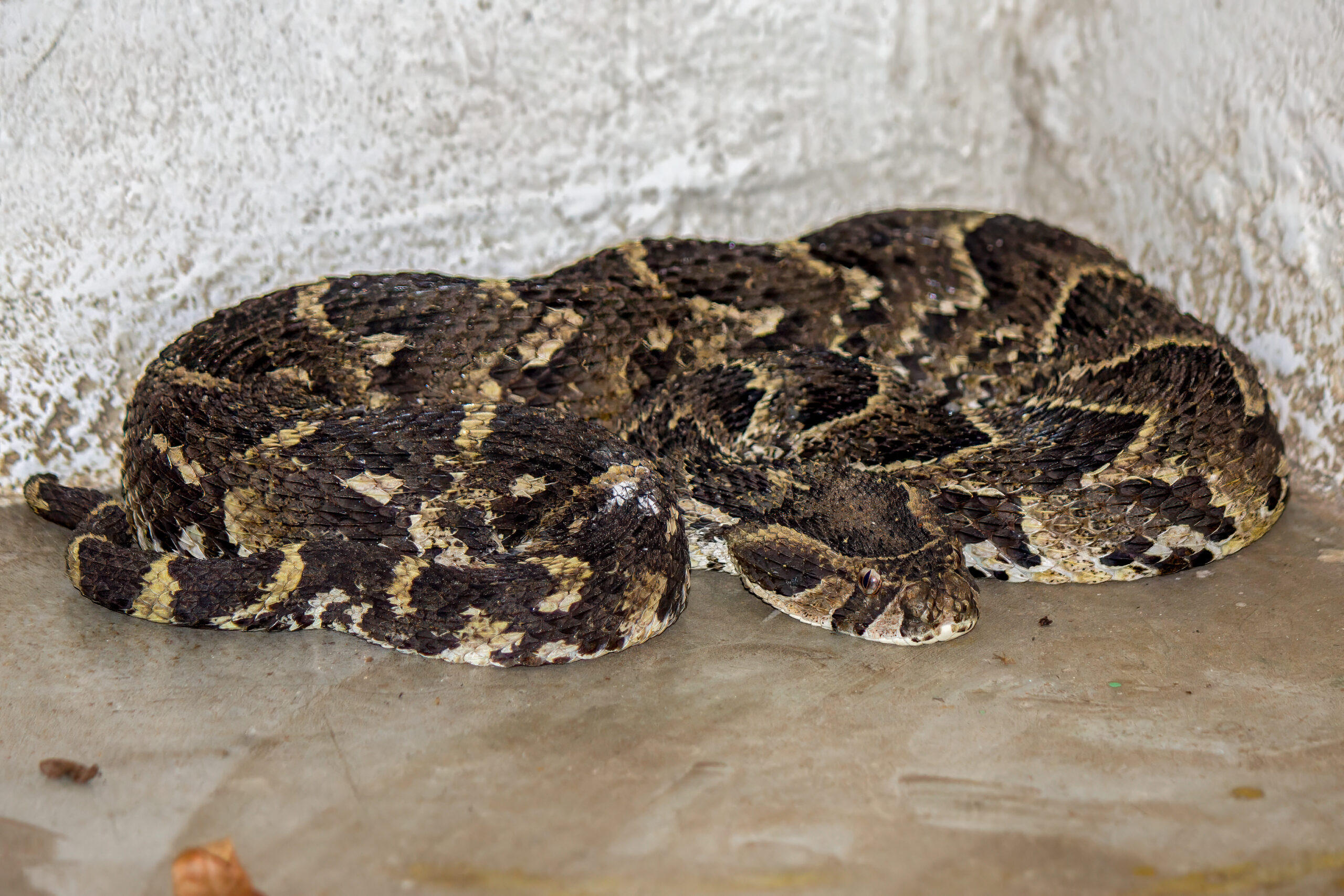
A new small-molecule candidate being developed as an oral treatment for snakebite strongly inhibited metalloproteinase activity in puff adder (Bitis arietans) venom during laboratory testing. The compound, called DC-174, was described in a study published on 9 April 2026 in the Journal of Medicinal Chemistry.
Snake venom metalloproteinases, or SVMPs, are enzymes that contribute to major effects of many viper venoms, including disruption of blood clotting, bleeding and tissue damage. The researchers aimed to design a molecule that could inhibit these enzymes across venoms from different snake species while also having properties suitable for an orally administered drug.
During the medicinal-chemistry programme, newly synthesised compounds were tested against venom from five medically important vipers: the Roman’s carpet viper (Echis romani), western diamondback rattlesnake (Crotalus atrox), Malayan pit viper (Calloselasma rhodostoma), jararaca (Bothrops jararaca) and puff adder. The puff adder venom came from snakes from Nigeria.
DC-174 inhibited metalloproteinases across all five viper venoms
DC-174 emerged as the leading compound. Across the five venoms, it inhibited SVMP activity at concentrations in the nanomolar range, with EC50 values between 4.7 and 38.6 nanomolar. This means that only very small concentrations were required to reduce the measured enzyme activity by half. The compound was also designed to have suitable solubility, metabolic stability and other properties needed for further drug development.
The researchers then examined several consequences of metalloproteinase activity in greater detail using selected venoms and purified toxins. DC-174 inhibited venom-driven effects on blood coagulation and blocked the activity of structurally different SVMP classes. These experiments helped establish that the compound was not limited to one particular metalloproteinase form.
The oral rescue experiment used a different viper venom
The study also tested oral treatment in mice after severe experimental envenomation. That part of the work used venom from Echis romani, not puff adder venom. A 20 mg/kg dose of DC-174 given by mouth immediately after envenomation prolonged survival, with two of five mice surviving to the eight-hour experimental endpoint. The drug reached peak blood levels after about 30 minutes but had a relatively short half-life of 1.41 hours. When the researchers added a second 20 mg/kg oral dose 1.5 hours after the first, four of five mice survived to eight hours, increasing endpoint survival from 40% to 80%.
For puff adder venom, the 2026 study therefore provides direct evidence from the laboratory screening that DC-174 can strongly inhibit its metalloproteinase activity. The successful oral rescue experiment with another viper venom was used by the authors to support further development of DC-174 as a possible broad-spectrum small-molecule treatment for snakebite.
Molecular biology & biochemistry
Related news
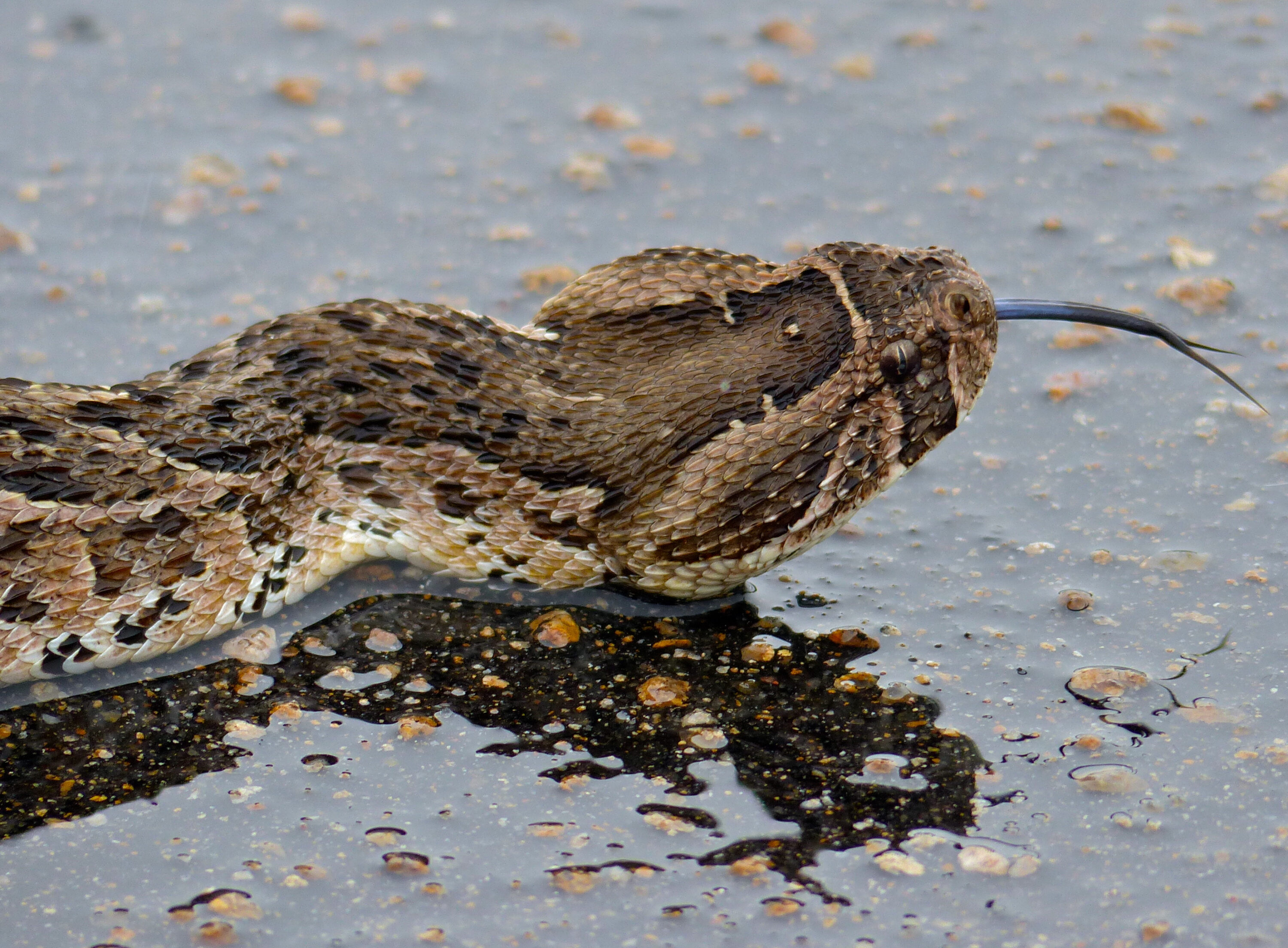
Barietin From Puff Adder Venom Raised Heart Rate by About 30% in Rats
Purified barietin from puff adder venom increased heart rate by about 30% in rats while changing blood pressure…
Read story →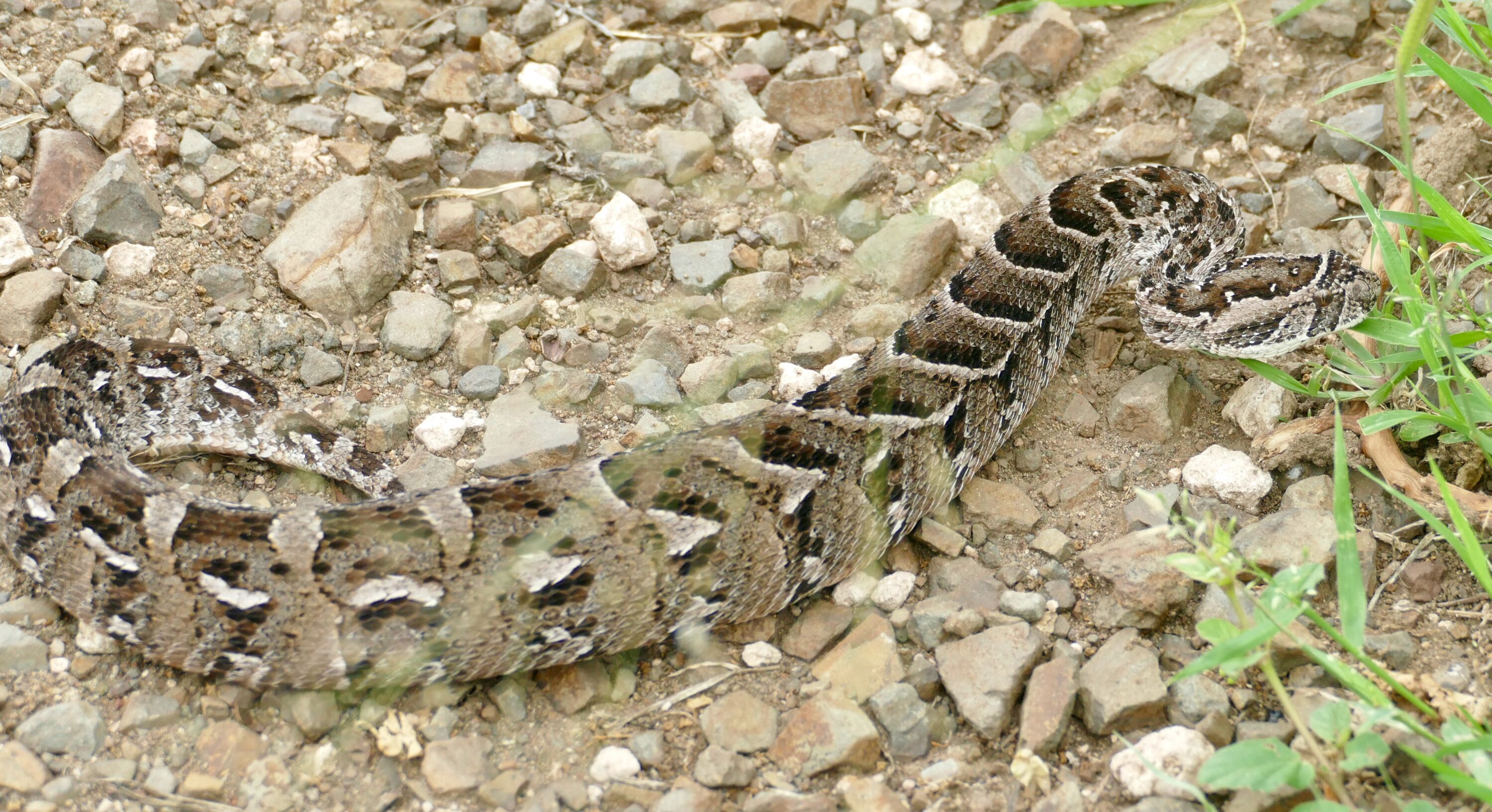
Injuries Were More Extensive After Zebra Spitting Cobra Bites Than Puff Adder Bites in Namibia
Among 20 hospitalized snakebite patients in Namibia, tissue necrosis occurred in 11 of 12 zebra spitting cobra cases…
Read story →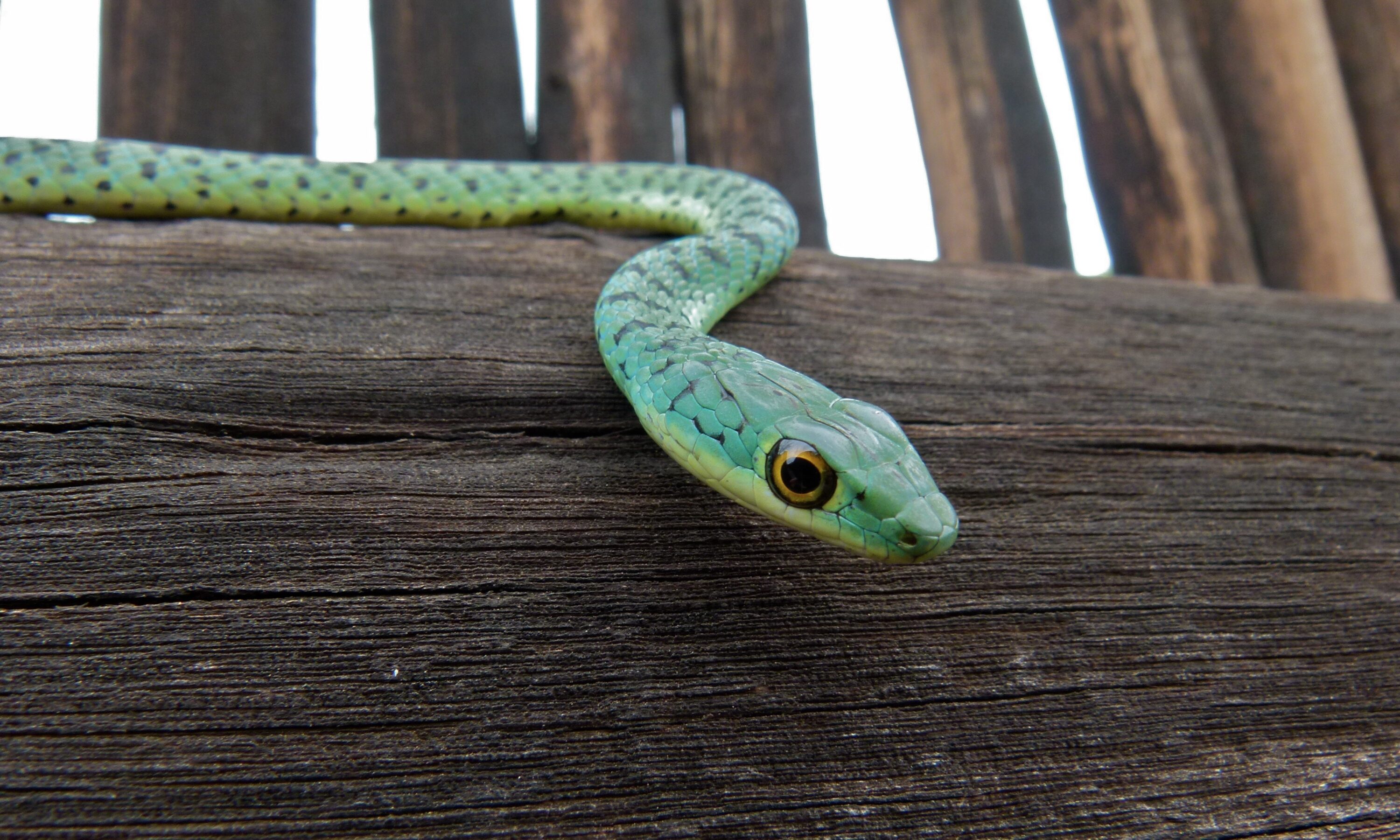
Patchier, More Diverse Landscapes Were Linked to More Reported Snake–Human Encounters in Eswatini
Using 2,216 public snake-rescue records from Eswatini, the study found that reported encounter likelihood increased with patch density…
Read story →SPECIES IN THIS STORY
Species in this story
Independent research and conservation news archive
Did you find this information useful?
Wildlife Vagabond is independently built and maintained. Voluntary support helps cover source verification, hosting and continued work on research and conservation news.
Support Wildlife VagabondThe news archive will remain freely available.