
Red Fox Died After Infection with Two Blood Parasites in Tehran
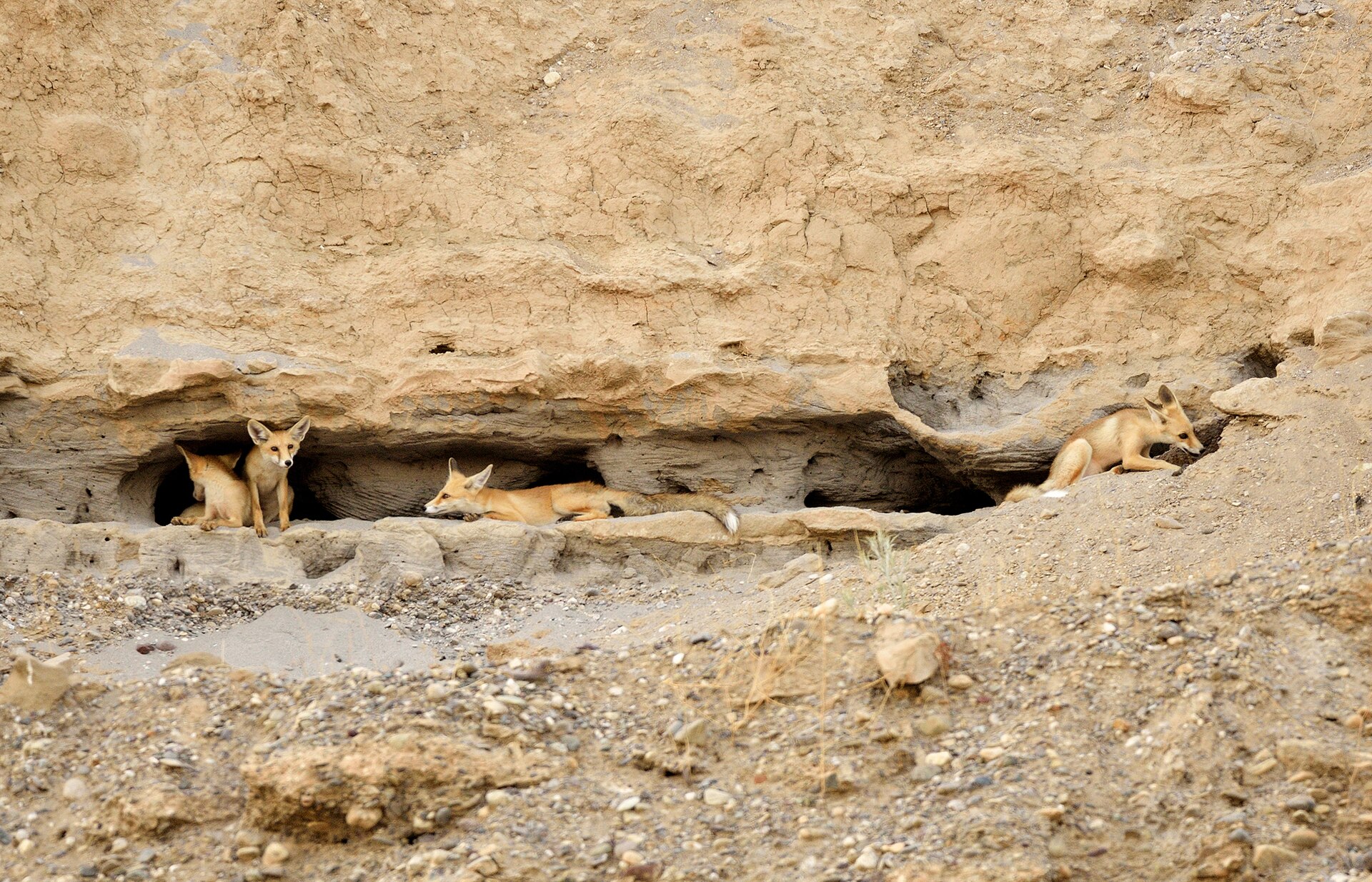
A red fox (Vulpes vulpes) in Tehran died after becoming severely ill while infected with two tick-borne, single-celled parasites, Babesia canis and Hepatozoon canis. The fox was kept by a private individual in a garden near a domestic dog. This is the first reported molecularly confirmed fatal co-infection with these parasites in a red fox in Iran.
The parasites were found in different blood cells
The fox had been weak, lethargic and off its food, with a high fever. In a blood smear, researchers saw paired, pear-shaped Babesia forms inside red blood cells. Babesia canis can damage and destroy red blood cells, causing severe anemia. They also found gamonts—developmental stages of Hepatozoon—inside neutrophils, a type of white blood cell. In canids, H. canis infection is often mild or symptomless, but it can cause severe disease, particularly in susceptible animals or alongside another infection.
PCR and DNA sequencing supported detection of both parasites. The species-level identification of B. canis is less certain because it relied on a short DNA sequence. The fox had severe anemia, a low platelet count and an increased number of white blood cells, particularly neutrophils. Bilirubin was also elevated, consistent with the yellowing of the fox’s eyes and mouth.
The fox received treatment and briefly became more alert, but its condition worsened and it died about 72 hours after admission. The case documents a fatal illness in which both parasites were detected; it cannot establish how much either infection contributed to the outcome.
Both parasites are known from domestic and wild canids, and their occurrence may be relevant to understanding pathogens that affect dogs. But this report concerns one privately kept fox: it cannot show how common either infection is among wild foxes or whether foxes transmit these parasites to dogs.
Disease, parasites & microbiology
Related news
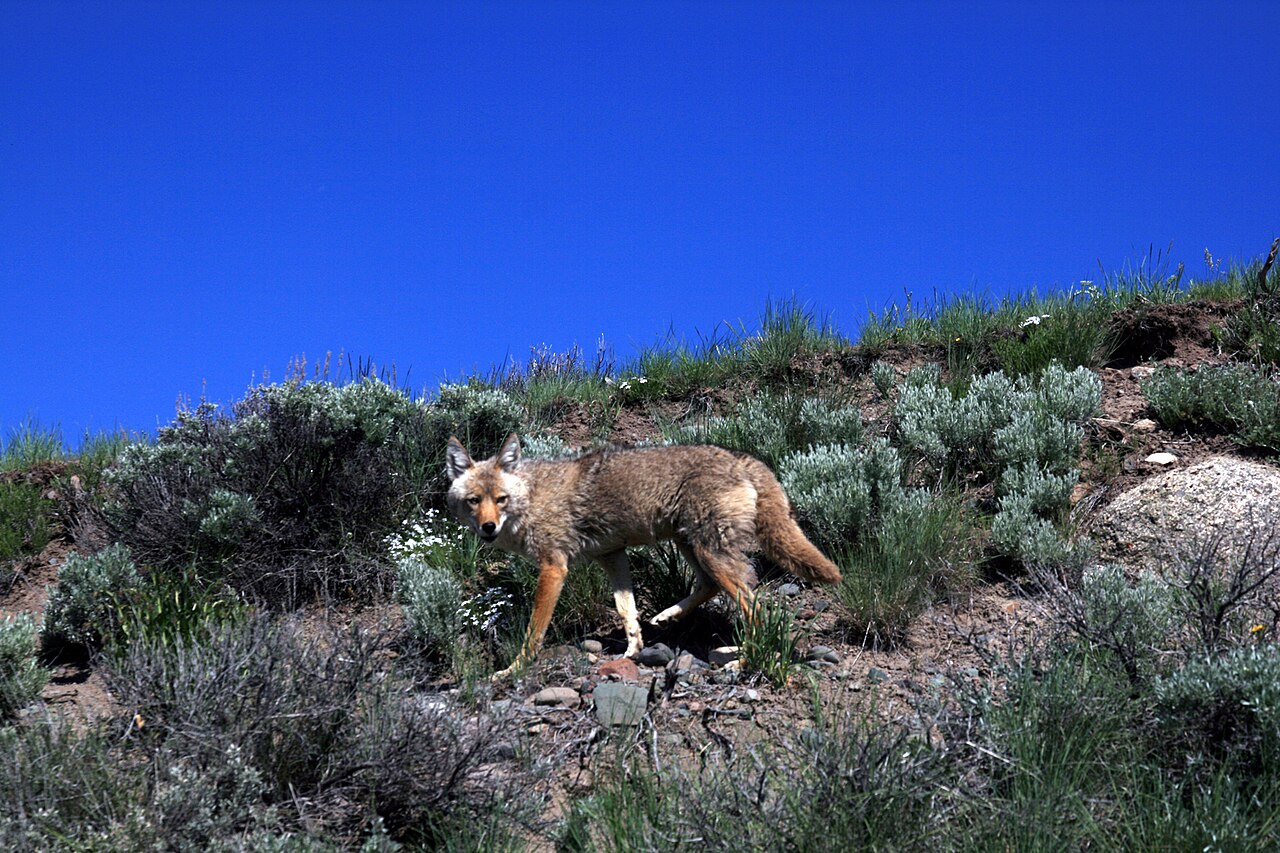
Coyotes and Red Foxes Used Highway Crossings Differently in the Southern Blue Ridge
Camera traps at 24 crossing structures in North Carolina and Tennessee showed that what drew coyotes to a…
Read story →
Roe deer and foxes were less often recorded in Freiburg’s more built-up areas
Camera traps at 19 sites in Freiburg, Germany, recorded badgers, roe deer and foxes less often where more…
Read story →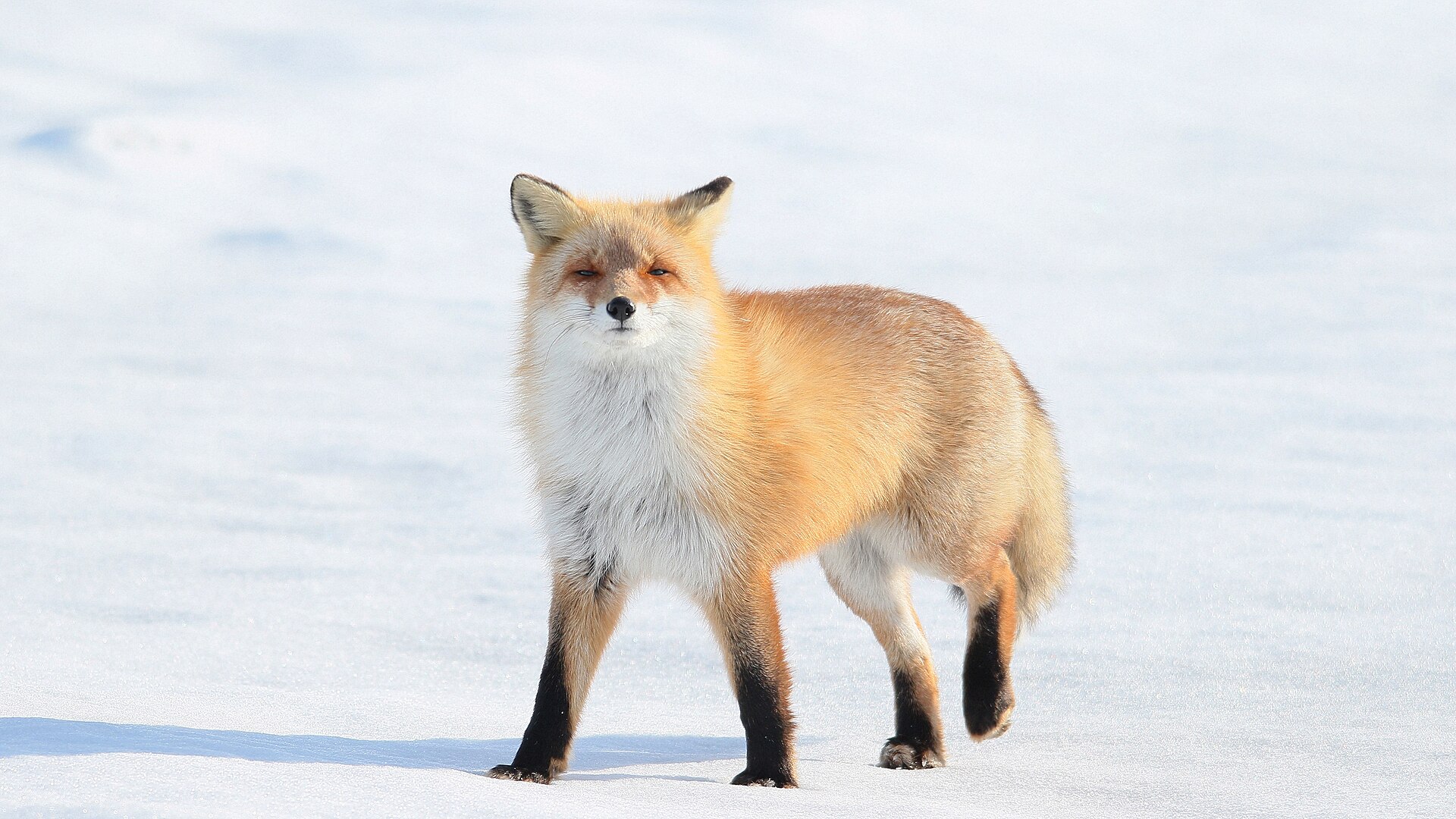
Freshwater and Rice Fields Linked to Spirometra Infection in Hokkaido Foxes
Among 251 red foxes surveyed in Hokkaido, 6.4% were infected with the zoonotic parasite Spirometra mansoni. Infection was…
Read story →SPECIES IN THIS STORY
Species in this story
Independent research and conservation news archive
Did you find this information useful?
Wildlife Vagabond is independently built and maintained. Voluntary support helps cover source verification, hosting and continued work on research and conservation news.
Support Wildlife VagabondThe news archive will remain freely available.