
Red Foxes Carry Rüppell’s Fox Mitochondrial Lineages From at Least Two Introgression Events
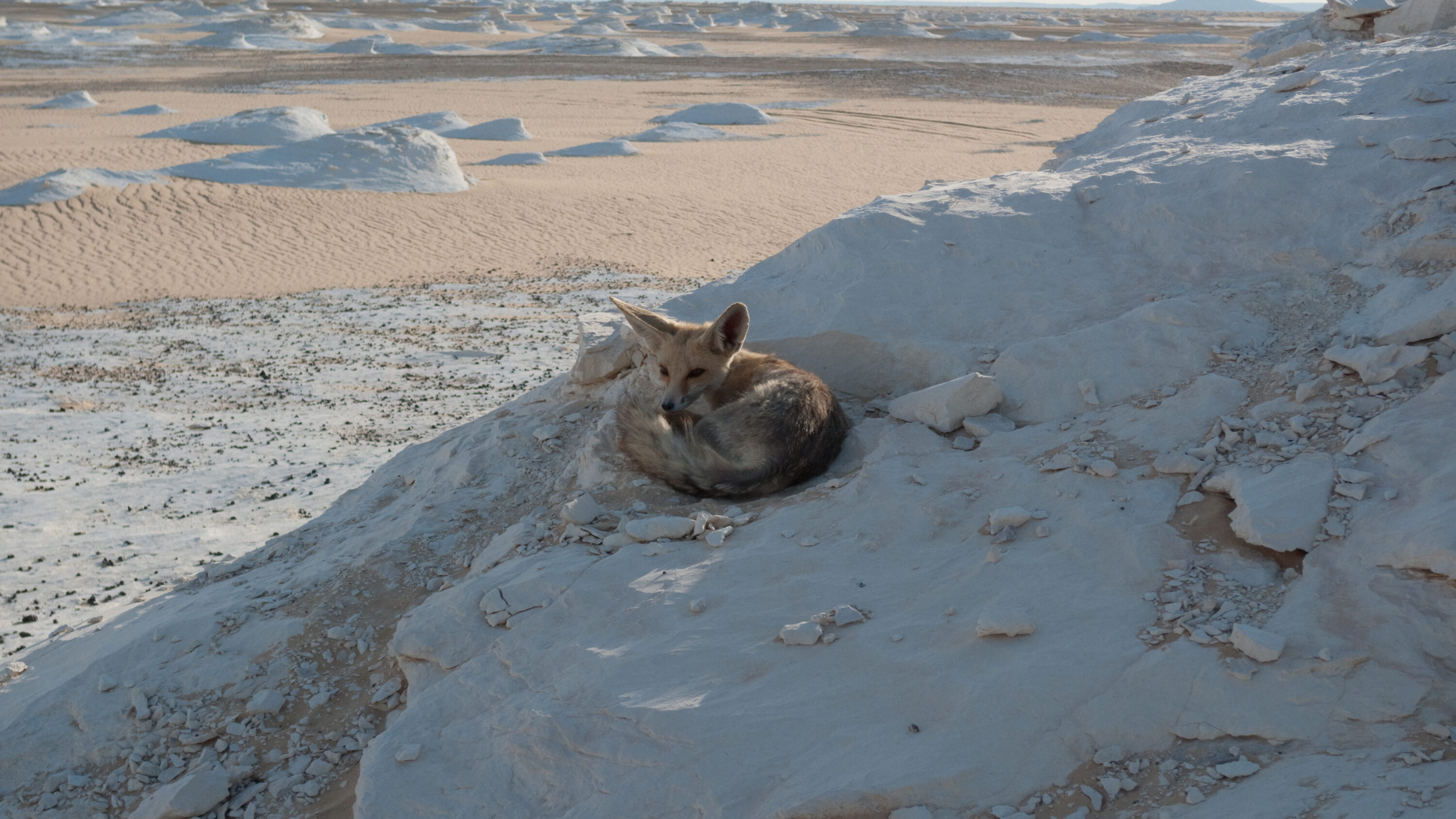
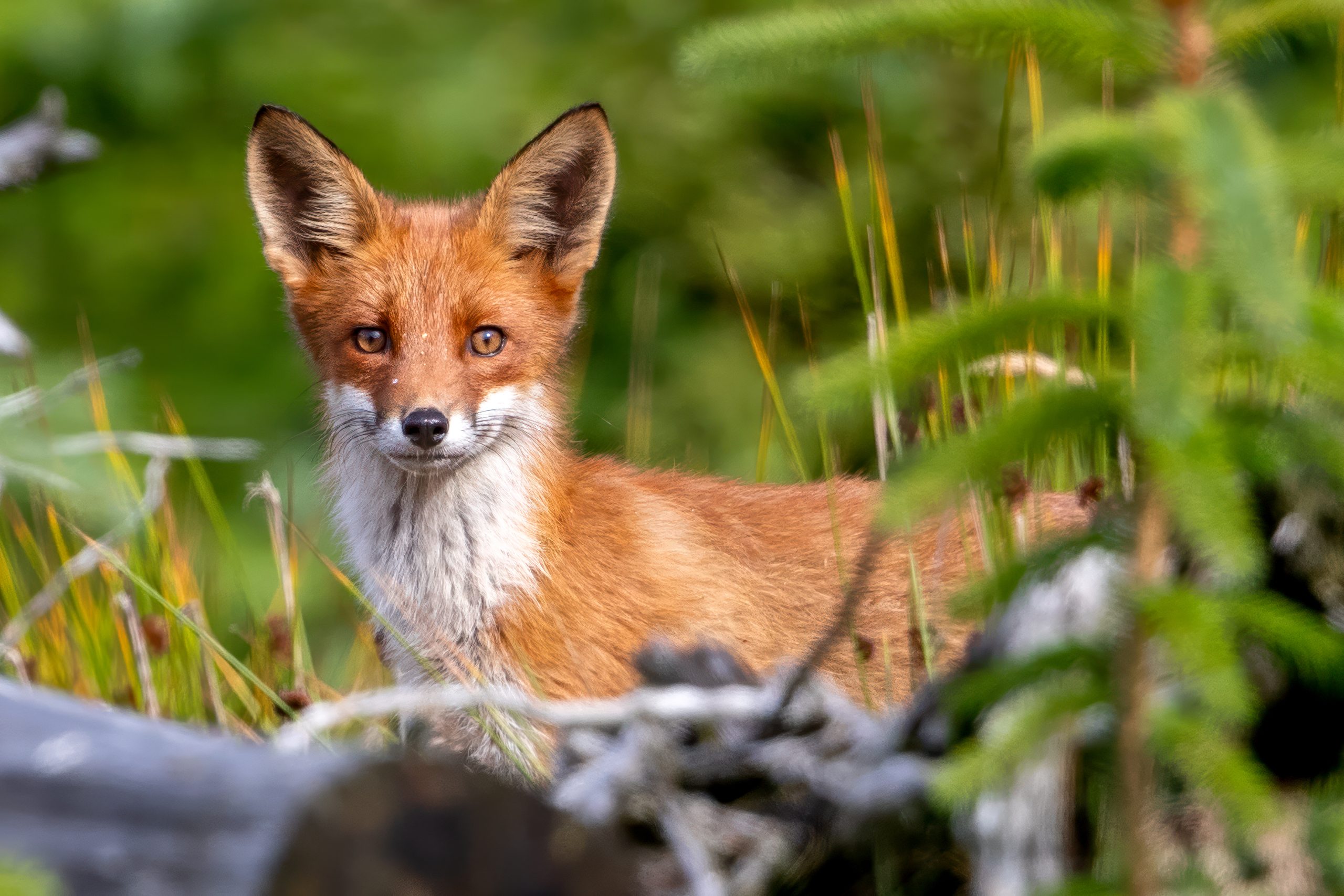
A genetic study published in 2026 found that red foxes (Vulpes vulpes) carry mitochondrial lineages originating from Rüppell’s fox (Vulpes rueppellii), with the data pointing to at least two separate introgression events in the past. Mitochondrial DNA is inherited through the maternal line in mammals, while introgression is the transfer of genetic material between species through hybridisation followed by repeated backcrossing. The researchers describe the deeply divergent lineages as genetic traces of old Rüppell’s fox populations whose mitochondrial variants are no longer represented among the Rüppell’s foxes sampled today.
The team analysed 85 complete mitogenomes from the two fox species, including newly sequenced samples from Türkiye and the United Arab Emirates, together with 320 partial mitochondrial DNA sequences covering a much wider geographic range. Eight mitogenomes obtained from red fox samples grouped within the Rüppell’s fox cluster. Seven belonged to one lineage found in Türkiye, Iran and Tunisia, while a second lineage was represented by a red fox sample from Iran.
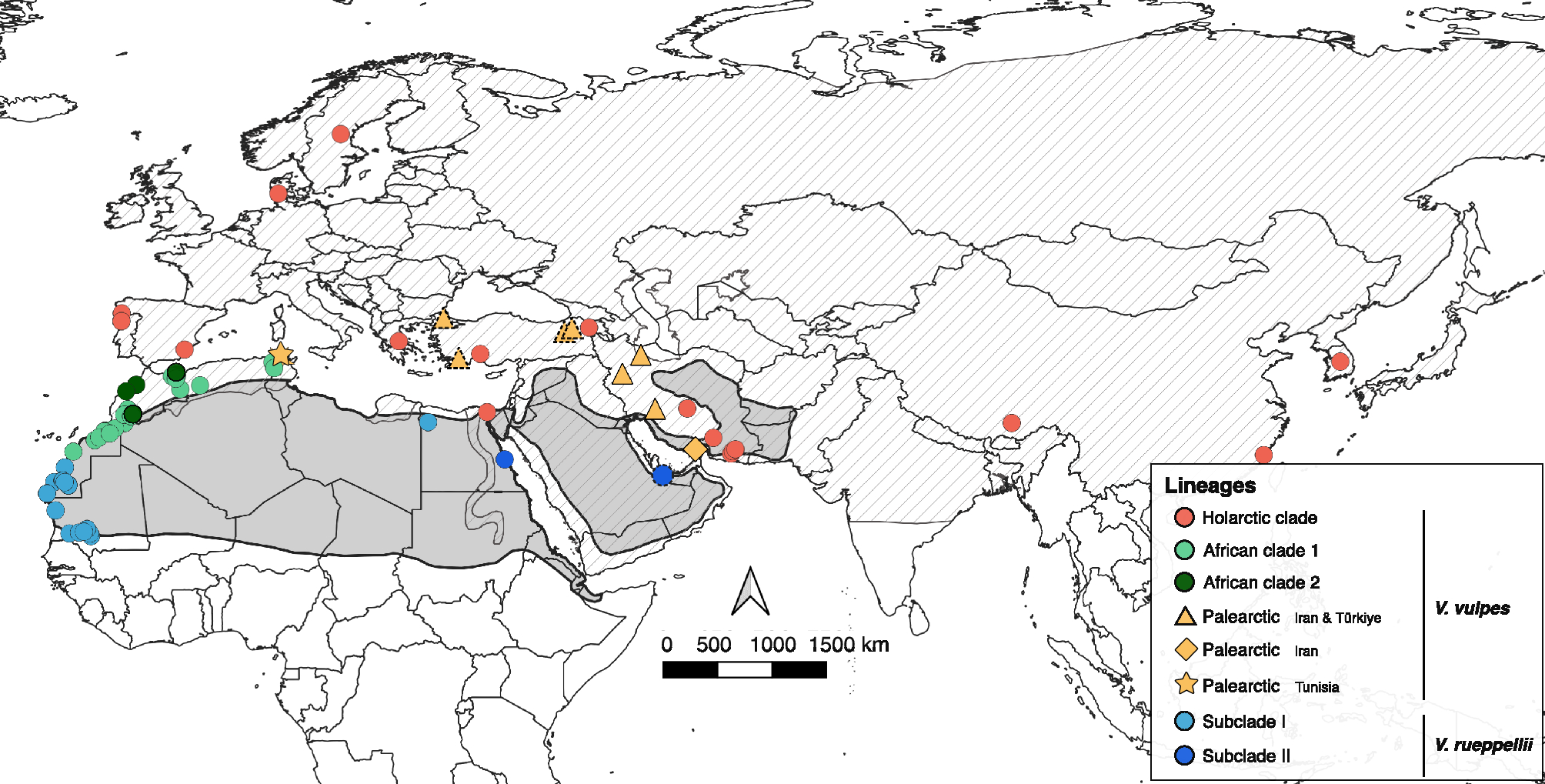
Rüppell’s-fox-like lineages occurred across a wide region
The larger partial-DNA dataset also contained Rüppell’s-fox-like variants among red foxes across North Africa, the Middle East and parts of Asia. In the intensive sampling from Türkiye, seven of 80 red foxes carried these mitochondrial variants. The phylogenetic pattern and genetic distances were consistent with introgression moving from Rüppell’s fox into red fox rather than in the opposite direction, although the authors note that alternative scenarios cannot be excluded completely.
Molecular-clock estimates placed the common ancestor of the introgressed and contemporary Rüppell’s fox mitochondrial lineages at about 228,000 years ago, although the uncertainty around the estimate was broad. This predates the estimated diversification of the currently sampled Rüppell’s fox mitochondrial lineages, around 72,000 years ago. The authors suggest that past climatic shifts may have brought the species into secondary contact and helped create the asymmetric pattern of mitochondrial exchange seen today.
Genetics & genomics
Related news
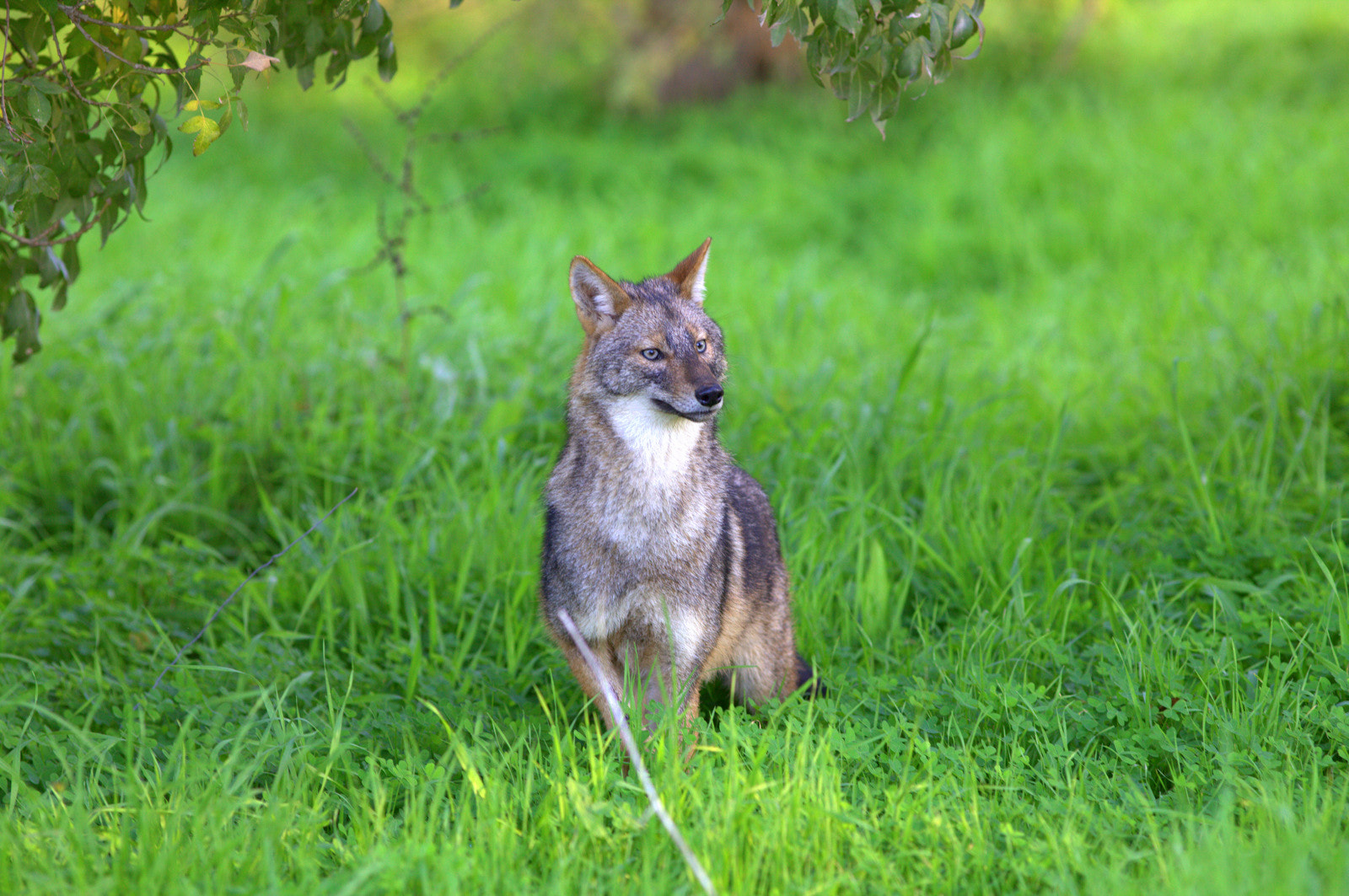
Similar Mammal Diversity, Different Activity Patterns in Grazed and Ungrazed Areas
Camera traps in four northern Israeli reserves found similar numbers of mammal species with and without livestock grazing.…
Read story →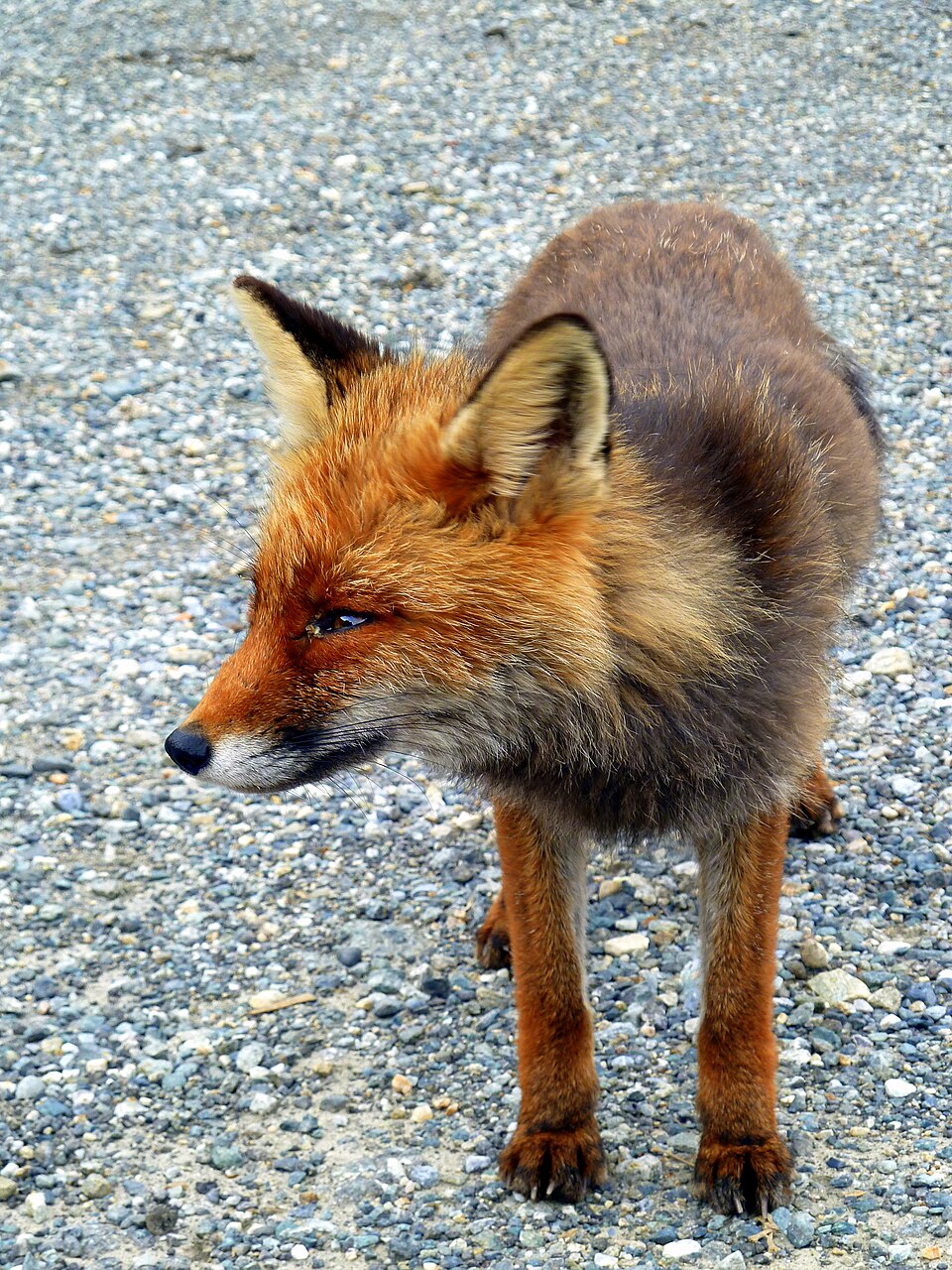
Wolf Kills Provided Plenty of Food for Red Foxes
Red foxes visited all 26 wolf-killed red deer monitored in Stelvio National Park. The amount of meat left…
Read story →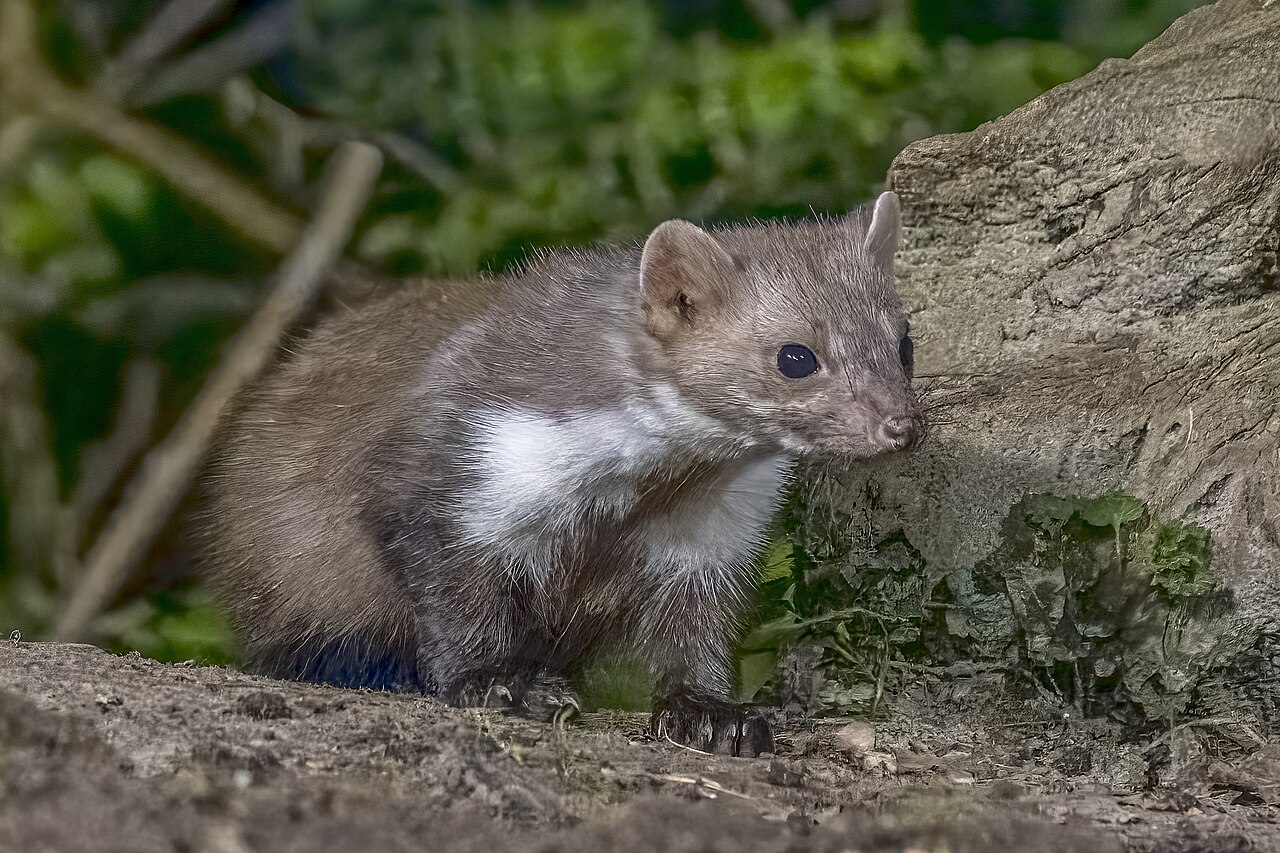
Red Foxes and Stone Martens Share Places at Different Times
Red foxes and stone martens often used the same sites in central Spain. Their daily activity differed more…
Read story →SPECIES IN THIS STORY
Species in this story
Independent research and conservation news archive
Did you find this information useful?
Wildlife Vagabond is independently built and maintained. Voluntary support helps cover source verification, hosting and continued work on research and conservation news.
Support Wildlife VagabondThe news archive will remain freely available.