
Red and Tibetan Foxes Shared Prey, but Red Foxes Had a Broader Diet
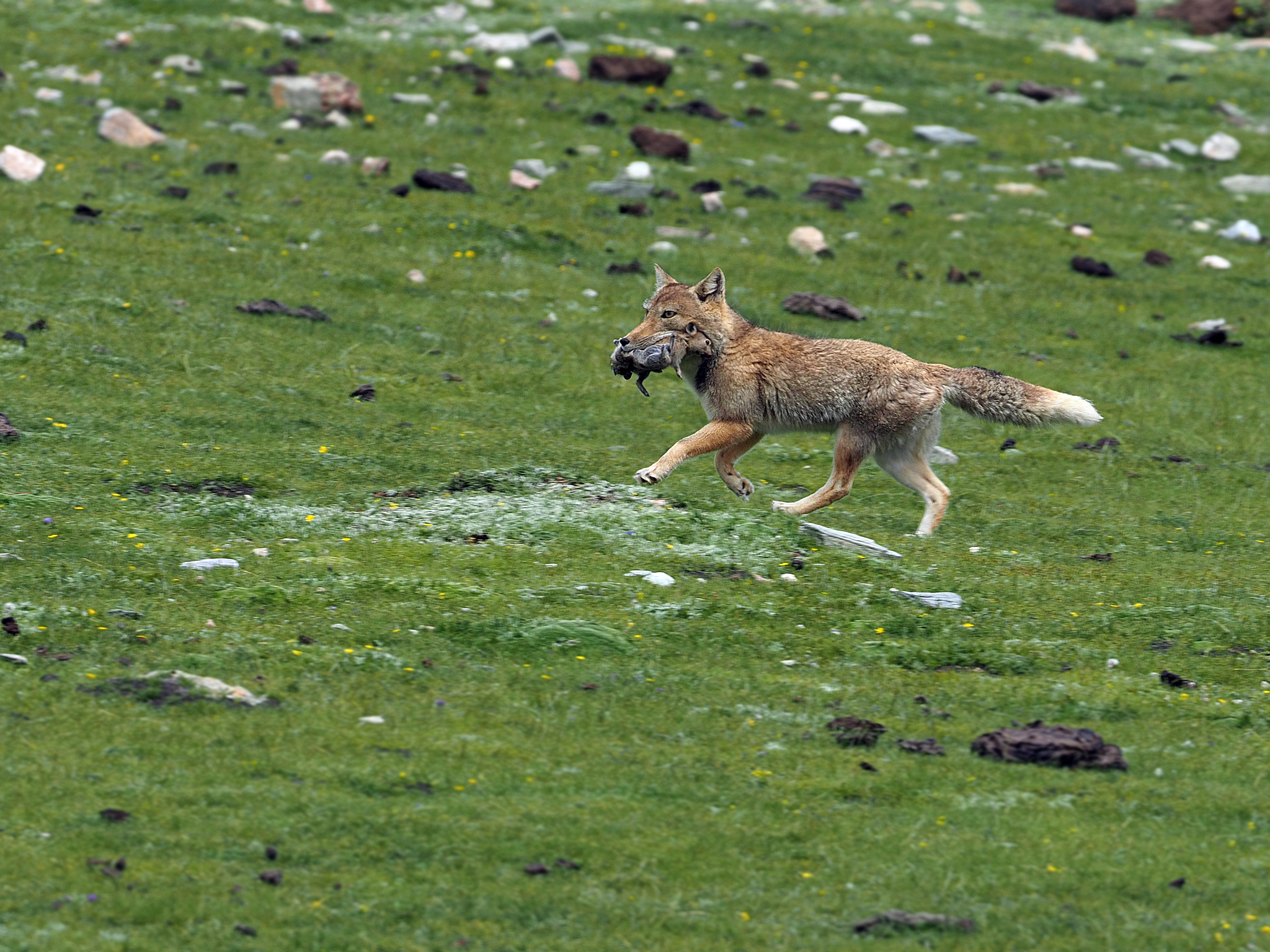
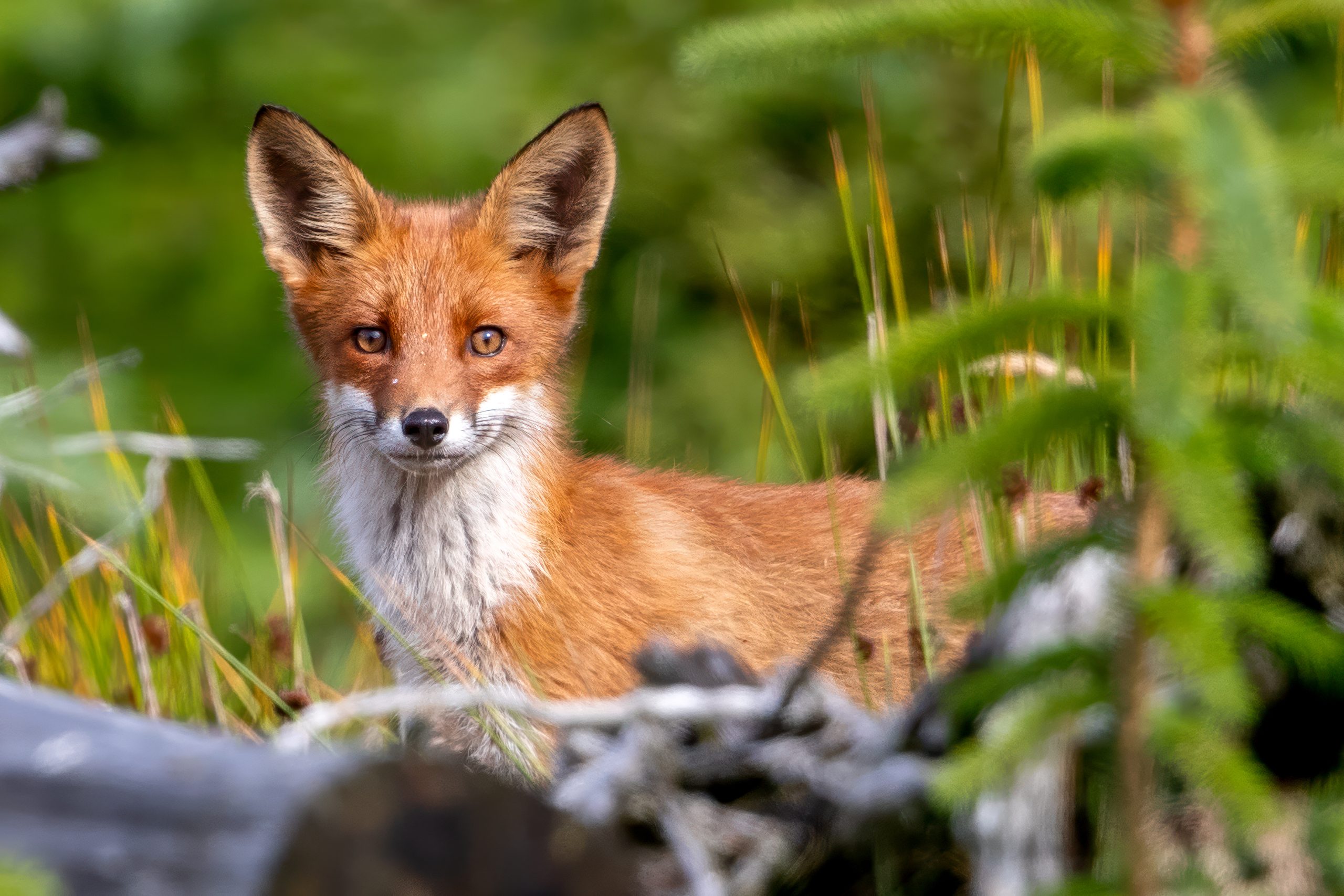
A study of sympatric red foxes (Vulpes vulpes) and Tibetan foxes (Vulpes ferrilata) on the northeastern Qinghai–Tibet Plateau found substantial overlap in winter prey but clear differences in how broadly the two species used food resources. Researchers used DNA metabarcoding, in which short DNA markers in dietary samples are sequenced and matched with reference databases to identify multiple food groups, to compare dietary composition and trophic niche breadth — how broadly each species used the available food resources.
Red fox diets were dominated by pikas (Ochotonidae), cricetid rodents such as hamsters and voles (Cricetidae), and bovids (Bovidae). Tibetan foxes mainly consumed pikas, burrowing rodents in the family Spalacidae, and cricetid rodents. The two foxes therefore shared important prey groups, but their overall dietary composition and prey richness were clearly different.
Tibetan foxes had a narrower trophic niche than red foxes. The authors describe the red fox as the more generalist forager and the Tibetan fox as the more specialised species, allowing the two similarly sized carnivores to partition food resources despite living in the same alpine landscape.
The researchers conclude that divergent foraging strategies help explain stable coexistence between the two foxes on the plateau. Rather than avoiding all of the same prey, the species overlap in diet while differing in how widely they exploit available food resources.
Ecology
Related news
Similar Mammal Diversity, Different Activity Patterns in Grazed and Ungrazed Areas
Camera traps in four northern Israeli reserves found similar numbers of mammal species with and without livestock grazing.…
Read story →
Wolf Kills Provided Plenty of Food for Red Foxes
Red foxes visited all 26 wolf-killed red deer monitored in Stelvio National Park. The amount of meat left…
Read story →
Red Foxes and Stone Martens Share Places at Different Times
Red foxes and stone martens often used the same sites in central Spain. Their daily activity differed more…
Read story →SPECIES IN THIS STORY
Species in this story
Independent research and conservation news archive
Did you find this information useful?
Wildlife Vagabond is independently built and maintained. Voluntary support helps cover source verification, hosting and continued work on research and conservation news.
Support Wildlife VagabondThe news archive will remain freely available.