
Reported Human–Wild Boar Incidents Clustered in Low-elevation, Built-up Areas of Türkiye
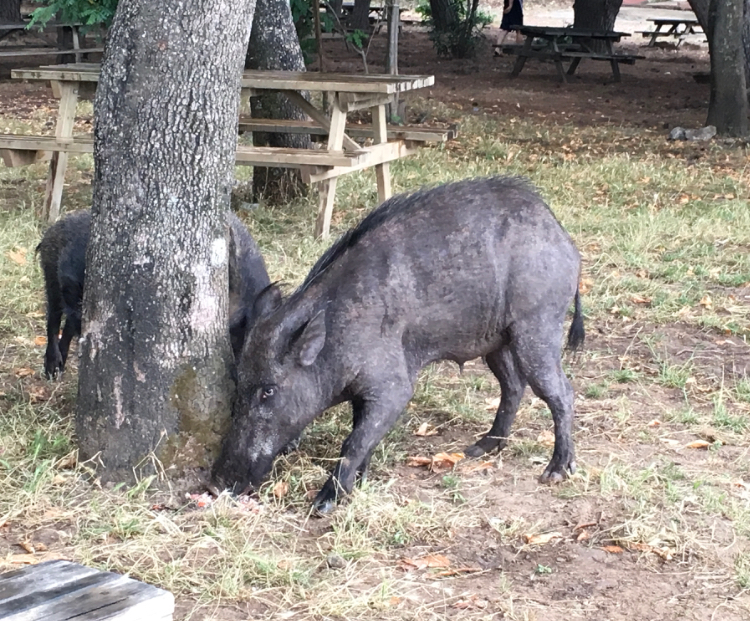
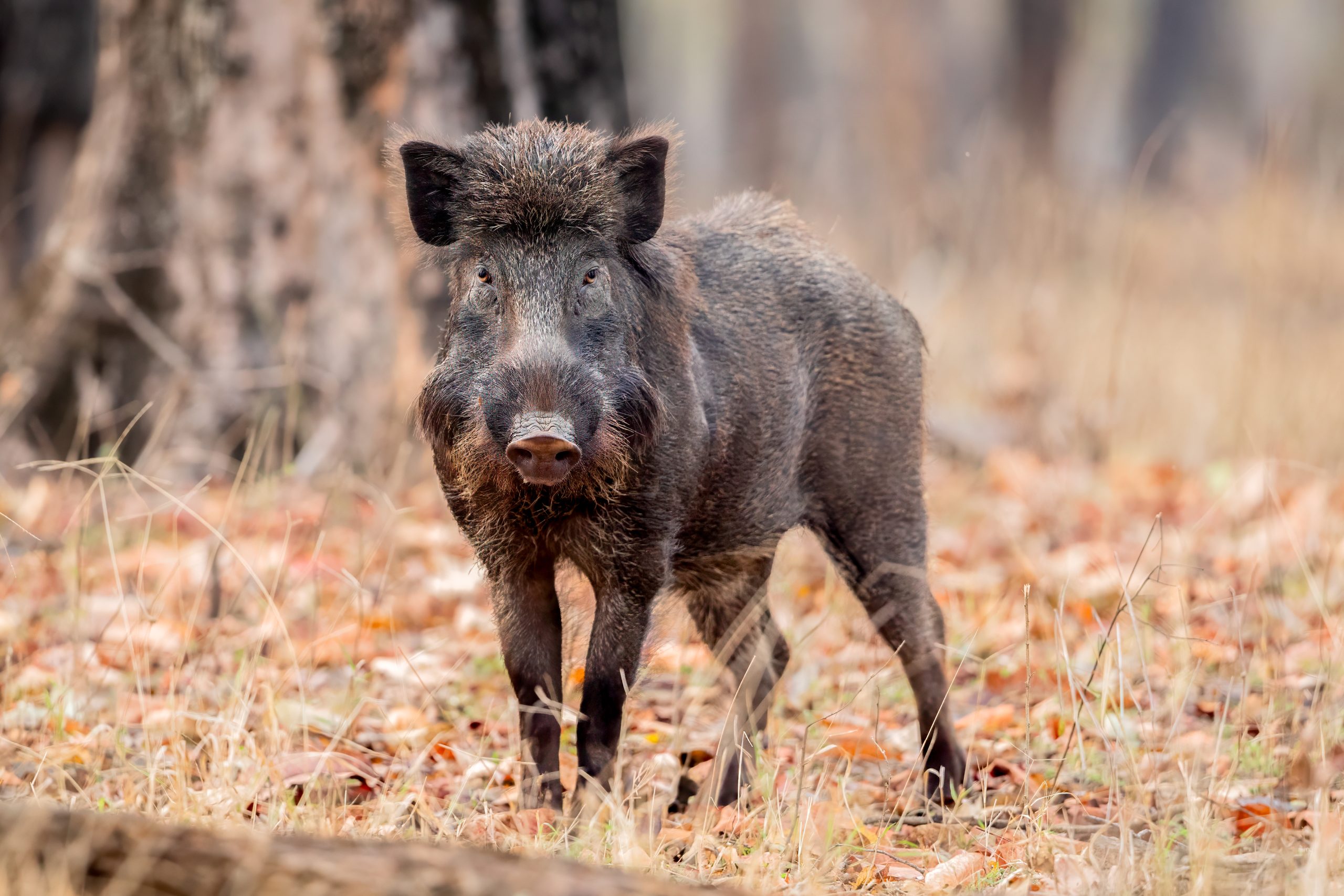
A nationwide analysis of reported human–wild boar (Sus scrofa) incidents in Türkiye found that reports were concentrated in low-elevation, settlement-rich landscapes in both summer and winter. The study analysed 105 summer and 152 winter incidents reported through media and online sources between 2006 and 2025.
Researchers compared the incident locations with 1,000 road-biased background points and examined land cover, elevation, terrain ruggedness and settlement cover within 5-km buffers. These background points represented the landscape available for comparison; they were not 1,000 verified sites where no conflict had occurred. Reports were more likely where urban cover was greater in both seasons, and less likely at higher elevations or where cropland, forest and grass–sparse vegetation covered more of the surrounding landscape.
Winter incidents showed a different habitat pattern
The winter pattern differed around orchards and rugged terrain. Reports were more common where orchards covered more of the surrounding landscape and where the terrain was more rugged; these patterns were weak or absent in summer. The authors interpret this as consistent with wild boars using tree crops as a winter food source and rough terrain as security cover near human-dominated areas; these are biological interpretations of the spatial associations, not experimentally demonstrated causes. Incident frequencies also differed between the pre-COVID, lockdown and post-lockdown periods, which the authors relate to changes in human mobility, traffic and reporting effort during the pandemic.
Reports do not represent all human–boar encounters
The study is based on incidents reported by media and online sources rather than systematic assessments of all wild boar damage or encounters. The authors therefore describe the results as patterns in reported conflicts and complaints, not a complete census of human–wild boar conflict across Türkiye.
Human–wildlife conflict
Related news
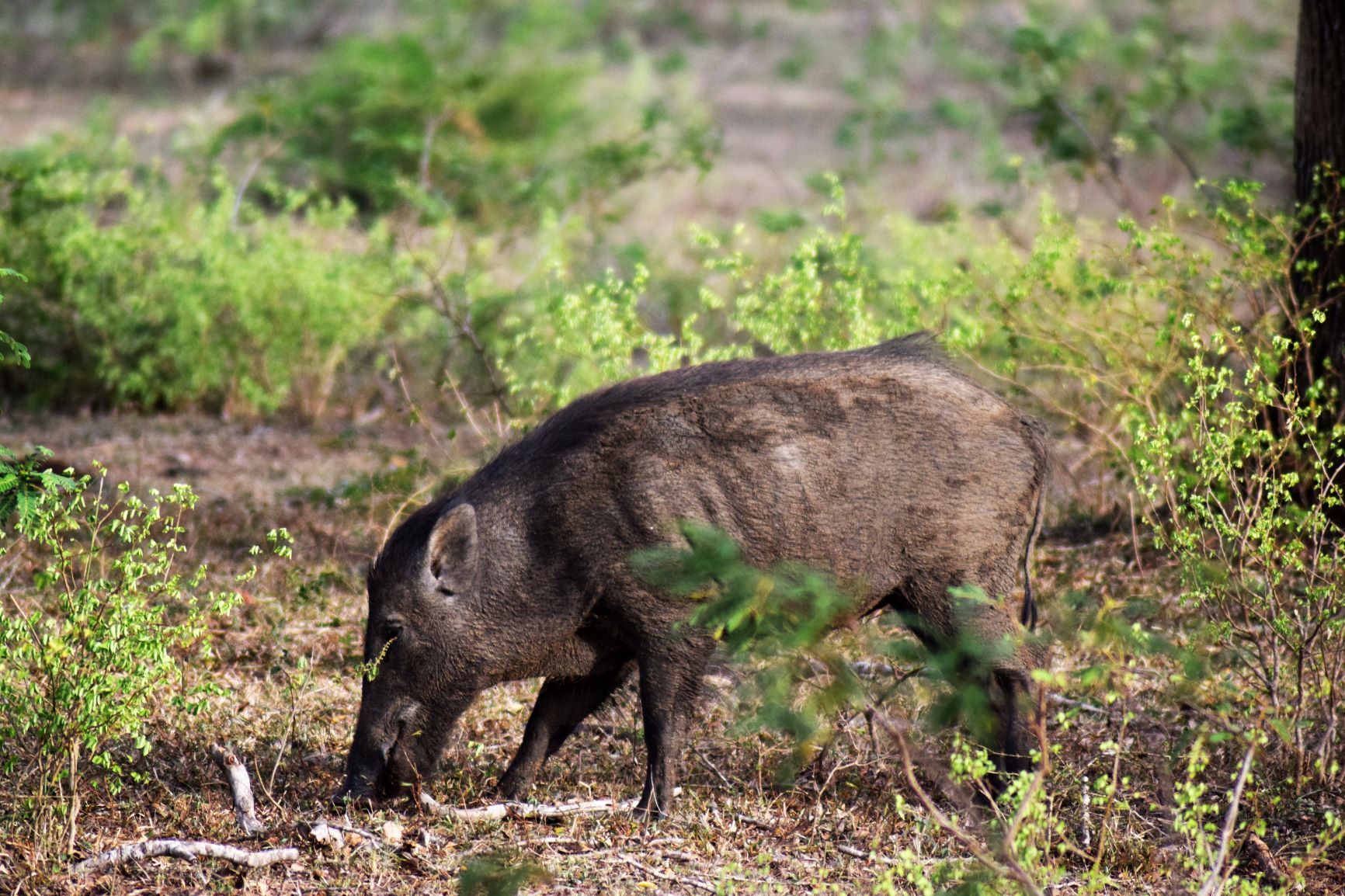
Maps Show Where Wild Boar Could Thrive and Spread on Jeju Island
Researchers mapped potentially suitable wild-boar habitat across roughly 36% of Jeju Island and identified eight possible corridors linking…
Read story →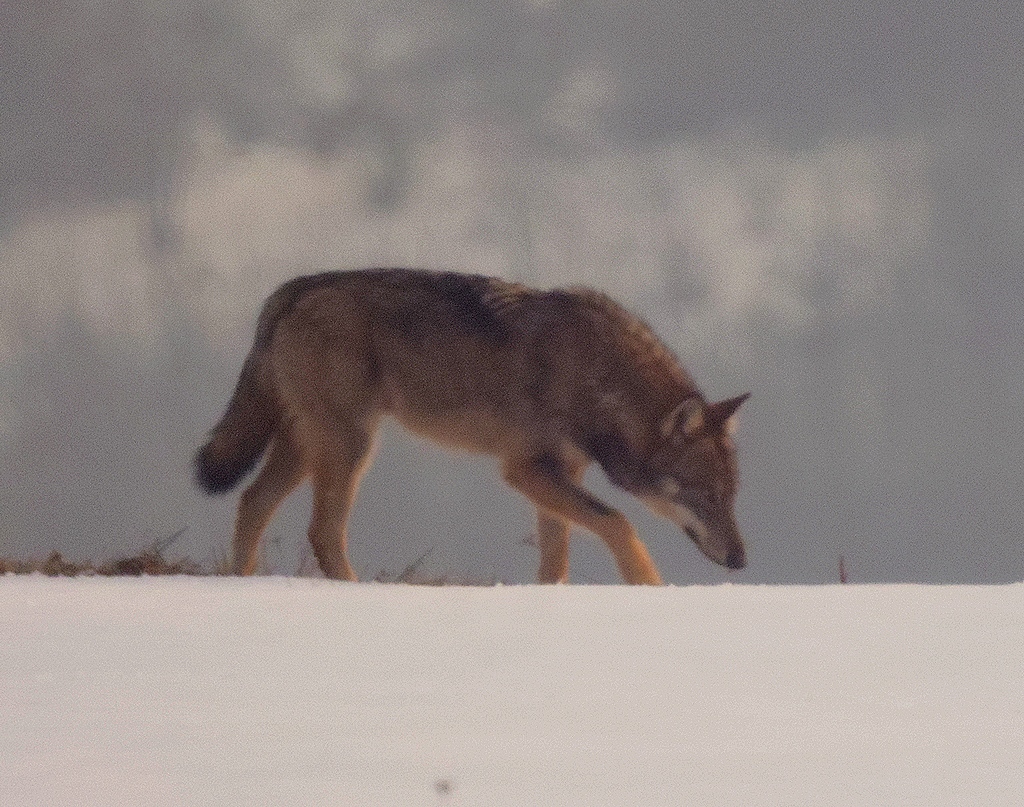
Roe Deer and Wild Boar Remained Key Wolf Prey as Diet Shifted Across North-western Italy
From 2021 to 2025, wolves in north-western Italy continued to feed mainly on wild prey. In the Po…
Read story →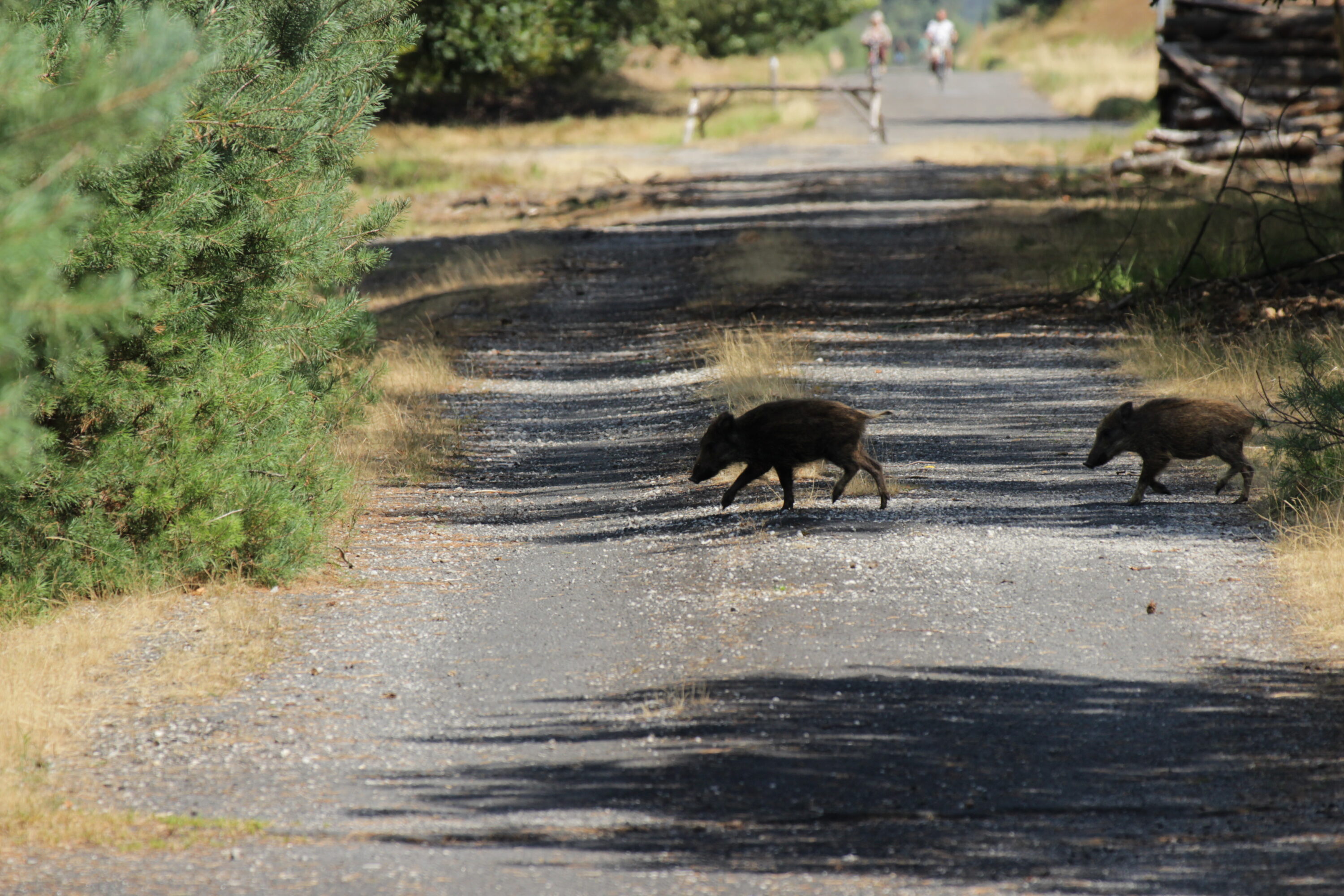
Copper levels in wild boar differed across Slovak districts
An analysis of kidney, liver and muscle from 147 wild boar in four districts found that iron and…
Read story →SPECIES IN THIS STORY
Species in this story
Independent research and conservation news archive
Did you find this information useful?
Wildlife Vagabond is independently built and maintained. Voluntary support helps cover source verification, hosting and continued work on research and conservation news.
Support Wildlife VagabondThe news archive will remain freely available.