
Reproductive timing shifted in German harbour seals over three decades
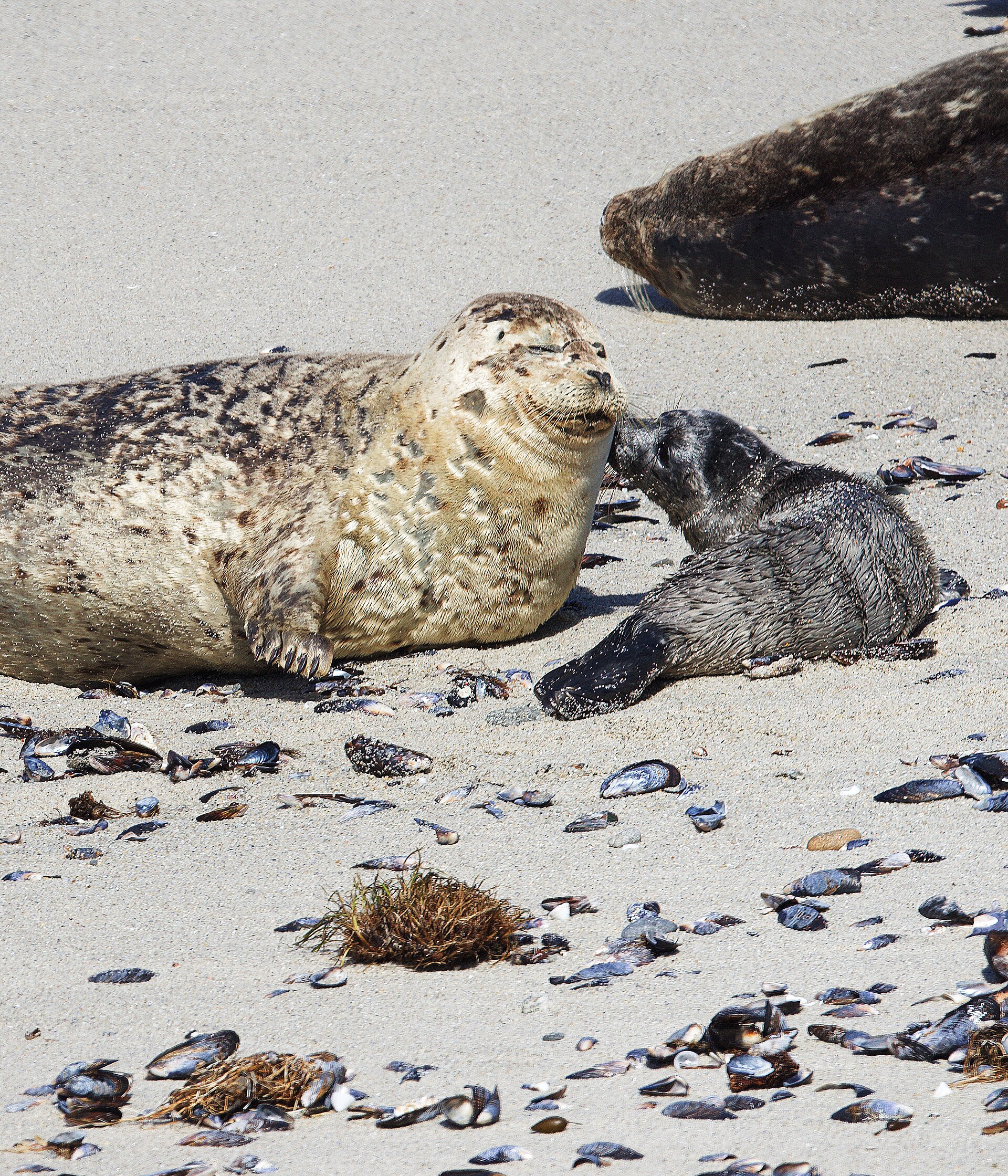
A study of harbour seals (Phoca vitulina) collected along Germany’s North Sea and Baltic Sea coasts has found changes in the seasonal timing of ovarian activity over three decades. Harbour seals normally undergo embryonic diapause, a temporary pause after fertilisation before the embryo implants in the uterus, making the timing of ovarian activity an important part of their tightly seasonal reproductive cycle. The researchers also reported age-related patterns that differed from earlier estimates for the species.
The study covered 1,523 females that were found dead or mercy-killed between 1995 and 2024. Ovaries from 383 of them were examined: 80 adults, 77 juveniles and 226 neonates. The tissue was cut into two-millimetre slices and checked for tertiary follicles, corpora lutea, corpora albicantia and scars. A corpus luteum forms in the ovary after ovulation, while a corpus albicans is the scar-like remnant left as it regresses, so these structures provide clues to recent reproductive activity and history. Results were compared between 1995–2015 and 2016–2024.
Sexual maturity appeared later and reproductive decline earlier than previous estimates
The first evidence of sexual maturity occurred at 3.5 years of age, six months later than previously reported. Reproductive activity declined from the age of 13, which was earlier than previously assumed.
Peak ovarian activity shifted from March to December
Peak ovarian weight shifted from mid-March in the earlier period to late December after 2015, suggesting that reproductive activation began earlier. The period of lowest ovarian activity also occurred later, indicating a longer reproductive window. Variation in the presence of corpora lutea during the expected period of embryonic diapause provided another indication that reproductive timing had changed.
The carcass material also contained a consistently high proportion of young animals, most of which died before reaching reproductive age. The authors highlight this juvenile mortality as a potential bottleneck for population growth.
The authors say the timing shifts may be linked to factors such as prey availability or population structure, but the study did not isolate a single cause.
Reproduction & development
Related news
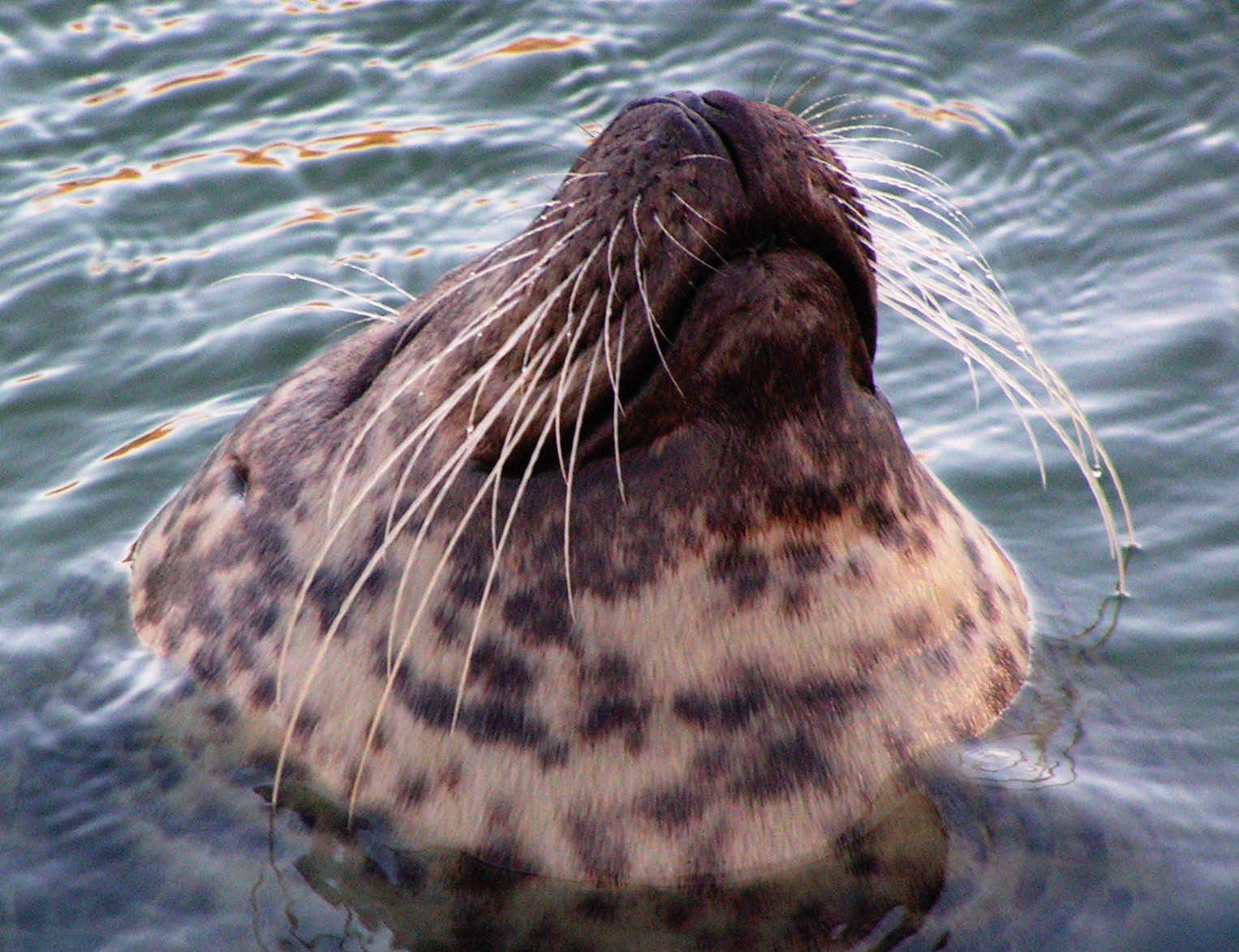
Blood Samples from 576 Wild Harbour Seals Establish 35 Health Reference Ranges
Blood samples collected from 576 wild harbour seals over 28 years produced reference intervals for 35 health parameters…
Read story →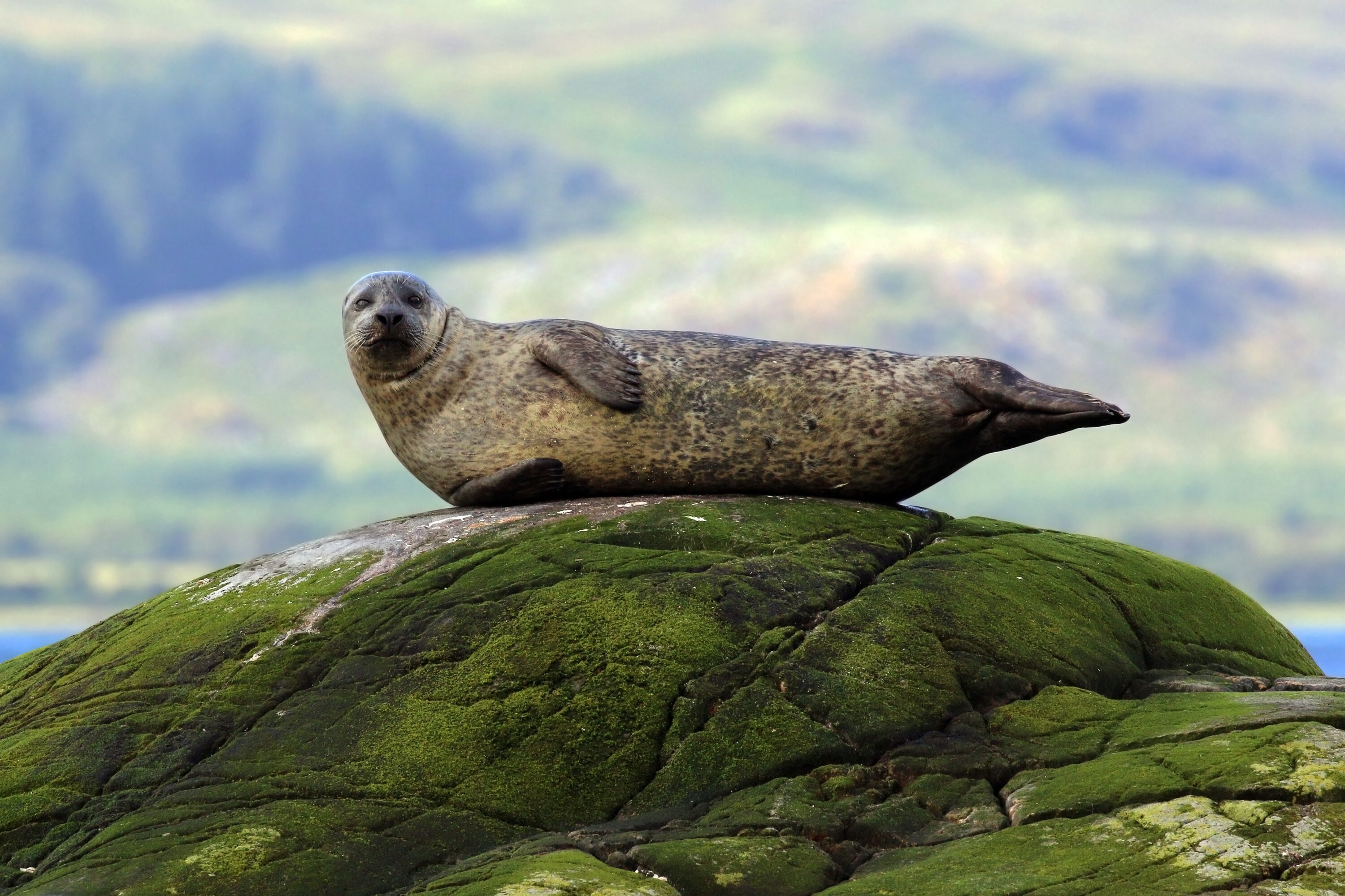
One Harbour Seal Had Similar Visual Acuity Underwater and in Air
A trained harbour seal detected small high- and intermediate-contrast targets about equally well underwater and in air, while…
Read story →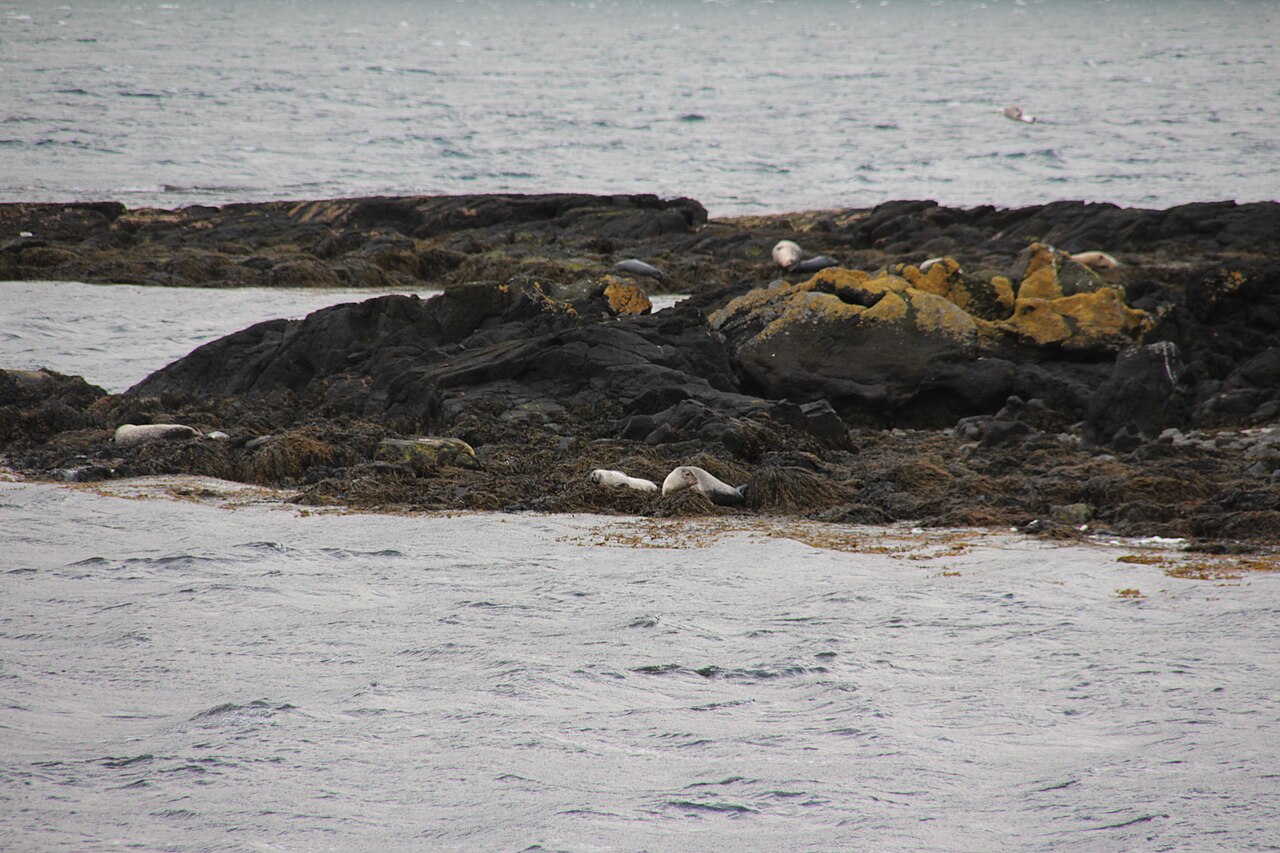
Northern Iceland Seal Count Recorded 441 Seals, Almost Unchanged From 2025
Volunteers counted 441 seals along just over 100 kilometres of coastline in northern Iceland on 27 July, almost…
Read story →SPECIES IN THIS STORY
Species in this story
Independent research and conservation news archive
Did you find this information useful?
Wildlife Vagabond is independently built and maintained. Voluntary support helps cover source verification, hosting and continued work on research and conservation news.
Support Wildlife VagabondThe news archive will remain freely available.