
Rhesus Macaques Were Detected Mostly Outside Forest in Three of Four Chandrabani Surveys
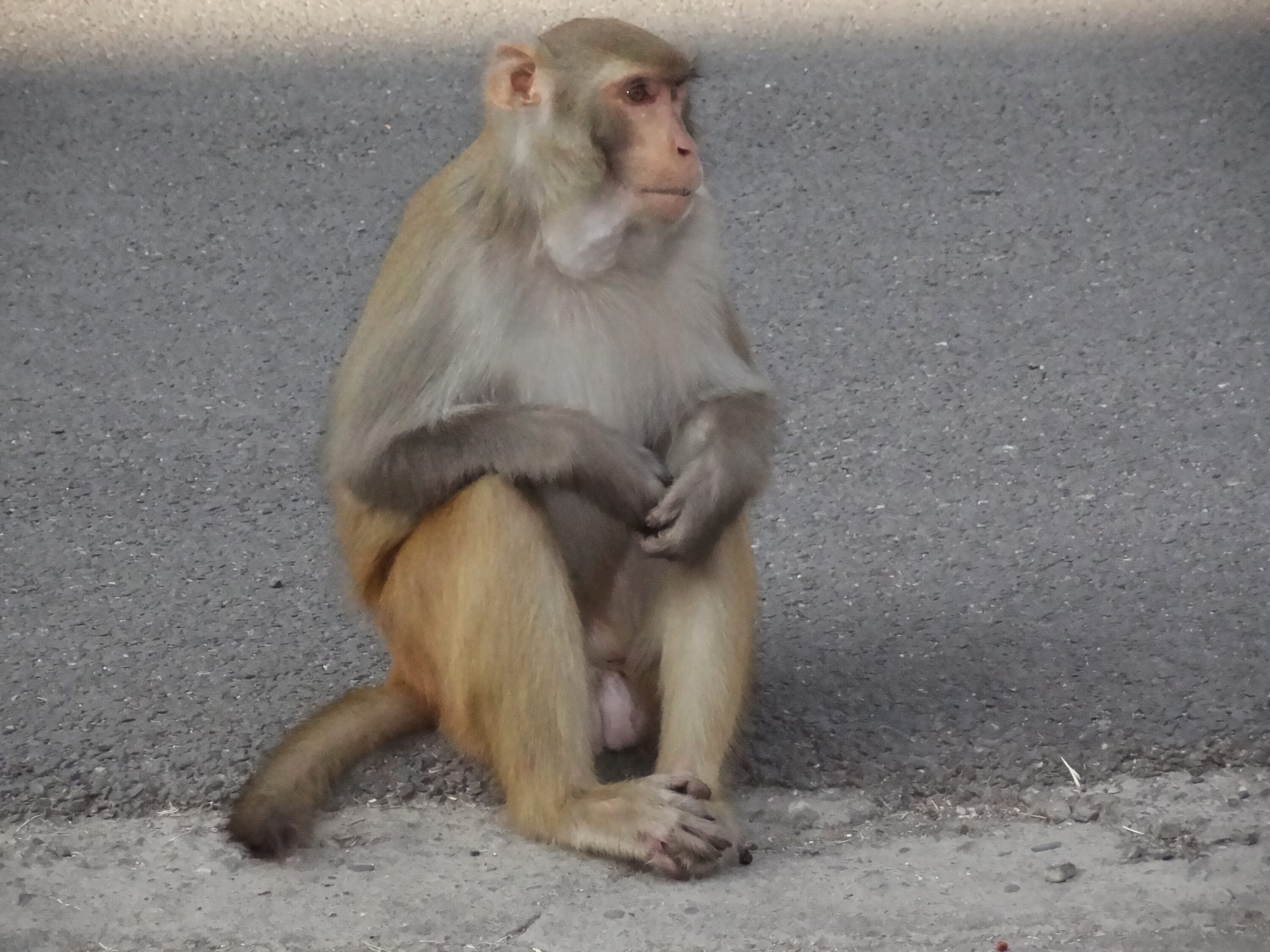
Four line-transect surveys around Chandrabani in Dehradun, India, found rhesus macaques (Macaca mulatta) across both forest and human-modified habitats. The study covered a heterogeneous 16 km² area surrounding the Wildlife Institute of India campus, including forest patches, agricultural land, roadsides and settlements.
Surveys were carried out in February and November 2017 and in May and October 2019. The share of observed macaque individuals recorded in non-forest habitats was 72.7% in February 2017, 34.1% in November 2017, 76.6% in May 2019 and 57.1% in October 2019. Forest habitats therefore accounted for the larger share of detections only during the November 2017 survey. These percentages describe the observed individuals in each survey period; they are not density estimates for forest and non-forest habitat.
The macaques were detected throughout the study area during all four sampling periods. Agricultural fields, settlement edges and other human-modified habitats contributed substantially to the records, alongside natural forest.
The authors interpret the repeated use of both habitat types as evidence of the species’ ecological flexibility in the Himalayan foothills. The survey provides a local baseline for understanding how rhesus macaques use landscapes where forest, agriculture and human settlement occur in close proximity.
Ecology
Related news
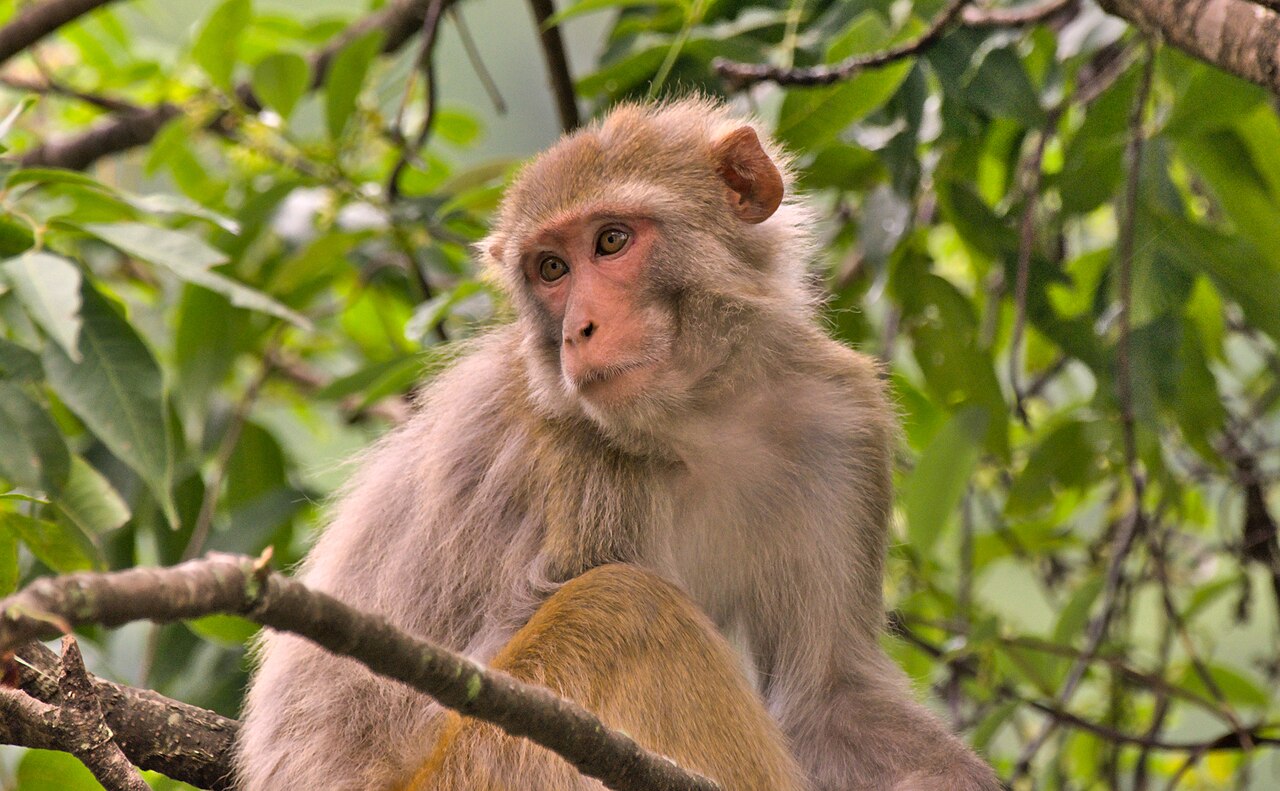
Female Rhesus Macaques That Watched Unfamiliar Female Faces Longer Were More Likely to Have Offspring the Following Year
At a semi-free-ranging population in Puerto Rico, females that spent longer looking at an unfamiliar female’s neutral face…
Read story →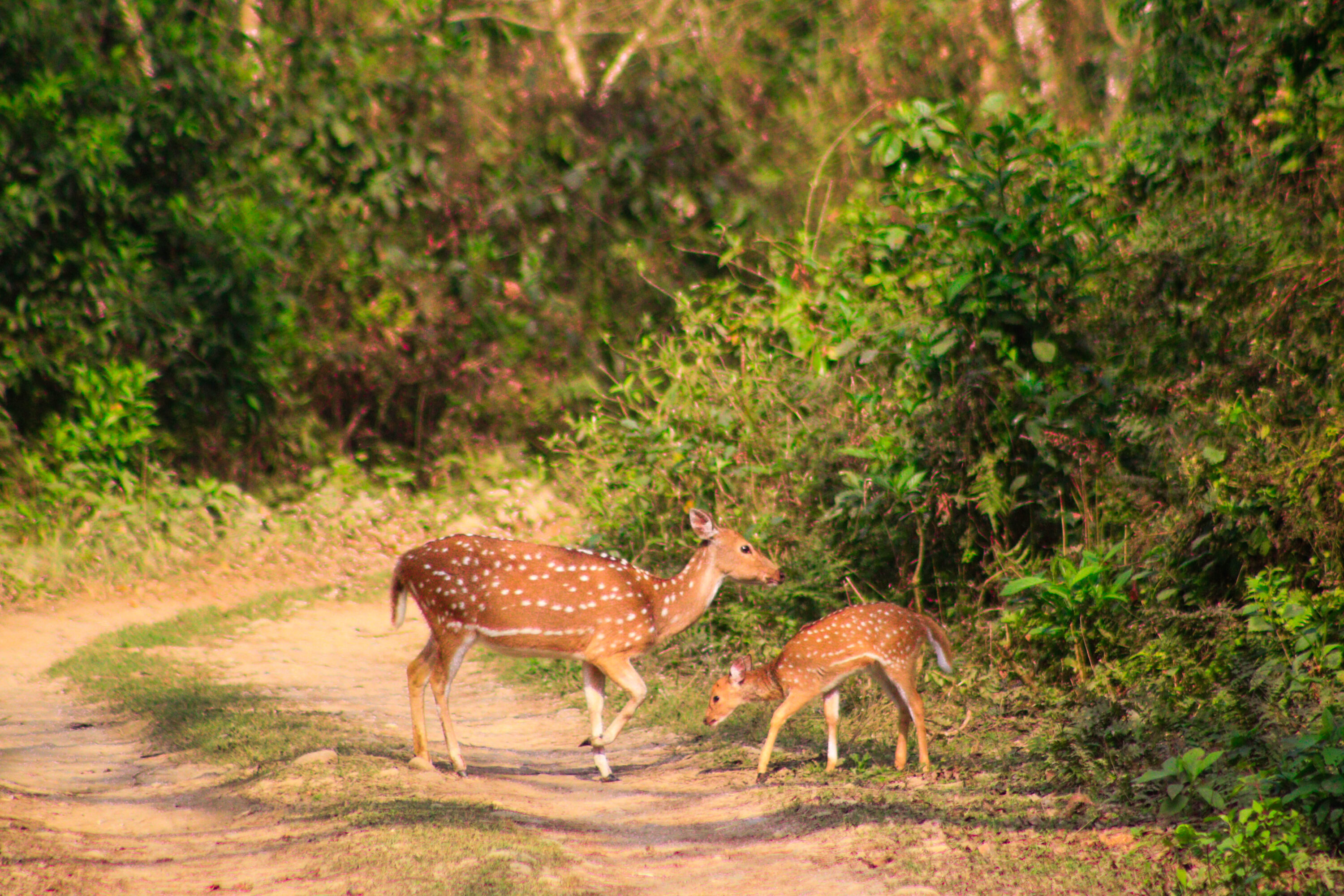
Human Activity and Large Wildlife Overlapped Most in Chitwan’s Buffer Zone
Camera traps across Chitwan National Park and surrounding forests showed the greatest overlap of human activity with large…
Read story →
Aging rhesus macaques show broader protein changes in blood than in brain fluid
A study of 66 rhesus macaques found age-related differences in many more measured proteins in plasma than in…
Read story →SPECIES IN THIS STORY
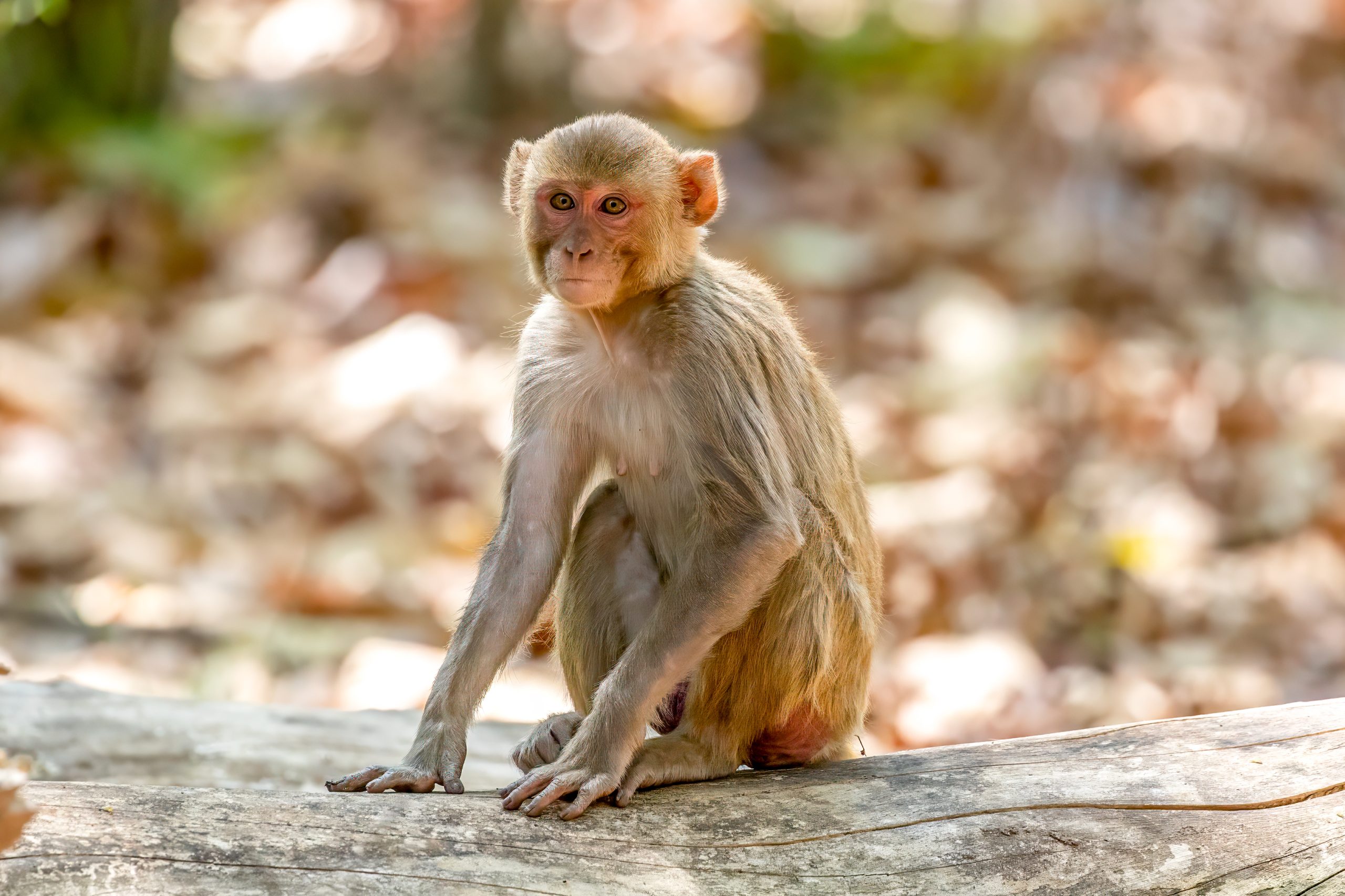
Species in this story
Independent research and conservation news archive
Did you find this information useful?
Wildlife Vagabond is independently built and maintained. Voluntary support helps cover source verification, hosting and continued work on research and conservation news.
Support Wildlife VagabondThe news archive will remain freely available.