
Long-term Cultured Rock Dove Germ-cell Precursors Still Reached Developing Gonads
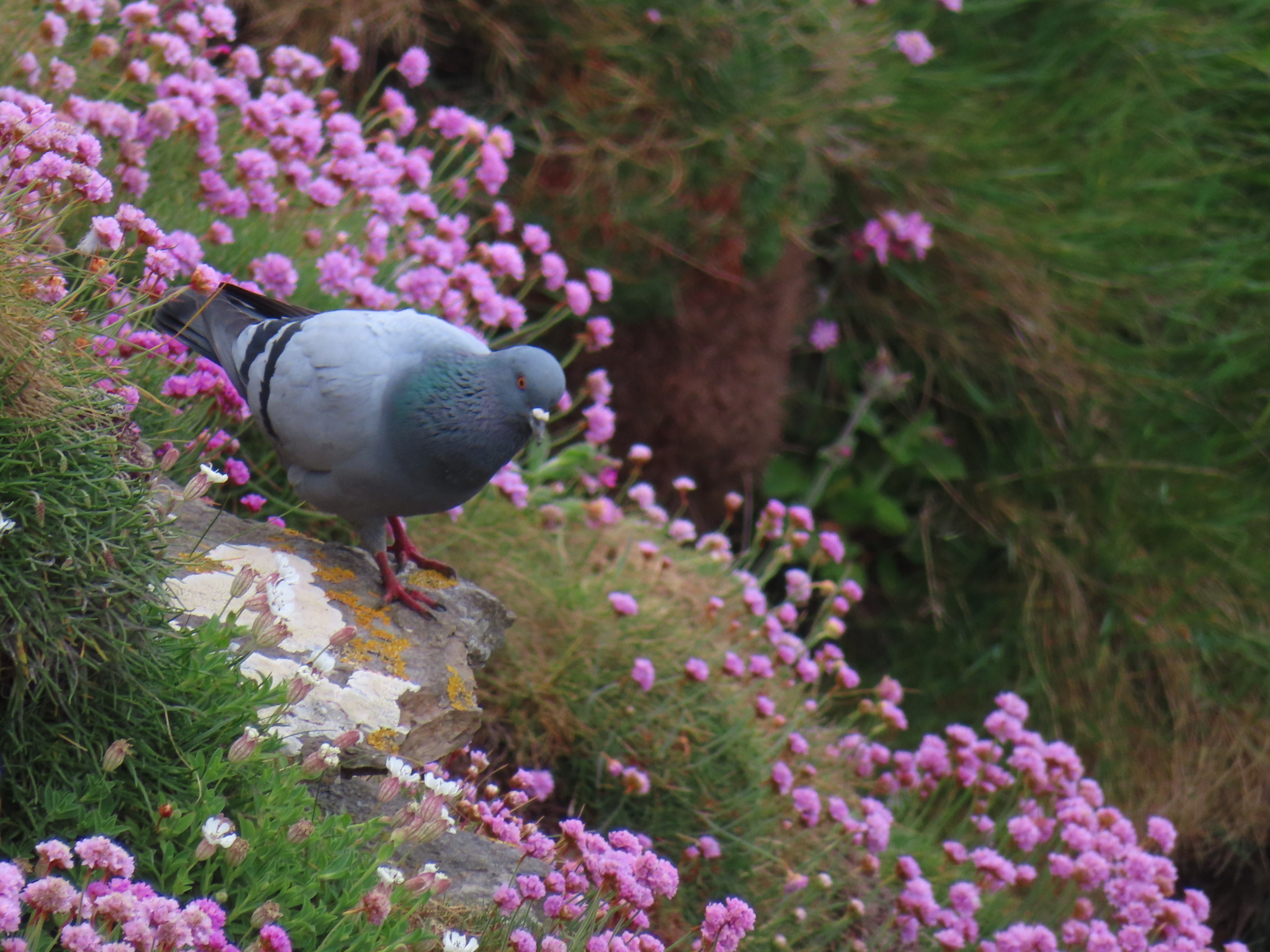
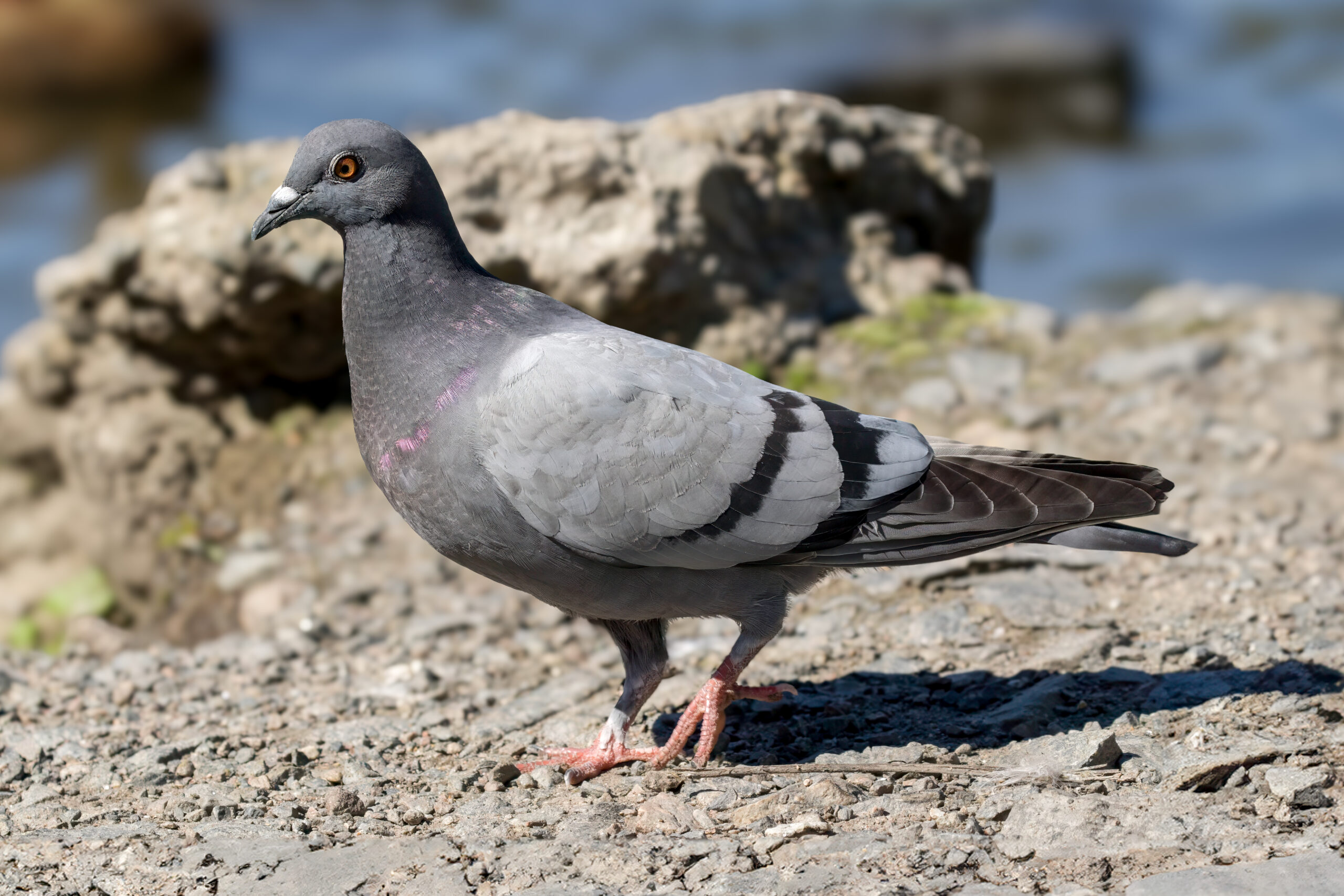
Researchers have established the first successful long-term culture of primordial germ cells from rock dove (Columba livia). Primordial germ cells are embryonic precursors of sperm and egg cells: early in development they migrate to the forming gonads, where they later give rise to the germline that passes genetic material to the next generation. This makes them useful for reproductive research, genome engineering and preservation of avian genetic material.
Long-term culture systems have existed for chicken primordial germ cells for nearly two decades, but cells from many other bird species have been much harder to maintain. The researchers therefore profiled gene activity in rock dove gonadal cells to identify growth and survival signals the germ cells were equipped to receive, then tested candidate factors experimentally in culture.
Survival and proliferation depended on a balance of growth and differentiation signals
Some insulin/IGF (insulin-like growth factor) signalling was required for long-term survival and expansion. Completely removing insulin preserved germ-cell identity for a time, but the cultures could not be maintained beyond about two weeks. Lowering insulin while retaining IGF supported better expansion, showing that the pathway had to remain active without overwhelming the cells.
Retinoic-acid signalling provided a different kind of control. Retinoic acid normally helps push germ cells towards differentiation rather than continued proliferation. Removing vitamin A, the precursor of retinoic acid, did not support long-term growth; instead, the best propagation occurred when vitamin A remained present while the retinoic-acid receptor was inhibited. This allowed the cells to keep expanding while retaining germline identity.
Several other signalling molecules improved proliferation. BMP4 and EGF promoted cell growth, while leukaemia inhibitory factor (LIF), glial cell line-derived neurotrophic factor (GDNF) and pleiotrophin provided additional growth-supporting signals. Together these experiments allowed the researchers to build a species-specific culture medium rather than simply applying the chicken formulation unchanged.
Long-term cultured cells still found their way to developing gonads
The cultured cells continued to express characteristic germline markers including DAZL, DDX4 and PRDM14. These genes are associated with germ-cell identity and development, so their continued expression showed that the expanding cells had not simply become a generic laboratory cell population.
The more important test was functional. Researchers injected cultured rock dove primordial germ cells into both rock dove and chicken embryos. The cells migrated to the developing gonads in both hosts, demonstrating that they retained the natural migratory competence expected of primordial germ cells after long-term culture.
The resulting culture system creates a way to preserve and manipulate a Columbidae germline outside the living bird. The authors present it as a platform for germline engineering and genetic biobanking and as a step towards extending avian reproductive technologies beyond the chicken models on which most previous work has depended.
Molecular biology & biochemistry
Related news
Rock Doves Preferred Predictive Information Despite a Lower Food Payoff
Seven rock doves preferred an informative option that paid on 20% of trials over a non-informative option that…
Read story →
Rotavirus A Antibodies Were Common in Feral Pigeon Samples but Rare in Wood-Pigeon Samples in Germany
A German study detected rotavirus A-reactive antibodies in 79.2% of free-ranging feral pigeons and 77.0% of domestic pigeons,…
Read story →
New Shiqi Pigeon Genome Placed 97.8% of Its Sequence on 41 Chromosomes
A chromosome-level genome from a female Shiqi pigeon in Zhongshan, China spans about 1.24 billion DNA bases, places…
Read story →SPECIES IN THIS STORY
Species in this story
Independent research and conservation news archive
Did you find this information useful?
Wildlife Vagabond is independently built and maintained. Voluntary support helps cover source verification, hosting and continued work on research and conservation news.
Support Wildlife VagabondThe news archive will remain freely available.